

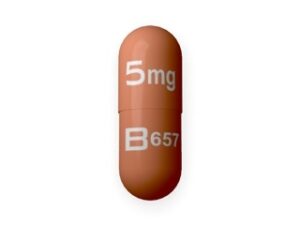

Provigil (Modafinil) – Patient-Friendly Guide (Australia)
Provigil is a brand of modafinil, a medicine used to promote wakefulness and help reduce excessive sleepiness in specific conditions. This guide explains how Provigil works, how it’s typically taken, what to watch for, and practical considerations for people in Australia.
Note: Information below is general. Individual advice may vary depending on your health, other medicines, and diagnosis. Always follow the instructions provided by your healthcare professional and the medicine label.
Basic product information
| Feature | Details |
|---|---|
| Generic name | Modafinil |
| Brand name | Provigil |
| Medicine type | Wakefulness-promoting agent (CNS stimulant-like activity) |
| Common formulations | Tablets (strengths vary by product availability) |
| Typical goal | Reduce excessive daytime sleepiness and improve alertness |
| Where it’s used | For certain sleep disorders in adults |
What Provigil (modafinil) does
Provigil helps you stay awake and alert. People commonly notice:
- Improved daytime alertness
- Reduced sleepiness during the day
- Better ability to concentrate for some conditions
It is not a sleep medicine and does not replace treatment for the underlying sleep disorder.
Mechanism of action (how it works)
Provigil’s exact mechanism is not completely understood, but it is believed to influence several brain pathways involved in wakefulness. Key points include:
- Modulation of dopamine (indirect effects rather than strong dopamine “receptor blocking”)
- Reduced sleep-drive signals in the brain
- Interaction with orexin/hypocretin-related systems may contribute to wakefulness
- Effects on other neurotransmitter systems (for example, glutamate and GABA pathways) may help maintain alertness
Clinically, the result is sustained wakefulness with less of the “classic amphetamine-like” subjective effects in many people compared with traditional stimulants—though side effects and risks still exist.
Pharmacokinetics (how the body absorbs and processes it)
Pharmacokinetics describes what the body does to a medicine: absorption, distribution, metabolism, and elimination.
- Absorption: Modafinil is absorbed after oral dosing. Typical peak blood levels occur a few hours after taking a dose.
- Onset: Many people feel increased alertness within a short time after dosing.
- Half-life: Modafinil has a relatively long half-life, which is one reason it can be taken once daily for many indications.
- Metabolism: Primarily metabolised in the liver via enzymatic pathways (notably CYP-related metabolism).
- Excretion: Metabolites are eliminated mainly through the kidneys.
Practical implication: Because the medicine lasts into the evening for some people, dosing time is important to reduce the risk of insomnia.
Typical use in adults
Provigil is used for certain diagnosed sleep-related conditions where excessive daytime sleepiness is a major symptom.
Common indications
- Obstructive Sleep Apnoea (OSA): To improve wakefulness in adults with excessive sleepiness, typically alongside treatment for OSA (such as CPAP).
- Narcolepsy: To help reduce excessive daytime sleepiness in adults.
- Central disorders of hypersomnolence: In some cases, to improve excessive sleepiness associated with central nervous system causes.
Provigil is not intended to treat the sleep disorder itself; it helps with the daytime consequences of sleepiness.
Timing: when to take Provigil
For most approved uses, modafinil is taken once daily in the morning. Taking it earlier in the day often helps prevent interference with nighttime sleep.
- Morning dosing: Helps reduce insomnia and late-day “activation.”
- Avoid late doses: Taking it too late can cause difficulty falling asleep or restless sleep.
- Follow local instructions: Your clinician may tailor timing based on your routine and response.
If you miss a dose: Take it when you remember if it doesn’t move dosing into the evening. If it’s late, skip the dose and continue your regular schedule. Do not take double doses to make up for a missed dose.
Food interactions
Food can affect how quickly the medicine is absorbed in some people. In general:
- With or without food: Many people can take modafinil with or without meals.
- Heavy meals: Large or very heavy meals may delay absorption slightly in some individuals.
- Side effects: Taking it with a light meal may reduce nausea or stomach discomfort for some people.
Tip: Try to take Provigil consistently (same time each day) and track how your sleep and alertness respond.
Alcohol interactions
Alcohol and modafinil require careful consideration. While modafinil may make you feel less sleepy, it does not reliably reduce alcohol-related impairment such as slowed reaction times.
- Alcohol may still impair driving and coordination.
- Combining may increase stress on the nervous system and can worsen sleep quality.
- Risk of side effects: Nausea, dizziness, headache, and anxiety may be more likely in some people.
Practical advice: If you drink alcohol, keep it minimal, avoid “making up for” sleepiness with modafinil, and be extra cautious with driving and machinery.
Medicine interactions (important)
Modafinil can interact with other medicines, mainly through liver enzyme effects. Some drugs may change how modafinil works; modafinil may also change how other drugs work.
Examples of medicines that may interact
- Hormonal contraceptives (oral contraceptives): Modafinil may reduce effectiveness in some circumstances, increasing pregnancy risk. Discuss contraception options with a clinician.
- Anticoagulants (blood thinners): Warfarin and similar medicines may require extra monitoring.
- Anti-epileptic medicines: Some may be affected by enzyme changes; seizure control must be monitored.
- Some antidepressants and antipsychotics: Monitor for changes in effectiveness or side effects.
- CYP-inducing or interacting medicines: Some medications may reduce or increase modafinil levels.
Herbal supplements and non-prescription products
- St John’s wort (commonly used for mood) may affect drug levels.
- Other supplements may also influence liver enzymes.
Always tell your pharmacist or clinician about all medicines, vitamins, and herbal products you take, including “as needed” treatments.
Dosing (general information)
Dose selection depends on the condition being treated and individual factors such as age, tolerance, liver function, and concomitant medicines. Your prescriber will specify your dose and schedule.
Common approach
- Once daily, typically in the morning.
- Start low and adjust as needed based on response and side effects.
Typical adult dose ranges (general)
In many prescribing practices, modafinil doses for adults range from 100 mg to 200 mg once daily, with some patients prescribed higher doses depending on the indication and tolerability. Specific product instructions may vary.
Do not change the dose on your own. If your alertness is inadequate or side effects occur, discuss adjustments with your clinician rather than altering timing or strength without guidance.
Indications vs. off-label use
Provigil is indicated for particular sleep disorders and excessive daytime sleepiness. Using it for other reasons—such as staying awake for shift work, exams, or “productivity”—may not be appropriate and may increase the risk of side effects or legal/ethical issues.
If you’re considering modafinil for a non-indicated purpose, speak with a healthcare professional to review safer alternatives and to understand your risks.
Safety profile: what to expect and what to watch for
Like all medicines, modafinil can cause side effects. Many are mild to moderate and may improve with time or by adjusting timing. However, some effects can be serious.
Common side effects
- Headache
- Nausea or stomach discomfort
- Dizziness
- Dry mouth
- Decreased appetite
- Insomnia (especially if taken late)
- Anxiety or restlessness
Less common but important risks
- Blood pressure or heart rate changes: Some people may experience palpitations.
- Mood changes: Tell your clinician if you notice agitation, irritability, or worsening anxiety.
- Skin reactions: Any rash should be assessed promptly.
- Severe hypersensitivity: Rare but potentially serious reactions require urgent medical attention.
When to seek urgent help
Get urgent medical care if you develop symptoms such as:
- Serious rash, blistering, or peeling skin
- Swelling of the face or throat
- Breathing difficulties
- High fever with rash or severe illness
- Chest pain, severe palpitations, or fainting
- Severe agitation or confusion
Practical use tips (to get the best results)
- Maintain consistent sleep: If you still get poor sleep at night, modafinil may not fully help and may worsen insomnia.
- Use in the morning: This is often the simplest way to reduce sleep disruption.
- Stay hydrated: Dry mouth can occur—water intake may help.
- Monitor your response: Track sleep onset time, next-day alertness, and any side effects for the first 1–2 weeks.
- Avoid alcohol when possible: Modafinil doesn’t eliminate impairment from alcohol.
- Be cautious with driving: Even when you feel more awake, reaction time can still be affected by underlying sleep disorder, fatigue, or other factors.
- Follow OSA treatment: If you have obstructive sleep apnoea, continue using CPAP or other prescribed therapy.
Alternative options
Depending on your diagnosis, there are other approaches to manage excessive daytime sleepiness. Alternatives may include:
- Sleep disorder treatments: For OSA, CPAP, oral appliances, weight management, and specialist follow-up.
- Other wakefulness-promoting medicines: Clinicians may consider alternatives to modafinil depending on your needs and availability.
- Behavioural strategies: Sleep hygiene, scheduled naps (when appropriate), and managing circadian rhythm issues.
- Review of contributing factors: Anaemia, thyroid disorders, medication side effects, and mental health can affect fatigue.
Your healthcare professional can explain which options best match your condition and risk profile.
Market and legal context in Australia
In Australia, modafinil is regulated under the Australian Government’s prescription medicine framework and related controls. Availability may vary by brand, strength, and manufacturer supply. Medicines containing modafinil are generally treated as controlled/regulated due to their stimulant-like effects and the potential for misuse.
Important: Laws and requirements can change. Pharmacy supply and online ordering must follow Australian medicines regulations and the dispensing process applicable at the time of purchase.
For guidance on Australian regulatory status, safety alerts, and official product information, check resources such as:
- TGA (Therapeutic Goods Administration) for product information and medicine regulation updates
- Local pharmacy dispensing policies for current availability and documentation requirements
Recent guidance and monitoring considerations
Healthcare practice evolves, and current guidance may emphasise the following:
- Appropriate diagnosis: Confirming the underlying sleep disorder is key to safe use.
- Cardiovascular and mental health screening: Clinicians often review blood pressure, heart rate, anxiety risk, and mood history.
- Drug interaction checks: Because modafinil can affect liver enzymes, interaction review is commonly encouraged.
- Adverse reaction vigilance: Patients are advised to report new rash, mood changes, or severe symptoms promptly.
If you’ve recently been prescribed modafinil or you’re considering starting, ask your clinician/pharmacist what monitoring (if any) is recommended for your situation.
Delivery and availability (Australia)
Availability of Provigil (modafinil) can vary depending on pharmacy supply chains, stock levels, and strength/formulation. When ordering online in Australia, delivery timelines may depend on:
- Stock status (in-stock vs. sourced on demand)
- Location and delivery service used
- Processing and packaging time
- Any required documentation or verification steps
What to expect: Reputable online pharmacies provide clear delivery estimates at checkout, transparent product details, and guidance on how to store the medicine properly.
Storage: Store tablets as directed on the packaging (typically at room temperature, away from moisture and heat) and keep out of reach of children.
FAQ – Frequently asked questions
1) How quickly does Provigil work?
Many people notice increased alertness within a few hours of taking modafinil. Individual response varies based on dose, sleep quality, and other factors.
2) Will Provigil make me feel “wired”?
Some people may feel jittery or restless, especially early on or if taken too late. For many, the effect is primarily improved wakefulness. If you experience significant anxiety, palpitations, or insomnia, contact a clinician.
3) Can I take Provigil at night?
Generally, it’s recommended to take modafinil in the morning to reduce the risk of insomnia. Night-time dosing can disrupt sleep and worsen fatigue later.
4) Is Provigil safe for everyone?
No. People with certain heart conditions, a history of serious skin reactions to medicines, significant anxiety/mood disorders, or those taking interacting medicines may need extra caution. A pharmacist or clinician can assess suitability.
5) What should I do if I develop a rash?
Stop taking the medicine and seek urgent medical advice if the rash is severe, blistering, or accompanied by fever or facial swelling. For mild rashes, contact your pharmacist or clinician promptly for assessment.
6) Does Provigil interact with birth control?
Modafinil may reduce effectiveness of some hormonal contraceptives. Discuss contraception options with a healthcare professional before starting.
7) Can I drink coffee or energy drinks?
Moderate caffeine may be tolerated, but combining stimulants can increase side effects such as anxiety, palpitations, or insomnia. Consider starting with lower caffeine and adjusting based on your response.
8) Can I drive while taking Provigil?
Only drive if you feel fully alert and safe. Even with improved wakefulness, underlying sleep disorders can still affect performance. If you’re unsure, avoid driving and seek medical advice.
9) What happens if I miss a dose?
Take it when you remember if it’s still early in the day. If it’s getting late (risking sleep disruption), skip that dose and resume your usual schedule. Do not take extra to “catch up.”
10) Are there alternatives to modafinil?
Depending on your condition, alternatives may include other treatments for sleep disorders (for example, CPAP optimisation for OSA), behavioural strategies, or other wakefulness-promoting medications. Your clinician can advise the best option.
Summary
Provigil (modafinil) is a wakefulness-promoting medicine used to help manage excessive daytime sleepiness in adults with certain sleep disorders. It works by influencing brain pathways involved in alertness, with a dosing schedule that commonly targets morning use to reduce insomnia. Because modafinil can interact with other medicines and can cause side effects such as headache, nausea, and sleep disruption, careful timing and medication review are important.
If you’d like, tell us your diagnosis (for example, OSA or narcolepsy) and any current medicines (including hormonal contraceptives and herbal supplements). We can help you understand potential interaction checks and practical tips for safer, more comfortable use in everyday life in Australia.