
Prograf (Tacrolimus) — Patient Information (Australia)
Prograf is a brand of tacrolimus, an immunosuppressing medicine used to help prevent organ rejection and to treat certain immune-related conditions. This guide is written for general patient understanding and explains how Prograf works, how it is taken, important safety considerations, and practical tips for everyday use in Australia.
Important: Tacrolimus is a high-risk medicine where blood levels may need close monitoring. Follow the directions provided by your healthcare professional and the product label. Do not change your dose or brand/formulation without medical advice.
Basic product information
| Feature | Details |
|---|---|
| Active ingredient | Tacrolimus |
| Brand name | Prograf |
| Medicine type | Calcineurin inhibitor (immunosuppressant) |
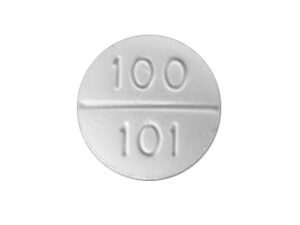
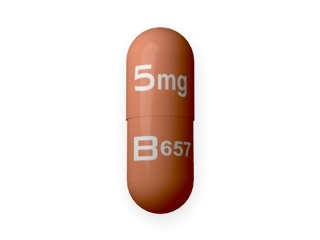
| Common forms | Capsules (brand-specific strengths may vary); some patients may use other tacrolimus formulations as directed |
| How it works | Reduces immune activity to lower the risk of rejection |
| Monitoring | Blood trough levels (Tacrolimus “C0/Cmin”) are often monitored |
How Prograf works (mechanism of action)
Prograf contains tacrolimus, a calcineurin inhibitor. In the body, tacrolimus binds to an intracellular protein called FKBP-12. This complex then inhibits calcineurin, a key enzyme involved in activating T-lymphocytes (a type of white blood cell).
By blocking T-cell activation, Prograf reduces immune responses that would otherwise attack a transplanted organ. In some immune-mediated diseases, this same immune suppression can help control harmful inflammation.
What the medicine is used for (indications)
Prograf is used to prevent and treat immune rejection in patients who have received certain transplants, and it may be used for specific immune conditions under specialist care. Your exact indication and goal (prevention vs treatment) will determine your dose and monitoring schedule.
Common transplant-related uses
- Prevention of organ rejection in transplant recipients, typically used alongside other immunosuppressive medicines (for example, corticosteroids and/or antimetabolites).
- Treatment of rejection in some situations, as guided by transplant specialists.
Other specialist indications
Depending on local practice and individual patient factors, tacrolimus may be considered for certain immune-mediated conditions. Always confirm your specific indication with your treating team.
Pharmacokinetics (how the body processes tacrolimus)
Understanding pharmacokinetics helps explain why tacrolimus requires monitoring and consistent dosing habits.
- Absorption: Tacrolimus is absorbed through the gut. Absorption can vary between individuals and may change with food and other medicines.
- Distribution: Tacrolimus distributes into tissues and is strongly bound to blood proteins.
- Metabolism: It is extensively metabolised, primarily by liver enzymes (notably CYP3A4).
- Elimination: Tacrolimus is cleared mainly via metabolic pathways, with metabolites eliminated through the bile and faeces.
- Half-life: The effective half-life in practice is variable; clinical dosing is guided more reliably by blood trough levels than by simple time intervals alone.
Why trough levels matter: Too little tacrolimus may increase the risk of rejection, while too much increases the risk of toxicity (for example, kidney or nerve effects). That’s why blood tests are commonly used to keep levels within a target range for your condition and time since transplant.
Typical timing and how to take Prograf
Prograf is usually taken twice daily (morning and evening), but the exact schedule can vary based on your regimen and tacrolimus product presentation.
General timing principles
- Take at the same times each day to maintain steady drug levels.
- Try not to miss doses. If you miss a dose, follow the instructions provided with your medicine or by your healthcare professional.
- For blood tests: Trough levels are usually measured right before your next dose. Your clinic will specify timing for the blood draw.
- Consistency matters: Switching meal patterns, skipping meals, or changing brands/formulations can alter absorption.
With or without food?
Tacrolimus absorption can be affected by food. Some patients are advised to take tacrolimus in a consistent relationship to meals—for example, always with food or always on an empty stomach—so the absorption pattern stays predictable.
Food interactions and dietary considerations
Food can influence tacrolimus absorption. In particular, changes in meal timing or types of foods may affect blood levels.
- General guidance: Take Prograf the way your prescribing clinician instructed—either consistently with meals or consistently away from meals.
- Grapefruit and grapefruit products: These may increase tacrolimus levels in some people by affecting drug-metabolising enzymes. Many clinicians advise avoiding grapefruit.
- Alcohol intake with meals: Alcohol itself does not always have a predictable effect on tacrolimus levels, but it may worsen side effects and interacts with other medications. See the alcohol section below.
If you have specific dietary restrictions (for example, for kidney health or transplant nutrition plans), discuss them with your healthcare team.
Alcohol interactions
There is no single “safe amount” of alcohol that fits every person taking tacrolimus. Alcohol can increase the risk of side effects and can worsen dehydration or liver strain, which may be relevant because tacrolimus is processed by the liver.
- Consider limiting alcohol and discuss your target amount with your clinician.
- Avoid binge drinking, which may increase toxicity risk.
- Be cautious if you take other medicines that affect the liver or cause drowsiness.
Medicine interactions (important)
Tacrolimus interacts with a range of medicines because its metabolism involves liver enzymes (especially CYP3A4) and transport proteins. Some interactions can significantly increase tacrolimus blood levels (raising toxicity risk), while others can lower levels (increasing rejection risk).
Tell your healthcare professional about all medicines you use, including:
- Prescription medicines
- Over-the-counter medicines (including cold/flu products)
- Herbal products and supplements (for example, St John’s wort)
Examples of interactions to be aware of
- Antifungal medicines (can raise tacrolimus levels): examples include azole antifungals such as fluconazole or itraconazole (specific medicines may vary).
- Antibiotics (some may raise levels; others may lower levels): certain macrolides can increase tacrolimus exposure.
- Antivirals used for HIV or hepatitis may interact via enzyme pathways.
- Seizure medicines (often lower tacrolimus levels): some enzyme-inducing anticonvulsants can reduce exposure.
- Other immunosuppressants: combining agents may increase risks such as infection or changes in kidney function, requiring closer monitoring.
- Medicines that affect kidney function: because tacrolimus can affect kidneys, combining with other nephrotoxic drugs needs careful review.
Herbal/supplement caution: Products like St John’s wort can reduce tacrolimus levels. Always check supplements before use.
Dosing: what to expect
Dosing of Prograf is highly individual. It depends on your transplant type, time since transplant, other medications, and your measured blood trough levels.
Initial dosing and titration
- Your prescriber typically starts with a starting dose based on clinical protocols and patient factors.
- Your team will then adjust the dose based on your tacrolimus blood level and side effects.
- Dose changes often occur after interpreting multiple blood results.
How trough levels guide dose adjustments
Your healthcare team sets target ranges (which can change over time). Tacrolimus dosing aims to balance:
- Prevention of rejection (adequate exposure)
- Minimisation of toxicity (avoid excessive exposure)
Missed dose guidance
If you miss a dose:
- Follow the instructions on your medicine packaging or from your healthcare professional.
- In general, do not double a dose unless your clinician advises it.
- Because tacrolimus has a narrow therapeutic window, contact your transplant team or pharmacist for specific advice if you’re unsure.
Safety profile: common and serious side effects
Tacrolimus can cause side effects. Many are dose-related and can be reduced by careful monitoring and dose adjustment. However, some risks require prompt medical attention.
Common side effects
- Tremor or headache
- Gastrointestinal symptoms such as nausea, diarrhoea, or constipation
- Changes in kidney function (elevated creatinine) in some patients
- Metabolic changes such as elevated blood glucose
- Electrolyte abnormalities (for example, potassium or magnesium changes)
Serious risks (seek urgent medical advice if these occur)
- Signs of infection: fever, persistent sore throat, unexplained fatigue, shortness of breath, or unusual symptoms (immunosuppression increases infection risk).
- Serious kidney problems: reduced urine output, swelling, or sudden weight gain.
- Neurological symptoms: confusion, severe dizziness, seizures, or severe weakness.
- High potassium or electrolyte disturbances: muscle weakness, abnormal heart rhythm symptoms, or severe fatigue.
- Allergic reaction: rash, swelling of the face/lips, or trouble breathing.
Long-term considerations
- Increased risk of certain cancers and skin cancers has been associated with long-term immunosuppression. Sun protection and regular skin checks are often recommended.
- Vaccination planning: some vaccines may not be suitable during immunosuppression. Discuss with your transplant team.
Important: Always report new symptoms promptly, and keep scheduled blood tests and clinic visits.
Practical use tips for everyday life
- Keep a consistent routine: take Prograf at the same times each day.
- Use the same relationship to meals: if your team advises taking with food (or on an empty stomach), keep it consistent.
- Do not switch formulations without advice: different tacrolimus products may not be directly interchangeable. Ask your pharmacist if you are unsure.
- Plan around blood tests: arrange your morning routine so the blood sample is taken at the correct time relative to your dose.
- Check your “other meds” list: before starting any new medicine, even over-the-counter products, ask your pharmacist about interactions.
- Be careful with supplements: herbal products can alter tacrolimus levels.
- Stay hydrated and follow kidney-related advice from your clinician (especially during illness).
- Prevent infections: practice good hand hygiene and avoid close contact with people who are unwell.
- Sun safety: use sunscreen, protective clothing, and avoid excessive sun exposure.
Alternative options (other immunosuppressant strategies)
Some patients may be treated with other immunosuppressive medicines depending on their condition, organ type, history, and tolerability. Alternatives include:
Other calcineurin inhibitors
- Cyclosporin (another calcineurin inhibitor)
Other immunosuppressants used in combination
- Antimetabolites (for example, mycophenolate or azathioprine)
- Corticosteroids
- mTOR inhibitors (used in selected cases)
- Biologic agents in specific situations
Brand/formulation switching: If your healthcare team recommends a change, switching should be planned with appropriate blood-level monitoring.
Prograf and the Australian market / legal context
In Australia, medicines containing tacrolimus are regulated under the Therapeutic Goods Act 1989 and the TGA (Therapeutic Goods Administration) framework. Tacrolimus products are made available according to local prescribing and dispensing requirements for safety, monitoring, and appropriate use.
Because tacrolimus requires monitoring and has significant interaction potential, Australian pharmacies typically focus on safe dispensing practices, patient counselling, and ensuring you receive the correct product and strength.
Formulation matters: Australian availability may include multiple tacrolimus formulations and strengths. Your clinician will specify the product and dosing schedule that best suits your situation.
Recent guidance and monitoring focus
While specific recommendations vary by transplant program and individual risk profile, Australian and international practice typically emphasises:
- Regular tacrolimus blood monitoring (often trough levels) to guide dose adjustments.
- Care with medicine interactions, including antibiotics, antifungals, antivirals, seizure medicines, and herbal products.
- Consistency in dosing and timing, including meal consistency where advised.
- Ongoing kidney function and metabolic monitoring (creatinine, electrolytes, glucose, blood pressure).
- Infection prevention strategies due to immunosuppression.
If you are part of a transplant follow-up program, ask your team about their specific schedule for blood tests and what target tacrolimus range they are aiming for.
Delivery, availability, and ordering (Australia)
Prograf availability depends on the product formulation and strength. Online pharmacy services in Australia typically provide:
- Product availability checking before dispatch
- Secure packaging to protect tablets/capsules from heat and damage
- Tracking for many delivery options
- Pharmacist review for safety checks and interaction screening
Delivery timeframes: These vary by location and supplier stock status. Your pharmacy platform should display expected dispatch/delivery estimates at checkout.
Cold chain: Tacrolimus capsule storage generally does not require refrigeration unless specifically stated for your product. Store as directed on the pack.
Storage tips:
- Keep capsules in the original packaging.
- Store at the temperature stated on the label.
- Keep out of reach of children.
FAQ (Frequently asked questions)
1) Why do I need blood tests while taking Prograf?
Tacrolimus levels must be kept within a target range. Blood tests (often trough levels, measured just before your next dose) help your team adjust your dose to reduce rejection risk and limit toxicity.
2) Can I take Prograf with food?
Food can affect absorption. Many patients are advised to take tacrolimus consistently either with meals or without meals. Follow the instructions given to you by your healthcare professional.
3) What should I do if I miss a dose?
Do not double up unless your clinician or the medicine instructions tell you to. Contact your pharmacist or transplant clinic for advice, especially if you miss more than one dose.
4) Are there foods or drinks I should avoid?
Grapefruit products are commonly avoided because they may increase tacrolimus exposure. Also keep your meal pattern consistent to prevent changes in blood levels.
5) Can I drink alcohol while on Prograf?
Alcohol may increase the risk of side effects and could affect organs such as the liver or kidneys, particularly in combination with other medicines. Ask your doctor for personalised guidance on safe intake.
6) What medicines interact with Prograf?
Many medicines can interact with tacrolimus, including certain antifungals, antibiotics, antivirals, seizure medicines, and herbal products like St John’s wort. Always check with your pharmacist before starting new medicines.
7) Is Prograf the same as other tacrolimus products?
Different tacrolimus formulations may not be directly interchangeable. If you are switched to a different brand or formulation, your prescriber may require additional blood-level monitoring to maintain safe exposure.
8) What symptoms suggest I should seek urgent help?
Seek urgent medical attention for signs of serious infection (high fever, trouble breathing), severe weakness or confusion, seizures, significant changes in urination, or symptoms of an allergic reaction.
9) How long will I need to take Prograf?
For transplant recipients, tacrolimus is often used long-term, but duration and dose may change over time based on stability, side effects, and specialist targets.
10) Can I stop Prograf if I feel well?
No—stopping or reducing tacrolimus without guidance can increase the risk of organ rejection. Any changes must be directed by your healthcare team.
Need more help?
If you have questions about how to take Prograf, interactions with your other medicines, or your monitoring schedule, speak with your pharmacist or specialist team. They can tailor guidance to your transplant type, blood test results, and overall health profile.