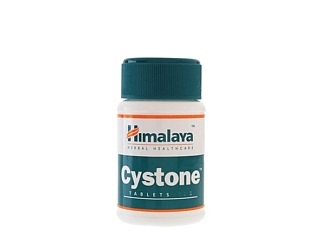
CyStone (Cystone) – Patient-Friendly Guide (Australia)
CyStone (often written as “Cystone”) is a complementary herbal medicine used to support urinary tract health and, in some circumstances, to help manage conditions related to bladder stones and urinary symptoms. This guide explains how it works, how it is typically taken, what to expect, and important safety considerations for customers in Australia.
Note: Brand names and formulations can vary by supplier and country. Always check the specific product label for the exact ingredients, strength and directions for use.
Quick product overview
| Category | Details |
|---|---|
| Medicine type | Herbal/complementary urinary tract support product (formulation varies) |
| Main purpose | Supports urinary tract function; may help with symptoms associated with stones or urinary issues |
| Common forms | Tablets (varies by brand/pack) |
| Where it’s used | Australia (availability depends on listing and stock) |
| Typical duration | Often taken over weeks for urinary support; follow label guidance and clinician advice if applicable |
| Who should be cautious | People with kidney disease, pregnancy/breastfeeding, those on multiple medicines, and anyone with persistent/worsening symptoms |
What is CyStone?
CyStone is a traditional-style urinary health product that contains herbal ingredients commonly used in formulations aimed at:
- Supporting urinary comfort
- Helping maintain urinary flow
- Providing support for people dealing with bladder stones or stone-related discomfort
Many versions of Cystone/CyStone products contain a blend of plant extracts and minerals. The precise ingredient list can differ between manufacturers and markets. Before taking, please verify your pack’s active ingredients and directions on the label.
How it works: mechanism of action
The exact mechanism can vary by formulation, but urinary stone and urinary symptom support products are generally designed to act through a combination of the following pathways (as suggested by traditional use and available product information):
- Urinary environment support: Some herbal components are used to help create a urinary environment that may be less favourable to stone formation.
- Anti-crystallisation support: Certain ingredients are traditionally used with the goal of reducing crystal aggregation, which may contribute to stone growth.
- Soothing urinary symptoms: The product may be taken to help ease discomfort during urination and support overall bladder comfort.
- Diuretic-style support (gentle): Some herbal ingredients are associated with increased urine output to support flushing of the urinary tract. (Effects can be mild and individual.)
If you are taking CyStone as part of a stone-related plan, remember that urinary stones can have different causes and sizes. CyStone may be used for supportive care alongside standard evaluation and management.
Pharmacokinetics (how the body processes it)
Because CyStone is a herbal/complementary product, detailed pharmacokinetic data (absorption, distribution, metabolism, and excretion) may not be as extensively characterised as with prescription medicines.
In general terms, herbal components may include plant-derived compounds that:
- Are absorbed to varying degrees through the gastrointestinal tract
- Undergo metabolism by liver enzymes and gut microflora
- Are excreted in urine and/or bile, with metabolites contributing to overall activity
Practical takeaway: Expect effects, if any, to build gradually. If symptoms persist, worsen, or recur, reassessment is important.
Typical use and indications (what it’s commonly used for)
CyStone is commonly used to support urinary tract health, including situations where people experience:
- Urinary discomfort related to bladder stones
- Recurrent stone tendencies (as a supportive measure)
- Symptoms such as burning or discomfort during urination, when linked to urinary stone issues
- General urinary tract support as directed on the label
Important: Urinary symptoms can also be caused by infections, kidney problems, prostate conditions, or other medical conditions. If you suspect a urinary tract infection (UTI) or there are red flags (below), seek medical advice promptly.
When to take CyStone: timing and routine
Most Cystone/CyStone tablet regimens are taken multiple times per day. Always follow your product label for exact frequency and duration.
General timing guidance
- Consistency helps: Take doses at roughly the same times each day.
- Separate from other oral products if advised: If you’re taking other supplements or medicines, consider spacing by a few hours to reduce stomach upset and help you keep track of what you took.
- Give it time: Support products are usually not immediate relief treatments. If symptoms do not improve within several days, discuss with a healthcare professional.
How long to use
Duration can vary widely depending on the reason you’re taking it. For stone-related support, many people use it for extended periods. Your clinician (where involved) and the product label can guide how long to continue.
Food interactions
Herbal products may interact with food by affecting absorption or by influencing stomach comfort. For CyStone specifically, typical guidance is:
- With or after food: Taking with a meal can reduce the risk of stomach upset for some people.
- Avoid large timing gaps: If you notice nausea or indigestion, try shifting doses to after meals.
- Hydration matters: Staying well-hydrated supports urinary flushing and may improve comfort during urinary issues.
If your pack includes specific instructions (e.g., take after meals), follow those exactly.
Alcohol and medicine interactions
There is limited published interaction information for all herbal components found in CyStone formulations. As a general safety principle:
- Alcohol can worsen dehydration: Alcohol may increase dehydration risk, which can affect urinary comfort.
- Alcohol may irritate the bladder in some people: This can mimic or worsen urinary discomfort.
- General medicine interactions: If you take other medicines (including diuretics, anticoagulants, diabetes medicines, or immunosuppressants), check for supplement-herb interaction potential with a pharmacist.
Practical advice: Limit alcohol while you’re dealing with urinary symptoms, and drink water regularly. If you experience dizziness, stomach upset, or worsening symptoms after alcohol, stop and seek advice.
Dosing: how to take CyStone safely
Dosing depends on the exact product strength and your situation. Always use the dose printed on your package. Below is general guidance for “typical use” patterns seen with many CyStone tablet products; confirm your pack directions.
Typical adult dosing patterns (label-dependent)
- Common frequency: Often 2–3 times daily for adult urinary support
- With meals: Many users take tablets with or after food to reduce stomach irritation
- Duration: May be continued for weeks depending on the goal of use
Children: If the product is not clearly labelled for children, do not give it to children without professional advice.
Missed dose
- If you miss a dose, take it when you remember unless it’s close to the next dose.
- Do not take a double dose to make up for a missed one.
Overdose
If you accidentally take more than the recommended dose, contact Poison Information or a healthcare professional immediately. In Australia, you can call 1300 764 766 (Poisons Information Centre) for advice.
Safety profile: who should be careful and possible side effects
CyStone is generally well tolerated by many people when taken as directed. However, herbal products can still cause side effects or interact with certain conditions and medicines.
Common side effects (possible)
- Mild gastrointestinal upset (e.g., nausea, stomach discomfort)
- Loose stools or changes in bowel habits
- Headache or dizziness in a small number of people
These effects are usually mild. If they persist or become severe, stop using the product and seek advice.
Serious or allergic reactions (seek urgent help)
Stop taking CyStone and seek urgent medical attention if you experience:
- Swelling of the face, lips, tongue, or throat
- Difficulty breathing or wheezing
- Widespread rash, hives, or severe itching
- Severe abdominal pain or persistent vomiting
Who should use extra caution
- People with kidney disease or reduced kidney function: Stone-related symptoms can reflect kidney problems; talk to a clinician.
- Pregnancy or breastfeeding: Avoid unless a healthcare professional has said it is safe for your situation.
- People with a history of recurring kidney stones: Stone type varies; ongoing management may require tests and tailored care.
- People taking multiple medicines: Herbal ingredients can sometimes interact with drugs metabolised by the liver or affect bleeding, blood sugar, or fluid balance.
- Those with autoimmune or immune-related conditions: Discuss with a pharmacist or doctor before starting any herbal product.
When to stop and get medical advice
Seek medical assessment promptly if you have:
- Fever, chills, or feeling unwell
- Back or flank pain (side/back pain)
- Blood in urine
- Severe or worsening pain during urination
- Symptoms lasting more than 48–72 hours without improvement
- Recurrent urinary infections
Practical use tips for the best outcome
- Stay well hydrated: Aim for regular water intake unless you’ve been restricted for medical reasons.
- Don’t ignore red flags: Stones and UTIs can overlap in symptoms; fever or severe pain is a reason to seek care.
- Track symptoms: Note urinary discomfort, frequency, and any changes after starting CyStone.
- Maintain regular bathroom habits: Don’t “hold on” for long periods.
- Consider dietary support: For some stone types, reducing salt and certain dietary triggers can help—ask for guidance based on your stone history.
- Check interactions: If you’re on medicines for blood thinning, diabetes, gout, or diuretics, ask a pharmacist for a compatibility check.
Alternative options (depending on your goal)
“Urinary stone support” and “urinary discomfort relief” may require different approaches. Depending on the cause of symptoms, alternatives can include:
Non-medicine measures
- Hydration and regular urination (general supportive care)
- Warm fluids or gentle comfort measures for urinary discomfort
- Dietary adjustments based on stone type (e.g., salt reduction for many people)
Complementary and pharmacy options
- Other urinary support supplements (cranberry-based products are commonly used for UTI prevention support, though evidence varies)
- Herbal urinary formulas with different ingredient blends (always compare label directions and ingredient lists)
Medical assessment when appropriate
If stones are suspected or confirmed, it may be important to obtain imaging or urine tests to identify stone type and rule out infection. Management plans can include targeted therapies or procedures depending on stone size and location.
CyStone in the Australian market: regulatory and legal context
In Australia, products for urinary health are regulated under different frameworks depending on whether they are classified as:
- Complementary medicines (often in the ARTG system)
- Listed products or registered products with specific claims and evidence requirements
- Medicines under standard medicine regulation (less common for purely herbal stone support products)
What a product can claim on its packaging and online listing depends on its regulatory status and the permissions granted. Reputable sellers provide accurate ingredient information, directions for use, warnings, and availability in line with Australian requirements.
Recent guidance (general trends)
Australia continues to emphasise:
- Clear directions for use and consumer safety information for complementary medicines
- Evidence-based claims and appropriate wording
- Pharmacist involvement where interactions or risk factors exist
- Prompt assessment of red-flag urinary symptoms to rule out infection or serious kidney issues
Product-specific approvals can change over time. Always check the current label and listing.
Delivery and availability in Australia
Availability can depend on stock levels and the supplier’s distribution schedule. When ordering online:
- Dispatch times: may vary by day of week and location.
- Shipping: typically available across Australia; delivery timeframes depend on carrier service levels.
- Packaging: products should arrive in original packaging with readable expiry dates and directions.
- Cold-chain: usually not required for tablet herbal products, but always follow product label storage conditions.
If you need your order urgently or require confirmation of current stock, you can contact customer support before purchasing.
FAQ: CyStone (Cystone) in Australia
1) Is CyStone the same as Cystone?
They are often used interchangeably in everyday language. However, spelling and branding can vary. Always confirm the exact product name and ingredients on the label you receive.
2) How soon might I notice benefits?
Many urinary support products are not immediate. Some people notice comfort changes within a few days, while others require longer consistent use. If there’s no improvement within several days, or symptoms worsen, seek advice.
3) Can CyStone be taken with other supplements?
Sometimes yes, but it depends on what else you take. Herbal products can overlap with other ingredients. For safety, review all active ingredients with a pharmacist—especially if you take medications or have kidney problems.
4) Does CyStone treat a urinary tract infection?
Urinary tract infections typically require appropriate medical management. CyStone may support urinary comfort, but it may not treat an infection. If you have fever, burning urination, urgency, or cloudy/foul-smelling urine, consult a healthcare professional promptly.
5) What should I do if I miss a dose?
Take the missed dose when you remember unless it’s almost time for the next dose. Do not double up.
6) Can I drink alcohol while using CyStone?
It’s best to limit alcohol, as alcohol can increase dehydration risk and potentially worsen urinary discomfort. If you drink, ensure good hydration and stop if you notice worsening symptoms or side effects.
7) Who should avoid CyStone?
People who are pregnant or breastfeeding, have significant kidney disease, or have a history of allergies to components of the product should use extra caution and check with a pharmacist or healthcare professional first.
8) Are there any food interactions I should know about?
Taking with or after food can reduce stomach upset for many people. Follow the label’s guidance for your specific product. Staying well hydrated supports urinary health.
9) What are the warning signs that mean I should get medical help?
Seek urgent care for fever/chills, severe back or flank pain, blood in urine, persistent vomiting, or symptoms that rapidly worsen. If symptoms last more than 48–72 hours without improvement, seek advice.
10) Can CyStone prevent stones?
CyStone may be used as a supportive measure in people with stone tendencies, but prevention depends strongly on the type of stone and the underlying cause. If you’ve had stones before, consider discussing long-term prevention strategies with a clinician.
Customer checklist before you buy
- Check the product label for the exact ingredient list and strength.
- Confirm the dosing instructions on your specific pack.
- Review your current medicines and supplements for possible interaction risk—especially if you have kidney concerns.
- Ensure you know the expiry date and storage requirements.
- If you have red-flag symptoms, seek medical advice rather than relying on a supportive product alone.
Always read the label. If symptoms are persistent, severe, or associated with fever or blood in urine, professional medical advice is recommended. For personalised guidance, speak to a pharmacist.