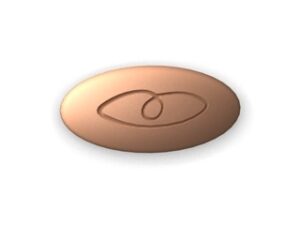
Triamcinolone (Corticosteroid) – Patient Guide (Australia)
Triamcinolone is a corticosteroid medicine used to reduce inflammation and relieve symptoms caused by immune and allergic conditions. It works by calming overactive inflammatory processes in the body.
This guide is written to help you understand what triamcinolone does, how it works, what it’s used for, and how to use it safely. Always follow the instructions on your medicine label and any advice from your healthcare professional.
Basic Product Information
- Generic name: Triamcinolone
- Medicine type: Corticosteroid (anti-inflammatory, anti-allergy, immunosuppressive)
- Common forms (may vary by brand):
- Cream/ointment (topical)
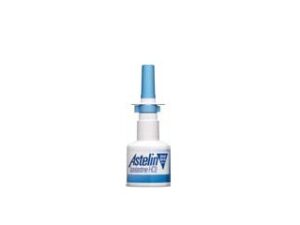
- Nasal spray (intranasal)
- Injection (for selected specialist indications)
- Therapeutic uses: Reducing inflammation, swelling, redness, itching, and immune-driven symptoms
- Key benefit: Helps improve comfort and function when inflammation is part of the condition
Note: Brand names and strengths differ across products available in Australia. Your exact dose and how often you use it depend on the formulation (cream vs nasal spray vs injection) and the condition being treated.
How Triamcinolone Works (Mechanism of Action)
Triamcinolone is a glucocorticoid. It influences the body’s immune response by:
- Suppressing inflammatory chemicals (such as cytokines and prostaglandins)
- Reducing immune cell activity that contributes to swelling and tissue irritation
- Stabilising cell responses that reduce allergic-type inflammation
This leads to reduced redness, itching, swelling, pain and improved airflow in conditions like allergic rhinitis (when using nasal formulations).
Pharmacokinetics (What the Body Does to the Medicine)
Pharmacokinetics describe how the body absorbs, distributes, metabolises, and excretes a medication.
- Absorption:
- Topical formulations: Absorption is generally lower than with oral or injected forms, but it can increase with use on larger areas, broken/irritated skin, tight dressings, or prolonged use.
- Intranasal formulations: Absorption is typically limited; a portion may be swallowed and then processed through the gut/liver.
- Injection: Absorption depends on the injection type and site.
- Distribution: Triamcinolone can bind to plasma proteins and distribute to tissues where its anti-inflammatory effects are needed.
- Metabolism: It is metabolised mainly in the liver (common for many corticosteroids).
- Elimination: Metabolites are eliminated primarily through the kidneys and partly via bile/faeces (varies by patient factors and formulation).
Why this matters: Even with local use (cream or nasal spray), long-term use or high-dose use can occasionally lead to systemic effects (whole-body steroid effects) in sensitive individuals.
Typical Uses and Indications (What It Treats)
Triamcinolone may be used for a variety of inflammatory and allergic conditions. Exact indications depend on the formulation.
Topical Triamcinolone (Cream/Ointment)
Common uses may include:
- Inflammatory skin conditions such as eczema or dermatitis (where a clinician advises steroid treatment)
- Allergic or contact reactions involving the skin
- Itching and redness related to inflammatory dermatoses
- Psoriasis in selected cases (depending on severity and clinician guidance)
Intranasal Triamcinolone (Nasal Spray)
Common uses may include:
- Allergic rhinitis (hay fever), including seasonal and perennial symptoms
- Management of nasal inflammation to reduce sneezing, itching, congestion, and runny nose
Injected Triamcinolone
Some injection uses (administered by healthcare professionals) may include:
- Severe inflammatory conditions where localised treatment is beneficial
- Specialist-guided musculoskeletal or joint inflammation in selected patients
Important: Injections require careful dosing and monitoring, and they are not self-administered.
When Will It Start Working? (Timing & Onset)
Timing depends on the form and the condition:
- Topical skin treatment: Some relief (less itching/redness) can occur within 1–3 days. Full benefit may take several days to 2–4 weeks depending on severity.
- Intranasal spray: Relief often begins within 12–48 hours, but best effect is typically achieved after several days of regular use.
- Injected forms: Onset can be relatively rapid, but the exact timeline varies by condition and injection technique.
Tip: For nasal sprays, using consistently (not “only when symptoms are bad”) usually gives better control of inflammation.
Food Interactions
Triamcinolone has limited direct food interactions for topical and intranasal use. If you are using a non-oral formulation, food is generally not a concern.
If you are using an oral corticosteroid (which is not the focus of many triamcinolone products), food interactions can be different. For triamcinolone specifically:
- Topical: No significant food interactions are expected.
- Intranasal: If some medicine is swallowed, it is usually processed in the gastrointestinal tract; food generally does not meaningfully affect the effect.
- Injection: Food is not typically relevant.
Still: If you have been told to use a particular schedule (for example, to minimise side effects), follow that advice. If you’re unsure, ask a pharmacist.
Alcohol and Medicine Interactions
Alcohol: There is no single “universal” rule for triamcinolone and alcohol for topical or nasal use. However, corticosteroids can affect the body’s metabolism and immune responses. With long-term or high-dose systemic exposure, alcohol may increase the risk of side effects such as stomach irritation or mood changes (depending on overall treatment).
Practical approach:
- If you are using topical or intranasal triamcinolone, moderate alcohol is usually not a major issue for most people, but avoid excess.
- If you are using frequent high-dose treatment, or have been given a course long enough to raise concerns about systemic effects, discuss alcohol with your clinician.
Medicine interactions: Corticosteroids may interact with other medicines. Key interaction possibilities include:
- Other corticosteroids (risk of additive steroid effects)
- Immunosuppressive medicines (increased infection risk)
- Some antibiotics/antifungals that influence liver enzymes (may alter steroid levels in systemic exposure)
- Anticonvulsants that affect metabolism (may reduce steroid effects if systemic exposure occurs)
- Blood sugar–affecting treatments (steroids can raise blood glucose in some people, particularly with systemic exposure)
- Diuretics or medicines affecting potassium (risk of electrolyte changes is more relevant with systemic steroids)
Because formulation matters: interactions are more likely with systemic steroid exposure. If you’re taking other medicines, check with a pharmacist—especially if you have diabetes, infections, or are using other steroid products (including inhalers and tablets).
Dosing and How to Use Triamcinolone Safely
Important: Dosing varies by formulation and your condition. Use only the strength and regimen described for your specific product and situation.
General Dosing Principles
- Use the smallest effective amount for the shortest time needed to control symptoms.
- Do not stop abruptly after long-term or high-dose use of systemic steroids. Local (topical/nasal) regimens often do not require tapering, but follow your clinician’s plan.
- Check the product strength (e.g., % for creams/ointments, micrograms per spray for nasal sprays) before applying.
Topical Cream/Ointment – Typical Use
Common instructions for topical steroid creams/ointments include:
- Apply a thin layer to the affected skin area.
- Use as directed (often once or twice daily for limited periods, depending on strength and condition).
- Avoid eyes, lips, and genitals unless specifically directed.
- Wash hands before and after application (unless the hands are the treated area).
- Stop and seek advice if skin worsens, spreads quickly, or shows signs of infection.
Practical timing example: Many people apply in the morning and evening. You can choose a routine that fits your day, keeping consistent intervals.
Intranasal Spray – Typical Use
For allergic rhinitis, intranasal steroid sprays usually require regular use:
- Shake the bottle (if required by the product instructions).
- Use the correct technique to avoid medicine going into the throat.
- Typically, the spray is used once or twice daily depending on strength and patient needs.
- Clear your nose gently before use.
Practical timing example: A morning dose is common for allergy symptoms. If prescribed twice daily, take the second dose in the evening.
Injection – Only by Healthcare Professionals
Injection dosing is highly individual. It depends on the condition, injection site, and intended effect.
- Administration should be performed by trained professionals.
- Follow follow-up schedules and monitor for side effects.
Safety Profile: Side Effects and When to Seek Help
Triamcinolone is generally well-tolerated when used correctly. Side effects depend on the formulation and duration.
Common Side Effects (More Likely with Topical Use)
- Skin irritation, burning, or stinging at the application site
- Dryness or changes in skin appearance
- Temporary thinning of skin with prolonged or heavy use
- Stretch marks (especially with long-term use)
Common Side Effects (More Likely with Nasal Use)
- Nose dryness
- Nosebleeds (epistaxis)
- Sore throat or hoarseness
- Headache in some people
Serious Side Effects (Seek Medical Advice Promptly)
Seek advice urgently if you experience:
- Signs of infection in treated areas (spreading redness, warmth, pus, fever)
- Worsening symptoms despite correct use
- Severe allergic reaction (swelling of face/lips, difficulty breathing)
- Persistent or severe nosebleeds with nasal sprays
Systemic Effects (Usually Less Common with Topical/Nasal, More Relevant with Higher Exposure)
With higher doses or long-term use, corticosteroids can potentially cause whole-body effects, such as:
- Increased blood sugar
- Changes in mood or sleep
- Fluid retention
- Adrenal suppression (more relevant with systemic steroid exposure)
- Increased susceptibility to infections
When to be extra careful: If you have diabetes, glaucoma, cataracts, frequent infections, tuberculosis, or you’re immunocompromised, discuss use with a clinician/pharmacist.
Practical Use Tips (Getting the Best Results)
Topical Tips
- Apply only to affected areas—avoid unnecessary coverage of unaffected skin.
- Don’t use on broken skin unless your clinician told you to.
- Be cautious with occlusion: tight bandages or frequent covering may increase absorption.
- Use for the recommended course. If symptoms return quickly, you may need an assessment of the underlying cause.
- Wash hands to prevent accidental transfer to eyes or face.
Nasal Spray Tips
- Correct technique helps reduce nosebleeds and improves delivery to the nasal lining.
- Gentle nose care: avoid vigorous blowing immediately after spraying.
- Be consistent: steroids work by reducing inflammation; they are not instant decongestants.
- Check your spray: If the spray seems blocked or inconsistent, follow the product’s cleaning instructions.
Alternative Options for Inflammation and Allergy
Depending on the condition and severity, alternative treatments may include:
- Other corticosteroids (different strengths or formulations, including fluticasone and mometasone for nasal symptoms)
- Non-steroidal anti-inflammatory options for certain conditions
- Antihistamines (oral or nasal) for allergic rhinitis symptoms, especially sneezing and itching
- Barrier treatments for some skin conditions (emollients/moisturisers)
- Calcineurin inhibitors (for selected inflammatory skin disorders, depending on clinician advice)
Choosing an alternative: The best option depends on your diagnosis, affected area, symptom pattern, and your risk factors. Ask a pharmacist about suitability.
Market & Legal Context in Australia (What You Should Know)
In Australia, medicines including corticosteroids are regulated under the Therapeutic Goods Administration (TGA) framework. Availability and prescribing requirements vary depending on:
- Whether the product is listed or registered on the ARTG (Australian Register of Therapeutic Goods)
- The formulation and strength
- Whether it is supplied under general distribution categories (for some milder/low-strength products) or requires professional oversight for higher-strength or higher-risk uses
Important: Access pathways can differ between brands and strengths. A pharmacy can help you check what’s available for your specific product and how it should be used.
Recent Guidance and Evidence-Based Considerations
While guidance can vary by condition and by clinical guidelines, recent best-practice themes for corticosteroid use include:
- Use the lowest effective dose and review treatment regularly.
- For allergic rhinitis: intranasal corticosteroids are often considered first-line for persistent moderate-to-severe symptoms when used correctly.
- For skin inflammation: limit duration for topical steroid courses and reassess if symptoms do not improve.
- Infection precautions: avoid steroid use in certain untreated infections; seek advice if infection is suspected.
Because recommendations evolve, it’s reasonable to ask a pharmacist or clinician for up-to-date advice relevant to your specific condition and product strength.
Delivery and Availability (Australia)
Triamcinolone-containing products may be available through Australian pharmacies depending on the formulation and strength. Availability can also vary by brand and supplier.
Online pharmacy delivery considerations:
- Dispatch times: Often depend on stock availability and supplier schedules.
- Delivery services: Commonly include standard and express options across metro and regional areas.
- Packaging: Medications are typically packed to protect labels and prevent leakage (especially for topical products).
What to expect: After ordering, you will receive confirmation and tracking information (where available). Some products may require additional checks before dispatch depending on local regulations and product category.
FAQ: Triamcinolone
1) What is triamcinolone used for?
Triamcinolone is used to reduce inflammation and relieve symptoms of immune- and allergy-related conditions. It may be used as a topical cream/ointment for certain skin inflammatory problems, or as an intranasal spray for allergic rhinitis. Injected forms are used in specialist settings for selected conditions.
2) Is triamcinolone a steroid?
Yes. Triamcinolone is a corticosteroid, which works by reducing inflammation and calming immune responses.
3) How quickly will I feel better?
Topical relief can start within a few days. Nasal spray relief often begins within 1–2 days but improves over several days with regular use. Injections may act faster, depending on the situation.
4) Can I use triamcinolone if I have an infection?
Be cautious. Steroids can sometimes worsen or mask infections. If you suspect infection (for example, spreading redness, pus, fever, or worsening pain), seek medical/pharmacy advice before continuing.
5) Will triamcinolone thin my skin?
Skin thinning is a known risk with prolonged or heavy topical steroid use. Using the lowest effective amount and limiting treatment duration reduces the risk.
6) Does triamcinolone interact with other medicines?
It can. Interactions are more likely with systemic steroid exposure, but it’s still important to tell your pharmacist about all medicines you take (including other steroid products such as asthma inhalers).
7) Can I drink alcohol while using triamcinolone?
For topical or nasal use, moderate alcohol is usually not a major issue for most people, but avoid excess. If you’re using high-dose or long-term treatment, discuss alcohol with a clinician.
8) Should I stop triamcinolone suddenly?
Topical or nasal courses are often stopped after the recommended period. However, if you have been using systemic steroids for a long time, stopping abruptly can be unsafe. Follow your healthcare plan.
9) What should I do if I miss a dose?
For nasal spray: use it when you remember unless it’s close to the next dose. Don’t double up. For topical: continue with your usual schedule unless your product instructions say otherwise. If unsure, ask a pharmacist.
10) Are there long-term risks?
Long-term risks depend on dose and formulation. Risks can include local skin changes, nose irritation, and (with higher systemic exposure) whole-body steroid effects. Regular review and correct use help minimise risk.
Product Safety Checklist (Quick Reference)
- Use only on the affected area and as directed
- Wash hands after applying topical products
- Avoid eyes and contact with sensitive areas unless instructed
- Stop and seek advice if symptoms worsen or you suspect infection
- Keep track of treatment duration and request review if not improving
| Topic | What to Remember |
|---|---|
| Best for | Inflammation and immune-driven symptoms (skin inflammation, allergic rhinitis) |
| Onset | Topical: days; Nasal: 1–2 days, best after several days |
| Food interactions | Usually minimal for topical/nasal use |
| Alcohol | Usually minimal for topical/nasal; avoid excess, discuss if long-term/high exposure |
| Key safety risk | Local irritation; longer use can cause skin thinning or persistent nose symptoms |
| When to seek help | Suspected infection, severe side effects, or no improvement |
Need help choosing or using triamcinolone? If you’re not sure which formulation is appropriate for your symptoms, or if you have questions about safe use and timing, a pharmacist can help.