
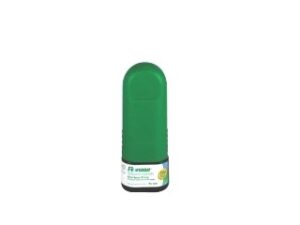
Fexofenadine (Antihistamine) — Patient Guide (Australia)
Fexofenadine is a non-drowsy (or minimally drowsy) antihistamine commonly used to relieve symptoms caused by allergies. It helps reduce itching, sneezing, runny nose (rhinitis), and hives (urticaria). This guide explains how it works, how it’s used, typical dosing, key safety considerations, and practical tips for allergy relief in Australia.
Basic product information
| Topic | Details |
|---|---|
| Generic name | Fexofenadine |
| Medicine type | Second-generation H1 antihistamine |
| Common strengths | Usually 30 mg or 120 mg tablets; some formulations may differ |
| Common uses | Allergic rhinitis (hay fever), chronic idiopathic urticaria (hives) |
| Typical onset | Often within ~1–2 hours (varies by person and formulation) |
| Duration | Often up to 24 hours for some once-daily dosing regimens |
| Availability | Widely available in Australia as an OTC product (brand and pack sizes vary) |
Note: Product strengths, instructions, and age-appropriate dosing can vary by brand and formulation. Always follow the directions on the pack or the instructions from your pharmacist.
How fexofenadine works (mechanism of action)
Fexofenadine blocks histamine H1 receptors in the body. Histamine is a chemical released during allergic reactions and is responsible for many typical symptoms, such as:
- Itching
- Sneezing
- Runny or blocked nose (rhinitis)
- Watery eyes
- Hives (itchy, raised welts on the skin)
Because fexofenadine is a second-generation antihistamine, it tends to cause less sedation than some older antihistamines. Individual sensitivity varies—some people still feel drowsy.
Pharmacokinetics (how the body handles it)
Understanding pharmacokinetics can help you get the best results from your dose.
- Absorption: Fexofenadine is absorbed from the gut, but absorption can be reduced by certain foods and drinks (especially fruit juices such as grapefruit and orange).
- Distribution: It has limited penetration into the brain compared with older antihistamines, which contributes to its lower likelihood of drowsiness.
- Metabolism: Fexofenadine is generally not extensively metabolised.
- Elimination: It is cleared from the body mainly via the kidneys and bile.
- Half-life: The biological half-life is typically around ~11–16 hours, which supports once- or twice-daily dosing depending on the formulation.
Practical implication: If you drink fruit juice or take interacting medicines, you may get less symptom relief because less fexofenadine reaches your bloodstream.
Typical uses in Australia
Fexofenadine is used to relieve symptoms associated with allergies and certain skin conditions.
Indications (what it is used for)
- Allergic rhinitis (including hay fever)
- Sneezing
- Itchy/watery eyes
- Runny or blocked nose
- Itching in the nose/palate
- Chronic idiopathic urticaria (hives)
- Itching
- Hives/welts
- Skin redness and irritation
Not for: Fexofenadine treats allergy symptoms. It does not “cure” allergies, and it may not be as effective for symptoms that are not histamine-driven (for example, structural nasal blockage). If your symptoms persist or worsen, speak with a pharmacist or doctor.
When and how to take it (timing and dosing)
The dosing below is general information commonly used for fexofenadine products in Australia. Always check your specific product label for exact dose, frequency, and age guidance.
Typical timing
- Best effect: Take it consistently during allergy seasons or when symptoms are expected.
- Onset: Many people notice improvement within 1–2 hours.
- Duration: Once-daily dosing can cover symptoms across the day for many users.
Adults (common patterns)
- 120 mg once daily for many allergic rhinitis and urticaria regimens (depending on brand and indication).
- Some products may use 60 mg or 180 mg once daily or 30 mg twice daily schedules—check your pack instructions.
Children
Children’s dosing depends on age and the specific strength/formulation available. Many fexofenadine products have age-based guidance.
- For children, use only the strength and age-appropriate dose indicated on the pack.
- If you’re unsure, ask a pharmacist—children’s dosing is not interchangeable between products.
Dosing tips
- Stay consistent: If your symptoms are predictable (e.g., seasonal hay fever), start before symptoms become severe when recommended by your healthcare professional.
- Don’t exceed the labeled dose: Taking extra doses increases the risk of side effects without necessarily improving results.
- Missed dose: Take it when you remember unless it’s near the next dose; then continue as normal.
Food interactions (including fruit juices)
Food can affect how much fexofenadine your body absorbs. The most important interaction involves fruit juices.
- Fruit juices (especially grapefruit and orange): can reduce absorption and make the medicine less effective.
- Water is best: take with a full glass of water.
- Timing from juice: if you drink juice, consider spacing your dose away from it (ask your pharmacist for personalised timing based on your product).
What about food generally? Most people can take fexofenadine with or without food, but absorption may vary. For best consistency, take it the same way each day.
Alcohol interactions
Fexofenadine is generally considered to have a low sedative effect, but alcohol may still increase drowsiness in some people.
- If you feel sleepy after taking fexofenadine, avoid alcohol until you know how you react.
- Even when not very sedating, alcohol can worsen dehydration and may affect sleep quality—both of which can make allergy symptoms feel worse.
Interactions with other medicines
Certain medicines can reduce fexofenadine absorption or increase risk of side effects. Always share a full list of your medicines with a pharmacist.
Common interaction considerations
- Antacids containing aluminium and magnesium: may reduce fexofenadine absorption. If you use antacids, separate dosing by several hours (ask your pharmacist for exact timing).
- Fruit juice (as above): can reduce effectiveness.
- Other antihistamines: avoid doubling up unless directed, because side effects may increase.
Kidney and liver considerations
- If you have kidney impairment, fexofenadine may remain in your system longer. Your pharmacist may recommend a different dose or frequency.
- Always seek advice if you have significant ongoing medical conditions.
Keep your list updated: Include over-the-counter medicines, vitamins, herbal products, and “natural” supplements when discussing interactions.
Safety profile (what to expect and when to get help)
Fexofenadine is generally well tolerated. However, like all medicines, it may cause side effects.
Common side effects
- Headache
- Nausea or mild stomach discomfort
- Dizziness (uncommon)
- Dry mouth (less common)
Less common but important reactions
Seek urgent medical help if you develop signs of a serious allergic reaction, such as:
- Swelling of the face, lips, tongue, or throat
- Difficulty breathing or wheezing
- Severe rash, hives with faintness, or widespread skin swelling
When to speak to a pharmacist/doctor promptly
- Symptoms do not improve after several days of correct use
- You need antihistamines for long periods without a clear plan
- You experience bothersome drowsiness or impaired concentration
- You have kidney disease or are elderly/frail and unsure about dosing
Driving and operating machinery
Many people can drive and operate machinery while taking fexofenadine because it is less sedating than older antihistamines. Still, you should:
- Take note of how the medicine affects you on your first doses.
- Use caution if you feel sleepy, dizzy, or unusually tired.
Practical use tips for best results
- Check the packaging: Confirm the strength and age indication before dosing.
- Avoid grapefruit and orange juice: Take with water to maximise absorption.
- Be consistent: Regular use during allergy season often works better than “as needed” for some people.
- Combine with non-medicine strategies:
- Keep windows closed during high pollen times
- Shower and change clothes after outdoor activity
- Use sunglasses to reduce eye exposure
- Consider saline nasal rinses for nasal congestion
- If you have eye symptoms: An antihistamine eye drop may provide additional relief.
- For persistent hives: Continue taking as directed and seek advice if symptoms are ongoing or worsening.
Alternative options for allergy and hives relief
If fexofenadine doesn’t provide enough relief—or if you need a different approach—there are other treatments commonly used in Australia. Options may include:
Other antihistamines
- Loratadine (second-generation; typically non-drowsy for many people)
- Cetirizine (second-generation; may cause more drowsiness in some)
- Levocetirizine (second-generation; similar considerations to cetirizine)
Intranasal therapies
- Intranasal corticosteroid sprays (effective for allergic rhinitis, especially when symptoms are persistent)
- Saline sprays/rinses (help clear allergens and reduce irritation)
For specific situations
- For asthma or wheeze with allergies: antihistamines alone may not be sufficient—seek tailored advice.
- For severe or chronic hives: a healthcare professional may recommend a step-up plan.
Tip: If you’re considering switching, ask a pharmacist about timing—some symptoms may require a short “overlap strategy,” depending on your products.
Australia market and legal context
In Australia, allergy medicines are commonly supplied through community pharmacies and many are available without a prescription depending on the brand, strength, and age indications. Regulatory oversight includes the Australian Register of Therapeutic Goods (ARTG) and quality and safety standards applied to medicines sold in Australia.
Availability may vary based on:
- Brand formulation (tablet strength, pack size, age indications)
- Whether the product is listed as an OTC medicine for the relevant age group
- Changes to label directions as guidance updates
Always review: the specific directions and warnings on the product you receive.
Recent guidance and evidence overview
Allergy treatment guidance in Australia generally emphasises using effective therapies early and matching treatment to symptom patterns:
- Allergic rhinitis: antihistamines can relieve sneezing, itching, and runny nose; intranasal corticosteroids are often the strongest option for persistent nasal symptoms when used correctly.
- Chronic urticaria (hives): second-generation antihistamines are commonly used as first-line symptom control; if symptoms are difficult to manage, clinicians may adjust therapy based on severity and response.
What this means for you: If symptoms are not controlled after using fexofenadine as directed, it may be time to discuss additional or alternative strategies rather than simply increasing doses.
Delivery and availability (online pharmacy)
Fexofenadine is widely stocked and commonly available from Australian online pharmacies. Delivery options usually depend on location and service level.
What to expect
- Availability: Common strengths are often held in stock, but brand and formulation may vary.
- Packaging: Products are typically shipped in original retail packaging to maintain safety and traceability.
- Storage: Store below 25°C (or as indicated on your pack), in a dry place, away from direct sunlight.
- Check expiry: Always verify the expiry date on arrival.
If you have questions about the right product strength for your age or symptoms, contact a pharmacist using the available online chat or phone service.
FAQ — Frequently asked questions
1) Is fexofenadine non-drowsy?
Many people experience little to no drowsiness with fexofenadine. However, individual responses vary. If you feel sleepy, avoid driving or operating machinery and do not combine with alcohol until you know how it affects you.
2) How quickly will it work?
For many users, symptom relief begins within about 1–2 hours. If you don’t feel any benefit after using it as directed for a few days, consider speaking with a pharmacist about alternatives or additional treatments.
3) Can I take fexofenadine every day during allergy season?
Yes, many people take it daily during periods of exposure. Use the dose listed on the pack for your age and condition. If symptoms are not controlled or you need ongoing treatment for long periods, ask a pharmacist for advice.
4) Does it work for hives?
Fexofenadine can help relieve symptoms of chronic idiopathic urticaria (hives), including itching and welts. Keep taking it as directed and seek medical advice if hives persist or are severe.
5) Can I take it with orange or grapefruit juice?
It’s generally best to avoid grapefruit and orange juice because they can reduce absorption and make fexofenadine less effective. Take your tablet with water instead.
6) What about antacids?
Antacids containing aluminium or magnesium may interfere with absorption. If you use antacids, separate the doses and ask a pharmacist for the best timing.
7) Is it safe with other allergy medicines?
Some combinations may be appropriate, but others may increase side effects. Avoid taking multiple antihistamines together unless advised. If you’re using nasal sprays, eye drops, or decongestants, discuss them with a pharmacist for a safe plan.
8) Can children take fexofenadine?
Children may be able to take it depending on age and the specific product. Use only age-appropriate formulations and doses from the pack, and ask a pharmacist if you’re uncertain.
9) What if I miss a dose?
Take it as soon as you remember unless it’s close to the next scheduled dose. Don’t take two doses at once to make up for a missed tablet.
10) When should I stop and seek help?
Seek urgent medical help for signs of serious allergic reaction (swelling of the face/throat, difficulty breathing, or severe rash). Contact a pharmacist promptly if side effects are bothersome or symptoms don’t improve with correct use.
Summary
Fexofenadine is a second-generation antihistamine used in Australia to relieve symptoms of allergic rhinitis and chronic hives. It works by blocking histamine receptors, helping reduce itching, sneezing, runny nose, and hive-related discomfort. For best results, take it consistently, avoid grapefruit/orange juice, and follow the dosing instructions on your specific pack. If symptoms are not controlled, ask a pharmacist about alternative therapies or combination strategies.