
Shuddha Guggulu (Shuddha Guggulam) — Patient Information for Australia
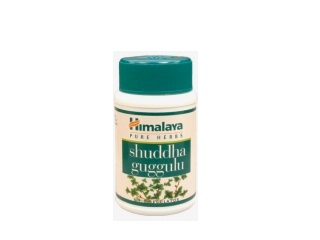
Shuddha Guggulu is a traditional herbal medicine commonly used in Ayurvedic practice to support joint comfort and healthy inflammatory responses. In Australia, it is often chosen by people looking for a natural option to complement their wellness routine. This page provides patient-friendly information on what Shuddha guggulu is, what it is used for, how it may work, and practical guidance on safe, informed use.
Please note: herbal products can affect people differently. If you are pregnant, breastfeeding, have liver or kidney disease, take regular medicines, or have a long-term condition, talk to a qualified healthcare professional before using.
Basic product information
- Product name: Shuddha Guggulu (Shuddha guggulam)
- Traditional source: Purified resin from Commiphora wightii (commonly known as guggulu)
- Form: Usually available as tablets, capsules, or powders (varies by brand)
- Common tradition of use: Supporting joint and musculoskeletal comfort, healthy inflammatory response
- Key characteristic: “Shuddha” refers to purified guggulu used in traditional formulations
Brand formulations vary. Always check the label for the exact ingredients, strengths, and directions from the manufacturer.
How Shuddha Guggulu may work (mechanism of action)
Ayurveda attributes guggulu to supporting balanced bodily systems. From a biomedical perspective, guggulsterones and other resin constituents are studied for potential effects on pathways involved in inflammation and metabolism. While research in humans is still developing, proposed mechanisms include:
- Anti-inflammatory activity (indirect and/or direct): May help reduce inflammatory signalling in tissues.
- Support for metabolic balance: Guggulu compounds have been studied for interactions with lipid metabolism.
- Antioxidant activity: Plant resins can contain compounds that contribute to oxidative stress balance.
- Musculoskeletal comfort support: In traditional use, it is commonly selected for joint stiffness and discomfort.
Importantly, “mechanism” describes how something might act in the body. It does not guarantee results for every person or replace medical care when symptoms are significant.
Pharmacokinetics (what we know about absorption and processing)
Pharmacokinetics describes how the body absorbs, distributes, metabolises, and eliminates a medicine. For Shuddha guggulu, detailed clinical pharmacokinetic data in humans can be limited and may vary by formulation (tablet vs capsule vs powder) and by brand. However, commonly discussed considerations include:
- Absorption: Resins are often lipophilic (fat-loving), which may affect how well they are absorbed.
- Metabolism: Natural compounds may be metabolised primarily in the liver (exact pathways vary).
- Variability: Purification level, processing, particle size, and excipients can influence absorption.
- Evidence limitations: More robust, formulation-specific studies are needed to define precise half-life and exposure.
Practical takeaway: follow the product label directions and consider consistency in timing and use with/without food. If you experience unexpected side effects, stop and seek advice.
Typical uses and indications (traditional and practical)
In traditional Ayurvedic practice, Shuddha guggulu is used as a supportive remedy for conditions where inflammation, stiffness, or metabolic imbalance may play a role. In product listings and educational materials, you may see use in relation to:
- Joint comfort: Supporting mobility and comfort for stiffness associated with daily activity.
- Healthy inflammatory response: As a complementary option for people seeking wellness support.
- Musculoskeletal wellness: Often used for aches related to active lifestyles.
- Metabolic balance (varies by product claims): Some formulations are traditionally used in metabolic support.
Important note on indications: The exact wording on labels and websites must comply with local regulations. Many products are marketed as dietary supplements or complementary medicines; they may not claim to treat or cure disease. Always review the product packaging for approved indications and warnings.
Dosing (how to take Shuddha guggulu)
Dosing depends on the brand, strength per tablet/capsule, and the intended formulation. Always follow the manufacturer’s label. If you do not have instructions, contact the supplier or pharmacist.
General guidance (not a substitute for label directions):
- Adults: Common traditional supplement patterns range from once or twice daily depending on strength.
- Start low: Some people choose to start with the lower end of the recommended daily amount for several days to assess tolerance.
- Consistency: Take doses at similar times each day.
If your product instructions specify an exact dose schedule (for example, “take 1 capsule twice daily”), follow that schedule. Do not exceed the recommended daily amount.
Timing: when to take it
Timing can influence comfort and absorption. Many people take Shuddha guggulu:
- With meals or after meals: Often preferred if it causes mild stomach sensitivity.
- A consistent daily schedule: Helps you notice changes in symptoms and side effects.
If the label provides specific instructions (e.g., “before meals” or “after meals”), use those instructions. Because formulations differ, timing advice should follow the product you purchase.
Food interactions
Herbal resins can interact with food and digestion in ways that vary between individuals. While no universal interaction is guaranteed, practical considerations include:
- Fat-containing meals: Because guggulu is resinous and may be lipophilic, taking it with food that includes fat may influence absorption for some people.
- Gastric sensitivity: If you experience nausea, acidity, or discomfort, consider taking it after food instead of on an empty stomach.
- Fibre and other supplements: Very large amounts of fibre or high-dose supplements may change gastrointestinal tolerance.
Practical suggestion: Introduce one change at a time (e.g., start with after-meal dosing), then assess how you feel over 1–2 weeks.
Alcohol and medicine interactions
Alcohol
There is no single universally proven alcohol interaction for Shuddha guggulu; however, alcohol can affect the liver and digestive system. Because many herbal constituents are metabolised in the body, it is generally sensible to:
- Limit alcohol while using herbal products, especially if you have any liver-related risk factors.
- Seek advice if you regularly drink alcohol or have abnormal liver function tests.
Interactions with medicines (important)
Herbal products can interact with prescription and non-prescription medicines. Shuddha guggulu may interact with medicines used for:
- Lipid lowering: If you take medicines for cholesterol, discuss with a clinician because overlapping effects may occur.
- Diabetes medications: Some people use herbal products alongside metabolic wellness routines; confirm safe co-use.
- Blood thinning/antiplatelet medicines: If you take anticoagulants (e.g., warfarin) or antiplatelets (e.g., clopidogrel), ask for advice before combining with herbal supplements.
- Hormonal or thyroid-related medicines: Guggulu products are sometimes discussed in relation to thyroid function. If you take levothyroxine or other thyroid medications, seek guidance before use.
Action step: Provide a full list of your medicines and supplements to a pharmacist or doctor before starting Shuddha guggulu, including vitamins, NSAIDs, anticoagulants, and “natural” products.
Safety profile and side effects
Most people can use herbal supplements safely when taken as directed. However, side effects and contraindications can occur. Always discontinue use and seek medical help promptly if you experience severe or concerning symptoms.
Possible side effects
- Gastrointestinal upset: Nausea, mild stomach discomfort, or indigestion.
- Headache or dizziness: Occasional reports with some herbal products.
- Skin reactions: Rash or itching may occur in sensitive individuals.
- Changes in bowel habits: Some people experience loose stools or constipation depending on formulation.
When to avoid or seek specialist advice
- Pregnancy or breastfeeding: Avoid unless advised by a qualified clinician.
- Liver disease or elevated liver enzymes: Seek medical advice before use.
- History of allergic reactions to herbal resins or related ingredients.
- Thyroid disorders or thyroid medication use: Discuss with a healthcare professional.
- Children: Use only if specifically recommended for paediatric use and with appropriate dosing guidance.
Red flags (stop and get urgent help)
- Swelling of the face, lips, tongue, or throat; difficulty breathing (possible allergy)
- Severe rash, blistering, or widespread skin reactions
- Yellowing of skin/eyes, dark urine, or severe fatigue (possible liver issue)
Practical use tips
- Check the label every time: Confirm the strength, serving size, and recommended daily amount.
- Start gradually: Begin with the lower end of the label directions if you are new to guggulu, then adjust only if tolerated.
- Take consistently: Use the same timing each day to help you assess benefits and side effects.
- Hydration and lifestyle: Gentle movement, stretching, and adequate hydration can complement joint comfort routines.
- Track your response: Note changes in morning stiffness, comfort during movement, or overall wellbeing.
- Watch for interactions: Recheck interactions if you start new medicines (including antibiotics or changes in thyroid therapy).
If you experience persistent discomfort, stop and talk to a pharmacist. Herbal supplements should not be used to replace evidence-based medical management when needed.
Alternative options (what else you might consider)
Depending on your goals—joint comfort, inflammatory wellness, or metabolic support—there are several alternative complementary options. Choose based on your health status, current medicines, and the evidence available:
| Option | Common traditional/practical use | Considerations |
|---|---|---|
| Turmeric/Curcumin | Support for healthy inflammatory response | May interact with blood-thinning medicines in some people |
| Ginger | General joint comfort and digestion support | Use caution if on anticoagulants or if you have reflux sensitivity |
| Omega-3 (Fish oil) | Inflammation and cardiovascular support | May increase bleeding tendency in high doses; check with a pharmacist |
| Glucosamine & Chondroitin | Joint comfort support | Effect varies; check product quality and dosing |
| Boswellia serrata | Traditional support for joint comfort | Discuss with a clinician if you take regular medicines |
| Non-herbal strategies | Exercise, physiotherapy, weight management | Often most effective for long-term joint function |
If you have diagnosed arthritis, significant pain, swelling, or reduced range of motion, consider speaking with a healthcare professional for an evidence-based plan.
Australia market and legal context (complementary medicine availability)
In Australia, herbal products and supplements are regulated under the Therapeutic Goods Administration (TGA) framework. Products may be listed or registered depending on intended claims and compliance requirements. Availability can depend on whether the product is supplied as a complementary medicine, medicine, or supplement, and on its approved instructions for use.
- Label compliance: Look for clear product identification, ingredients, directions, and warnings.
- Quality and batch details: Reputable suppliers provide batch/lot information and quality standards.
- Approved claims: Avoid products making strong disease treatment claims that are not consistent with local regulations.
Recent guidance (general): Australia continues to emphasise safe use of complementary medicines, including accurate labelling, appropriate warnings, and the importance of discussing potential interactions—especially for people taking other medicines. Where product-specific updates occur, rely on the latest packaging instructions and the supplier’s published compliance information.
Delivery and availability in Australia
Shuddha guggulu is commonly available from online pharmacies and natural health retailers that ship within Australia. Availability depends on brand, dosage form, and stock levels.
- Delivery options: Typically includes standard and express shipping (varies by supplier).
- Packaging: Products are usually dispatched in protective cartons to reduce damage in transit.
- Stock and expiry: Reputable suppliers display expiry dates and maintain stock rotation.
If you have delivery deadlines (e.g., travel), check estimated dispatch times on the product page. For urgent needs or if you prefer local pickup, consider contacting the retailer.
Safety checklist before you buy or start
- Do you know your medical conditions (especially liver/thyroid issues)?
- Are you taking medicines for cholesterol, blood thinning, diabetes, or thyroid function?
- Are you pregnant, breastfeeding, or giving it to a child? (If yes, seek advice first.)
- Does the label include warnings and recommended daily dosage?
- Do you have a history of allergies to herbal products?
Frequently Asked Questions (FAQ)
1) What is Shuddha guggulu made from?
Shuddha guggulu is a purified guggulu resin traditionally sourced from Commiphora wightii. The word “shuddha” means purified, which can refer to preparation steps used in traditional processing.
2) What is Shuddha guggulu used for?
Traditionally, it is used to support joint comfort and healthy inflammatory response. The exact claims depend on the product’s classification and approved labelling in Australia. Always read the specific “Directions for Use” and “Indications” section on the packaging.
3) How long does it take to notice effects?
Herbal supplements often require time to build consistency. Many people evaluate benefits after several weeks of regular use. If you do not notice any improvement or symptoms worsen, stop and seek advice.
4) Should I take Shuddha guggulu with food?
Many people prefer taking herbal resins with meals or after food to reduce stomach upset. Follow your product label instructions—different brands may recommend different timing.
5) Can I drink alcohol while taking it?
It’s best to limit alcohol while using herbal supplements, particularly if you have liver concerns or elevated liver enzymes. If you’re unsure due to your health background, speak with a pharmacist.
6) Are there known interactions with medicines?
Possible interactions can include medicines for cholesterol, diabetes, blood thinning, and thyroid function. Because interactions depend on your specific medicines and the product formulation, consult a pharmacist or doctor with your medication list.
7) Is Shuddha guggulu safe for everyone?
Not necessarily. People who are pregnant or breastfeeding, those with liver disease, those with known allergies, and anyone taking thyroid-related medicines should seek medical advice first. Stop use and seek help for severe allergy symptoms or signs of liver problems.
8) What should I do if I miss a dose?
If you miss a dose, take it when you remember unless it is close to the next dose. Do not double up. Resume your regular schedule.
9) Can I take Shuddha guggulu long-term?
Long-term use should be discussed with a healthcare professional, especially if you use it continuously and you take other medicines. Periodic review helps ensure ongoing safety and usefulness for your goals.
10) What are the most practical ways to support joint comfort alongside it?
Consider combining any supplement with lifestyle measures such as gentle exercise, strength training as appropriate, stretching, maintaining a healthy weight, and adequate sleep. If you have persistent pain, swelling, or reduced mobility, seek medical assessment.
Summary
Shuddha guggulu is a purified Ayurvedic resin used to support joint comfort and healthy inflammatory response. While many users choose it as a complementary wellness option, individual results vary and safe use depends on your health history and current medications. Always follow the manufacturer’s label, consider timing with food for tolerance, and check for potential interactions—especially with thyroid-related medicines, cholesterol drugs, blood thinners, and diabetes medications.
If you have questions about suitability for your situation, consult a pharmacist or clinician in Australia.