V-gel (V-Gel) – Patient Information (Australia)
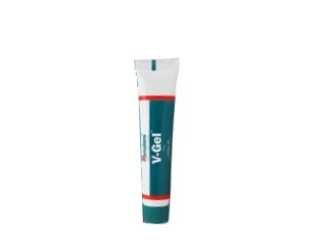
V-gel is a local gel designed to provide protective, cooling comfort and lubrication for specific areas of the body. It is commonly used for irritation-related conditions, where gentle soothing and barrier-like support may help reduce discomfort. This page explains how V-gel works, when it’s typically used, how to apply it, key safety considerations, and practical tips.
Note: Always read the product label and follow the advice of your healthcare professional. Product formulations and strengths can vary between brands and versions available in different markets.
Basic product information
| Item | Details |
|---|---|
| Product name | V-gel (V-Gel) |
| Form | Topical gel |
| Intended use | Local soothing/protective lubrication for irritation (see indications) |
| Route | Applied locally to the affected area |
| Common pack types | Tubes or single-use applicators (varies by product) |
| Storage | Store as directed on the pack (commonly cool and dry, protected from sunlight) |
What is V-gel and what does it do?
V-gel is formulated as a gel intended for local application. Depending on the specific product you purchase, it may contain ingredients that help:
- Protect irritated tissue by forming a soothing layer
- Provide lubrication to reduce friction and discomfort
- Reduce the sensation of soreness, burning, or irritation associated with dryness or mild inflammation
Because product compositions can differ, always check the active ingredients listed on your V-gel pack. If you’re unsure whether V-gel is suitable for your condition, consult a pharmacist.
Mechanism of action (how V-gel works)
V-gel works primarily as a topical barrier and lubricant. When applied to the affected area, it can:
- Soften and soothe by providing a smooth, non-irritating gel texture that reduces friction.
- Support local comfort by helping maintain a protective coating over irritated surfaces.
- Improve tolerance to daily activities by reducing rubbing and dryness-related discomfort.
Many gels of this type act locally with limited absorption into the bloodstream. Their primary benefit is comfort and protection at the site of application.
Pharmacokinetics (absorption and movement in the body)
For topical gels like V-gel, systemic absorption is generally low when used as directed. Most of the gel’s effect is local, occurring at the site of application.
- Absorption: Usually minimal through intact skin/mucosal surfaces.
- Distribution: Limited to local tissue.
- Metabolism & excretion: Any absorbed components (if present) would be processed by normal body pathways.
If you have extensive irritation, open wounds, or use more than recommended, absorption may increase. Follow dosing directions closely and seek advice if you develop unexpected side effects.
Typical uses and indications
V-gel is typically used for local soothing and protective relief in conditions where irritation or discomfort is associated with dryness, friction, or mild inflammation.
Common indications may include:
- Relief of local irritation and discomfort
- Helps reduce the sting/burning sensation associated with dryness
- Support for comfort during everyday activities by providing lubrication
- Adjunct support where a gentle barrier may be beneficial (alongside other measures as advised)
Important: V-gel is not a cure for all causes of genital or mucosal discomfort. If symptoms suggest an infection (such as unusual discharge, strong odour, fever, or rapidly worsening pain), seek medical guidance promptly.
When to use it (timing)
Timing can vary depending on your symptoms and the directions on the pack. Many users find it helpful to apply V-gel:
- At times of increased friction (for example, before periods of activity)
- In the evening if symptoms feel worse at night
- After washing when the area is clean and fully dry
Avoid applying immediately before activities if the product’s texture may interfere with comfort or movement—use the pack guidance to judge the best time for your routine.
Dosing and how to apply V-gel
Follow the instructions on your specific product for the exact amount and frequency. The information below is general and patient-friendly.
General adult dosing (typical approach)
- Apply a small amount to the affected area.
- Use once or multiple times daily as directed on the label or by your pharmacist.
- If symptoms improve, you may be able to reduce frequency—unless the label instructs otherwise.
How to apply (practical step-by-step tips)
- Wash hands before and after using the gel.
- Clean the area gently with water or mild, fragrance-free cleanser if advised.
- Dry thoroughly using a soft towel—excess moisture can dilute the gel.
- Apply the gel using a clean finger or the included applicator (if your pack provides one).
- Use only the recommended amount. More is not necessarily better and may increase irritation.
- Allow the gel to settle before dressing or engaging in activities.
If you use other local products (such as moisturisers, washes, or barrier creams), consider spacing them out. Ask a pharmacist for advice to avoid product interactions or dilution.
Food interactions
V-gel is a topical treatment. Because it is used locally, food interactions are not expected. However, if you are using other oral medications for symptoms related to infections or inflammation, follow those medication instructions as normal.
Alcohol and medicine interactions
With topical gels, clinically significant alcohol interactions are generally unlikely because systemic absorption is low. Still, consider the following:
- Avoid alcohol-based products on the irritated area, such as some antiseptics or fragranced washes, unless advised.
- If you experience burning or increased irritation after applying V-gel, stop use and seek advice.
- If you are taking other medicines (topical or systemic), let your pharmacist know—individual ingredients may affect suitability.
For best safety, review your current medications and allergies with a healthcare professional if you’re unsure.
Safety profile and side effects
V-gel is generally well tolerated when used as directed. However, no medicine is risk-free. Possible side effects include:
Common or mild reactions
- Mild temporary stinging or tingling on application (often resolves quickly)
- Redness or irritation at the application site
- Dryness if overused or if it’s not suitable for the underlying cause
Seek medical advice urgently if you notice
- Severe swelling, persistent burning, or worsening pain
- Signs of allergy such as hives, widespread rash, or difficulty breathing
- Symptoms of infection (for example, fever, pus-like discharge, bad odour with rapid worsening)
Who should take extra care?
- People with known sensitivities to gel ingredients or fragrances (if present).
- Anyone with open sores or significant tissue damage (absorption may increase).
- Pregnant or breastfeeding individuals—check product guidance and speak to a pharmacist for confirmation.
- Children—use only if appropriate for age and if the product label permits.
When to stop and get advice
Stop using V-gel and contact a healthcare professional if symptoms do not improve within a few days, worsen, or if you suspect an infection rather than dryness/irritation.
Practical use tips (to get the best results)
- Don’t over-apply: using too much can increase irritation or interfere with comfort.
- Keep the routine gentle: avoid harsh soaps, fragranced wipes, and douching.
- Use fragrance-free hygiene products around the area if you are experiencing irritation.
- Give it time: apply and allow it to settle before going about your day.
- Check for triggers: tight clothing, prolonged friction, and certain detergents may worsen symptoms.
- Track symptoms: note what improves and what worsens so you can discuss patterns with a pharmacist.
Alternative options
Depending on the underlying cause of your symptoms, alternatives may include:
- Lubricants designed for comfort during friction-related irritation
- Barrier creams (where appropriate) to protect against rubbing
- Moisturisers for dryness-related discomfort
- Antifungal or antibacterial treatments if an infection is confirmed or strongly suspected (seek professional guidance)
- Moist toilet paper / gentle wipes and fragrance-free cleaning routines to reduce irritation
If your symptoms are recurrent or you’re unsure of the cause, it’s often helpful to ask a pharmacist to guide you toward the most suitable category of product.
Market and legal context in Australia
In Australia, products such as V-gel may be supplied as over-the-counter (OTC) topical medicines or as approved regulated goods depending on formulation and intended use. Availability can vary by brand and pack size.
- Regulation: Medicines in Australia are generally regulated via the Therapeutic Goods Administration (TGA).
- Labelling: OTC products include ingredient details, directions for use, and safety information.
- Pharmacist support: Australia has a strong tradition of pharmacy guidance for safe use of non-prescription products.
Online pharmacies in Australia commonly follow strict processes for product sourcing, storage, and compliance with consumer protection requirements. Always choose a reputable supplier and verify product details on the pack.
Recent guidance and “when to seek help”
While specific guidance can change over time, general clinical safety messages for persistent local irritation are consistent:
- If symptoms persist beyond a short course, or keep recurring, it’s important to confirm the cause.
- If you have features suggesting infection (unusual discharge, fever, severe pain, sores), seek timely assessment.
- Avoid using multiple new products at once, which can make it harder to identify what helps or irritates you.
If you’re unsure whether your symptoms match typical dryness/irritation, a pharmacist can advise on suitability and next steps.
Delivery and availability (online shopping in Australia)
V-gel is typically available through pharmacy and healthcare retailers and may be shipped across Australia depending on supplier arrangements. Availability can vary by:
- Product brand and pack size
- Stock levels in your region
- Seasonal demand for comfort products
- Transport conditions and storage requirements
When ordering online, check:
- Use-by date (where shown)
- Active ingredients and directions for your specific product
- Shipping timeframe and delivery method
FAQ about V-gel
1) How soon will V-gel work?
Many people feel soothing relief quickly, especially when discomfort is related to friction or dryness. If symptoms persist or worsen after a short period, seek advice from a pharmacist or healthcare professional to confirm the cause.
2) Can I use V-gel every day?
Daily use may be possible depending on the product label and your symptoms. Follow the dosing directions on the pack. If you find you need it long-term or symptoms keep returning, it’s best to review the underlying cause.
3) Can I use V-gel with other creams or washes?
You may be able to use other products, but layering multiple items can dilute effects or increase irritation. If you’re using other local treatments, ask a pharmacist about spacing and suitability.
4) Will V-gel affect condoms or other latex products?
Some gels and lubricants can affect latex products. Check your product label for compatibility guidance. If not stated, consider using a non-latex alternative and consult a pharmacist.
5) Is V-gel safe during pregnancy or while breastfeeding?
Many topical comfort gels are used during pregnancy, but suitability depends on the specific ingredients. Check the product label and speak with a pharmacist if you are pregnant, trying to conceive, or breastfeeding.
6) What if I get burning after applying it?
Mild temporary stinging can happen. If burning is strong, persistent, or worsening, stop using the gel and seek advice. The discomfort may indicate irritation from an ingredient or that the underlying cause needs different treatment.
7) Can I drink alcohol while using V-gel?
Alcohol interactions are not typically expected with topical gels due to low systemic absorption. However, avoid applying alcohol-containing products to irritated tissue and seek advice if you have concerns.
8) When should I stop and see a doctor?
Seek medical advice if you develop severe pain, fever, swelling, signs of allergy, or if symptoms do not improve within a few days. Also seek help if you suspect an infection.
9) Is V-gel suitable for children?
Use only if the product label specifically allows use in children and you have appropriate guidance. Many topical products have age-related cautions.
10) How should I store V-gel?
Store as directed on the pack (commonly in a cool, dry place, away from direct sunlight). Keep out of reach of children.
Summary
V-gel is a topical gel used to provide local comfort, soothing support, and lubrication for irritation that may be linked to dryness or friction. When applied as directed, it can help reduce discomfort and support day-to-day tolerance. If symptoms persist, recur frequently, or suggest infection, seek advice promptly to ensure you address the correct cause.