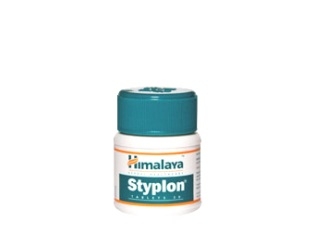
Styplon (for example, loperamide) — Patient Information
Styplon is an anti-diarrhoeal medicine used to help control diarrhoea. If you’re dealing with frequent, loose stools, this product may provide symptom relief by slowing bowel movements. This guide is designed to help you understand how Styplon works, when it may be useful, and what to consider for safe use in Australia.
Important: Always read the consumer medicine information (CMI) supplied with your medicine. If your symptoms are severe, persistent, or accompanied by warning signs, seek medical advice promptly.
Quick overview
- Common use: Short-term relief of diarrhoea in adults (and in some cases children, depending on the exact product formulation and instructions).
- How it helps: Slows gut movement to reduce stool frequency and urgency.
- Typical timing: After the first loose stool, then as needed according to pack directions.
- Key safety focus: Avoid using if you have certain infections or warning signs such as blood/mucus in stool, high fever, or severe abdominal pain.
- Hydration matters: Oral rehydration solutions are often essential, especially if diarrhoea is ongoing.
Basic product information
| Feature | What you should know |
|---|---|
| Medicine name | Styplon |
| Active ingredient | Typically loperamide (check your specific pack for exact details). |
| Medicine type | Anti-diarrhoeal (antimotility) medicine |
| Formulations | May be available in tablets and/or capsules depending on the product in Australia (refer to your pack). |
| Typical purchase | Often available through pharmacies and approved retailers; availability may vary. |
Note on strength and dosing: Different packs can contain different strengths or directions for use. Always follow the dose and age instructions on your specific Styplon pack.
How Styplon works (mechanism of action)
If you have diarrhoea, your bowel contractions become more frequent and/or faster than usual, which can move stool through the intestines too quickly for normal absorption of water and electrolytes.
Styplon (typically loperamide) works by:
- Reducing intestinal motility: It slows movement of the gut.
- Increasing transit time: Stool spends longer in the intestines.
- Improving stool consistency: With more time for water absorption, stools may become less loose.
By decreasing bowel urgency and frequency, Styplon can provide symptom relief. It does not treat the underlying cause of diarrhoea (for example, infections). That’s why it’s important to use it appropriately and watch for warning signs.
Pharmacokinetics (how the body handles it)
Pharmacokinetics describes how a medicine is absorbed, processed, and eliminated.
- Absorption: Loperamide is absorbed from the gastrointestinal tract.
- Distribution: It acts mainly in the gut. Small amounts may reach systemic circulation.
- Metabolism: Loperamide is extensively metabolised, mainly in the liver.
- Elimination: It is eliminated largely via the faeces and to a lesser extent through urine.
Why this matters: Because loperamide is metabolised and has a strong “first-pass” effect, it is designed to act primarily in the intestinal tract. However, incorrect dosing can still lead to serious side effects, so do not exceed the recommended amount.
What Styplon is used for (indications)
Styplon is commonly indicated for the short-term symptomatic treatment of acute diarrhoea in adults (and sometimes in children, depending on the product formulation and age guidance on the pack).
It may also be used for certain chronic diarrhoea-related conditions when directed by healthcare professionals—however, this guide focuses on the typical over-the-counter use of anti-diarrhoeals for acute episodes.
Do not use Styplon to “mask” symptoms if you suspect:
- Invasive bacterial diarrhoea
- Haemorrhagic (bloody) diarrhoea
- Diarrhoea with fever or severe abdominal pain
If any of these apply, seek medical advice urgently rather than relying on antimotility medicine.
When to take it (timing and typical use)
For acute diarrhoea, Styplon is usually taken:
- After the first loose stool
- Then after each subsequent loose stool, following the dose instructions on the pack
- Stop when your stools return to normal
Maximum duration: Many antimotility products are intended for short-term relief only. If diarrhoea lasts longer than the recommended timeframe on your pack (often 48 hours for acute diarrhoea), stop using it and seek advice.
Rehydration is still essential: Even if you take Styplon, you may still need fluids and electrolytes to prevent dehydration.
Dosing (general guidance)
Always check your specific Styplon pack for the exact strength and dose. Below is general educational guidance that may not match every product variant.
Adults (general)
- Initial dose: Often 4 mg after the first loose stool.
- Subsequent doses: Typically 2 mg after each additional loose stool.
- Limit: Maximum daily dose is set by the product instructions and medical safety requirements. Do not exceed it.
Children
Children are not simply “smaller adults” for dosing. Styplon use in children depends on age, formulation, and local safety advice. Always follow the age-specific dosing on the pack or consult a pharmacist.
Missed dose
- If you miss a dose, take it only if diarrhoea continues and you are within the dosing schedule on the pack.
- Do not take extra doses to “catch up.”
If you’ve taken too much: Contact the Poisons Information Centre in Australia immediately (see “When to seek help” in the safety section).
Food interactions and eating/drinking considerations
In general, Styplon can be taken with or without food. Some people find it easiest to take doses with a small amount of food if they experience nausea. However, diarrhoea and dehydration are the bigger concerns than food timing.
Practical advice:
- Stay hydrated: Sip water regularly; consider an oral rehydration solution (ORS).
- When eating: Choose bland foods (for example, toast, rice, bananas, soups) and avoid heavy or greasy meals if they worsen symptoms.
- Caffeine and alcohol: These may worsen dehydration or irritation and are better avoided.
Alcohol and medicine interactions
Alcohol: While there may not be a direct “dangerous interaction” for loperamide in all cases, alcohol can contribute to dehydration and can worsen diarrhoea and stomach upset. It is generally advisable to avoid alcohol during an acute diarrhoeal illness.
Medicine interactions: Some medicines can affect how loperamide is metabolised or may increase the risk of serious heart-related side effects if too much loperamide is taken. Take extra care if you are using medicines such as:
- Some antibiotics and antifungals (certain medicines can affect liver enzymes)
- Medicines for HIV (some affect similar metabolic pathways)
- Drugs that affect heart rhythm
- Other antimotility agents or products containing loperamide (to avoid accidental overdose)
Always check your medicines: If you take multiple medicines, ask a pharmacist whether there are any interaction concerns for your specific situation.
Do not exceed recommended doses: The risk of serious harm (including heart rhythm problems and severe constipation) increases with overdose or very high use.
Safety profile (side effects and precautions)
Common side effects
- Constipation
- Abdominal discomfort or cramps
- Nausea
- Dry mouth (sometimes related to illness and reduced fluid intake)
Seek urgent help if you experience
- Severe abdominal pain or swelling
- Blood in stools or black/tarry stools
- High fever
- Signs of dehydration (for example, dizziness, extreme thirst, very little urine)
- Fainting, severe dizziness, palpitations, or unusual shortness of breath (especially if you took more than the recommended dose)
- Allergic reaction: swelling of face/lips, rash, trouble breathing
Who should be extra cautious
- Liver disease: Because loperamide is metabolised in the liver, caution may be needed.
- Inflammatory bowel conditions: If you have active flare-ups, consult a clinician before using antimotility medicine.
- Children: Use only if the pack and professional guidance allow.
- Pregnancy and breastfeeding: Check the CMI and seek advice if needed—illness itself may require attention, especially hydration.
When to seek help (Australia)
If you think you have taken too much Styplon or someone is unwell after taking it, contact:
- Poisons Information Centre: 13 11 26 (24/7 in Australia)
- Emergency: Call 000 or go to the nearest emergency department if severe symptoms occur.
Practical use tips (getting the most benefit safely)
- Use it for symptom relief, not to “ignore” a problem: If diarrhoea is caused by infection, your body may need the ability to clear it. If warning signs appear, stop and get advice.
- Prioritise hydration: Use oral rehydration solutions if recommended, especially for children or older adults.
- Keep track of stool frequency: If you’re not improving, it’s time to seek medical input.
- Avoid double dosing: Check labels on any other cold/flu or diarrhoea products that might contain similar ingredients.
- Don’t use longer than recommended: If diarrhoea continues beyond the timeframe on your pack, don’t keep taking it.
- Be careful with constipation risk: If you stop passing stool or develop significant bloating, stop using and consult a pharmacist or doctor.
Alternative options for diarrhoea relief
Depending on the cause and severity of diarrhoea, alternatives may include:
- Oral rehydration solution (ORS): Often the most important “treatment.” Helps replace water and electrolytes.
- Probiotics: Some people find they help shorten diarrhoea duration, though results vary by strain and situation.
- Dietary approaches: Bland foods and fluid replacement can support recovery.
- Other anti-diarrhoeals: Some products contain different active ingredients; choice depends on your symptoms and available guidance.
When antibiotics may be needed: Only certain bacterial infections benefit from antibiotics. If you have severe symptoms or travel-related illness, consult a healthcare professional.
Market and legal context for Australia (consumer access and safety)
In Australia, medicines are regulated under the Therapeutic Goods Administration (TGA) framework. Products available to consumers must meet standards for quality, safety, and efficacy as determined by Australian regulations.
Pharmacy access: Depending on the specific formulation, Styplon may be available through pharmacies and permitted retail channels. Some anti-diarrhoeal medicines are supplied as non-prescription items, but safety rules still apply.
Why regulatory guidance matters: Australia places strong emphasis on correct use and preventing misuse—especially for medicines with risks related to overdose or inappropriate use.
Recent guidance: Consumer guidance for diarrhoea commonly stresses:
- Hydration and ORS as first-line support
- Avoiding antimotility medicines when there are red flags (fever, blood in stool, severe pain)
- Limiting duration and seeking advice if symptoms persist
For the most up-to-date advice, consider checking the product’s CMI and reputable Australian health sources.
Delivery and availability (Australia-wide online ordering)
Styplon may be available from approved online pharmacies in Australia. Typical ordering and delivery expectations include:
- Availability: Stock can vary depending on demand and supply chain.
- Dispatch time: Many online pharmacies dispatch within 1–2 business days when items are in stock.
- Delivery timeframe: Depending on your location, shipping can take several business days. Express options may be available where offered.
- Package discreetness: Items are usually shipped in plain packaging.
Storage: Keep the product in a cool, dry place and out of reach of children. Follow any storage instructions on the pack.
Quality and authenticity: Choose a reputable Australian online pharmacy that stocks approved goods and provides clear product labelling.
FAQ (Frequently asked questions)
1) Is Styplon safe to use for diarrhoea?
For many adults with uncomplicated acute diarrhoea, Styplon can be used short-term as directed. However, it’s not appropriate if you have warning signs such as blood in stool, high fever, or severe abdominal pain. If you’re unsure, ask a pharmacist.
2) How quickly does Styplon work?
Many people notice improvement within a few hours of dosing. However, timing can vary by cause and severity. If there’s no improvement within the recommended timeframe on your pack, seek advice.
3) Can I take Styplon if I have a stomach bug?
If you have a viral gastroenteritis, an anti-diarrhoeal may help symptoms for some people. But if there are red flags (fever, blood/mucus, severe pain) or diarrhoea is severe/persistent, do not rely on Styplon—seek medical advice.
4) Should I drink fluids even if I take Styplon?
Yes. Hydration is one of the most important parts of diarrhoea care. Consider an oral rehydration solution (ORS), particularly for children, older adults, or if diarrhoea is frequent.
5) Can I take Styplon with food?
It is generally okay to take Styplon with or without food. Focus on maintaining fluids. If food worsens symptoms, choose bland options and continue to sip fluids regularly.
6) What happens if I miss a dose?
If diarrhoea continues, take the next dose according to the pack instructions. Do not take extra doses to make up for a missed one.
7) Can I drink alcohol while using Styplon?
Alcohol may worsen dehydration and stomach upset. It’s generally best to avoid alcohol during diarrhoea.
8) Who should not use Styplon?
Do not use it if you have warning signs (for example blood in stool, high fever, or severe abdominal pain) and avoid use in children unless the product’s specific age guidance allows it. People with certain medical conditions (such as significant liver disease) should seek advice before use.
9) What are the dangers of taking too much Styplon?
Overdose increases the risk of serious side effects, including severe constipation, worsening abdominal symptoms, and—at very high levels—potential heart rhythm problems. Never exceed the recommended dose. If you suspect an overdose, contact Poisons Information on 13 11 26.
10) Are there alternatives to Styplon?
Common alternatives include oral rehydration solution, dietary measures, and sometimes probiotics. If diarrhoea is caused by infection or there are red flags, other treatments may be needed and should be guided by a clinician.
Summary
Styplon (commonly loperamide) is an anti-diarrhoeal medicine used for short-term symptomatic relief of acute diarrhoea. It works by slowing intestinal movement, which helps reduce stool frequency and urgency. However, it is not suitable for diarrhoea with warning signs such as blood in stool, fever, or severe abdominal pain. Hydration—often with oral rehydration solutions—is essential.
If your symptoms are severe, last longer than the pack directions recommend, or you’re unsure what’s causing your diarrhoea, speak to a pharmacist or healthcare professional.