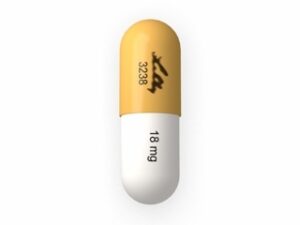


Loxitane (Loxapine) – Patient Information for Australia
Loxitane is a brand of loxapine, an antipsychotic medicine used to treat certain mental health conditions. This guide is written to be clear and practical. It covers how Loxitane works, how it is used, what to expect, and important safety information.
Always follow your clinician’s directions and the product label. Individual needs vary.
Key Product Information
- Active ingredient: Loxapine
- Brand example: Loxitane
- Medicine type: Antipsychotic (typical/“first-generation” antipsychotic)
- Common forms: Tablets and/or oral formulations may be available depending on Australian supply
- What it is used for: Schizophrenia and other psychotic conditions; sometimes used for acute agitation in specialist settings
- How it is taken: Usually once or more times daily, depending on your prescribed schedule
How Loxitane Works (Mechanism of Action)
Loxapine affects brain chemical pathways, helping to reduce symptoms such as hallucinations, delusions, disorganised thinking, and severe agitation.
While exact effects vary by person, loxapine mainly works by:
- Blocking dopamine (D2) receptors, which helps reduce psychotic symptoms
- Interacting with serotonin (5-HT) pathways, contributing to symptom control in some individuals
Because dopamine also influences movement and hormone functions, loxapine can cause movement-related side effects in some people—this is one reason why monitoring is important.
Typical Uses and Indications
In Australia, loxapine may be used for the following conditions (depending on product availability and clinical assessment):
- Schizophrenia and other psychotic disorders
- Psychosis-related agitation in certain circumstances under specialist care
Important note: Use depends on diagnosis, severity, and past treatment response. Your clinician may consider other options first.
When to Take Loxitane (Timing and How to Start)
Start low and go slow is often used with antipsychotics to reduce side effects. Your exact schedule should follow your clinician’s instructions.
- Consistency matters: Take at the same times each day.
- First days to weeks: Some people notice calmer thinking or reduced agitation sooner; other symptoms may take several weeks to improve.
- Ongoing effect: Continued use helps maintain symptom control.
If you miss a dose:
- Take it when you remember if it’s close to the usual time.
- If it’s nearly time for the next dose, skip the missed dose.
- Do not double up unless advised.
Dose Overview (General Information)
Actual dosing must be tailored to your needs, age, other medicines, and response. Doses commonly begin at a lower level and may be adjusted.
| Consideration | What commonly happens in practice | Why it matters |
|---|---|---|
| Starting dose | Often lower dose at first | Helps reduce sedation and movement-related side effects |
| Dose adjustments | Gradual increases if needed | Balances symptom relief with tolerability |
| Frequency | May be once or split across the day | Manages side effects like drowsiness |
| Special populations | May require extra caution | Older adults and those with certain medical conditions need careful monitoring |
Do not change your dose without medical advice. Antipsychotics can cause withdrawal or symptom flare if stopped suddenly.
Pharmacokinetics (How the Body Processes Loxitane)
“Pharmacokinetics” describes how the body absorbs, distributes, metabolises, and eliminates the medicine.
- Absorption: Loxapine is absorbed after oral intake; onset of effects can vary.
- Distribution: It distributes into tissues, including the brain, where it acts.
- Metabolism: Loxapine is metabolised primarily by liver enzymes (including CYP pathways).
- Excretion: Metabolites are eliminated mainly via urine and possibly bile/faeces depending on metabolism.
- Half-life (conceptual): Like other antipsychotics, effects can last longer than the initial dose due to metabolism and receptor activity.
Because metabolism can be affected by interacting medicines and liver function, medication reviews are important.
Food Interactions
For many oral antipsychotics, food may change absorption slightly, but the overall clinical effect is often manageable. In practice:
- Take consistently: If your label advises a certain way (with or without food), keep to that pattern.
- If nausea or stomach discomfort occurs: Taking with food may help some people.
Best approach: Check the product label or your pharmacist’s advice for the specific formulation you have.
Alcohol Interactions and Safety
Combining loxapine with alcohol can increase risks, especially:
- Excess sedation and reduced alertness
- Dizziness and falls
- Impaired coordination
- Worsened breathing risk in people with respiratory conditions
Advice: It’s generally recommended to avoid alcohol while starting or adjusting loxapine. If you do drink, discuss safe limits with your clinician.
Interactions With Other Medicines
Loxapine can interact with other medicines that affect the brain, blood pressure, heart rhythm, or liver enzymes. Tell your pharmacist or clinician about all medicines you use, including:
- Prescription medicines
- Over-the-counter (OTC) products
- Herbal remedies (e.g., St John’s wort)
- Supplements
Common interaction categories include:
1) Medicines that increase sedation
- Opioid pain medicines
- Some antihistamines
- Benzodiazepines and related sedatives
- Sleep medicines
2) Medicines that affect movement or anticholinergic load
- Some allergy/cold medicines
- Some Parkinson’s medications
- Other medicines with anticholinergic effects
3) Heart rhythm (QT) considerations
Some antipsychotics can affect cardiac electrical activity. Your clinician may consider other QT-prolonging medicines such as certain antibiotics, antiarrhythmics, and some antidepressants.
4) Liver metabolism interactions
- Enzyme inhibitors may increase loxapine levels
- Enzyme inducers may reduce loxapine effectiveness
Do not start or stop interacting medicines without professional advice.
Safety Profile and Possible Side Effects
Like all medicines, loxapine can cause side effects. Many are manageable, especially with correct dosing and monitoring. Some effects require urgent attention.
Common or likely side effects
- Drowsiness or tiredness
- Dizziness, especially when standing up
- Dry mouth
- Constipation
- Blurred vision
- Weight gain in some people
Movement-related side effects (extrapyramidal symptoms)
- Restlessness (akathisia)
- Muscle stiffness or tremor
- Unusual movements
If you develop involuntary movements, stiffness, or severe restlessness, seek timely medical advice.
Serious but uncommon risks
- Neuroleptic Malignant Syndrome (NMS): fever, severe muscle stiffness, confusion, sweating
- Tardive dyskinesia: longer-term involuntary movements (often involving tongue/face)
- Severe allergic reactions: swelling, rash, breathing difficulty
- Seizures: risk may be higher in predisposed individuals
- Blood pressure problems: fainting, severe lightheadedness
- High prolactin-related effects: changes in sexual function, breast symptoms, menstrual changes
Seek urgent help if you experience symptoms suggesting NMS, an allergic reaction, or severe worsening confusion or fever.
Practical Use Tips
- Plan for the first days: You may feel drowsy or unsteady. Avoid driving until you know how you respond.
- Stand up slowly: Helps reduce dizziness and fall risk.
- Hydration and fibre: Constipation can occur—drink water and consider fibre in your diet if appropriate.
- Monitor mood and symptoms: Keep notes on sleep, agitation, hallucinations, and side effects to help your clinician adjust treatment.
- Attend follow-ups: Antipsychotics often require regular review of side effects, weight, and sometimes blood tests or movement monitoring.
- Don’t stop abruptly: If treatment needs to change, clinicians usually taper gradually when appropriate.
What to Expect Over Time
Response varies between people. A common pattern is:
- Early phase (days to 2 weeks): drowsiness or calming effects may be noticed; some side effects emerge.
- Adjustment phase (2–6 weeks): dose may be adjusted based on benefits and tolerability.
- Maintenance phase (ongoing): continued treatment helps prevent relapse and reduces symptom intensity.
Regular monitoring helps balance symptom control and quality of life.
Alternative Treatment Options
If loxapine isn’t suitable due to side effects, effectiveness, or availability, clinicians may consider other antipsychotic medicines or non-medication supports.
Medication alternatives
- Other antipsychotics (both typical and atypical options may be considered depending on your situation)
- Adjunct treatments for anxiety, sleep, or mood symptoms, where appropriate
Non-medicine supports
- Psychological therapies (e.g., supportive counselling, CBT-related approaches where suitable)
- Sleep and routine support
- Family and carer education
- Rehabilitation programs and social support
Your clinician can discuss what’s most appropriate for your diagnosis, past treatment response, and personal preferences.
Market and Legal Context for Australia
In Australia, antipsychotic medicines are regulated to support safe prescribing and dispensing. Availability and prescribing requirements depend on the specific product, formulation, and current regulatory classification. Requirements may also change over time.
For medication safety, pharmacists may:
- Check interactions with your current medicines
- Confirm dosing instructions
- Provide guidance on side effects and what to monitor
Note: Product availability on online pharmacies can vary due to supplier logistics and national demand.
Recent Guidance and Ongoing Monitoring
Ongoing clinical guidance in Australia (and internationally) emphasises:
- Shared decision-making (discuss benefits vs risks)
- Monitoring for movement-related side effects and tardive dyskinesia
- Assessing metabolic health (weight, lipids, glucose) especially for antipsychotics with higher metabolic risk
- Cardiovascular safety considerations (e.g., QT risk when relevant)
- Careful review of sedation and fall risk, especially in older adults
If you’re starting loxapine or switching from another antipsychotic, your clinician may schedule follow-up sooner to monitor response and tolerability.
Delivery and Availability (Australia)
Online pharmacies in Australia may offer delivery for eligible medicines depending on:
- Regional delivery coverage
- Stock availability and supplier lead times
- Cold-chain requirements (usually not relevant for tablets, but formulation-dependent)
To reduce delays:
- Ensure your delivery address is correct.
- Be available for handover if required by the courier service.
- Plan ahead for ongoing supply if you take medication daily.
Availability can change: Some brands may be temporarily out of stock. If Loxitane isn’t available, a pharmacist may discuss suitable alternatives in line with local requirements.
FAQ
Is Loxitane used for anxiety?
Loxapine is primarily an antipsychotic. It may be used for severe agitation or psychosis-related symptoms as clinically appropriate, but it is not typically chosen as a general treatment for anxiety unless linked to a specific mental health condition.
How long does it take to work?
Some people notice changes sooner, but for many symptoms it can take several weeks to reach maximum benefit. Your clinician may adjust the dose during the initial period.
Will it make me sleepy?
Drowsiness is a common side effect of antipsychotics. Many people feel calmer but also more tired, especially early in treatment or after dose increases. Avoid driving or hazardous tasks until you know how you react.
Can I take it with food?
Food may not be a major issue for everyone, but follow the product label and your pharmacist’s advice for your specific formulation. If nausea occurs, taking with food may be helpful.
Can I drink alcohol while taking loxapine?
It is generally best to avoid alcohol. Alcohol can increase sedation, dizziness, and other safety risks.
What should I do if I miss a dose?
Take it when you remember if it’s close to the scheduled time. Otherwise, skip and take the next dose as scheduled. Do not double doses unless instructed.
What are the red flags that require urgent help?
Seek urgent medical assistance if you develop: fever with severe muscle stiffness, confusion, fainting or severe dizziness, signs of a serious allergic reaction (swelling, breathing difficulty), or rapidly worsening symptoms.
Are there alternatives if I can’t tolerate Loxitane?
Yes. Options include other antipsychotics or adjustments to the regimen, as well as non-medication supports. Discuss side effects and goals with your clinician to find a better fit.
How will my doctor monitor side effects?
Monitoring may include regular review of symptom response, sedation and movement effects, weight and metabolic parameters (as appropriate), and sometimes blood pressure and other tests depending on your health profile.
Summary
Loxitane (loxapine) is an antipsychotic medicine used to treat schizophrenia and related psychotic conditions. It works mainly by affecting dopamine pathways in the brain, helping reduce symptoms such as hallucinations and delusions. Like other antipsychotics, it can cause side effects—most commonly drowsiness, dizziness, and constipation—and it requires attention to movement-related effects and other rare but serious risks.
For the safest and most effective experience, take loxapine consistently at the recommended times, avoid alcohol, review all medicines you use with your pharmacist, and attend follow-ups so that dose and monitoring can be adjusted as needed.