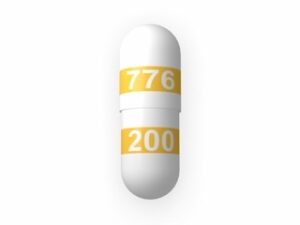
Voltaren (Diclofenac): Patient-Friendly Guide (Australia)
Voltaren is a brand of diclofenac, a widely used medicine in Australia for relieving pain and inflammation. It belongs to a group of medicines called non-steroidal anti-inflammatory drugs (NSAIDs). Depending on the product strength and form, Voltaren can be used for a range of conditions—from short-term pain relief to longer-term management of inflammatory problems.
This guide explains how Voltaren works, how it behaves in the body, common uses, dosing principles, food and alcohol interactions, safety considerations, and practical tips for using it effectively. It also includes information relevant to buying and using Voltaren in Australia.
Key Product Information
- Brand: Voltaren
- Generic name: Diclofenac
- Medicines group: NSAID (non-steroidal anti-inflammatory drug)
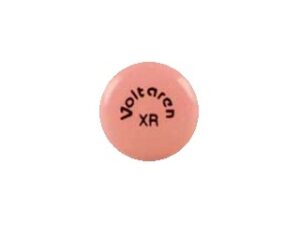
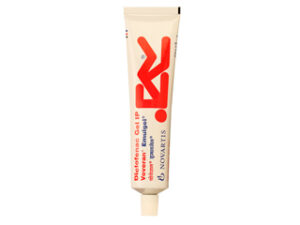
- Common forms (availability varies): tablets/capsules, slow-release forms, and topical gels/creams
- How it helps: reduces pain, inflammation, and swelling
Note: Voltaren products may differ in strength and form. Always check the label on the specific Voltaren product you have, including its strength (e.g., mg per tablet) and instructions (e.g., how often to apply).
How Voltaren Works (Mechanism of Action)
Diclofenac reduces pain and inflammation by affecting the body’s production of chemicals called prostaglandins. Prostaglandins are involved in:
- Pain signalling (making pain more noticeable)
- Inflammation (swelling, redness, heat)
- Fever (in some settings)
Diclofenac works mainly by inhibiting cyclo-oxygenase (COX) enzymes, which help produce prostaglandins. With less prostaglandin activity, inflammation can settle and pain may improve.
Pharmacokinetics (How It Moves Through the Body)
“Pharmacokinetics” describes what the body does to diclofenac—how it is absorbed, distributed, metabolised, and eliminated. Exact timing can vary by product form (oral vs topical), dose, and individual factors.
Oral diclofenac (tablets/capsules)
- Absorption: Diclofenac is absorbed from the gastrointestinal tract. The pattern depends on whether it is immediate-release or slow-/extended-release.
- Peak levels: Levels in the blood often rise to a peak after a few hours (product-specific).
- Distribution: Diclofenac binds significantly to proteins in the blood and distributes into tissues.
- Metabolism: Primarily metabolised in the liver.
- Elimination: Mainly excreted via the kidneys (urine) and to a lesser extent via bile/faeces.
Topical diclofenac (gel/cream)
- Absorption: Absorbs through the skin into local tissues.
- Systemic exposure: Generally lower than oral dosing, but not zero—especially if used on large areas or under occlusion.
- Onset: Often provides local pain relief, with improvement sometimes noticed within days (varies by condition).
If you have liver or kidney conditions, or take other regular medicines, it’s particularly important to use Voltaren carefully and follow the instructions on the pack.
Typical Uses in Australia
Voltaren (diclofenac) is commonly used to manage pain and inflammation related to conditions such as:
- Osteoarthritis (joint pain, stiffness—e.g., hands, knees, hips)
- Rheumatoid arthritis (inflammatory joint disease—pain and swelling)
- Back pain and other musculoskeletal pain
- Soft-tissue injuries such as sprains and strains
- Tendonitis / periarticular inflammation
- Sports injuries and localized pain (particularly with topical gels)
- Dysmenorrhoea (painful periods) for certain oral diclofenac products
The exact indications depend on the specific Voltaren product and formulation. Always check the pack for approved uses and dosing instructions.
When It Starts Working (Timing)
Timing depends on the form and the condition being treated:
- Oral Voltaren: Many people feel pain relief within a few hours. For inflammatory conditions, benefit may build over several days.
- Topical Voltaren gel: Local relief may be noticed sooner than oral dosing for superficial pain, but full benefit may take several days.
If symptoms do not improve or worsen, seek advice promptly rather than continuing at the same dose.
Dosing Basics (General Guidance)
Dosing varies by age, the specific product (strength and form), and the condition. It’s important to follow the directions on the package. Dosing information below is general to help you understand typical use patterns.
Oral diclofenac (tablets/capsules)
- Use the lowest effective dose for the shortest possible time.
- Frequency depends on formulation: immediate-release products are often taken multiple times per day, while slow/extended-release products are taken less frequently (as directed).
- Do not combine with other NSAIDs: Avoid taking diclofenac with ibuprofen, naproxen, or similar medicines unless directed.
Topical diclofenac (gel/cream)
- Apply to clean, intact skin over the affected area.
- Wash hands after application unless treating the hand itself.
- Use the amount stated on pack (e.g., measured by fingertip unit guides, if provided).
- Avoid covering with tight dressings unless instructed.
Important: If you miss a dose, follow the product instructions. Do not take extra to “catch up” unless advised.
Food Interactions (Taking Voltaren With Food)
Food can affect comfort and absorption for oral diclofenac. For many people, taking diclofenac with food reduces the chance of stomach irritation. However:
- Avoid taking on an empty stomach if you get indigestion, nausea, or stomach discomfort.
- Follow formulation guidance: Some modified-release products have specific instructions about timing with food—check the pack.
- Do not alter the dose form: Don’t crush or break tablets unless the pack allows it.
Topical diclofenac is not significantly affected by meals because it acts mainly at the site of application.
Alcohol and Medicine Interactions
Alcohol
Alcohol can increase the risk of stomach irritation and bleeding with NSAIDs and may also worsen dizziness or stomach side effects. If you drink alcohol, use caution—especially if taking oral diclofenac.
- Consider avoiding alcohol while using Voltaren, particularly at higher doses or for prolonged use.
- If you experience heartburn, stomach pain, vomiting blood, or black/tarry stools, seek urgent medical attention.
Other medicines (common interactions)
Diclofenac can interact with a range of medicines. If you are taking any of the following, speak with a pharmacist or clinician before using Voltaren:
- Other NSAIDs (ibuprofen, naproxen, aspirin for pain): increased risk of stomach and kidney harm
- Anticoagulants (e.g., warfarin): increased bleeding risk
- Antiplatelets (e.g., clopidogrel): increased bleeding risk
- Corticosteroids (e.g., prednisone): increased stomach ulcer/bleeding risk
- SSRIs/SNRIs for depression/anxiety (e.g., sertraline, venlafaxine): may increase bleeding risk
- Blood pressure medicines (ACE inhibitors, ARBs) and diuretics: may affect kidney function
- Diuretics: can increase kidney-related risk when combined
- Lithium: levels may rise, increasing toxicity risk
- Methotrexate: increased risk of side effects
- Diabetes medicines (some): may require monitoring for blood sugar changes
- Some antibiotics (quinolones): increased seizure risk reported with NSAIDs in rare cases
This list is not exhaustive. Always check product information and talk to a healthcare professional if you are unsure.
Indications (When Voltaren Is Used)
In practical terms, Voltaren is indicated for conditions where pain and inflammation are present. Common indications include:
- Inflammatory joint conditions such as osteoarthritis and rheumatoid arthritis
- Musculoskeletal pain including back pain, sprains, strains, and tendon inflammation
- Dysmenorrhoea (for appropriate oral formulations)
- Localized pain from soft-tissue conditions (particularly suitable for topical diclofenac)
Always use the specific Voltaren product form that matches the condition (oral vs topical) as instructed on the pack.
Safety Profile: What to Watch For
Like all NSAIDs, diclofenac can cause side effects. Many people tolerate it well when used correctly, but risks can increase with higher doses, longer use, older age, and certain medical conditions.
Common side effects
- Stomach discomfort, heartburn, nausea
- Headache
- Dizziness
- Fluid retention (some people)
- Topical reactions: skin irritation, itching, redness at the application site
Serious risks (seek urgent help)
Stop using diclofenac and seek urgent medical assistance if you experience:
- Signs of gastrointestinal bleeding: vomiting blood, black/tarry stools, or severe stomach pain
- Allergic reactions: swelling of the face/lips, wheezing, trouble breathing, widespread rash
- Chest pain or symptoms of stroke (e.g., weakness on one side, sudden speech difficulty)
- Severe skin reactions (blistering, peeling, sores in the mouth)
- Reduced urination or sudden swelling (possible kidney issues)
- Yellowing of skin/eyes or dark urine (possible liver issues)
Who should use extra caution
Talk to a pharmacist or clinician before using Voltaren if you have any of the following:
- A history of stomach ulcers or bleeding
- Kidney disease or dehydration
- Heart disease or previous stroke
- High blood pressure not well controlled
- Asthma that worsens with NSAIDs
- Liver disease
- Pregnancy: NSAIDs are generally avoided in later pregnancy unless specifically advised by a clinician
Practical Use Tips (How to Get the Best Results)
- Start low and go slow: Use the lowest effective dose for the shortest time.
- Match the form to the problem: Topical diclofenac may be helpful for localized joint or muscle pain; oral forms may be used for broader inflammatory pain when indicated.
- Use regularly if inflammation is present: For conditions like osteoarthritis, consistent use as directed can improve outcomes.
- Combine with non-medicine measures: Gentle movement, heat/cold therapy, and physiotherapy exercises can support recovery.
- Protect the skin (topical): Avoid applying to broken skin; don’t cover with airtight bandages.
- Keep track: If pain relief isn’t adequate after a short period, re-evaluate your plan rather than increasing doses.
If you are using Voltaren for more than a few days for a new injury, or for ongoing pain, consider seeking advice to confirm the cause and ensure safe long-term management.
Alternative Options
Pain and inflammation can sometimes be managed with alternatives to diclofenac, depending on your condition and risk factors. Options may include:
Non-NSAID medicines
- Paracetamol (acetaminophen): may help pain but has less anti-inflammatory effect.
- Topical counterirritants or other topical analgesics (condition-dependent).
Other NSAIDs
- Other NSAIDs (e.g., ibuprofen, naproxen) may be used by some people, but they share similar safety concerns—especially for stomach, kidney, and cardiovascular risks.
Non-medicine strategies
- Physiotherapy and strengthening programs
- Heat or ice packs
- Rest with gradual return to activity
- Weight management for weight-bearing joint pain
- Ergonomic adjustments and movement breaks
Your best alternative depends on your medical history, other medicines, and the type of pain. A pharmacist can help compare options.
Voltaren in Australia: Market & Legal Context
In Australia, medicines are regulated under the Australian Register of Therapeutic Goods (ARTG) and supplied under appropriate scheduling rules. Diclofenac products may be available in different categories depending on the formulation, strength, and intended use.
- Supply requirements vary: Some diclofenac products may be pharmacy-only, while others may be available under different categories.
- Labelling and consumer medicine information: Australian packs include instructions and safety warnings tailored to the product.
- Quality and safety: Approved products must meet manufacturing and quality requirements.
If you’re purchasing online, ensure the product listing matches the exact Voltaren form and strength you need and includes Australian consumer medicine information.
Recent Guidance & Safety Messaging (General Updates)
Guidance on NSAID safety continues to focus on using the lowest effective dose and avoiding unnecessary combination of NSAIDs, along with attention to stomach, kidney, and cardiovascular risks. Key themes include:
- Risk awareness: NSAIDs can increase the risk of serious gastrointestinal bleeding and kidney problems, especially in vulnerable groups.
- Cardiovascular caution: Some NSAIDs may carry increased cardiovascular risk, particularly at higher doses or prolonged use.
- Medication review: Patients are encouraged to check interactions with anticoagulants, antiplatelets, corticosteroids, and certain antidepressants.
- Appropriate duration: NSAIDs are best used for the shortest time needed to control symptoms.
Because safety depends on your personal health profile, if you are unsure whether Voltaren is suitable for you, ask a pharmacist.
Delivery and Availability (Online Pharmacy Considerations)
Voltaren products are commonly available through Australian pharmacies and reputable online retailers, depending on stock levels and the specific formulation (oral vs topical, strengths, and pack sizes).
What to expect when ordering online
- Product identification: Confirm the exact Voltaren variant (e.g., gel strength or tablet type).
- Packaging: Australian retail packs with clear dosing instructions.
- Delivery times: Delivery estimates vary by provider, location, and dispatch schedule.
- Temperature handling: Most diclofenac products are stable at standard conditions; follow any storage instructions on the pack.
Always check that the product you receive matches the label and strength in your order.
FAQ: Voltaren (Diclofenac)
1) Is Voltaren the same as diclofenac?
Yes. Voltaren is a brand name that contains diclofenac. Different Voltaren products may have different strengths and forms. Always verify the exact product you’re using.
2) Can I use Voltaren with other pain medicines?
You should avoid combining diclofenac with other NSAIDs (such as ibuprofen or naproxen) due to increased risk of side effects. Paracetamol is often used for pain relief in combination with NSAIDs, but whether it’s appropriate for you depends on your health and other medicines. Ask a pharmacist if you’re unsure.
3) How soon will Voltaren start working?
Oral Voltaren often starts to reduce pain within a few hours. Topical Voltaren may provide local relief within days. If your symptoms don’t improve as expected, seek advice.
4) Should I take Voltaren with food?
For many people, taking oral diclofenac with food helps reduce stomach irritation. Follow the instructions on your specific pack.
5) Is alcohol safe while using Voltaren?
Alcohol can increase stomach irritation and bleeding risk with NSAIDs. To reduce risk, limit or avoid alcohol while using Voltaren—especially if taking oral diclofenac.
6) Can I use topical Voltaren on large areas?
Use only as directed on the pack. Applying more than recommended—or applying under occlusion (e.g., airtight bandages)—can increase absorption and side-effect risk.
7) What if I forget a dose?
Follow the pack instructions. In general, take it when you remember unless it’s close to the next dose. Don’t double up to compensate.
8) Who should avoid Voltaren?
People with a history of NSAID allergy or severe stomach ulcers/bleeding, significant kidney disease, or certain heart conditions may need to avoid diclofenac or use it only with specialist advice. If you’re unsure, check with a pharmacist.
9) How do I store Voltaren?
Store according to the instructions on the pack—typically at controlled room temperature and away from moisture. Keep medicines out of reach of children.
10) When should I seek medical help urgently?
Seek urgent help if you have signs of gastrointestinal bleeding (black stools, vomiting blood), severe allergic reactions (swelling, wheezing), chest pain, stroke-like symptoms, or severe skin reactions.
Summary
Voltaren (diclofenac) is an NSAID used to relieve pain and inflammation from conditions such as osteoarthritis, tendon injuries, sprains, strains, and other musculoskeletal problems. It works by reducing prostaglandin production through COX inhibition. Oral and topical formulations have different patterns of absorption and onset, but both require careful attention to safe use.
For best results and safety, use the lowest effective dose for the shortest necessary time, follow pack instructions, consider interactions (including alcohol and other medicines), and seek advice if symptoms persist or worsen.