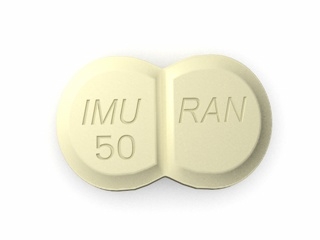

Imuran (Azathioprine) – Patient Information (Australia)
Imuran is a medicine containing azathioprine. It is used to reduce the activity of certain immune responses. This page provides practical, patient-friendly information about how Imuran works, what it’s used for, how it’s taken, and what to expect in terms of safety and monitoring.
Important: Follow the advice of your treating doctor and the medicine label. Don’t stop or change your dose without medical advice.
Quick overview
- Active ingredient: Azathioprine
- Medicine type: Immunosuppressant (antimetabolite)
- Common uses: Autoimmune conditions and prevention/treatment of transplant rejection (in appropriate settings)
- How it’s taken: Usually once daily or divided doses, depending on the regimen
- Key monitoring: Regular blood tests (full blood count, liver function)
- Time to effect: Often weeks to months
Basic product information
| Feature | Details |
|---|---|
| Brand | Imuran |
| Generic name | Azathioprine |
| Drug class | Immunosuppressant / antimetabolite |
| Available forms | Tablets (strengths may vary by product) |
| Therapeutic goal | Reduce immune activity to control disease and prevent complications |
How Imuran works (mechanism of action)
Azathioprine is converted in the body into active substances that interfere with immune cell function. It works mainly by:
- Reducing production and activity of immune cells involved in inflammation and immune attack.
- Modifying DNA/RNA processes in rapidly dividing cells (including some immune cells), which helps to calm an overactive immune response.
- Decreasing inflammatory activity in autoimmune conditions over time.
Because it affects immune activity, Imuran can increase the risk of infections. It also requires regular laboratory monitoring.
Pharmacokinetics (how the body handles it)
Understanding pharmacokinetics can help explain why monitoring matters and why effects take time.
- Absorption: After taking a dose by mouth, azathioprine is absorbed through the gastrointestinal tract.
- Activation and metabolism: Azathioprine is metabolised into active and inactive compounds in the body. Several enzymes and genetic factors influence how quickly and how strongly the medicine works.
- Effect of genetic variation: Activity of the enzyme thiopurine methyltransferase (TPMT) can affect risk of bone marrow suppression and side effects. Testing may be considered by your clinician.
- Onset of action: Clinical benefit often appears gradually—commonly weeks to months—as immune activity progressively settles.
- Elimination: Metabolites are eventually cleared from the body, primarily through liver processing and excretion pathways.
Why this matters: You may not feel immediate improvement, but it doesn’t mean the medicine is ineffective. Adherence and monitoring are key.
Typical uses and indications
Imuran is used in conditions where immune overactivity drives disease. The exact indication depends on your diagnosis and your treatment plan.
Common categories of use
- Autoimmune diseases where immune suppression is needed to reduce inflammation and symptoms.
- Transplant-related immunosuppression (in suitable combinations and regimens) to reduce the risk of organ rejection.
Examples of conditions where azathioprine may be used
Depending on clinical guidelines and individual factors, azathioprine may be considered for:
- Inflammatory bowel disease (including ulcerative colitis and Crohn’s disease) in selected patients
- Autoimmune hepatitis
- Some rheumatologic or dermatologic autoimmune conditions (as determined by specialists)
- Prevention of rejection in organ transplantation (where part of an immunosuppressive regimen)
Note: Your prescriber will choose the best option based on your diagnosis, prior treatments, risk factors, and monitoring availability.
How to take Imuran: timing and practical guidance
Azathioprine is typically taken once daily or divided into doses across the day. Many regimens aim to maintain steady levels and may help manage tolerability.
General timing advice
- Try to take it at the same time each day to stay consistent.
- If your regimen is once daily, choose a time that fits your routine.
- If divided doses are prescribed, space them evenly and keep consistent times.
If you miss a dose
- Take the missed dose when you remember unless it’s close to the next scheduled dose.
- Do not double up to compensate for a missed dose unless your clinician specifically instructs you to.
- If you’re unsure, contact your healthcare team or pharmacist for personalised guidance.
Dosing: what patients should know
Dosing of azathioprine is individualised. It may be based on your condition and your body weight, and may be adjusted according to blood test results and tolerability.
- Starting dose: Often lower initially, then adjusted.
- Maintenance dose: The dose may be tailored to balance effectiveness with safety.
- Lab-guided adjustments: Full blood count and liver function results may lead to dose reductions or temporary pauses.
TPMT/other testing considerations: Some patients may be offered genetic or enzyme activity testing to assess risk of side effects. This can influence dosing decisions.
Always use the exact dose written for you on your medication label.
Food interactions
Azathioprine can be taken with or without food in many cases, but the best choice for you depends on tolerability.
- If you experience nausea: Taking your dose after food may help.
- Be consistent: If you choose to take it with food, aim to do so each day.
- Grapefruit and citrus juices: Check with your pharmacist. While not always a direct interaction for azathioprine, it’s wise to avoid major dietary changes without confirming.
Tip: Keep a short symptom diary in the first few weeks to help your clinician spot patterns and adjust timing if needed.
Alcohol and medicine interactions
Because azathioprine can affect the liver, alcohol may increase stress on the liver. Alcohol can also worsen nausea or increase fatigue.
- Discuss alcohol use with your doctor, especially if you have liver disease or elevated liver tests.
- Keep alcohol low or avoid it until you know how your liver tests respond.
- Look out for warning signs: yellowing of the skin/eyes, dark urine, severe fatigue, right-sided upper abdominal pain, or persistent vomiting—seek medical advice promptly.
Common medicine interaction examples
Azathioprine has several clinically important interactions. Always tell your healthcare team about all medicines, supplements, and herbal products you take.
- Allopurinol and febuxostat: may significantly change azathioprine metabolism and increase toxicity risk.
- Thiopurine drugs (including other azathioprine/mercaptopurine-type medicines): avoid duplicate use unless your clinician directs it.
- Warfarin: interactions can occur; you may need closer INR monitoring.
- Ribavirin or some antivirals/immune-active medicines: can affect blood counts and toxicity risk.
- ACE inhibitors and other medicines affecting bone marrow: may compound risks in some people.
- Live vaccines: immunosuppression may mean some live vaccines are not appropriate.
Do not start or stop interacting medications without checking first. Your pharmacist can screen interactions quickly.
Safety profile: side effects and risks
Many people take azathioprine with careful monitoring and guidance. However, it can cause potentially serious side effects.
Common or expected side effects
- Nausea, reduced appetite
- Diarrhoea or stomach discomfort
- Fatigue
- Headache (less common)
- Temporary hair thinning (possible in some patients)
Serious risks (seek urgent medical help)
- Infections: fever, chills, persistent sore throat, or signs of infection should be assessed promptly.
- Bone marrow suppression (low white blood cells, red blood cells, or platelets): may show as unusual bruising, bleeding, extreme tiredness, mouth ulcers, or repeated infections.
- Liver injury: symptoms may include jaundice (yellowing), dark urine, severe nausea/vomiting, or upper abdominal pain.
- Hypersensitivity reactions: rash, fever, swelling, or breathing difficulty—urgent assessment is necessary.
Long-term considerations
With long-term immunosuppression, there may be an increased risk of certain malignancies (cancers) and other immune-related conditions. This does not mean treatment is automatically unsafe—rather, it highlights why regular follow-up matters and why skin protection and symptom awareness are important.
- Skin cancer awareness: Use sun protection and seek review for suspicious skin lesions.
- Regular check-ups: Follow the monitoring schedule set by your healthcare provider.
Practical use tips for patients
- Attend scheduled blood tests: Full blood count and liver function tests are central to safe use.
- Report symptoms early: Don’t wait for problems to worsen if you develop fever, unusual bruising, severe diarrhoea, or persistent vomiting.
- Use a consistent routine: Taking the tablet at the same time each day supports adherence.
- Store safely: Keep tablets in the original packaging and away from moisture and heat. Store out of sight and reach of children.
- Handling precautions: Avoid crushing tablets unless your clinician or pharmacist advises it. If tablets need to be handled differently, ask your pharmacist for safe handling instructions.
- Keep a medication list: Include dosages and all other medicines/supplements to help prevent interactions.
- Plan for infection prevention: Practice good hand hygiene, avoid close contact with people who are clearly unwell, and seek advice promptly if you feel feverish.
Monitoring schedule: what to expect
Monitoring may vary based on your diagnosis, dose, and blood test history. In general, azathioprine use involves:
- Full blood count (FBC): to detect bone marrow suppression
- Liver function tests (often includes ALT/AST and bilirubin): to detect liver effects
- Additional tests: may be required if you have other risk factors or symptoms
Typical early frequency: Blood tests are often more frequent during the first few months and then less frequent once stable, but your clinician will set the schedule.
Alternative options
For autoimmune disease and transplant immunosuppression, there are other medicines and approaches. The best alternative depends on your condition, severity, prior responses, and safety profile.
Possible alternative medicines (examples)
- Other immunosuppressants (choice depends on diagnosis and risk)
- Corticosteroids (often used short-term or as bridging therapy in some conditions)
- Biologic medicines targeting specific immune pathways (used in selected diseases)
When an alternative may be considered
- Insufficient response after an appropriate trial period
- Persistent or serious side effects
- Abnormal blood tests despite dose adjustment
- Interactions with other required medications
Discuss options with your specialist—switching immunosuppressive strategies should be carefully planned to reduce flare risk and manage infection risk.
Imuran in the Australian context: market, regulation, and guidance
In Australia, azathioprine and branded products like Imuran are regulated medicines and are provided through healthcare services in line with applicable laws, safety standards, and product information requirements.
Clinical use is commonly guided by specialist-led protocols for the relevant condition (for example, gastroenterology for inflammatory bowel disease, rheumatology/dermatology for autoimmune disorders, hepatology for autoimmune hepatitis, or transplant teams for organ recipients). These protocols also emphasise:
- Appropriate patient selection
- Baseline and ongoing blood monitoring
- Risk assessment for interactions (including TPMT-related risk where applicable)
- Infection prevention and vaccination planning
Recent guidance note (general): Ongoing clinical practice in Australia places strong emphasis on careful monitoring of blood counts and liver tests, attention to drug interactions, and patient education about infection warning signs.
Availability, delivery, and how to purchase
Availability can vary by strength and supply. Online pharmacies in Australia commonly provide information about stock status, estimated dispatch times, delivery options, and product authenticity checks.
Delivery and packaging
- Discrete packaging: Orders are typically shipped in secure, plain packaging.
- Temperature considerations: Azathioprine tablets do not usually require cold-chain delivery, but follow storage instructions upon receipt.
- Delivery timeframes: Vary by location and dispatch schedule.
What you should check when your order arrives
- That the product matches the name and strength you expect
- Expiry date
- Tablet appearance and integrity (no unusual damage)
- Any patient information leaflet included in the packaging
Frequently Asked Questions (FAQ)
1) How long does it take for Imuran to work?
Many patients start noticing improvement gradually. It commonly takes weeks to months to see full benefit. If you don’t feel better quickly, continue taking the medication as directed and discuss progress with your clinician.
2) What blood tests are needed?
Typically, your healthcare team monitors your full blood count and liver function. The frequency is usually higher at the start and then adjusted based on stability.
3) Can I take Imuran with food?
Often yes. If you feel nauseated, taking your dose after food may help. Stay consistent with how you take it day to day.
4) Is it safe to drink alcohol while on Imuran?
It may be unsafe or less safe for some people due to potential liver effects. Discuss your alcohol intake with your doctor—especially if you have liver disease or abnormal liver test results. In many cases, keeping alcohol minimal is recommended.
5) What should I do if I get an infection or fever?
Because Imuran suppresses immune activity, infections can become more serious. Seek medical advice promptly if you develop fever, chills, persistent sore throat, or other signs of infection.
6) Can I get vaccinated?
Vaccination advice depends on the type of vaccine and your level of immune suppression. In general, live vaccines may not be suitable. Ask your clinician or pharmacist for advice before any vaccination schedule.
7) Will Imuran interact with my other medicines?
Yes, interactions can occur. Common categories include medicines that affect azathioprine metabolism (for example, certain gout medicines) and medicines affecting blood counts or liver function. Provide your full medication list to your pharmacist to check interactions.
8) What if I miss a dose?
Take it when you remember unless it’s almost time for the next dose. Don’t double up unless your clinician instructs you.
9) Are there warning signs that mean I should stop and get help?
Seek urgent medical attention for signs such as:
- Breathing difficulty, facial swelling, or widespread rash
- High fever or severe infection symptoms
- Unusual bleeding/bruising, severe fatigue, or mouth ulcers
- Yellowing of the skin/eyes or severe abdominal pain
Do not stop medication on your own—contact your healthcare team immediately.
10) What are common alternatives to azathioprine?
Alternatives depend on the condition being treated. Options may include other immunosuppressants, corticosteroids (often short-term), or biologic therapies. Your specialist can recommend the most appropriate pathway.
Take-home message
Imuran (azathioprine) is an immunosuppressant used to treat certain autoimmune conditions and to support transplant regimens. It works gradually and requires regular monitoring to reduce risks such as infection, blood count changes, and liver effects. If you have concerns about side effects, interactions, or your monitoring schedule, speak with your healthcare team or pharmacist.
Always read the Consumer Medicine Information provided with your product and follow your clinician’s instructions.