Betamethasone Valerate (Topical Corticosteroid) – Patient Guide (Australia)
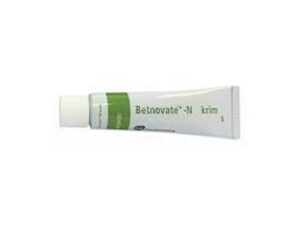
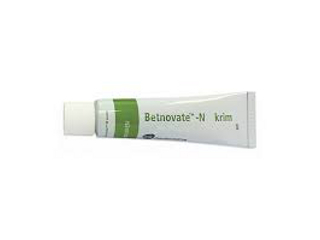
Betamethasone valerate is a corticosteroid medicine used on the skin to help reduce inflammation, redness, itching, and swelling associated with a range of skin conditions. It is available in several topical forms (such as creams, ointments, lotions, and foams depending on strength and brand). This page explains how it works, how to use it safely, what to expect, and key safety information for people in Australia.
Always follow the instructions provided with your product and check with a healthcare professional if you are unsure whether it is appropriate for your specific condition.
Quick Product Information
| Item | Details |
|---|---|
| Medicine name | Betamethasone valerate |
| Type | Topical corticosteroid (anti-inflammatory) |
| How it’s used | Applied to affected skin |
| Common symptom relief | Redness, itching, swelling, inflammation |
| Available forms | Cream, ointment, lotion, foam (varies by product/strength) |
| Strength | Varies by product (e.g., 0.05% is commonly seen) |
| Who should use caution | Children, pregnant/breastfeeding people, skin infections, and people with glaucoma/certain eye conditions (if applied near eyes) |
How Betamethasone Valerate Works (Mechanism of Action)
Betamethasone valerate belongs to the class of medicines called corticosteroids. When applied to the skin, it works by reducing the body’s local inflammatory response. This helps to:
- Decrease release of inflammatory chemicals in the skin
- Reduce swelling and redness
- Relieve itching and irritation
- Slow down immune activity in overactive, inflamed skin
It does not directly kill all germs. If your skin problem is caused by infection (bacterial, fungal, or viral), you may need specific treatments in addition to, or instead of, corticosteroid therapy. Using a steroid alone on an infected area may worsen the infection or mask symptoms.
Pharmacokinetics (Absorption, Distribution, Metabolism, Excretion)
Because betamethasone valerate is used on the skin, only a portion may be absorbed into the body. The degree of absorption varies based on:
- The size of the treated area
- Skin thickness and condition (broken or inflamed skin can absorb more)
- Use of occlusion (covering with airtight dressings) or tight bandaging
- Duration of use and product formulation (cream/ointment/lotion/foam)
After absorption, corticosteroids are metabolised mainly in the liver and eliminated largely via the kidneys. In general, systemic absorption is lower than with oral or injected corticosteroids; however, prolonged use over large areas, under occlusion, or in children can increase the risk of systemic effects.
Typical Uses in Skin Conditions
Betamethasone valerate is typically used to treat steroid-responsive inflammatory skin conditions. It may be used for example in:
- Dermatitis and eczema (including flare-ups that cause itch, redness, and inflammation)
- Inflammatory skin disorders where a doctor recommends a topical corticosteroid
- Psoriasis (in selected cases, depending on the area and severity; scalp and body forms vary)
- Other inflammatory conditions where steroid treatment is appropriate
The exact suitability depends on the diagnosis, location on the body, and severity. If you are unsure whether your condition is inflammatory or infectious, seek medical advice before using a corticosteroid.
When to Expect Results (Timing)
Many people notice improvement within the first few days of use. Typical pattern:
- First 1–3 days: itching and redness may begin to settle
- Within 1–2 weeks: inflammation often improves substantially
- If no improvement: reassess diagnosis and treatment plan
If symptoms worsen, spread, or do not improve within the time suggested for your product, stop using and seek professional guidance.
How to Use Betamethasone Valerate (Dosing and Practical Instructions)
Important: Always follow the dosing instructions on your specific product label. Strength and instructions can vary by brand and formulation.
General dosing principles
- Apply a thin layer to the affected skin only.
- Typically applied once or twice daily, depending on the product and condition.
- Use the lowest effective strength for the shortest possible time to control symptoms.
- Do not use on large areas or for long periods unless advised by a healthcare professional.
Example “step-down” approach
Many clinicians use a “treat then taper” strategy to reduce relapse and minimise steroid exposure:
- Use the medicine regularly for active flare control
- As symptoms improve, reduce frequency (for example, from daily to every other day)
- Stop when the condition is controlled, while continuing moisturisers and gentle skin care
Practical use tips
- Wash hands before and after applying.
- Apply to clean, dry skin.
- Use enough to cover the affected areas lightly (avoid over-application).
- Moisturiser can be applied, but avoid mixing products on the skin unless instructed.
- If you apply moisturiser, consider applying betamethasone first, then moisturiser after it has absorbed (often after a short interval).
- Avoid contact with eyes, mouth, and genital mucosa unless the product is specifically indicated for that area by your prescriber or product instructions.
Do not use for certain skin problems
Do not use betamethasone valerate on skin conditions that are likely to be caused by:
- Untreated bacterial infections (unless combined with appropriate antibacterial treatment)
- Fungal infections (unless combined with appropriate antifungal treatment)
- Viral infections such as herpes or varicella (unless directed)
- Tuberculosis of the skin
- Acne or rosacea (commonly not suitable for steroids)
- Perioral dermatitis (steroid may worsen it)
- Open wounds or ulcerated skin (unless specifically advised)
Timing: How Often and How Long?
The frequency and duration depend on the product strength, the site of treatment, and your condition. As a general guide:
- Use for the shortest time necessary to control symptoms.
- If your symptoms improve quickly, you may not need prolonged treatment.
- Long-term continuous use can increase the risk of skin thinning and other side effects.
If you need repeated courses, or if the condition keeps returning, talk to a healthcare professional. Ongoing inflammatory skin conditions may require a broader plan (including moisturisers, trigger control, and sometimes non-steroid options).
Food Interactions
Betamethasone valerate is applied to the skin, and food interactions are not expected. Because systemic absorption is usually limited, eating or drinking does not typically affect how the medicine works.
Alcohol and Medicine Interactions
There are generally no specific alcohol interactions expected with topical betamethasone valerate. However, it is still important to consider overall health and medications, especially if steroid absorption may be increased (for example, if using on large areas or under occlusion).
If you are taking other medications, tell a healthcare professional or pharmacist if:
- You are using other corticosteroids (topical, oral, inhaled, or injected)
- You are using medicines that affect the immune system
- You have a history of glaucoma or eye disease (especially if applying near the eyes)
When topical steroids are used as directed and for limited periods, significant drug interactions are uncommon.
Indications (When It May Be Considered)
Betamethasone valerate is indicated for inflammatory, steroid-responsive dermatoses. Your clinician will choose the strength and formulation based on:
- Body location (face, eyelids, groin, hands, trunk, scalp)
- Skin thickness (thicker skin may respond differently than thin skin)
- Whether skin is dry or moist (ointments vs creams may differ)
- Severity and extent of symptoms
Because skin sites differ in absorption, careful selection is especially important for sensitive areas such as the face, eyelids, and groin.
Safety Profile and Possible Side Effects
Betamethasone valerate is generally well tolerated when used correctly. However, like all corticosteroids, it can cause side effects—particularly with incorrect use, high strength, long duration, or occlusion.
Common local side effects
- Skin burning, irritation, or stinging
- Dryness or increased sensitivity
- Folliculitis (inflammation of hair follicles)
- Acne-like changes
Less common but important local effects
- Skin thinning (atrophy)
- Stretch marks (striae)
- Visible small blood vessels (telangiectasia)
- Changes in skin colour (lightening or darkening)
- Worsening of underlying infection
- Perioral dermatitis or rosacea-like rash (especially around the mouth)
Systemic effects (mainly with higher absorption)
Systemic corticosteroid effects are uncommon when used as directed. Risk increases with: large treated areas, frequent application, occlusion, long-term use, and use in children.
- Suppression of the body’s own cortisol production
- Effects on growth in children (with inappropriate or prolonged use)
- In rare cases, features consistent with high steroid exposure
When to stop and seek advice
Get medical advice promptly if you notice:
- Signs of infection: increasing pain, warmth, swelling, pus, or spreading redness
- Rash that rapidly worsens or spreads
- No improvement after the expected time
- Eye symptoms if applied near the eye (pain, blurred vision, or redness)
- Severe local skin reactions
Practical Use Tips for Safer Results
- Use the “finger-tip unit” concept: many clinicians use a measured amount for consistent dosing across body areas. Your pharmacist can explain this for your product.
- Moisturise regularly: moisturisers reduce itch and help prevent flare-ups.
- Avoid unnecessary occlusion: do not cover with airtight wraps unless specifically advised.
- Don’t apply to broken skin unnecessarily: it can increase absorption and irritation.
- Be careful near sensitive areas: face, eyelids, and genitals have higher absorption.
- Use short courses: once controlled, stop or step down as advised.
- Check for infection: if the area is oozing, crusting, or spreading, get advice before continuing.
Alternative Options (Depending on Your Condition)
Treatment choice depends on diagnosis, severity, location, and how often symptoms return. Alternatives may include:
- Non-steroidal anti-inflammatory creams/ointments (for suitable conditions)
- Moisturisers and barrier-repair products as first-line maintenance
- Antihistamines for itch (when appropriate)
- Antifungal or antibacterial treatments if an infection is present
- Other topical corticosteroids with different strengths or vehicles (cream vs ointment vs lotion)
- Phototherapy or systemic therapy for complex or severe cases under specialist care
If you keep needing betamethasone valerate for repeated flares, it may be worth discussing a long-term plan with a healthcare professional to reduce reliance on steroid-only treatment.
Betamethasone Valerate in Australia: Market and Legal Context
In Australia, medicines are regulated by the Therapeutic Goods Administration (TGA). Product availability, strength, and the way betamethasone valerate is supplied can differ depending on the formulation and concentration. Some products may be available through pharmacies under different supply arrangements, while others may require assessment before supply.
For the most accurate guidance for your specific product, check:
- the strength listed on the pack
- the instructions included in the consumer medicine information
- the medicine schedule and supply requirements noted by the pharmacy
If you are buying online, reputable Australian pharmacies will provide clear product details, expiry information, and appropriate guidance on safe use.
Recent Guidance and Considerations
Ongoing clinical guidance internationally and in Australia emphasises:
- Using topical corticosteroids appropriately—right strength, right site, right duration
- Minimising exposure through short courses and step-down dosing
- Regular moisturising and trigger management to reduce recurrence
- Being alert to infection because steroids can mask or worsen infections
- Special caution in children and with sensitive body areas
If symptoms persist or recur frequently, it is often recommended to review the diagnosis and consider steroid-sparing approaches where suitable.
Delivery and Availability (Australia)
Betamethasone valerate products are commonly stocked by Australian pharmacies, and availability may vary by brand, strength, and formulation (cream, ointment, lotion, foam). When ordering online:
- Choose the exact strength and form you need (for example, cream vs ointment).
- Check expiry date and packaging details when provided.
- Delivery times can vary by location and courier service.
If you require advice on the best formulation for the skin area (e.g., scalp vs body), you can contact a pharmacist using the contact options on the pharmacy website.
FAQ (Frequently Asked Questions)
1) Is betamethasone valerate safe to use on the skin?
When used as directed—thin layer, correct frequency, for the shortest time—topical betamethasone valerate is generally safe. Safety decreases with high strength, prolonged use, large areas, occlusion, and use on sensitive sites. If you notice skin thinning, worsening rash, or signs of infection, stop and seek advice.
2) How long should I use it?
Use for the shortest time that controls symptoms. Many people improve within days, and treatment may be stepped down or stopped once the flare settles. If symptoms don’t improve within the expected timeframe, discuss your diagnosis and plan with a healthcare professional.
3) Can I use it on my face or eyelids?
Use on the face and eyelids requires extra caution due to higher absorption and sensitivity. Only use if specifically recommended for that area and with the correct strength. Avoid getting it into the eyes.
4) What if the skin area looks infected?
Oozing, pus, increasing pain, warmth, rapidly spreading redness, or fever may suggest infection. Corticosteroids can mask symptoms. Seek medical advice before continuing treatment.
5) Can I wear bandages or cover the area after applying?
Avoid airtight occlusion unless advised. Covering can increase absorption and the risk of side effects. If you need to dress the area, use appropriate, breathable coverings and follow product instructions or pharmacist guidance.
6) Is it okay to apply moisturiser at the same time?
Generally, yes. Apply betamethasone first, allow it to absorb, then apply moisturiser. Keep products separate rather than mixing directly unless your healthcare professional or pharmacist advises otherwise.
7) What should I do if I miss a dose?
Apply it when you remember unless it is close to the next scheduled application. Do not apply extra to make up for a missed dose.
8) Can I use betamethasone valerate during pregnancy or breastfeeding?
It may be used in pregnancy and breastfeeding only if advised by a healthcare professional. If it is needed, use the lowest effective strength for the shortest duration, avoid large areas, and take extra care not to apply to the nipple/areola if breastfeeding unless specifically instructed.
9) Can children use betamethasone valerate?
Children can be more sensitive to topical steroid side effects. Use only if appropriate for their condition and at the lowest effective strength, with careful duration. Extra caution is needed for large areas and prolonged use.
10) Will it affect other medicines or alcohol?
Because it is topical, major interactions are uncommon. No specific alcohol interactions are expected. Still, tell a healthcare professional or pharmacist about all medicines you use, particularly other corticosteroids.
11) Can I stop suddenly once symptoms improve?
For short courses, stopping may be fine. If you used it for longer periods or frequently, ask a healthcare professional about whether to taper to reduce the chance of rebound. Don’t abruptly stop if you were instructed otherwise.
12) What should I avoid while using it?
Avoid using it on suspected infections without guidance, avoid getting it in the eyes or on mucous membranes, and avoid unnecessary occlusion. Also avoid applying to areas where steroid use could worsen the condition (such as acne-like rashes or perioral dermatitis) unless advised.
Summary
Betamethasone valerate is a topical corticosteroid used to relieve inflammatory symptoms in steroid-responsive skin conditions. It works by reducing local inflammation and immune activity. When used correctly—thin layer, appropriate strength, and for the shortest time—many people experience symptom improvement within days. Follow safe-use guidelines, watch for signs of infection or skin thinning, and consider moisturisers and a broader treatment plan to reduce flare-ups.
If you have questions about your specific product strength, how to apply it to a particular body area, or how long to use it, speak to a pharmacist or healthcare professional.