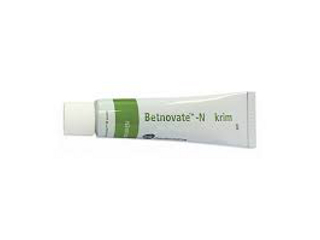

Betamethasone (Betamethasone) – Patient-Friendly Medicine Information (Australia)
Betamethasone is a corticosteroid medicine used to reduce inflammation and calm an overactive immune response. It is available in different forms (for example, tablets and injections, and in some cases topical preparations depending on the product brand and strength). This guide is written for consumers in Australia and explains what betamethasone is used for, how it works, how the body handles it, and important safety and interaction information.
Always follow the instructions provided with your specific product and talk to a pharmacist or doctor if you have questions—especially if you are pregnant, have diabetes, have an infection, or take other medicines.
Basic product information
| Category | Corticosteroid (anti-inflammatory / immunosuppressant) |
|---|---|
| Active ingredient | Betamethasone |
| Common forms | Tablets (varies by brand), injection (varies by product) |
| How it helps | Reduces inflammation, swelling, and immune activity |
| Typical dosing approach | Depends on the condition, formulation, and severity; dose may change over time |
| Key cautions | Infection risk, blood sugar changes, stomach irritation/ulcer risk, adrenal suppression |
How betamethasone works (mechanism of action)
Betamethasone is a glucocorticoid. It reduces inflammation by affecting multiple pathways in the body:
- Decreases inflammatory chemicals (such as cytokines and prostaglandins), which lowers swelling, redness, pain, and tissue irritation.
- Modulates the immune response, helping control conditions where the immune system causes harmful inflammation.
- Stabilises cell processes and reduces immune cell migration into inflamed tissues.
- Effects on metabolism (including glucose), which is why blood sugar may rise—especially at higher doses.
The exact effect depends on the dose and duration, and on the specific condition being treated.
Pharmacokinetics (how your body handles it)
“Pharmacokinetics” describes what the body does to a medicine—how it is absorbed, distributed, metabolised, and eliminated. Individual variations exist based on the formulation (tablet vs injection), your organs’ function, age, and other medicines.
Absorption
- Tablets: Typically absorbed via the gastrointestinal tract.
- Injections: Delivered directly into the body (route varies by product), providing more immediate systemic exposure.
Distribution
- Betamethasone circulates in the bloodstream and can distribute into tissues.
- It binds to proteins in plasma (protein binding influences how much drug is available to act).
Metabolism
- It is metabolised mainly in the liver into inactive or less active forms.
Elimination
- Metabolites are cleared primarily via the kidneys (urine), with some contribution from bile/faeces depending on the specific pathway.
- The overall “effective duration” may differ from the measurable blood half-life because dosing schedules are designed for clinical effect.
If you have liver or kidney problems, your prescriber may adjust the plan and monitor you more closely.
Typical uses (indications)
Betamethasone is used for a range of inflammatory and immune-related conditions. The exact indication depends on the formulation and strength. Common clinical uses include:
- Severe allergic/inflammatory reactions (in selected cases).
- Autoimmune and inflammatory disorders where reducing immune-driven inflammation is needed.
- Skin conditions that are steroid-responsive (in topical forms or specific systemic situations—depending on product).
- Respiratory inflammation in particular settings (for example, asthma exacerbation plans may incorporate corticosteroids; product choice varies).
- Rheumatologic inflammatory diseases (used to control flares or reduce inflammation).
- Blood and endocrine conditions in specialist-directed settings (varies by product and dose).
Betamethasone may also be used in obstetric care in specific situations (for example, to help mature fetal lungs in threatened preterm birth), but this is managed under specialist protocols and product-specific guidance.
When it starts working (timing) and what to expect
Timing varies by condition and route:
- Injection: Often begins working faster due to immediate systemic delivery.
- Tablets: In many inflammatory conditions, improvement may be noticeable within hours to days, while maximum effect may take longer.
If your symptoms worsen rapidly, you develop a fever, or you have concerns about infection, seek medical advice promptly. Do not stop suddenly if you’ve been taking corticosteroids regularly for more than a short course—your body may need a gradual reduction (“taper”) to allow the adrenal glands to recover.
Dosing guidance (general information)
Dosing of betamethasone is highly individual. It depends on:
- the diagnosis and severity
- your age and overall health
- the form (tablet vs injection) and the concentration/strength
- other medications you take
- the desired duration of therapy
Important: Use the exact regimen provided for your specific product. Typical dosing information in consumer guides is often too general to apply safely to everyone.
How to take tablets (if applicable)
- Take at the time(s) instructed by your healthcare professional.
- Many corticosteroid regimens are designed to reduce sleep disturbance and preserve natural hormone rhythms (often taken earlier in the day).
- Follow instructions on whether to take with food or on an empty stomach based on the product label.
Missed dose
If you miss a dose, take it when you remember unless it is close to the next dose. If you’re unsure, ask a pharmacist. Do not double up.
Food interactions
Food doesn’t usually “cancel out” betamethasone, but it can influence comfort and risk of stomach irritation. Some practical points:
- Take with food if you get nausea or heartburn. This can reduce stomach discomfort for many people.
- Consider calcium and vitamin D intake. Corticosteroids can affect bone health with longer courses; dietary calcium and vitamin D support may be recommended by your clinician.
- Monitor blood sugar. Steroids can raise glucose; if you have diabetes, follow your diabetes plan and monitor more frequently as advised.
- Salt and fluids: Steroids can contribute to fluid retention in some people. Your clinician may recommend limiting salt if you have high blood pressure or heart failure.
There are no widely recognised “must avoid” foods for betamethasone in the way there are for some other medications, but individual diet plans are important—especially for diabetes, hypertension, and gastric reflux.
Alcohol and medicine interactions
Alcohol
Alcohol is not usually an absolute “contraindication,” but it can increase side effects such as:
- Stomach irritation (especially if you are prone to gastritis, reflux, or ulcers).
- Sleep disturbance or mood changes.
- Blood sugar fluctuations, particularly in people with diabetes.
- Higher risk of impaired immune response if combined with other factors.
If you choose to drink, consider keeping alcohol intake low and avoid binge drinking. Ask your pharmacist whether alcohol is advisable for your specific regimen.
Common medicine interactions
Betamethasone can interact with several medicines. The risk depends on dose and duration. Inform your pharmacist/doctor about all medicines, including over-the-counter products and supplements.
- Non-steroidal anti-inflammatory drugs (NSAIDs) (e.g., ibuprofen, naproxen): increased risk of stomach irritation/ulcer/bleeding.
- Blood thinners (e.g., warfarin): effect on bleeding control may change; monitoring may be needed.
- Diabetes medicines (insulin, metformin, sulfonylureas, etc.): blood glucose may rise, requiring adjustment.
- Antifungals and some antibiotics (and other medicines that affect liver enzymes): may change betamethasone levels.
- Vaccines: living vaccines may be less appropriate during significant immunosuppression; timing advice may be required.
- Diuretics and blood pressure medicines: fluid and electrolyte balance may be affected.
- Some seizure medicines and other enzyme-inducing drugs: may reduce steroid effectiveness.
This is not a complete list. Always check interactions with your pharmacist.
Safety profile: side effects and when to get help
Like all medicines, betamethasone can cause side effects. Many people experience mild effects, especially at short courses, but some risks increase with higher doses or longer duration. Seek urgent medical help if you develop severe symptoms.
Common side effects
- Increased appetite
- Weight gain (often from fluid retention or increased appetite)
- Heartburn, indigestion, stomach discomfort
- Sleep disturbance (insomnia)
- Mood changes, irritability, or anxiety
- Headache
- Swelling due to fluid retention (in some people)
- Increased blood sugar (especially in those with diabetes)
- Higher blood pressure in some cases
Less common but important risks
- Infection risk: steroids can reduce the body’s ability to fight infections. Watch for fever, worsening cough, burning urine, unusual skin infections, or severe fatigue.
- Stomach ulcer/bleeding: risk is higher if you use NSAIDs, have a history of ulcers, or take higher doses.
- Adrenal suppression: with prolonged use, your body may reduce natural steroid production. Do not stop suddenly.
- Bone thinning (osteoporosis): risk increases with long-term therapy.
- Eye effects: with longer use, risk of cataracts or glaucoma may increase.
- Skin changes: thinning skin, easy bruising, or slow wound healing.
- Muscle weakness: especially with higher doses over time.
- Electrolyte changes: possible potassium changes and fluid retention.
- Temporary changes in appearance: such as puffy face (Cushingoid features), typically reversible after treatment ends.
When to seek urgent help
- Signs of a serious infection (high fever, shortness of breath, confusion, severe sore throat, rapidly spreading skin redness)
- Black or bloody stools, vomiting blood, or severe stomach pain
- Severe allergic reaction (swelling of face/lips, difficulty breathing)
- Severe mood changes, confusion, or unusual behaviour
- Severe eye pain or sudden vision changes (especially with longer courses)
Practical use tips (safe, effective routines)
- Take at the right time: many steroid schedules are designed for earlier in the day. Follow your instructions.
- Don’t stop abruptly: especially if you have taken corticosteroids regularly for more than a short period. Ask about tapering.
- Use a dosing reminder: set alarms or use a pill organiser to prevent missed doses.
- Protect your stomach: if you experience heartburn or indigestion, taking with food may help—confirm with your pharmacist.
- Monitor blood sugar: if you have diabetes or symptoms like excessive thirst/urination, check glucose more frequently.
- Keep an eye on blood pressure and swelling: especially if you have cardiovascular conditions.
- Bone support: for longer courses, discuss calcium/vitamin D and whether bone protection is needed.
- Infection precautions: avoid close contact with people who have chickenpox or measles if you’re not immune, and contact your clinician promptly if exposure occurs.
- Bring a medication list: include betamethasone when attending appointments or emergencies.
Alternative options
Alternatives depend on the condition being treated, the route (oral vs injection vs topical), and how severe the symptoms are. Your clinician may consider:
- Other corticosteroids (different agents with similar anti-inflammatory effects).
- Non-steroidal anti-inflammatory or symptom-relief medicines (where appropriate and safe for your situation).
- Immunomodulatory medicines (for chronic immune-mediated conditions, under specialist guidance).
- Targeted therapies for certain autoimmune diseases (depending on diagnosis).
If you’re asking about alternatives because of side effects or interactions, it’s important to compare both effectiveness and safety for your specific diagnosis.
Market and legal context for Australia (consumer overview)
In Australia, medicines are supplied under a regulatory framework that includes scheduling (for example, some medicines are prescription-only while others may be available under pharmacist supply conditions). Availability depends on the specific product brand, formulation, and strength.
In general terms, corticosteroids like betamethasone are widely used in clinical practice, but because they can affect infection risk and adrenal function, products are controlled to support safe use and appropriate monitoring.
For the most accurate information about what is available through an Australian pharmacy and which strengths/forms can be supplied, refer to the product packaging and our pharmacy listing details (including any eligibility checks required by law).
Recent guidance and safety updates (what to know)
Guidance around corticosteroid safety commonly emphasises:
- Using the lowest effective dose for the shortest necessary duration.
- Recognising the infection risk and advising prompt review if symptoms of infection occur.
- Avoiding abrupt stopping after longer courses due to adrenal suppression risk.
- Monitoring for blood glucose changes, blood pressure, stomach symptoms, and, with prolonged use, bone and eye complications.
- Considering vaccine advice for people receiving immunosuppressive doses and appropriate timing where relevant.
Local clinical practice may update based on emerging evidence, so if you’re using betamethasone long-term, it’s worth having periodic medication reviews with your doctor or pharmacist.
Delivery and availability (online pharmacy information)
Availability and delivery timeframes can vary depending on stock status and the specific form/strength. Common practical points for customers:
- Stock and delivery: Orders are typically dispatched once payment and any required checks are completed.
- Cold-chain considerations: Most betamethasone products do not require refrigeration, but always check the product label and storage instructions.
- Track your order: Many online pharmacies provide tracking updates after dispatch.
- Correct product: Ensure you receive the exact strength and form you ordered; if anything differs, contact customer support.
If you need help choosing the correct product form (for example, tablets vs injection) or want to check suitability based on your medical history, speak with a pharmacist.
FAQ – Frequently asked questions
1) What is betamethasone used for?
Betamethasone is used to reduce inflammation and regulate immune responses. It may be used for conditions such as severe allergic/inflammatory reactions, autoimmune diseases, and other steroid-responsive inflammatory problems—depending on the specific product and formulation.
2) How quickly will I feel better?
Many people notice improvement within hours to a few days, but this depends on the condition and route. Injections can act faster than tablets. If there is no improvement, or symptoms worsen, contact your healthcare professional.
3) Can I take betamethasone with food?
For many people, taking with food helps reduce stomach discomfort. Follow the directions on your specific product. If you get reflux or nausea, speak to a pharmacist for tailored advice.
4) Does betamethasone raise blood sugar?
Yes. Corticosteroids can increase glucose levels, especially at higher doses or in people with diabetes. Monitor your readings as advised and discuss dose adjustments with your clinician if needed.
5) Are there any important drug interactions?
Yes. Common concerns include NSAIDs (stomach irritation/ulcers), blood thinners (monitoring may be required), diabetes medicines (glucose changes), and medicines that affect liver metabolism. Tell your pharmacist about all medicines and supplements you use.
6) Is it safe to drink alcohol while taking betamethasone?
Alcohol isn’t always strictly forbidden, but it can increase stomach irritation and may worsen sleep and mood effects. Keep intake low and ask a pharmacist if you have a history of ulcers, diabetes, or other relevant conditions.
7) What happens if I miss a dose?
Take it when you remember unless it’s close to the next dose. Do not double up. If you’re unsure, ask a pharmacist for advice based on your regimen.
8) Can I stop betamethasone suddenly?
Do not stop suddenly if you’ve been taking corticosteroids regularly for more than a short period. Your body may need a gradual taper. Ask your clinician or pharmacist about the correct stopping plan.
9) What side effects should I watch for?
Watch for signs of infection (fever, worsening symptoms), stomach pain or black stools, severe mood changes, and eye symptoms such as blurred vision or eye pain. Seek urgent medical help if symptoms are severe.
10) Are there alternatives to betamethasone?
Yes. Alternatives depend on the condition, such as other corticosteroids, non-steroidal options, or other immune-modulating therapies. Discuss options with a clinician to balance benefits and risks.
Important reminders
- Use the correct formulation and strength as directed.
- Report any infection symptoms promptly.
- Keep monitoring needs in mind (blood sugar, blood pressure, stomach symptoms, and long-term effects if used over time).
- Ask a pharmacist if you have questions about timing, interactions, or side effects specific to your situation.
This information is provided to help you understand betamethasone and make informed decisions about your care. It does not replace advice from a healthcare professional.