Efudex (Fluorouracil) Cream & Solution — Patient Information (Australia)
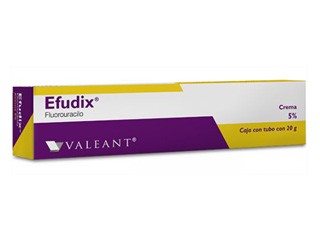
Efudex contains fluorouracil (also known as 5-fluorouracil or 5-FU), a medicine used to treat certain skin conditions where abnormal or cancerous cells are present at the surface or just beneath it. Efudex is commonly used for field treatment of sun-damaged skin and for some superficial skin cancers.
This guide explains how Efudex works, how it’s typically used, what to expect, important interactions (including with alcohol), safety considerations, and practical tips for Australian patients. It is written in patient-friendly language to help you understand your treatment.
Basic Product Information
| Feature | Details |
|---|---|
| Active ingredient | Fluorouracil (5-fluorouracil, 5-FU) |
| Brand name | Efudex |
| Common forms | Topical preparations (e.g., cream/solution depending on product availability) |
| Therapeutic class | Antimetabolite/chemotherapeutic agent used topically |
| Where it acts | Primarily on abnormal cells in the skin surface (topical “field” treatment) |
| Typical goal | Reduce visible and microscopic abnormal lesions |
How Efudex Works (Mechanism of Action)
Fluorouracil is an antimetabolite. It works by interfering with DNA and RNA production in fast-growing abnormal cells. In simple terms: cells need to copy genetic material to grow and divide; Efudex disrupts the biochemical steps required for this process.
Because many skin lesions (such as actinic keratoses) involve cells that are actively growing and damaged by ultraviolet (UV) exposure, Efudex can help destroy or control these abnormal cells in the treated area.
Over time, the treated skin usually becomes inflamed and irritated as abnormal cells are affected. This reaction is a known part of topical therapy, and how your skin responds helps clinicians judge effectiveness.
Pharmacokinetics (What the Body Does With Efudex)
When used as a topical medicine, only a small portion of fluorouracil is absorbed through intact skin. Absorption can be higher if:
- the skin barrier is disrupted (e.g., inflamed skin, open sores, extensive treatment area),
- large areas are treated,
- under occlusion (covered) conditions are used, or
- the product is applied under conditions that increase penetration.
After absorption, fluorouracil is metabolised in the body and eliminated through normal pathways. The exact extent of systemic absorption varies between individuals and depends on the treated site, severity of skin reaction, and duration of treatment.
Clinically, this is why the medication is mainly used for local skin effects and why patients are advised to follow the application schedule carefully. Excessive use or treating more area than directed increases the chance of side effects from higher systemic exposure.
Typical Use and Indications
Efudex is used to treat specific skin conditions, particularly those related to sun damage. It is often used when there are multiple small lesions across a “field” of skin rather than isolated spots only.
Common indications include:
- Actinic keratoses (also called solar keratoses): rough, scaly patches caused by long-term UV exposure.
- Superficial skin cancers or certain premalignant/surface lesions as determined by a clinician.
- Some cases of Bowen’s disease (squamous cell carcinoma in situ) depending on local practice and product regimen.
The most appropriate use depends on factors such as lesion size, location, the number of lesions, your skin type, and prior treatments.
Timing: When to Apply and How Long It Takes to Work
Efudex usually causes a reaction in the treated skin, and visible improvement typically becomes clearer as abnormal cells heal and shed. Exact schedules vary depending on the condition and local prescribing guidance.
General expectations (patient perspective):
- Early days (about days 1–7): mild redness or a tingling/burning sensation may begin.
- Middle of treatment: inflammation increases; scaling, crusting, and discomfort are common.
- End of treatment: the area may look significantly irritated as abnormal cells are affected.
- After stopping: healing occurs over subsequent weeks; the final result is assessed after the skin has settled.
Many patients find it helpful to plan treatment for a time when you can manage daily skin care and reduce sun exposure. Ask your clinician for a personalised plan and follow any written instructions exactly.
Dosing (How Much and How Often)
Efudex dosing depends on:
- the skin condition being treated,
- the product strength and formulation,
- the body area, and
- your tolerance and the degree of skin reaction.
Because products can differ in concentration and directions, the safest approach is to use the exact regimen provided for your condition. Do not increase frequency or quantity to “speed up” results—this can increase side effects and may worsen healing.
General practical dosing principles (topical):
- Apply a thin layer as instructed.
- Wash hands before and after application.
- Avoid eyes, lips, nostrils, and genital area unless specifically directed.
- Treat only the area directed by your clinician.
- Follow the recommended cycle (e.g., daily for a specified period) and stop when instructed.
If your skin becomes excessively painful, develops ulceration beyond the expected inflammatory reaction, or shows signs of infection, seek medical advice promptly.
Food Interactions
Efudex is a topical medicine. For most patients, food interactions are not a major concern because systemic absorption is limited. However, if you experience significant skin inflammation, you may have reduced appetite or general discomfort.
Aim to stay hydrated and maintain adequate nutrition during treatment to support skin healing. If you have other medical conditions or are taking multiple medications, discuss potential interaction issues with your healthcare professional.
Alcohol and Medicine Interactions
There are no well-known direct alcohol-to-fluorouracil topical interactions in typical patient use, but alcohol can affect your body in ways that may influence how you feel during treatment.
Practical considerations for alcohol:
- Skin dehydration and irritation: alcohol can contribute to dehydration, which may worsen dryness or irritation.
- Reduced healing support: heavy drinking can impair immune function and tissue repair.
- Safety with discomfort: if your skin is very sore, alcohol may make you feel worse or delay self-care.
If you have ongoing medication regimens or liver-related health issues, speak to your clinician for personalised advice. Also consider avoiding alcohol if you are taking other treatments for cancer or immune-related conditions.
For medication interactions, the most important approach is to ensure you and your clinician know about: all topical products you apply to the area and all systemic medicines you take.
Other medicine considerations (common-sense precautions):
- Be cautious when using other creams or ointments on the same area unless advised (e.g., strong corticosteroids, retinoids, exfoliating agents).
- Avoid “layering” multiple actives unless your clinician directs it.
- If you are on treatments affecting the immune system or have a history of significant skin reactions, let your clinician know.
Safety Profile: Common and Serious Side Effects
Efudex works by affecting rapidly dividing cells, so the most noticeable side effects are related to local skin irritation. Most patients experience some level of redness and irritation as treatment progresses.
Common side effects (local skin effects):
- Redness (erythema)
- Burning, stinging, or soreness
- Itching
- Dryness, scaling, and flaking
- Crusting and blistering
- Swelling (in more reactive skin)
- Exudate (weeping) as the reaction peaks
- Temporary changes in skin colour (hyperpigmentation or hypopigmentation)
Less common but important risks:
- Severe skin ulceration or extensive open sores beyond expected inflammation.
- Infection of irritated skin (e.g., increasing pain, warmth, pus, fever).
- Systemic effects are uncommon with topical use, but can occur if absorption is increased by treating very large areas or using excessive amounts.
- Eye exposure can be dangerous—immediate rinsing is required if accidental contact occurs.
Seek urgent medical help if:
- you develop signs of a serious allergic reaction (swelling of face/lips, difficulty breathing),
- you have widespread rash, severe blistering, or rapidly worsening symptoms,
- you get fever or feel unwell with a painful, infected area.
If you are pregnant, trying to conceive, or breastfeeding, discuss the risks and benefits with your clinician before using Efudex. Fluorouracil is generally treated with caution in pregnancy because of its systemic and mechanistic properties.
Practical Use Tips (How to Use Efudex Safely)
The way you apply Efudex affects both effectiveness and tolerability. The tips below help many patients. Always follow the specific directions you were given for your regimen.
Before you start
- Choose a time when you can reduce sun exposure and manage skin care at home.
- Have gentle moisturiser or barrier products ready if your clinician recommends them.
- Plan for possible redness and discomfort in the treated area.
Application steps
- Clean the skin gently and pat dry.
- Apply a thin layer to the affected area only.
- Wash hands immediately after applying.
- Avoid contact with eyes, lips, and other mucous membranes.
- Do not cover with tight occlusive dressings unless specifically instructed.
During treatment
- Protect treated skin from sun using clothing and broad-spectrum sunscreen (and avoid direct midday sun).
- If the skin is very sore, ask your clinician about pain relief options and appropriate moisturising/bandaging.
- Do not pick crusts or blisters—let them shed naturally.
- Keep the area clean; follow any wound-care instructions given.
After treatment
- Continue sun protection to reduce recurrence and protect healing skin.
- Expect healing to take weeks; the final outcome may not be clear right away.
- Attend follow-up appointments so your clinician can assess response.
What to Expect: A Typical Treatment Course
Many patients describe Efudex as causing a “controlled flare” of irritation. This helps confirm the medicine is reaching abnormal cells. Reactions vary widely between individuals.
Your clinician may adjust treatment (for example, temporarily pausing or reducing frequency) if the skin response becomes too intense. If you feel uncertain about your reaction, contact your clinician promptly rather than pushing through.
Useful checkpoints
- Too mild? If there’s little redness or scaling, effectiveness might be reduced—seek advice.
- Too intense? If you cannot tolerate the discomfort, have severe ulceration, or see signs of infection, seek advice urgently.
- Unexpected areas? If the reaction spreads far beyond the intended site, stop and seek guidance.
Alternative Treatment Options
Efudex is one option for sun-damaged skin and certain superficial lesions. Depending on your diagnosis, lesion pattern, and tolerance, clinicians may consider alternatives such as:
Common alternatives include:
- Cryotherapy (freezing) for individual actinic keratoses.
- Photodynamic therapy (PDT) for field treatment in selected cases.
- Other topical therapies (for example, medicines used for actinic keratoses depending on availability and suitability).
- Surgery for some lesions, especially if they are thicker, symptomatic, or not suitable for topical therapy.
- Laser therapy or other dermatology-led approaches in select settings.
Your clinician can help weigh benefits (field coverage, non-invasive approach) versus drawbacks (local irritation, healing time, adherence to a regimen).
Market & Legal Context in Australia
In Australia, topical fluorouracil products are regulated under national medicines and healthcare frameworks. The availability of specific Efudex presentations may vary over time due to supply and manufacturer decisions.
Online pharmacies in Australia typically follow legal requirements for medicines distribution, including:
- ensuring appropriate patient screening and counselling,
- supplying the correct product strength and instructions,
- storing and transporting medicines correctly, and
- adhering to Australian medicine scheduling rules and consumer protections.
If a product is not suitable for your condition or you have questions about dosing or safety, a healthcare professional can help determine the best treatment plan.
Recent guidance (high-level information)
Dermatology guidance internationally—and in Australia—continues to emphasise:
- prevention of UV damage (regular sunscreen use, protective clothing, sun-avoidance),
- field-directed therapy for multiple actinic keratoses,
- appropriate follow-up to monitor response and detect progression early, and
- choosing treatments based on lesion type, patient preference, and tolerance.
For individual clinical advice, follow your clinician’s plan and local dermatology recommendations.
Delivery, Packaging, and Availability (Australia)
Availability of Efudex preparations can vary. When ordering online, check:
- the product strength and formulation (cream vs solution),
- the expiry date,
- delivery times for your state/region, and
- any temperature-handling instructions on the pack.
Many pharmacies dispatch medicines in secure packaging to protect the product during transit. If you are concerned about delivery timing during an ongoing treatment cycle, contact the pharmacy before ordering.
If you require more than one pack (for example, for a multi-week course), it may be helpful to order early to avoid interruptions. Interrupted treatment may affect results, so plan ahead.
FAQ: Efudex (Fluorouracil)
1) Is Efudex only used for actinic keratoses?
No. Efudex can be used for other superficial or premalignant skin conditions where fluorouracil is an appropriate therapy. Your diagnosis determines the regimen and expected reaction.
2) How will my skin look during treatment?
Redness, scaling, crusting, and soreness are common. The area may look worse before it looks better. This inflammatory response is often part of treatment, but severe pain, extensive ulceration, or signs of infection should be assessed urgently.
3) Can I apply sunscreen while using Efudex?
Yes. Protecting treated and surrounding skin from UV is important. Use broad-spectrum sunscreen and protective clothing. Avoid direct sun and follow any clinician instructions for the specific site.
4) What should I do if I miss a dose?
If you forget a dose, apply it when you remember only if it’s close to the normal schedule and you are not instructed to skip. If you are unsure, contact your clinician or pharmacist for advice specific to your schedule.
5) Can I use moisturiser or other creams?
Sometimes, moisturisers or barrier creams are recommended to improve comfort and protect the skin. However, avoid combining Efudex with other active skincare ingredients (such as exfoliants or retinoids) unless advised. Ask your clinician which products are safe to use on the treated area.
6) Will Efudex stain or change my skin colour permanently?
Temporary colour changes can occur and often improve over time. Persistent pigment changes are possible, especially in darker skin tones or with strong inflammation. Sun protection helps reduce lasting changes.
7) Can I drink alcohol while using Efudex?
Moderate alcohol is not usually a direct interaction concern for topical use, but alcohol may worsen dehydration and overall well-being. Avoid heavy drinking and seek personalised advice if you have other health conditions or treatments.
8) What if the treated area becomes too painful?
Stop applying Efudex and contact your clinician for advice if pain is severe or if skin breakdown seems excessive. Adjustments to frequency or supportive care may be needed.
9) Can Efudex be used on all skin types?
Efudex can be used in many patients, but sensitivity and cosmetic outcomes can vary. Your clinician may tailor the approach based on lesion location, your skin type, and expected tolerance.
10) How long does healing take after finishing Efudex?
Healing commonly takes several weeks. Full cosmetic and clinical assessment may occur later, depending on your condition and clinician follow-up schedule.
When to Seek Medical Advice
Contact a healthcare professional promptly if you experience:
- severe or rapidly worsening skin reactions,
- signs of infection (increasing pain, warmth, pus, fever),
- eye exposure or irritation following accidental contact,
- symptoms that spread beyond the treated area,
- any concerns about pregnancy, breastfeeding, or significant medical history.
Summary
Efudex (fluorouracil) is a topical medicine designed to treat certain sun-damaged skin conditions and superficial lesions by targeting rapidly dividing abnormal cells. It works locally, but proper application and careful follow-up are essential. Patients should expect a predictable inflammatory reaction during treatment, protect the area from UV, and seek advice if the reaction becomes too severe or shows signs of infection.