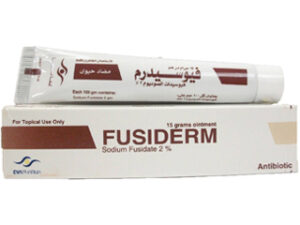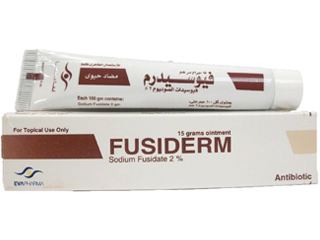
Fusiderm B Cream (Betamethasone & Fusidic Acid) — Patient Information (Australia)
Fusiderm B is a combination medicine used on the skin that contains:
- Betamethasone (a corticosteroid to reduce inflammation)
- Fusidic acid (an antibiotic to treat certain bacterial skin infections)
This product is commonly used when there is both inflammation and a suspected or confirmed bacterial infection of the skin. This page explains how Fusiderm B works, how to use it safely, what to expect, and important precautions for use in Australia.
Quick Facts
- Medicine name: Fusiderm B Cream
- Active ingredients: Betamethasone + Fusidic acid
- Form: Cream for topical use
- Use: Inflammatory, infected skin conditions
- Key actions: Reduces redness/swelling and treats susceptible bacteria
- Where to apply: On the affected skin only
How Fusiderm B Works (Mechanism of Action)
Fusiderm B combines two complementary medicines:
-
Fusidic acid (antibiotic): Works by inhibiting bacterial protein synthesis. In simple terms, it helps stop the bacteria from making the proteins they need to grow and multiply.
-
Betamethasone (corticosteroid): Reduces inflammatory responses. It helps lower redness, swelling, itching and irritation by affecting multiple inflammatory pathways in the skin.
Why the combination matters: Many skin conditions become worse when inflammation and infection occur together. By addressing both factors, Fusiderm B may improve symptoms more effectively than using only an antibiotic or only a steroid.
Pharmacokinetics (What the Body Does With It)
Fusiderm B is applied to the skin, so only small amounts are expected to enter the bloodstream in most typical use. However, absorption can increase if:
- The area is large
- The skin is broken or inflamed
- It is used under occlusion (e.g., tight bandages that trap heat and moisture)
- It is used for long periods
Important: Excess or prolonged use of topical corticosteroids can occasionally lead to systemic effects (whole-body absorption), especially in children or when used over large areas or under occlusive dressings.
Metabolism & elimination: Any absorbed components are processed by the body’s normal pathways and eliminated, but for topical products the extent of absorption is generally low when used correctly.
Typical Use and Timing
Fusiderm B is used to treat skin problems that involve inflammation and bacterial infection with organisms that are susceptible to fusidic acid.
How often to apply: Follow the directions on the pack and any advice from a pharmacist or clinician. As an online pharmacy guide, common patterns include applying a thin layer to the affected area once or twice daily, but the exact schedule depends on the condition being treated and how your skin responds.
Timing tips:
- Apply at a consistent time each day.
- Wash and dry the area first.
- Use a thin layer—avoid over-application.
- Wash your hands after applying unless your hands are the treated area.
How long to use: Use for the shortest effective duration. If there is no improvement within the expected timeframe described on the product information, seek medical advice to reassess the diagnosis and avoid unnecessary ongoing steroid exposure.
Food Interactions
Because Fusiderm B is used on the skin, food interactions are not expected to be clinically significant.
Still, if you are taking other medicines (especially those affecting infection risk, immunity, or skin healing), it is sensible to review the full list with a pharmacist.
Alcohol and Other Medicine Interactions
Alcohol
No specific alcohol interaction is expected with topical betamethasone/fusidic acid when used appropriately. However, if you are using this medicine alongside other treatments for an infected skin condition, be guided by overall infection-management advice.
Other medicines
Topical medicines can interact indirectly by affecting skin health. Key points:
- Other topical antibiotics: Using multiple antibiotic creams on the same area may increase irritation and raise concerns about resistance. Ask a pharmacist if you’re unsure.
- Other topical corticosteroids: Avoid combining products that both contain steroids on the same area unless specifically instructed—this can increase steroid exposure.
- Immunosuppressive therapies: If you use medicines that suppress your immune system, infections may be harder to control. Let a pharmacist know.
- Skin-sensitising products: If you also use strong antiseptics, retinoids, or exfoliants, they may increase irritation. Consider spacing products out and monitor for burning or worsening redness.
What to do: Share your complete medicine list (including creams and ointments) with a pharmacist if you are planning to use Fusiderm B alongside other topical treatments.
Indications (What It’s Used For)
Fusiderm B is typically indicated for infected, inflammatory skin conditions where a bacterial infection may be involved and where the bacteria are likely to be susceptible to fusidic acid.
In practice, it is often considered for conditions such as:
- Infected eczema or dermatitis (when there is evidence of bacterial involvement)
- Infected skin lesions with inflammation
- Certain localized infected inflammatory skin conditions as advised by healthcare professionals
Not for all skin infections: Fusiderm B is not suitable for every cause of a rash or wound. For example, it generally is not appropriate for infections such as fungal infections (e.g., ringworm) or viral skin conditions (e.g., cold sores or chickenpox), and the steroid component may make some infections worse.
Dosing (How Much to Use)
Dose guidance: Apply a thin layer to the affected area. The number of applications per day and the duration should follow:
- The directions on the product label
- Your pharmacist/clinician’s instructions
- Your specific condition and response to treatment
Typical approach (common practice): Many patients use topical combination creams like this 1–2 times daily. If you are unsure, confirm the correct schedule with a pharmacist.
Practical dosing tips:
- Use only enough to cover the involved skin area.
- If the condition improves, you may not need to continue for the full maximum duration.
- If symptoms worsen, spread, or fail to improve, stop using and seek advice.
Children and sensitive areas: Extra caution is needed in children and when applying to the face, groin, armpits, or skin folds, because absorption and side effects may be more likely in these areas. Follow professional advice closely.
Safety Profile and Important Warnings
Like all medicines, Fusiderm B can cause side effects. Many people tolerate it well when used correctly and for the shortest time needed.
Common side effects
- Local irritation, burning, or stinging
- Redness or dryness
- Itching (may occur as skin reacts to treatment)
- Dry or flaky skin
Less common but serious risks
Seek urgent medical advice if you develop:
- Allergic reaction (e.g., swelling of the face/lips, hives, trouble breathing)
- Severe or rapidly worsening skin symptoms
- Signs of spreading infection (increasing pain, warmth, pus, fever, red streaks)
- Blistering or skin breakdown
Risks related to betamethasone (steroid component)
Prolonged or excessive use of topical corticosteroids can cause:
- Skin thinning (atrophy)
- Stretch marks (striae)
- Increased visibility of small blood vessels
- Perioral dermatitis or worsening of acne-like rash (depending on location)
- Possible systemic effects if absorbed in significant amounts
Do not use on large areas, under airtight dressings, or for longer than recommended unless a clinician directs you.
Risks related to fusidic acid (antibiotic component)
- Resistance: Overuse of antibiotic creams can contribute to bacterial resistance, making future infections harder to treat.
- Sensitivity: Some people may develop contact dermatitis (an allergy-type rash) to ingredients.
Practical Use Tips (How to Apply Safely)
These tips can help improve effectiveness and reduce side effects:
- Clean gently first: Wash the area with mild soap and water, then pat dry.
- Apply a thin layer: Thick layers don’t necessarily work better and may increase absorption.
- Cover or leave open? If the area is exposed and you can apply cleanly without rubbing, leaving it uncovered may be preferable. Avoid occlusion unless instructed.
- Avoid eyes and mucous membranes: Do not apply to the eyes or inside the mouth, nose, or genital area unless directed by a professional.
- Hand hygiene: Wash hands after application (unless treating your hands).
- Monitor for improvement: Look for reduced redness, swelling, itching and tenderness within the expected period.
- Stop and seek advice if worse: Increased redness, burning, or spread may indicate misdiagnosis or intolerance.
When to contact a healthcare professional
- No improvement after the timeframe stated on the product information
- Symptoms recur quickly after stopping
- The rash is widespread or involves the face, eyelids, or genital area
- You have diabetes, are immunocompromised, or the lesion is near an eye
Alternative Options
Alternatives depend on the underlying cause of the skin problem (inflammation only vs infection only vs fungal/viral causes). If Fusiderm B is not suitable, a pharmacist or doctor may consider other approaches such as:
- Topical corticosteroid alone for non-infected inflammatory dermatitis (if bacterial infection is not present)
- Topical antibiotic alone for localized bacterial infection without significant inflammation
- Antifungal medicines if fungal infection is suspected or confirmed
- Antiviral treatments for viral causes (where relevant)
- Non-steroidal anti-inflammatory skin treatments for selected inflammatory conditions
Important: Because steroid-containing creams can worsen certain infections, it’s best to confirm the diagnosis rather than switching between products on your own.
Australia Market & Legal Context (What to Expect)
In Australia, topical medicines are supplied under specific scheduling rules depending on ingredients, strength, and risk profile. Fusiderm B contains both an antibiotic and a potent corticosteroid component, so it is typically supplied in line with Australian medicines scheduling and prescribing/dispensing requirements.
Online pharmacy availability may vary by state/territory and by inventory. When purchasing, ensure the product matches the exact brand and active ingredients, and that the pack size and strength are appropriate for your intended use.
Antibiotic stewardship: Australia places strong emphasis on responsible antibiotic use. Using antibiotic creams only when needed and for the shortest duration helps reduce resistance.
Recent Guidance & General Recommendations
Current best-practice themes relevant to antibiotic/steroid combination creams include:
- Use targeted therapy: Treat only when bacterial infection is likely.
- Avoid prolonged courses: Steroids can worsen or mask infection if used too long.
- Watch for non-bacterial causes: Many rashes aren’t bacterial and won’t improve with an antibiotic.
- Follow-up if not improving: Review the diagnosis if symptoms don’t improve within a short window.
If you are using Fusiderm B repeatedly for the same area or condition, ask a pharmacist or clinician for a longer-term plan to prevent recurrence and to ensure you are treating the correct problem.
Delivery and Availability (Online Pharmacy in Australia)
Availability of Fusiderm B may depend on pharmacy stock and your location in Australia. Most online pharmacies offer:
- Home delivery in metropolitan and regional areas (delivery time varies)
- Secure packaging to protect cream tubes from heat and damage
- Tracking for dispatched orders (where available)
When ordering, check:
- The active ingredients match Fusiderm B (betamethasone + fusidic acid)
- The expiry date on the received product
- Whether the tube size and quantity are suitable for the recommended course length
How to Store Fusiderm B
- Store at room temperature according to the package instructions.
- Keep the container tightly closed.
- Keep out of reach of children.
- Do not use after the expiry date.
FAQ (Frequently Asked Questions)
1) What is Fusiderm B used for?
Fusiderm B is used on the skin for inflammatory skin conditions that are also infected or suspected to be infected with susceptible bacteria. It combines an antibiotic (fusidic acid) with an anti-inflammatory steroid (betamethasone).
2) How long should I use it?
Use it for the shortest effective duration and follow the schedule on the pack. If there’s no improvement within the expected timeframe, stop and seek advice so the diagnosis and treatment plan can be reviewed.
3) Can I use it for eczema or rash by itself?
If your eczema/rash is not infected, a steroid-only or non-antibiotic approach may be more appropriate. Fusiderm B is intended for cases where bacterial infection is part of the problem. If you’re unsure whether infection is present, ask a pharmacist.
4) What if my symptoms get worse after starting?
If redness, pain, swelling, or discharge increases, or the area spreads, stop using the cream and seek medical advice. Worsening can indicate the rash is not bacterial, you may be intolerant, or another infection may be present.
5) Can I cover the area with a bandage?
Avoid occlusion (airtight covering) unless you have been told to do so. Occlusion can increase steroid absorption and side effects. If dressings are needed, use clean, non-airtight coverage and follow professional advice.
6) Is Fusiderm B safe for children?
Children require extra caution with topical steroids. Use only as directed by the product information and professional advice. Do not apply to large areas, under occlusion, or for longer than recommended.
7) Can I use it on my face?
Face skin is more sensitive. If a clinician/pharmacist advises its use, follow instructions exactly. Avoid getting it near the eyes and stop if irritation worsens.
8) Will it treat fungal infections like ringworm?
No. Fusiderm B targets bacterial infection; fungal infections require antifungal treatment. Steroids can worsen some fungal rashes.
9) Are there any food or alcohol interactions?
No direct food interactions are expected with a topical cream. Alcohol interactions are not typically an issue with appropriate topical use, but overall infection care advice should still be followed.
10) What should I do if the rash keeps coming back?
Repeated recurrence may mean the underlying condition needs a different treatment strategy or that the original rash wasn’t purely bacterial. Arrange a review with a pharmacist or clinician to confirm the cause and prevent unnecessary antibiotic/steroid use.
Summary
Fusiderm B combines betamethasone (to calm inflammation) with fusidic acid (to treat susceptible bacterial infection). It is used for infected inflammatory skin conditions where an antibiotic and anti-inflammatory are both needed.
To use it safely:
- Apply a thin layer to the affected area
- Use for the shortest effective time
- Do not occlude unless instructed
- Seek advice if symptoms worsen or don’t improve promptly
If you have questions about whether Fusiderm B is suitable for your skin problem, a pharmacist can help you select the most appropriate treatment.