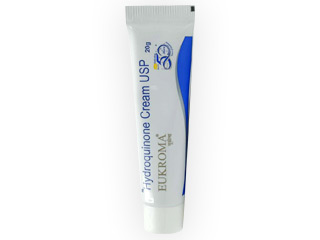
Hydroquinone: Patient-Friendly Guide (Australia)
Hydroquinone is a skin-lightening ingredient used to treat certain types of hyperpigmentation (dark patches). It works by reducing the production of melanin, the pigment that gives skin its colour. Hydroquinone products are used across Australia for targeted treatment of dark spots, but suitability depends on the type of pigmentation, skin sensitivity, and correct use.
This guide explains how hydroquinone works, how it’s typically used, what to expect, and important safety and interaction information. Always follow the product label and advice from a healthcare professional if you have questions or concerns.
Basic product information
- Medicine name: Hydroquinone
- Common forms: Creams, gels, and ointments (strength varies by product)
- How it’s used: Applied to affected areas of skin
- Who it may suit: People with localised dark patches (for example, melasma or post-inflammatory hyperpigmentation) when used appropriately
- Key requirement: Daily sun protection is essential for best results
Note: Strength and availability of hydroquinone-containing products can differ depending on regulatory status and product formulation in Australia. Some strengths may be available in certain markets, while others may require additional steps for access. Refer to the specific product details on this website.
How hydroquinone works (mechanism of action)
Hydroquinone works primarily by interfering with steps involved in melanin (pigment) production inside melanocytes (pigment-producing skin cells). In simplified terms, it:
- Reduces tyrosinase activity (an enzyme involved in melanin synthesis)
- Decreases melanin production over time
- Supports uneven pigment fading by gradually targeting excess pigment in the treated area
Because pigmentation can worsen with UV exposure, hydroquinone is most effective when combined with strict sun protection.
Pharmacokinetics (how the body handles hydroquinone)
Pharmacokinetics describe what happens after application—absorption, distribution, metabolism, and elimination.
- Absorption: Hydroquinone is generally absorbed through skin in small amounts, but absorption can be higher with broken/irritated skin, higher-strength products, larger treatment areas, or prolonged use.
- Metabolism: Once absorbed, hydroquinone is metabolised, forming derivatives that are eliminated from the body.
- Elimination: Metabolites are removed mainly through renal excretion (via urine).
- Systemic exposure: In appropriately used topical regimens, systemic levels are typically low, but safety depends on correct application and limited use.
If you are treating extensive areas, using occlusion (covering the skin), or have inflamed skin, talk with a healthcare professional before continuing.
Typical use and timing: what to expect
Hydroquinone is usually used for a limited course to fade unwanted pigmentation. Results often require patience and consistent care.
| Stage | What many people notice | What to do |
|---|---|---|
| First 2–4 weeks | Sometimes mild changes; dryness or mild irritation may occur | Continue once daily or as directed; moisturise; avoid extra actives if sensitive |
| 6–10 weeks | More visible lightening of dark patches for suitable conditions | Maintain strict sun protection; use moisturiser as needed |
| Up to 3 months | Maximum benefit for many people; some may plateau | Review progress and consider pausing/stepping back as advised |
Important: If you experience significant irritation, burning, or worsening pigmentation, stop and seek advice. Hyperpigmentation can be stubborn, and using too much or for too long can increase risk of side effects.
Indications: what conditions hydroquinone is used for
Hydroquinone is used for conditions where there is increased melanin production or pigment deposition. Typical indications include:
- Melasma (often facial patches, commonly triggered by sun and hormones)
- Post-inflammatory hyperpigmentation (PIH) (dark marks after acne, eczema, irritation, or injury)
- Other localised hyperpigmentation where targeted pigment reduction is appropriate
Hydroquinone is not intended for general skin brightening of large areas or for covering up extensive tanning. For best outcomes, treat the specific areas that are darker, not whole-body colour changes.
Dosing and practical application (how to use hydroquinone)
Hydroquinone dosing depends on the product strength and formulation. Always follow the instructions on your specific product label.
General guidance for many topical regimens:
- Frequency: Often applied once daily or as directed
- Amount: Use a thin layer—enough to cover the affected area
- Location: Apply to clean, dry skin only where pigmentation is present
- Duration: Commonly used in a limited course (for example, up to a few months), then reassessed
Example routine:
- Morning: Cleanse → moisturise (if needed) → apply sunscreen SPF 50+ (see sun protection tips below)
- Evening: Cleanse → apply hydroquinone thin layer to affected patches → moisturise
Sun protection is not optional: Without it, pigmentation can persist or even worsen, making treatment less effective.
Food interactions
Because hydroquinone is topical, it generally has no direct food interactions in the usual sense. There may be indirect effects if your skin condition is affected by diet-related inflammation, but this is not a standard concern for hydroquinone.
If you have sensitivity reactions or are using multiple topical actives, it’s the skin-care routine (not food) that more commonly affects tolerance.
Alcohol and medicine interactions
Alcohol
Topical hydroquinone is not expected to have clinically significant interactions with alcohol. However:
- If alcohol worsens flushing or irritation for you, be cautious with skin reactivity.
- If you experience burning, redness, or dermatitis, avoid irritants (including alcohol-based skincare products) on treated areas.
Other medicines (topical) and irritation risk
Hydroquinone can increase irritation when combined with other strong or irritating topical products. Potential interaction considerations include:
- Other skin-lightening or exfoliating actives (for example, strong acids like glycolic acid or high-strength exfoliants) may increase dryness and sensitivity.
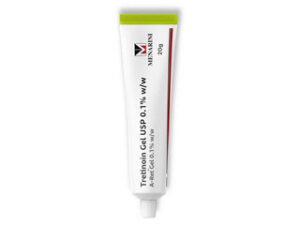
- Retinoids (such as tretinoin/retinol) may be used by some people, but combining too aggressively can lead to irritation.
- Products containing benzoyl peroxide or strong antiseptics can sometimes worsen irritation when used together.
Practical approach: If you are using multiple actives, introduce them gradually and consider spacing them (for example, using hydroquinone on one schedule and other actives on alternate nights) to reduce irritation. If irritation occurs, simplify your routine.
Oral medicines
Systemic interactions with oral medicines are not commonly a feature of topical hydroquinone when used appropriately. If you are taking multiple medicines or have complex medical conditions, ask a healthcare professional for personalised advice—especially if you notice unexpected skin reactions.
Safety profile: side effects and who should be cautious
Most side effects with hydroquinone are local skin reactions. The risk increases with overuse, applying to large areas, using for too long, or applying on irritated or broken skin.
Common or expected side effects
- Skin irritation (redness, burning, stinging)
- Dryness and peeling
- Itching or mild rash
- Temporary unevenness (rare) as skin adjusts
Less common but important reactions
- Severe dermatitis (significant inflammation, blistering, or worsening pain)
- Excessive darkening or rebound pigment changes with inappropriate duration or irritation
When to stop and seek advice
Stop using hydroquinone and seek medical advice if you develop:
- Severe burning or swelling
- Blistering, oozing, or intense rash
- Worsening pigmentation that doesn’t improve after you stop irritation triggers
- Eye area exposure with persistent irritation
Who should be extra cautious
- People with sensitive skin or history of eczema flares
- Pregnant or breastfeeding individuals: seek professional advice before use (formulation and safety considerations may vary)
- Children: suitability depends on age, product strength, and medical guidance
- Those using multiple strong topical agents (higher irritation risk)
Patch testing: Consider a small test area first (for example, behind the ear or on a small patch) to check tolerance before treating a broader area.
Practical use tips for best results
- Use sunscreen daily: Choose SPF 50+ and reapply if outdoors. Use hats or shade where possible.
- Apply to clean, dry skin: Wait a few minutes after cleansing before applying.
- Thin layer only: More is not better; it increases irritation without improving pigment reduction.
- Moisturise to reduce irritation: A gentle moisturiser can improve comfort and adherence.
- Avoid applying to broken skin: Don’t apply after waxing, aggressive exfoliation, or on open wounds.
- Don’t combine with many new actives at once: Introduce changes one at a time.
- Consistency matters: Pigment changes take time; stop and reassess if there is no improvement after a reasonable course as advised.
- Night-only use may reduce sun-related issues: If your product instructions allow, using at night with morning sunscreen is common.
Alcohol and skin-care considerations
While alcohol doesn’t typically interfere with hydroquinone directly, certain skincare products containing high levels of alcohol (for example, some toners or astringents) can worsen dryness or stinging on sensitive skin—especially when you’re using pigmentation treatments.
If you notice increased dryness, avoid alcohol-based products on treated areas and focus on gentle cleansing and moisturising.
Alternative options for hyperpigmentation
If hydroquinone isn’t suitable, or you want alternatives with different profiles, options may include:
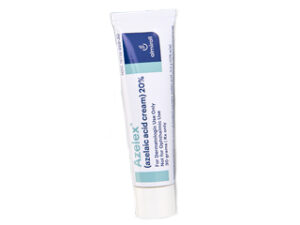
- Other skin-lightening agents: e.g., azelaic acid, kojic acid, niacinamide, or tranexamic acid (where available)
- Retinoids: can help improve skin texture and may reduce pigment over time
- Chemical exfoliants: such as glycolic or lactic acid (use cautiously to avoid irritation)
- Procedures: dermatology-led options such as laser or chemical peels may be considered for resistant cases
Best choice depends on: the type of pigmentation (melasma vs PIH), your skin type, sensitivity, and how strictly you can manage sun protection.
Market and legal context in Australia (general overview)
In Australia, medicines and cosmetic ingredients are regulated under frameworks that may include standards for quality, labelling, and scheduling/classification. Hydroquinone availability and concentration can vary depending on how the product is classified and formulated.
Online availability may depend on:
- Product strength and intended use
- Compliance with Australian regulatory requirements for ingredients and labelling
- Whether the product is supplied as a listed/non-prescription medicine or otherwise
- Stock and supplier arrangements
Important: Always use the product as labelled and only on suitable skin areas. If you are unsure about the product strength or how to apply it safely, consult the product information provided or seek advice from a healthcare professional.
Recent guidance and updates (what to watch for)
Because pigmentation treatment recommendations can evolve, it’s wise to review current product instructions and any public health or regulator updates that affect hydroquinone products (for example, concentration limits, safety communications, or supply availability).
To stay up to date:
- Use the label instructions supplied with the exact product you’re buying
- Check pharmacy-provided product information for formulation-specific guidance
- If you’re treating melasma or have persistent pigmentation, consider periodic review with a clinician or pharmacist to ensure the regimen is appropriate and safe
Delivery and availability in Australia
Hydroquinone products may be available for delivery depending on product classification and stock. Delivery options can include standard and express post, depending on your location and the product.
How delivery typically works:
- Order processing time may vary
- Dispatch occurs once the order is confirmed and packed
- Delivery times depend on your postcode and carrier network
For the most accurate information, refer to the delivery details, shipping costs, and estimated delivery windows shown on this website’s product page.
FAQ: Hydroquinone
How long does it take to see results?
Many people notice some improvement after 6–10 weeks, with better results often over several weeks to a few months. Results vary based on pigmentation type, sun exposure, and correct use.
Can I use hydroquinone every day?
It’s commonly used once daily (or as directed on the product label). Using more frequently than directed increases irritation risk without guaranteeing better results.
Should I stop if my skin becomes irritated?
If irritation is mild, you may be able to continue with moisturiser and careful application. If you experience strong burning, swelling, blistering, or worsening symptoms, stop and seek advice.
Can I use hydroquinone with sunscreen?
Yes—and you should. Sunscreen is one of the most important parts of treating hyperpigmentation. Apply sunscreen every morning and reapply when outdoors.
Can I use hydroquinone with other skincare actives?
Some combinations may be possible, but many actives increase irritation risk. If you’re using retinoids, exfoliating acids, or benzoyl peroxide, consider spacing products or simplifying your routine and introduce changes gradually.
Is hydroquinone safe for melasma?
Hydroquinone is often used for melasma, but melasma can be sensitive to sun and hormones. Strict daily sun protection and appropriate treatment duration are key. If melasma persists, it may be helpful to discuss options with a clinician.
Can hydroquinone lighten my whole face?
Hydroquinone is typically intended for targeted dark areas. Using it indiscriminately for overall brightening may increase irritation risk and isn’t necessary for most people.
What should I do if the dark patches come back?
Pigment can recur if sun exposure continues or if treatment was too short or skin became irritated. Reassess your sun protection routine, consider gentle support products, and seek advice about a safe next-step plan.
Where should I not apply hydroquinone?
Avoid applying near eyes, inside the mouth, or on genital areas unless specifically directed by a healthcare professional. Do not apply to broken skin.
Does hydroquinone interact with alcohol?
There are no well-known direct interactions from topical use. However, alcohol-containing skincare products may increase dryness or stinging on treated skin—avoid if you notice irritation.
Can I use hydroquinone if I’m pregnant or breastfeeding?
Safety can depend on formulation and individual circumstances. It’s best to seek advice before use during pregnancy or breastfeeding.
Summary
Hydroquinone is a topical skin-lightening medicine designed to reduce pigment formation and fade targeted dark patches. It works by affecting pathways involved in melanin production. While it can be effective, success depends on correct application, limited duration, and strict sun protection. Always follow the product label, watch for irritation, and consider alternative options if hydroquinone isn’t suitable for you.
If you have persistent or worsening pigmentation, widespread skin changes, or concerns about how to use hydroquinone safely alongside your current skincare routine, consult a healthcare professional for personalised advice.