
Aceon (Perindopril) – Patient Information (Australia)
Aceon (perindopril) is a medicine used to treat certain cardiovascular conditions. This page explains how it works, how it is typically taken, what to expect, and important safety information. It is written in a patient-friendly way and tailored for an Australian audience.
Key product information
| Category | Details |
|---|---|
| Active ingredient | Perindopril |
| Medicine type | ACE inhibitor (angiotensin-converting enzyme inhibitor) |
| Common uses | High blood pressure; heart failure; reducing risk of cardiovascular events in selected patients |
| How it is usually taken | Once daily (often in the morning), depending on your regimen |
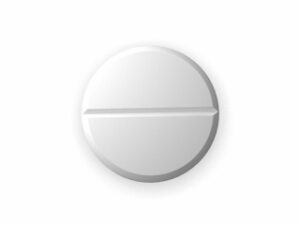
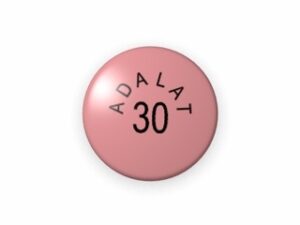
| What it comes in | Tablet strength varies by product presentation |
Note: Always follow the dose and schedule given to you by your healthcare professional and the instructions on the medicine label.
How Aceon (Perindopril) works (mechanism of action)
Perindopril belongs to a group of medicines called ACE inhibitors. ACE (angiotensin-converting enzyme) normally helps your body produce angiotensin II, a substance that:
- narrows (constricts) blood vessels
- increases blood pressure
- promotes fluid retention through hormonal pathways
Perindopril helps by blocking ACE, which can lead to:
- Lower blood pressure by reducing vessel constriction
- Reduced strain on the heart, helping the heart pump more efficiently
- In some patients, slower progression of cardiovascular disease and reduced risk of complications
It is not a “quick relief” medicine like some short-acting blood pressure treatments; benefits typically build over time.
Pharmacokinetics (what the body does to the medicine)
Understanding how perindopril behaves in the body can help set expectations.
- Absorption: Perindopril is absorbed from the gastrointestinal tract. Absorption can be affected by food.
- Conversion: Perindopril is a prodrug; in the body it is converted into an active metabolite (primarily perindoprilat) that drives much of the therapeutic effect.
- Distribution: The active form circulates in the bloodstream and acts on the ACE enzyme.
- Elimination: Perindoprilat is primarily cleared by the kidneys. Kidney function is therefore important for safe dosing.
- Onset: Blood pressure lowering can be seen within the first days, but steady effects may take longer.
Important for kidney health: Because clearance depends on renal function, your doctor may adjust the dose and monitor kidney function and potassium levels.
Typical use in Australia
Aceon (perindopril) is commonly used for:
1) High blood pressure (hypertension)
- Helps lower blood pressure and reduce risk of stroke, heart attack, and heart failure over time.
2) Heart failure
- May improve symptoms and reduce hospitalisation risk in suitable patients, often as part of combination therapy.
3) Reducing cardiovascular risk in selected patients
- May reduce the chance of cardiovascular events in certain individuals at increased risk (for example, after specific cardiovascular conditions).
Your exact indication depends on your medical history and overall treatment plan.
Timing: when to take Aceon
Many people take perindopril once daily. A common practical approach is:
- Morning dosing with water, or as directed by your prescriber.
Consistency matters: Take it at the same time each day to maintain stable effect.
If you miss a dose:
- Take it as soon as you remember on the same day.
- If it is close to your next dose, skip the missed dose.
- Do not double the dose.
For exact advice, refer to the medication instructions provided with your product.
Food interactions
Food may influence absorption of perindopril.
- Try to take it as directed—many products are recommended before meals or with consistent meal timing to maintain absorption.
- If you have been told to take it before breakfast, do so regularly.
Practical tip: If you regularly eat at varying times, discuss this with your healthcare professional. Stable routines can reduce variability in blood levels and effectiveness.
Alcohol and medicine interactions
Alcohol can increase the likelihood of low blood pressure (dizziness or light-headedness), especially when starting or increasing the dose of an ACE inhibitor.
- Limit alcohol until you know how perindopril affects you.
- Be cautious when standing up quickly, particularly during the first few weeks of therapy.
Also consider that alcohol may worsen dehydration, which can affect kidney function. If you are unwell with vomiting or diarrhoea, follow your sick-day advice from your healthcare team.
Other important medicine interactions
Perindopril interacts with several medicine groups. Always tell your pharmacist or doctor about all medicines you use, including over-the-counter products and supplements.
Medicines that can increase potassium
- Potassium supplements
- Potassium-sparing diuretics (e.g., spironolactone, eplerenone, amiloride, triamterene)
- Some salt substitutes containing potassium
Why it matters: ACE inhibitors can raise potassium, and the risk increases when combined with other potassium-raising therapies.
Diuretics (“water tablets”)
- Used for fluid overload or hypertension.
Combining diuretics with perindopril may increase the chance of low blood pressure or dehydration early on.
Non-steroidal anti-inflammatory drugs (NSAIDs)
- Examples include ibuprofen and naproxen
Regular NSAID use can affect kidney function and reduce the blood-pressure-lowering effect of ACE inhibitors in some patients.
Other blood pressure medicines
- Combination therapy is common, but dose changes may be needed to avoid excessive lowering of blood pressure.
Lithium
- ACE inhibitors can increase lithium levels, potentially leading to toxicity. Monitoring is typically required if combined.
Diabetes medicines
- ACE inhibitors can sometimes enhance the blood-sugar-lowering effect, increasing risk of hypoglycaemia in susceptible patients. Monitoring may be needed.
Herbal and supplement note: Be cautious with products that contain potassium, licorice root (glycyrrhizin), or ingredients that may affect blood pressure.
Indications (when Aceon is used)
Aceon (perindopril) is indicated for:
- Hypertension (high blood pressure)
- Heart failure
- Reduction of cardiovascular events in selected patients with established cardiovascular disease, depending on local clinical practice and patient suitability
Indications may vary depending on the specific product presentation and clinical guidelines. Your healthcare professional can confirm the most appropriate reason you are taking it.
Dosing guidance (typical ranges and how dosing may be adjusted)
Dosing depends on your condition, age, kidney function, blood pressure, and whether you are taking other medicines (such as diuretics).
General approach
- Start low and adjust gradually to reach the desired effect.
- Monitoring of kidney function and potassium is often done after starting and after dose changes.
Typical dosing pattern (illustrative)
Because individual regimens differ, the table below provides a general idea rather than a personal prescription.
| Condition | Typical dosing pattern | Notes |
|---|---|---|
| Hypertension | Once daily | Dose may be increased if blood pressure remains above target. |
| Heart failure | Once daily or per specialist plan | Often combined with other heart failure medicines; close monitoring is common. |
| Cardiovascular risk reduction | Once daily | Used in selected patients; tolerability and monitoring guide dose. |
Kidney function matters: People with reduced kidney function may require a lower dose and more frequent blood tests.
If you feel unwell after dose changes (e.g., dizziness, faintness, unusual fatigue), contact your healthcare team promptly. Avoid stopping the medicine suddenly unless advised.
Safety profile: who should be careful
Most people tolerate perindopril well, but like all medicines, it can cause side effects. Many are manageable, especially with appropriate monitoring.
Common side effects
- Dry cough (a well-known ACE inhibitor side effect)
- Dizziness or light-headedness (often related to blood pressure changes)
- Fatigue
- Headache
Serious but less common side effects
- Angioedema (swelling of face, lips, tongue, or throat; may cause breathing difficulty). Seek emergency help immediately if this occurs.
- Kidney function changes (may require dose adjustment and monitoring)
- High potassium (hyperkalaemia) (may cause weakness or abnormal heart rhythm in severe cases)
- Severe low blood pressure, especially after starting or dehydration
- Allergic reactions
Who should use Aceon cautiously
- People with kidney disease
- People with low blood pressure or tendency to faint
- People with dehydration (for example, diarrhoea or vomiting)
- People taking medicines that affect potassium
Pregnancy warning: ACE inhibitors are generally not used in pregnancy. If you become pregnant or plan pregnancy, discuss options with your healthcare professional immediately.
Breastfeeding: Breastfeeding recommendations vary by medicine and individual situation—seek advice from your healthcare professional.
Practical use tips for best results
- Stay hydrated unless you’ve been told to restrict fluids (especially during hot weather).
- Stand up slowly to reduce dizziness, particularly when starting treatment.
- Attend blood tests if ordered—common checks include kidney function (creatinine) and electrolytes (especially potassium).
- Monitor blood pressure at home if advised, and keep a log.
- Manage cough early: A persistent dry cough can occur. Don’t stop the medicine on your own—speak with your clinician about switching options.
- Use a medication routine: consider a pill organiser and reminders to reduce missed doses.
- Know your “sick day” plan: If you have vomiting/diarrhoea, fever with poor intake, or dehydration, your clinician may advise pausing certain medicines temporarily. Follow your personalised instructions.
When to seek urgent medical help
Get urgent medical assistance (call local emergency services) if you experience:
- Swelling of the face, lips, tongue, or throat
- Trouble breathing or swallowing
- Fainting or severe dizziness
- Severe allergic reaction (hives, widespread rash)
- Signs of very high potassium (severe weakness, palpitations) especially if you have kidney problems
Alternative options (if Aceon isn’t suitable)
If perindopril is not suitable due to side effects, interactions, or specific health needs, your healthcare professional may consider other treatments.
Alternative medication classes
- ARBs (angiotensin receptor blockers) (e.g., losartan, valsartan, candesartan, telmisartan). These also affect the renin-angiotensin system but may be less likely to cause cough.
- Other ACE inhibitors (in some cases) if perindopril is not tolerated and a different agent is appropriate.
- Other add-on medicines used for blood pressure or heart failure, such as beta blockers, calcium-channel blockers, and diuretics (depending on your condition).
Do not switch without medical advice. Dose and monitoring requirements differ between medicines.
Market and legal context for Australia (overview)
In Australia, medicines containing perindopril are regulated under national frameworks and state/territory requirements. ACE inhibitors are generally prescription medicines in Australia and must be supplied under the appropriate legal channel.
When ordering online in Australia, reputable pharmacy sites provide information about safe use, help verify suitability, and follow legislative requirements for identification and supply processes as applicable.
Always use genuine products: If price seems unusually low or the product description is unclear, avoid purchasing from unverified sources. Counterfeit medicines pose serious health risks.
Recent guidance and monitoring (what to expect in practice)
While specific updates can vary by time and clinical setting, ongoing clinical guidance for ACE inhibitors commonly emphasises:
- Baseline and follow-up blood tests to monitor kidney function and potassium, particularly after initiation and dose changes.
- Checking for dehydration risk and advising patients on sick-day management.
- Recognising ACE inhibitor cough and evaluating whether switching therapy is appropriate.
- Careful medication reconciliation to avoid interacting medicines (especially NSAIDs, potassium supplements, and potassium-sparing diuretics).
Your healthcare professional may also consider overall cardiovascular risk factors such as cholesterol management, lifestyle changes, and other evidence-based therapies.
Delivery and availability (online pharmacy Australia)
Aceon (perindopril) availability can vary by strength and product form. When ordering from a licensed Australian online pharmacy, you can generally expect:
- Clear stock information (available now vs. backorder)
- Estimated delivery times based on your location and courier service
- Secure packaging to protect tablets from damage and moisture
- Discrete delivery options, depending on the pharmacy service
Delivery timing: Many orders dispatch within 1–2 business days if stock is available, though this can vary. Always check the pharmacy’s delivery information at checkout.
If your required strength isn’t in stock, some pharmacies may offer alternatives (for example, a different ACE inhibitor or an equivalent dose) only when clinically appropriate and permitted.
FAQ – Aceon (Perindopril)
1) How long does it take for Aceon to work?
Some blood pressure improvement may occur within days, but maximal benefit—especially for long-term cardiovascular protection—typically develops over weeks. Continue taking it consistently as advised.
2) Will I feel different after starting perindopril?
Some people feel dizzy or lighter-headed early on, particularly after the first dose or during dose increases. Others feel no immediate change. If dizziness is persistent or severe, contact your healthcare professional.
3) Why do I have a dry cough?
A dry, persistent cough is a known effect of ACE inhibitors. It can appear within days to months. If it interferes with sleep or daily life, speak with your clinician about possible alternatives.
4) What should I do if I miss a dose?
Take it when you remember on the same day. If it’s nearly time for your next dose, skip the missed dose. Do not take two doses at once.
5) Can I take ibuprofen or other painkillers with Aceon?
Occasional NSAID use may be permitted in some situations, but frequent or high-dose NSAID use can increase the risk of kidney problems and affect blood pressure. Discuss with your pharmacist—especially if you have kidney disease, heart failure, or dehydration risk.
6) Should I avoid salt substitutes?
Many salt substitutes contain potassium. Because Aceon can raise potassium, avoid these unless your clinician has said it is safe.
7) Is Aceon safe for people with kidney disease?
It can be used in some patients, but dose adjustments and blood monitoring are usually required. The safest plan depends on your current kidney function and overall treatment.
8) What happens if I drink alcohol while taking Aceon?
Alcohol may increase dizziness and the chance of low blood pressure. If you drink, do so in moderation and avoid heavy drinking—especially early in treatment or when adjusting doses.
9) Can Aceon be taken with other blood pressure medicines?
Often, yes. Many patients require combination therapy. Your doctor will adjust doses to achieve control while avoiding excessive blood pressure lowering.
10) When should I stop Aceon?
Do not stop on your own. If you have serious side effects or feel unwell, seek advice from your healthcare professional. In some situations (for example, severe allergic symptoms), urgent action is needed.
Summary
Aceon (perindopril) is an ACE inhibitor used to treat high blood pressure, heart failure, and to reduce cardiovascular risk in selected patients. It works by relaxing blood vessels and reducing the strain on the heart. For best safety and effectiveness, take it consistently (often before meals, as directed), monitor kidney function and potassium when required, and be cautious with interacting medicines such as NSAIDs and potassium-containing products. If you experience warning signs such as facial swelling, breathing difficulty, or severe dizziness, seek urgent medical help.