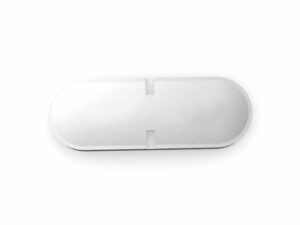

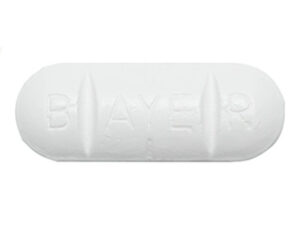
Albenza (Albendazole) — Patient Information (Australia)
Albenza® contains albendazole, an antiparasitic medicine used to treat a range of worm infections. This page explains what Albenza is, how it works, how it’s usually taken, key safety information, and practical tips to help you use it effectively.
Important: Worm infections can sometimes be serious and may require specific testing or repeated doses. Always follow the instructions provided with your medicine and seek medical advice if symptoms are severe, persistent, or worsening.
1. Basic product information
- Medicine name: Albenza®
- Active ingredient: Albendazole
- Medicine type: Antiparasitic (anthelmintic)
- Uses: Treatment of certain intestinal and tissue-dwelling parasitic infections
- Available forms: Oral formulations (brand and strength can vary by product listing)
- In Australia: Availability depends on supply arrangements and prescribing/dispensing requirements set by Australian healthcare authorities and wholesalers.
2. How Albenza works (mechanism of action)
Albendazole is a benzimidazole antiparasitic. It works mainly by interfering with the parasite’s ability to survive and reproduce:
- Blocks microtubule formation: Albendazole binds to parasite tubulin (a structural protein).
- Disrupts cellular transport and energy use: Without functioning microtubules, parasites cannot move nutrients properly and their energy systems fail.
- Reduces glucose uptake: The parasite’s energy production is impaired, leading to death or inability to develop.
- Targets both adults and some larval stages: This is why it can treat more complex infections (depending on the parasite and treatment schedule).
Why timing matters: Many infections involve life cycles with stages in different tissues. The dose schedule is designed to match these stages and improve cure rates.
3. Pharmacokinetics (how the body processes it)
Understanding absorption and metabolism helps explain why dosing and food instructions are important.
- Absorption: Albendazole is absorbed from the gut after you take it by mouth. Absorption improves when taken with food, especially fatty meals.
- Metabolism: Albendazole is metabolised in the liver to an active metabolite called albendazole sulfoxide.
- Distribution: The active metabolite can reach a variety of tissues, which is important for some tissue infections.
- Elimination: Metabolites are excreted mainly via the kidneys and through bile into the digestive system.
- Steady effect: The timing of doses is typically based on the parasite’s lifecycle and the medicine’s activity in the body.
Note on monitoring: For certain long courses or more serious conditions, clinicians may monitor liver function and blood counts because albendazole can affect these parameters in some people.
4. Typical use and timing
Albenza is used to treat a variety of parasitic worm infections. The exact regimen depends on:
- The specific parasite causing infection
- Where the infection is located (intestinal vs tissue)
- Age and weight
- Whether the infection is uncomplicated or more severe
- Whether treatment needs to be repeated
General timing guidance:
- Many regimens are taken as single doses or short courses.
- Some tissue infections require multiple days and careful follow-up.
- Follow the schedule exactly; stopping early can reduce effectiveness.
Missed dose: If you miss a dose, take it when you remember unless it’s nearly time for the next dose. Do not take double doses to catch up—check with your pharmacist or prescriber for the best plan for your specific treatment schedule.
5. Food interactions (what to eat and drink)
Food can affect absorption. Albendazole is generally better absorbed when taken with food. Many instructions recommend taking it with a meal.
- Recommended: Take your dose with food (a main meal is often preferred).
- Fatty meals: Higher fat intake may increase absorption for some formulations.
- Consistency: Try to take doses at the same time each day, and take with similar meals each time.
Grapefruit or juices: There is no universal requirement to avoid grapefruit for albendazole, but individual medicines can interact via liver enzymes. If you take other medications regularly, ask a pharmacist whether any specific food/drink changes are needed.
6. Alcohol and medicine interactions
Alcohol
While there is not usually a direct “absolute” alcohol prohibition with albendazole, alcohol may affect the liver. Albendazole is processed by the liver, and some people—especially with longer courses—may be at higher risk of liver irritation.
- Short course: Moderate alcohol may be acceptable for some people, but it’s safest to avoid alcohol or limit intake while taking the medicine.
- Long course or liver risk: Avoid alcohol and discuss your situation with a healthcare professional.
Medicine interactions
Albendazole is metabolised by liver enzymes. Several medicine classes can affect these enzymes or increase the risk of side effects.
- Ritonavir and other strong enzyme modulators: May alter albendazole metabolism.
- Some anticonvulsants: Medications like carbamazepine, phenytoin, or phenobarbital may change albendazole levels.
- Cimetidine: May affect metabolism and increase albendazole exposure (effects can vary).
- Diabetes medicines: Some antiparasitic therapies may influence glucose control indirectly in certain cases; monitor if needed.
- Other medicines that affect liver function: Increases the importance of monitoring and avoiding additional liver stress.
Action to take: Tell your pharmacist or doctor about all medicines you use, including prescription medicines, over-the-counter products, vitamins, herbal supplements, and recreational drugs.
7. Indications (what Albenza treats)
Albenza is indicated for a range of parasitic infections. The exact indication depends on the parasite and the diagnosis.
Commonly treated infections (examples)
- Intestinal worm infections such as:
- Pinworm (threadworm) — Enterobius vermicularis
- Roundworm — Ascaris lumbricoides
- Hookworm — Ancylostoma duodenale and Necator americanus
- Whipworm — Trichuris trichiura
- Some tapeworm infections (depending on species and local guidance)
- Tissue or larval infections such as:
- Neurocysticercosis (larval infection in the brain)
- Echinococcosis (hydatid disease) involving organs such as liver or lungs
- Other less common larval/tissue infections depending on diagnosis
Clinical note: Tissue infections often require specialist assessment because inflammation and complications can occur as parasites die. Treatment may involve additional medicines and close monitoring.
8. Dosing (general information)
Dose requirements vary by infection type, age, weight, and clinical severity. Below is a general guide only. Your prescribed or dispensed regimen should be followed exactly.
| Infection category | Typical approach (general) | Common timing pattern | Notes |
|---|---|---|---|
| Intestinal helminths (e.g., roundworm, hookworm, whipworm) | Albendazole at weight- or age-appropriate dose | Often a single dose or short course | May be repeated depending on stool results and local treatment plans |
| Pinworm (threadworm) | Albendazole dose based on weight/age | Often a repeat dose after about 2 weeks | Household treatment and hygiene measures are commonly recommended |
| Tissue infections (e.g., neurocysticercosis) | Higher total exposure with structured schedule | Often multiple days with clinical monitoring | May require other medicines (e.g., anti-inflammatory/anti-seizure) depending on symptoms |
| Echinococcosis (hydatid disease) | Longer and more complex dosing regimens | May be weeks to months | Specialist management; liver function monitoring is typically important |
How to take your dose:
- Take by mouth with food unless your medicine instructions say otherwise.
- Use the dosing measure provided for liquid products (if applicable).
- If tablets: swallow whole with water, unless your pharmacist advises you can crush or chew (this depends on formulation).
Weight-based dosing: In children and some adults, dosing may be based on body weight. Ensure you use the correct dose for your age/weight group.
9. Safety profile (who should be careful)
Most people tolerate albendazole reasonably well, but side effects can occur. The risk can be higher in longer treatments or where higher cumulative exposure is used.
Common side effects
- Headache
- Nausea
- Abdominal pain or cramps
- Diarrhoea
- Dizziness or fatigue
- Changes in appetite
Less common but important side effects
- Liver-related effects: Elevated liver enzymes or symptoms such as yellowing of the eyes/skin (jaundice), dark urine, severe fatigue, or upper abdominal pain.
- Blood cell changes: Some patients (particularly with longer therapy) may develop reduced white blood cells or other blood count abnormalities.
- Allergic reactions: Rash, itching, swelling of face/lips, or difficulty breathing.
When to seek urgent medical help
- Difficulty breathing or swelling of the face/throat
- Severe rash or blistering skin reactions
- Signs of significant liver problems (e.g., jaundice)
- Severe or worsening neurological symptoms (for tissue infections)
Special populations
- Pregnancy: Albendazole is generally avoided unless specifically advised by a healthcare professional due to potential risks in pregnancy. If you are pregnant or planning pregnancy, discuss urgently.
- Breastfeeding: Discuss with a healthcare professional to weigh benefits and risks.
- Children: Dosing is typically weight- or age-based; use a product and regimen appropriate for paediatric patients.
- Liver disease: Extra caution is needed, and monitoring may be recommended.
- Blood disorders: Extra caution and possible monitoring may be appropriate.
10. Practical use tips (to improve results)
For intestinal worm infections
- Hygiene is crucial: Handwashing, trimming nails, and keeping surfaces clean helps prevent reinfection.
- Household measures: For infections like pinworm, treating household contacts and family members may be recommended.
- Wash bedding and underwear: Especially for pinworm, follow recommended laundering practices.
- Repeat dosing if instructed: Many regimens require a repeat dose to address eggs/hatching cycles.
For tissue infections
- Follow specialist schedules: These infections can cause inflammation when parasites die.
- Don’t adjust the dose: Dose changes can affect safety and effectiveness.
- Monitoring may be needed: Your doctor may request blood tests (e.g., liver function and blood counts).
Managing missed doses and vomiting
- If you vomit soon after taking a dose, you may not absorb the full amount. Contact your pharmacist for specific advice.
- Do not take extra doses without confirmation of how to handle vomiting or missed doses.
11. Alcohol and lifestyle considerations while taking Albenza
- Hydration: Drink water regularly, especially if you experience diarrhoea or stomach upset.
- Avoid heavy drinking: It may increase liver strain.
- Don’t drive if unwell: If you feel dizzy or drowsy, avoid driving or operating machinery.
12. Alternative options (when albendazole isn’t suitable)
Alternative antiparasitic treatments may be used depending on the specific parasite, location of infection, and patient factors. Options can include other benzimidazoles or different drug classes.
Examples of alternatives (choice depends on diagnosis):
- Mebendazole — another benzimidazole antiparasitic used for some intestinal helminths
- Praziquantel — often used for certain tapeworm infections
- Levamisole — used in some settings (availability and suitability vary)
- Other targeted regimens — particularly for tissue infections where specialists may use combination therapies
Which is best? The correct medicine depends on the parasite species and site of infection. If you’re unsure, ask a pharmacist or clinician about the most appropriate therapy for your diagnosis.
13. Albenza in Australia: market and legal context
In Australia, access to medicines is regulated under the Therapeutic Goods Administration (TGA) and prescribing/dispensing requirements are determined by the product’s scheduling and indication. Many antiparasitic medicines are supplied through pharmacies and may be provided under specific conditions.
- Regulated supply: Products offered through legitimate Australian channels comply with TGA requirements.
- Quality and sourcing: Approved products have quality testing and consistent manufacturing standards.
- Appropriate use: Correct diagnosis and treatment scheduling are important to avoid incomplete eradication and reinfection.
Always verify: Product availability, strength, and form may differ between listings. Check the exact label information before taking the medicine.
14. Recent guidance and updates (how to stay current)
Guidance for parasitic infections can evolve due to emerging evidence, resistance patterns, diagnostic approaches, and updated safety monitoring requirements. In practice, the most reliable “current guidance” comes from:
- Australian clinical pathways (for specific parasites and patient groups)
- Specialist infectious disease or tropical medicine services for complex tissue infections
- Pharmacist advice regarding dosing schedule and interactions
If you have recently travelled, lived in or visited areas with higher parasite exposure, or have recurrent symptoms, it’s especially important to confirm the cause before repeating treatment.
15. Delivery and availability (Australia)
Online pharmacy availability and delivery timelines depend on stock, location, and regulatory requirements. When ordering, you may be asked to confirm key information to ensure appropriate use.
- Stock status: Some products may be in limited supply at times.
- Delivery timeframes: Vary by state and courier service; check the checkout information for estimates.
- Cold chain: Albendazole products are typically not temperature-sensitive in the same way as vaccines, but always follow storage instructions on the label.
- Packaging: Medicines are usually dispatched in sealed packaging to protect product integrity and privacy.
Tip: Order early if you have a planned dose schedule—particularly if a repeat dose is needed after a set interval.
16. FAQs
How long does it take for Albenza to work?
Some intestinal symptoms may improve within a few days, but cure depends on completing the correct dose schedule. For certain infections (especially tissue infections), improvements may take longer and require monitoring.
Can I take Albenza with food?
In general, albendazole absorption improves when taken with food. Take your dose with a meal unless your product instructions say otherwise.
Do I need to treat household contacts?
It depends on the infection. For pinworm and some other highly contagious intestinal worms, treating close contacts and using strict hygiene measures can help prevent reinfection. Ask your pharmacist or clinician about your situation.
What if symptoms come back after treatment?
Reinfection can occur if eggs or contamination remain in the environment or if close contacts were not treated where needed. If symptoms return, consider stool testing and medical advice rather than repeatedly taking medication without guidance.
Is Albenza safe for children?
Albendazole can be used in children for certain infections, but dosing must be appropriate for age and weight. Use only a regimen intended for paediatric patients and confirm dosing carefully.
Can I drink alcohol while using Albenza?
It’s generally safest to avoid or limit alcohol while taking albendazole, particularly if your course is prolonged or you have any liver issues. If unsure, ask a pharmacist.
Are there any medicines I should avoid while taking albendazole?
Some medicines can affect albendazole levels or increase the risk of side effects. Tell your pharmacist about everything you take, including supplements and herbal products, before starting.
What should I do if I miss a dose?
Take it when you remember unless it’s close to the next dose. Don’t double up. For repeated schedules, timing is important—ask your pharmacist for guidance.
Are there any warning signs that mean I should stop and seek help?
Seek urgent help for allergic reactions, severe rash, trouble breathing, or signs of serious liver problems (such as jaundice). For tissue infections, worsening neurological symptoms should be addressed promptly.
Where can I find the correct dosing instructions?
Always follow the directions on your medicine label and any included patient information. If you’re unsure, a pharmacist can explain how to take your specific regimen safely.
Summary
Albenza (albendazole) is an antiparasitic medicine used to treat a range of worm infections. It works by disrupting the parasite’s internal structures and energy systems. For best results, take it with food (unless your instructions say otherwise), follow the full recommended schedule, and use hygiene measures to reduce reinfection—especially for intestinal worms. Be mindful of potential liver-related or blood-related side effects, particularly with longer courses, and speak with a pharmacist or clinician if you have any concerns.