
Alfacalcidol (e.g., 1 microgram and 0.5 microgram capsules/tablets) – Patient Information
Alfacalcidol is a vitamin D–based medicine used to help treat and prevent problems related to low or ineffective vitamin D activity in the body. In Australia, it is commonly prescribed for conditions such as certain bone and mineral disorders where calcium and phosphate balance needs medical support.
This guide explains how alfacalcidol works, when it is used, how to take it, and key safety considerations. It is written for general information to help you understand your medicine.
Basic product information
| Category | Details |
|---|---|
| Medicine name | Alfacalcidol |
| What it is | A vitamin D analogue (a synthetic form of vitamin D activity) |
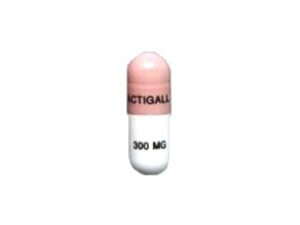
| Common forms | Capsules or tablets (strengths vary by product) |
| Typical dosing schedule | Often once daily; sometimes adjusted based on blood test results |
| Key target | Improving calcium balance and supporting bone health |
Note: Brands and strengths may differ. Always check the label for your specific dose and directions.
What is alfacalcidol?
Alfacalcidol is converted in the body to an active form of vitamin D. Active vitamin D helps control how much calcium (and to a lesser extent phosphate) is absorbed from the gut and helps regulate bone mineralisation.
In people with certain medical conditions, natural vitamin D activation may be reduced or calcium absorption may be impaired. Alfacalcidol provides a way to support vitamin D activity more directly.
Mechanism of action (how it works)
Alfacalcidol is a pro-drug, meaning it is designed to be converted in the body. After being taken by mouth:
- Conversion to active vitamin D: Alfacalcidol is converted in the liver into 1α,25-dihydroxyvitamin D3 (often called calcitriol, the active vitamin D form).
- Increased calcium absorption: Active vitamin D increases absorption of calcium from the intestines.
- Improved calcium and phosphate balance: It also influences phosphate handling, helping maintain appropriate mineral levels.
- Bone effects: By improving mineral availability and regulating bone turnover, it supports healthier bone structure and reduces complications of mineral disorders.
Overall, alfacalcidol helps correct biochemical abnormalities that can lead to bone pain, weakness, fractures, and related complications.
Pharmacokinetics (what the body does with it)
While individual responses vary, the overall pharmacology is commonly described as follows:
- Absorption: Alfacalcidol is absorbed through the gastrointestinal tract.
- Metabolism: It undergoes conversion in the liver to the active metabolite (calcitriol).
- Onset: Effects on calcium metabolism can develop within days; blood test monitoring is used to guide dosing.
- Distribution and elimination: Like other vitamin D compounds, it is processed through metabolic pathways and is eliminated more slowly than many short-acting medicines, which is why careful dosing and monitoring are important.
Why monitoring matters: Vitamin D activity affects calcium. Too much can increase the risk of high calcium levels (hypercalcaemia), which can be dangerous—so dose adjustments are often based on laboratory results.
Typical use (indications)
Alfacalcidol may be used in a range of conditions involving impaired vitamin D activity or disturbed calcium/phosphate metabolism, including:
- Chronic kidney disease–related bone and mineral disorder (where vitamin D activation is reduced)
- Hypoparathyroidism or other disorders causing low calcium and altered mineral metabolism
- Rickets and osteomalacia related to vitamin D metabolism problems
- Patients requiring vitamin D analogue therapy to help maintain stable mineral levels
Your prescriber may choose alfacalcidol based on your blood tests (such as calcium, phosphate, and sometimes PTH), symptoms, and overall treatment plan.
Who should be careful or discuss suitability
You should discuss your medical history with your healthcare team before starting or continuing alfacalcidol if you have:
- High calcium levels (hypercalcaemia) or a history of it
- Kidney stones or significant kidney disease
- Malabsorption disorders (may affect absorption)
- Conditions associated with abnormal vitamin D sensitivity
- Pregnancy or breastfeeding (individual risk/benefit assessment may be needed)
Dosing and timing
Because alfacalcidol affects calcium levels, dose is individualized. Many people take it once daily, and the dose may be adjusted based on follow-up blood tests.
Typical timing
- Take your dose at a consistent time each day.
- Many people take it in the morning to build routine, but you can take it at any time that suits you.
- Follow the instructions on your product label or from your healthcare team.
How long until results?
- Biochemical changes may take days to weeks.
- Regular blood tests are commonly used to ensure the dose is neither too low nor too high.
Missed dose
- If you miss a dose, take it as soon as you remember on the same day.
- If you are close to the next dose, skip the missed dose and return to your regular schedule.
- Do not take a double dose.
Important: If you regularly miss doses or have questions about missed doses, discuss with a pharmacist or clinician.
Food interactions and taking with meals
Alfacalcidol is a fat-soluble vitamin D analogue, but in practice it is generally taken as a standard oral dose. Food can influence absorption for some vitamin D products, though individual product guidance may vary.
Practical advice:
- Consider taking alfacalcidol with a meal or shortly after food if it helps you remember and may support absorption.
- If you were given specific instructions (for example, “take with food”), follow those instructions.
Avoid abrupt diet changes that could affect calcium intake (for example, suddenly stopping all dairy or calcium supplements) without discussing it with your healthcare team.
Alcohol and medicine interactions
Alcohol
- Moderate alcohol may not directly interact with alfacalcidol, but heavy or frequent alcohol use can affect liver function and overall bone health.
- Because alfacalcidol is metabolised in the body and calcium balance is important, it’s sensible to keep alcohol intake moderate and avoid binge drinking.
Common medicine interactions (general overview)
Vitamin D analogues interact with several medication types. Tell your pharmacist or clinician about all medicines, including non-prescription products, vitamins, and herbal supplements.
- Calcium supplements and other vitamin D products: Using alfacalcidol together with extra vitamin D or high-dose calcium can increase the risk of high calcium levels. Your healthcare team may adjust doses.
- Thiazide diuretics (e.g., hydrochlorothiazide): May increase the risk of high calcium.
- Corticosteroids (e.g., prednisolone): May reduce the effect of vitamin D medicines (sometimes requiring dose adjustment).
- Cholestyramine/colestipol (bile acid sequestrants): May reduce absorption of fat-soluble vitamins, potentially lowering effectiveness.
- Anticonvulsants (e.g., phenytoin, carbamazepine, phenobarbital): Can reduce vitamin D effects by increasing metabolism.
- Digoxin (for heart conditions): High calcium levels can increase the risk of digoxin-related rhythm problems. If you use digoxin, close monitoring is essential.
- Magnesium-containing medicines (some antacids or laxatives): In advanced kidney disease, magnesium can accumulate, requiring medical supervision.
- Other medicines affecting kidney function or minerals: Kidney disease changes how calcium/phosphate are handled, so doses may need to be more carefully managed.
Always check: If you start, stop, or change any medicine—especially calcium, vitamin D, diuretics, steroid medicines, or anticonvulsants—ask whether your alfacalcidol dose needs review.
Safety profile and side effects
Alfacalcidol is generally well tolerated when dosed appropriately and monitored with blood tests. The main safety concern is hypercalcaemia (too much calcium in the blood), particularly if the dose is too high or if additional calcium/vitamin D is taken without medical review.
Common or possible side effects
- Nausea, constipation or stomach discomfort
- Thirst or increased urination
- Headache or general feeling of unwell
- Muscle weakness
Signs of high calcium (hypercalcaemia)
Seek prompt medical advice if you experience symptoms such as:
- Severe thirst, frequent urination
- Confusion, unusual drowsiness
- Severe constipation, abdominal pain
- Kidney stone symptoms (flank/back pain, blood in urine)
- Heart rhythm symptoms (palpitations), especially if you take digoxin
Who is at higher risk of problems?
- People taking additional vitamin D or high-dose calcium
- People with reduced kidney function
- People with conditions that already raise calcium levels
- Older adults, where dehydration or sensitivity to calcium changes may occur
Monitoring (what to expect)
Your healthcare team may regularly check:
- Serum calcium
- Phosphate
- Parathyroid hormone (PTH) in some conditions
- Kidney function markers (depending on your condition)
Practical use tips
- Keep to the same schedule: Consistency supports stable calcium control.
- Don’t double up: If you miss a dose, follow the missed dose guidance; avoid doubling.
- Be cautious with supplements: Only add extra calcium or vitamin D if your clinician/pharmacist advises it.
- Stay hydrated: Dehydration can worsen calcium-related issues; drink adequate fluids unless you’ve been told to restrict fluids.
- Know your lab targets: Ask what your goal calcium range is and what your next blood test date is.
- Check labels: Many over-the-counter products include vitamin D or calcium—review the ingredients.
- Report new symptoms early: If you feel unwell, particularly with constipation, confusion, excessive thirst, or frequent urination, contact your healthcare team.
Alternative options
Depending on the underlying condition, treatment alternatives may include:
- Cholecalciferol (vitamin D3) or ergocalciferol (vitamin D2) for some vitamin D deficiency states
- Calcitriol (another active vitamin D form), often considered where activation is impaired
- Calcium supplements (used alongside vitamin D therapy when appropriate)
- Other therapies for specific bone/mineral disorders as directed by specialist care (depending on cause)
Important: “Vitamin D” is not one single treatment. Different forms (inactive vs active), dosing schedules, and monitoring needs can vary substantially. Do not switch products without guidance.
Market and legal context for Australia
In Australia, medicines are regulated under the national framework administered through the Therapeutic Goods Administration (TGA). Availability and pharmacy supply arrangements depend on the product’s scheduling and approved indications.
Online pharmacies in Australia generally support safe access by providing:
- Information about correct use and common safety considerations
- Clear product identification (brand, strength, dosage form)
- Guidance to consult a pharmacist for questions and interaction checking
Scheduling and product status may vary by strength and formulation. Always ensure you are ordering the correct product for your situation.
Recent guidance and best-practice considerations
Clinical practice commonly emphasises the following for alfacalcidol and related vitamin D medicines:
- Individualised dosing based on blood test targets
- Regular monitoring for calcium and phosphate, especially in chronic kidney disease and other high-risk groups
- Medication review to identify interactions (e.g., calcium supplements, thiazide diuretics, digoxin)
- Preventing overtreatment to reduce hypercalcaemia risk
Guidance may evolve as new evidence emerges. Your healthcare team can provide advice tailored to your labs and medical history.
Delivery, availability, and packaging (Australia)
Availability varies depending on the specific brand and strength. Online pharmacies typically stock commonly used strengths, but items may be sourced through supplier networks when required.
Delivery expectations
- Delivery times depend on your location and the pharmacy’s logistics.
- Orders are usually processed promptly once confirmed.
- Packaging typically protects tablets/capsules from moisture and damage.
Product authenticity and storage
- Check the pack for your correct strength and expiry date.
- Store as directed on the packaging (often at controlled room temperature and away from excess moisture/heat).
- Keep out of reach of children.
If you’re unsure about storage or what to do with unused medicine, ask a pharmacist.
FAQ about Alfacalcidol
1) What is alfacalcidol used for?
Alfacalcidol is used to treat conditions where vitamin D activity is impaired or calcium/phosphate balance is abnormal, such as certain bone and mineral disorders (for example, in chronic kidney disease, hypoparathyroidism, and some forms of rickets/osteomalacia). It supports healthier bone mineralisation by improving mineral balance.
2) How do I take alfacalcidol?
Take it exactly as directed by your healthcare team. Many people take it once daily at a consistent time. Taking it with food can be helpful for routine and may support absorption, but follow the advice given for your specific product.
3) When should I take it—morning or night?
Choose a time that helps you remember and remains consistent day to day. Many people take it in the morning, but night dosing can be fine if it fits your schedule and you follow your prescribed directions.
4) Can I take alfacalcidol with calcium supplements?
Do not start or increase calcium supplements without checking with your pharmacist or clinician. Combining calcium and vitamin D analogues can increase the risk of high blood calcium. Your dose may need adjustment based on your blood tests.
5) What blood tests do I need?
Monitoring often includes serum calcium and phosphate, and sometimes PTH and kidney function tests. The frequency depends on your condition and stability of results.
6) What happens if I miss a dose?
If you miss a dose, take it when you remember on the same day. If it’s close to your next dose, skip the missed dose and continue as normal. Do not double the dose.
7) Are there foods I should avoid?
There are no specific “forbidden” foods for alfacalcidol for most people. However, be consistent with your calcium intake and follow any dietary advice you’ve been given. If you change your diet significantly, let your healthcare team know.
8) Can I drink alcohol while taking alfacalcidol?
Moderate alcohol may be acceptable for many people, but heavy or frequent alcohol use may affect overall health and can influence how the body handles nutrients. If you have liver or kidney issues, discuss alcohol intake with your clinician.
9) What medicines commonly interact with alfacalcidol?
Key interaction examples include calcium supplements and other vitamin D products, thiazide diuretics, corticosteroids, bile acid sequestrants, certain anticonvulsants, and digoxin (indirectly through calcium). Always provide your full medicine list to your pharmacist for interaction checking.
10) What are the warning signs of too much calcium?
Watch for symptoms such as excessive thirst, frequent urination, constipation, nausea, confusion, weakness, or symptoms suggestive of kidney stones (flank/back pain or blood in urine). Seek prompt medical advice if these occur.
Summary
Alfacalcidol is a vitamin D analogue used to manage calcium and phosphate balance and support bone health in specific medical conditions. Because it can increase blood calcium, it works best when taken consistently and supported by appropriate laboratory monitoring. If you have questions about timing, supplements, or interactions with your other medicines, a pharmacist can help you check what is safe for your situation.