

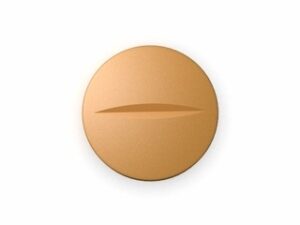
Alfacip (Alfacalcidol) – Patient Guide (Australia)
Alfacip contains alfacalcidol, a medicine used to correct vitamin D-related problems and support healthy bones, muscles, and mineral balance. This guide explains how it works, typical uses, how to take it safely, and what to discuss with your healthcare professional.
Key product information
| Feature | Information |
|---|---|
| Active ingredient | Alfacalcidol |
| Medicine type | Vitamin D analogue (calcium/vitamin D metabolism regulator) |
| Common forms | Oral capsules or tablets depending on product brand/strength |
| Uses | Conditions involving low active vitamin D, abnormal bone/mineral metabolism, and certain patients with kidney-related mineral disorders |
| How it works | Converted in the body to active vitamin D (calcitriol) to improve calcium and phosphate balance |
| Typical dosing approach | Often once daily or several times weekly depending on your condition and blood test results |
What is Alfacip?
Alfacip is a form of vitamin D therapy. Unlike vitamin D supplements that must be activated step-by-step, alfacalcidol is an “active” precursor that is converted relatively quickly in the body to the active form of vitamin D that helps regulate calcium and phosphorus levels.
How does alfacalcidol work?
Mechanism of action
Alfacalcidol is converted in the liver and then in tissues to calcitriol (1,25-dihydroxyvitamin D). Calcitriol works by binding to vitamin D receptors in the gut, bone, and kidneys to:
- Increase calcium absorption from the intestine.
- Improve phosphate handling to support normal mineralisation of bone.
- Support bone health by helping correct impaired mineral metabolism.
- Reduce risk of bone softening/weakening when vitamin D activation is inadequate.
Pharmacokinetics (how the body processes it)
Pharmacokinetics describes absorption, distribution, metabolism, and excretion. While exact values may vary by patient and formulation, the overall behaviour of alfacalcidol is well recognised:
- Absorption: Taken by mouth and absorbed from the gastrointestinal tract.
- Activation: Converted to calcitriol, allowing faster functional effects than some other vitamin D forms.
- Onset of action: Effects on calcium and phosphate may begin within days, with steady adjustment based on blood results.
- Duration: Vitamin D activity can last beyond a single dose because active metabolites affect mineral balance.
- Metabolism and elimination: Processed by normal metabolic pathways, with metabolites excreted mainly via the body’s usual routes.
For most people, the most important “pharmacokinetic” point in real life is that dose adjustments rely on blood tests (often calcium, phosphate, and sometimes PTH) rather than only on how the medication feels.
What is Alfacip used for?
Typical indications
Alfacip may be used in adults and sometimes children, depending on the underlying diagnosis and monitoring requirements. Common clinical uses include:
- Vitamin D deficiency or impaired vitamin D activation where active vitamin D is needed.
- Renal osteodystrophy / chronic kidney disease–mineral and bone disorder (CKD-MBD), particularly when there is impaired conversion to active vitamin D.
- Hypocalcaemia due to reduced active vitamin D or related mineral imbalance.
- Rickets or osteomalacia associated with inadequate vitamin D activation or insufficient mineralisation.
- Conditions with secondary hyperparathyroidism where vitamin D analogues are part of the treatment plan (as determined by blood tests and clinician judgement).
How to take Alfacip: timing, dose, and duration
Timing
Take Alfacip exactly as directed. Common schedules include once daily dosing or other regimens based on your condition and lab results. Try to choose a consistent time each day to help adherence.
Dosing (general information)
The appropriate dose depends on diagnosis, age, kidney function, baseline vitamin D status, and your calcium/phosphate results. A clinician may adjust the dose over time to maintain levels within a safe target range.
- Do not change the dose on your own.
- Expect monitoring: you may have blood tests after starting or adjusting therapy.
- Missed dose: If you miss a dose, take it when you remember unless it is close to the next dose. If it is close, skip the missed dose and continue your usual schedule. Do not take a double dose.
Practical tip
Use a phone alarm, pill organiser, or calendar reminder. Vitamin D medicines can work gradually, so consistency matters.
Should you take it with food?
Food interactions
Alfacalcidol can generally be taken with or without food, but your ability to absorb medicines and tolerate them may vary. If it upsets your stomach, taking it with a light meal may improve comfort.
The bigger dietary consideration is calcium and phosphate intake:
- Calcium supplements: Do not automatically increase calcium intake without advice, because too much calcium can lead to high blood calcium levels.
- High-calcium diet: If you already consume high amounts of calcium, your clinician may choose a different dose or monitor more closely.
- Vitamin D from other sources: Avoid “stacking” multiple vitamin D products at high doses unless your doctor has recommended it.
Alcohol and medicine interactions
Alcohol
Moderate alcohol use is not known to have a specific direct interaction with alfacalcidol in most patients. However, alcohol can affect overall health behaviours and may indirectly influence nutrition, liver function, and adherence.
Medicine interactions to be aware of
The most important risk with vitamin D analogues is hypercalcaemia (high calcium). Several medicines and conditions can increase or alter calcium levels, or affect vitamin D metabolism:
- Calcium supplements or high-dose calcium products: may increase the risk of high calcium.
- Thiazide diuretics (e.g., hydrochlorothiazide): can increase calcium reabsorption, raising hypercalcaemia risk.
- Digitalis (digoxin) / heart glycosides: raised calcium levels may increase the risk of rhythm problems in susceptible patients.
- Magnesium-containing antacids or supplements: in people with kidney impairment, electrolyte imbalances can become more complex.
- Anti-epileptic medicines (enzyme inducers such as phenytoin, carbamazepine) and some other medicines: may change vitamin D activity and lead to altered requirements.
- Cholestyramine and other fat-absorption related therapies: may reduce absorption of fat-soluble nutrients (vitamin D products in general). Discuss if relevant.
- Magnesium or phosphate binders used in kidney disease: these may interact indirectly by influencing mineral balance.
Tell your healthcare professional about all medicines you take, including over-the-counter products, supplements, and herbal remedies. If you are unsure whether something is relevant, it is better to check.
Safety profile: important warnings and side effects
General safety
Alfacalcidol is effective but requires careful monitoring because too much active vitamin D can cause hypercalcaemia (high calcium) and, in some cases, hyperphosphataemia. Over-treatment may also lead to calcium deposits in soft tissues in susceptible individuals.
Common and possible side effects
- Constipation, nausea, stomach discomfort
- Dry mouth or increased thirst
- Headache or fatigue
- Increased urination
- High calcium symptoms (see below)
Signs of high calcium (hypercalcaemia)
Seek urgent medical advice if you develop symptoms such as:
- Marked thirst and frequent urination
- Severe constipation
- Confusion or unusual drowsiness
- Weakness or muscle pain
- Nausea/vomiting that is persistent
- Irregular heartbeat or palpitations
Who should take extra care?
- People with kidney disease or reduced kidney function (monitoring is especially important).
- People with known high calcium levels or a history of kidney stones.
- People taking medicines that affect calcium (e.g., thiazides, digoxin).
- Those receiving additional vitamin D or calcium supplements.
- Pregnant or breastfeeding individuals: dosing requires individual assessment.
Monitoring recommendations (typical)
Clinicians commonly monitor serum calcium, and often phosphate and parathyroid hormone (PTH), especially during initiation and dose changes. The exact schedule varies by diagnosis and baseline results.
Practical tips for safe use
- Keep appointments for blood tests. This is central to staying within safe calcium/phosphate ranges.
- Check your supplements label for vitamin D and calcium amounts to avoid accidental overdosing.
- Inform your pharmacist/doctor if you are prescribed any new medicine, including antacids, diuretics, or heart medications.
- Stay hydrated if you are at risk of dehydration or kidney issues (follow medical advice).
- Be cautious with diet changes that significantly increase calcium intake.
- Don’t stop abruptly without medical guidance, particularly if you have kidney-related bone disease or recurrent low calcium.
Alternative options (depending on the condition)
Other vitamin D and calcium-related therapies
Depending on the diagnosis and laboratory results, healthcare professionals may consider alternatives such as:
- Cholecalciferol (vitamin D3) or ergocalciferol (vitamin D2) for vitamin D deficiency when activation is intact.
- Calcitriol (active vitamin D) for some patients where conversion is limited.
- Calcium supplements as part of managing low calcium (always coordinated with vitamin D dosing).
- Other agents for CKD-MBD such as phosphate binders and medications targeting PTH, depending on your overall treatment plan.
The best option depends on the cause of low active vitamin D, kidney function, and blood test targets. Do not switch products without clinician guidance.
Market and legal context in Australia
In Australia, medicines are regulated under the Therapeutic Goods Administration (TGA). Availability can vary by brand, strength, and whether a product is listed or supplied through specific prescribing/dispensing pathways.
Online pharmacies in Australia typically supply medicines in line with Australian regulations and patient safety requirements. Always ensure you order from a reputable Australian-registered supplier and verify the product matches the active ingredient and strength you need.
Recent guidance and monitoring considerations (general)
Clinical practice in Australia and internationally has increasingly emphasised:
- Individualised dosing using laboratory monitoring rather than fixed “set-and-forget” therapy.
- Managing calcium and phosphate balance carefully, particularly in CKD-MBD.
- Avoiding excessive vitamin D that may increase hypercalcaemia risk.
- Coordinated care between general practice, nephrology, endocrinology, and pathology services where relevant.
Your clinician may follow local protocols and up-to-date guidelines when deciding dosing frequency and monitoring intervals.
Delivery and availability (online pharmacy guide)
Availability of Alfacip may vary by location, stock levels, and strength/formulation. Many online pharmacies provide:
- Home delivery within Australia (service areas and timeframes can differ).
- Tracking updates once your order is dispatched (where offered).
- Secure packaging to protect capsules/tablets during transport.
- Customer support for product availability, substitution policies, and order status.
When ordering, confirm the brand name, active ingredient (alfacalcidol), strength, and quantity match what you were advised. If the exact product is not available, reputable pharmacies typically offer options according to Australian medicines supply rules.
FAQ about Alfacip (alfacalcidol)
1) What should I expect when I start Alfacip?
Many people do not feel an immediate effect. The goal is to correct mineral imbalance over time. Blood tests help confirm that calcium/phosphate levels are improving and that dosing is safe.
2) How often will I need blood tests?
It varies depending on your diagnosis (e.g., vitamin D–related problems vs kidney disease), your baseline lab results, and how stable your levels are. Typically, testing is done after starting and after dose changes, then less frequently when stable.
3) Can I take Alfacip with calcium supplements?
Sometimes yes, but it must be coordinated. Additional calcium can increase the risk of high calcium levels. Ask your clinician or pharmacist whether your current supplements should be continued and at what dose.
4) Is it safe to take vitamin D from multiple products?
It may be unsafe to combine high doses without guidance. Always check all labels for vitamin D content and tell your healthcare professional what you are taking.
5) What if I forget a dose?
Take it when you remember unless it’s close to your next scheduled dose. Skip the missed dose if it’s almost time for the next one. Do not take a double dose.
6) Are there foods I should avoid?
There are no universally “forbidden” foods with alfacalcidol, but avoid sudden, large increases in calcium intake without advice. If you are managing kidney disease or mineral disorders, your clinician may recommend specific dietary patterns.
7) Can Alfacip cause kidney stones?
High calcium levels can increase the risk of kidney stones in susceptible people. This is one reason regular monitoring is important. Seek advice promptly if you have stone symptoms or a history of stones.
8) What medicines commonly interact with Alfacip?
Interactions are often related to effects on calcium/phosphate balance. Examples include thiazide diuretics, calcium supplements, digoxin, and some medications that affect vitamin D activity. Provide a full list of your medicines to your pharmacist for tailored advice.
9) Can I drink alcohol while taking Alfacip?
Moderate alcohol consumption is generally not known to have a direct interaction with alfacalcidol for most people. If you have liver or kidney issues, or you’re taking other medicines affected by alcohol, discuss a personalised approach with your healthcare professional.
10) When should I seek urgent help?
Seek urgent medical care if you experience symptoms suggesting high calcium (such as severe thirst, confusion, persistent vomiting, severe constipation, or irregular heartbeat), or if you feel suddenly unwell after a dosing change.
Disclaimer
This information is intended to help you understand Alfacip (alfacalcidol) in general terms. It does not replace medical advice tailored to your specific diagnosis and blood test results. If you have questions about your dose, monitoring schedule, or interactions with your other medicines, speak with your healthcare professional.