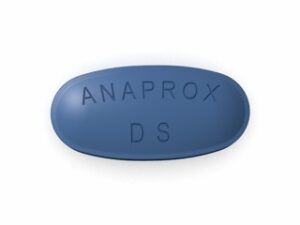
Allopurinol (Allopurinol) — Patient-Friendly Guide
Allopurinol is a widely used medicine for lowering uric acid levels in the body. It helps prevent and manage conditions related to uric acid crystal formation, such as gout, and it can also be used in certain situations involving high uric acid due to other medical conditions. This guide explains how allopurinol works, how it is typically taken, key safety considerations, and practical tips to help you get the best outcomes.
| Topic | Quick summary |
|---|---|
| Medicine | Allopurinol |
| Main purpose | Lowers uric acid to prevent gout flares and complications |
| How it works | Reduces formation of uric acid |
| Common conditions | Chronic gout, high uric acid, uric acid kidney stones (in select cases) |
| Typical dosing approach | Start low and gradually increase to reach target uric acid level |
| Key safety note | Rare but serious hypersensitivity reactions can occur; seek urgent help for concerning symptoms |
| Food & drink | Food usually doesn’t significantly affect absorption; alcohol can worsen gout |
Basic Product Information
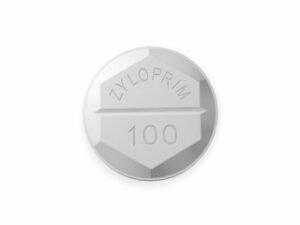
Allopurinol is a medicine that lowers uric acid by slowing production of uric acid in the body. It is commonly available in tablet form. Brand names can vary, but the active ingredient is allopurinol.
Who it’s for: People who have gout and/or persistently elevated uric acid levels, including those at risk of uric acid kidney stones. It is also used in some cancers or blood disorders when the risk of high uric acid is increased (for example, during treatment that may rapidly break down cells).
Important: Allopurinol is usually used as a long-term medicine to control uric acid levels and prevent future attacks. It is not typically relied upon for immediate relief of an ongoing gout flare.
How Allopurinol Works (Mechanism of Action)
Uric acid is produced when the body breaks down purines, substances found naturally in the body and also in some foods (for example, organ meats and certain seafood).
Allopurinol works by inhibiting an enzyme called xanthine oxidase. This enzyme is involved in converting purines into uric acid. By reducing xanthine oxidase activity, allopurinol:
- Reduces new uric acid formation
- Helps lower blood uric acid levels
- Over time, can reduce urate crystal deposits that contribute to gout symptoms
Because lowering uric acid can shift the balance of urate crystals over time, gout symptoms may still occur early in treatment in some people—this is why preventive strategies may be used in the beginning.
Pharmacokinetics: How the Body Processes Allopurinol
Understanding how your body absorbs and eliminates allopurinol can help you take it more confidently.
- Absorption: Allopurinol is absorbed from the gastrointestinal tract after oral dosing.
- Conversion: Allopurinol is metabolised primarily into oxypurinol, a long-acting metabolite.
- Duration of effect: Oxypurinol has a longer half-life than allopurinol, which supports once-daily dosing in many cases.
- Excretion: Both allopurinol and its metabolites are eliminated mainly through the kidneys.
Kidney function matters: If you have reduced kidney function, doses often need adjustment to lower the risk of side effects.
Typical Uses in Australia
In Australia, allopurinol is commonly used for:
- Chronic gout and prevention of recurrent gout flares
- Hyperuricaemia (persistently high uric acid) when associated with gout or related complications
- Uric acid kidney stones (in selected individuals, based on clinical assessment)
- Certain high uric acid states, including some treatment-related scenarios where tumour breakdown or rapid cell turnover can occur
Exact indications depend on your clinical situation, test results, and medical history.
When to Take Allopurinol (Timing and Routine)
Many people take allopurinol once daily. Some may be instructed to take it in divided doses if higher total daily amounts are needed.
- Choose a consistent time each day to help you remember.
- Take with water; swallowing the tablet whole is typical unless your pharmacist advises otherwise.
- Continue long-term if it’s part of your uric acid management plan. Stopping suddenly can allow uric acid levels to rise again.
Early treatment expectation: During the initial phase of uric acid lowering, some people experience gout flare-ups. This does not necessarily mean the medicine is failing; it often reflects shifts in urate crystals. Preventive measures (such as short-term anti-inflammatory therapy) may be used early on—discuss your plan with your healthcare professional.
Food Interactions and Dietary Considerations
Allopurinol can generally be taken with or without food. For many people, taking it with a meal may simply improve comfort if the tablet upsets the stomach.
While food does not typically have a direct interaction with allopurinol in the way some medicines do, diet can strongly influence gout and uric acid levels.
Helpful dietary approaches (supportive)
- Hydration: Drinking sufficient water can help reduce risk of kidney stones.
- Limit high-purine foods: e.g., organ meats, certain types of game meat, and some seafood.
- Reduce sugary drinks: Fructose-containing drinks can increase uric acid in some people.
- Moderate alcohol: Alcohol can increase gout flare risk (see below).
Your pharmacist or doctor may recommend tailored dietary changes based on your history.
Alcohol and Medicine Interactions
Alcohol can worsen gout by increasing uric acid levels and promoting dehydration. It can also trigger inflammatory flare-ups.
Practical guidance:
- If you drink alcohol, consider limiting it or avoiding it, particularly during early uric acid-lowering therapy and around any flare history.
- During a gout flare, avoiding alcohol is usually the safest approach.
Other medicine interactions involving alcohol: Some medicines used alongside gout (for example, certain pain relief medicines) may have additional risks with alcohol such as stomach irritation or liver strain. If you are taking other medicines, ask a healthcare professional or pharmacist for specific advice.
Medicine Interactions (Key Examples)
Allopurinol can interact with some medicines, affecting either safety or effectiveness. Always tell your pharmacist about all medicines you take, including over-the-counter products and supplements.
Common interaction categories
- Azathioprine and mercaptopurine: Allopurinol can significantly increase levels of these medicines, requiring dose adjustments due to toxicity risk.
- Certain gout medicines: Your overall gout plan may include other agents (anti-inflammatories, uricosurics, etc.). Timing and monitoring may be needed.
- Warfarin: Changes in effectiveness can occur in some cases; monitoring may be needed.
- Some antibiotics (e.g., ampicillin/amoxicillin): Rash risk may be increased in certain situations.
- Theophylline: Allopurinol may affect theophylline levels; caution and monitoring may be required.
This list is not exhaustive. If you share your medicine list with a pharmacist, they can screen for interactions specific to your regimen.
Indications: When Allopurinol Is Considered
Allopurinol is generally considered when blood uric acid remains high and there are consequences such as:
- Recurrent gout or gout with complications
- Gout with tophi (deposits of urate crystals)
- Uric acid kidney stones
- Other clinical situations where the benefit of uric acid reduction outweighs risks
The exact decision is individualized. Some people with isolated high uric acid may not require medicine, while others with frequent flares or complications benefit greatly from long-term urate lowering.
Dosing: How Allopurinol Is Commonly Prescribed
Allopurinol dosing varies widely depending on kidney function, uric acid levels, and the target to be achieved. A common principle is:
- Start low
- Increase gradually until the desired uric acid level is reached
Why start low? Starting at higher doses can increase the risk of side effects and can also increase the chance of early gout flares. Gradual titration helps reduce these risks.
Typical dosing approach (general guidance)
In many clinical practices:
- Initial dose may be lower than maintenance doses
- Dose adjustments are made based on blood uric acid tests and tolerability
- Some patients may require a different dosing schedule based on kidney function
Do not change your dose without medical advice. If you miss a dose, follow your pharmacist’s instructions or the medicine packaging guidance. Many people can take a missed dose when remembered, unless it is near the next dose time—ask a pharmacist for the best advice for your situation.
Safety Profile: What to Know Before and While Taking Allopurinol
Most people tolerate allopurinol well, but it can cause side effects in some individuals. It is important to know what is normal and what needs urgent attention.
Common or expected side effects
- Mild stomach upset
- Nausea
- Skin rash (mild rashes can occur, but some rashes can be serious—see below)
Serious risks (seek urgent medical help)
Rare hypersensitivity reactions can occur, sometimes involving fever, rash, and organ involvement. If you develop:
- Widespread or rapidly worsening rash
- Blistering, peeling skin, or sores in the mouth
- Fever, severe fatigue, or feeling very unwell
- Facial swelling, breathing difficulties
- Signs of kidney or liver problems (e.g., yellowing of the skin/eyes, dark urine)
seek urgent medical attention immediately. Do not “wait and see” if symptoms are severe or escalating.
Who may have higher risk?
Risk can increase in certain situations, including:
- Some people with chronic kidney disease
- People who previously had a hypersensitivity reaction to allopurinol
- Individuals taking interacting medicines that raise allopurinol-related risks
Tell your healthcare professional if you have kidney disease or have had previous medicine reactions.
Practical Use Tips for Best Results
1) Keep to your schedule
Consistent dosing helps maintain steadier uric acid control. Using a daily reminder can help.
2) Understand what to expect in the first months
Your doctor may check uric acid levels and gradually adjust your dose. Early gout flares can happen even when the medicine is working. This is why preventive strategies may be recommended initially.
3) Stay hydrated
Good hydration supports kidney function and may lower risk of uric acid-related kidney stone formation.
4) Monitor with blood tests
Uric acid levels and kidney function may be checked to ensure the dose is appropriate and safe.
5) Don’t stop suddenly
Stopping allopurinol can allow uric acid levels to rise again, increasing the likelihood of future flares.
Alternative Options (Discuss with a Healthcare Professional)
If allopurinol isn’t suitable due to side effects, insufficient control, or other considerations, your healthcare professional may consider alternatives. Options may include:
- Febuxostat: Another urate-lowering medicine that also reduces uric acid production.
- Uricosuric agents (e.g., probenecid where appropriate): These can help the kidneys excrete uric acid in selected patients.
- Other strategies: Some people benefit from addressing contributing factors (hydration, diet changes, managing metabolic health, and reviewing interacting medicines).
Not everyone can use every option. Selection depends on kidney function, cardiovascular history, other medicines, and the reason for urate lowering.
Market and Legal Context in Australia
In Australia, medicines are regulated through the Australian health system, including medicines scheduling and safety monitoring. Allopurinol is available through community pharmacies and is used widely for gout management.
Supply and product availability: Availability can vary by brand and dose strength. Online pharmacies typically provide access to commonly stocked strengths, but substitution may occur depending on supply.
Safety and quality: Medicines sold in Australia are required to meet regulatory standards for quality, safety, and effectiveness.
Recent Guidance and Updates (What to Watch For)
Guidance for gout and urate-lowering therapy evolves based on emerging evidence and safety data. In recent years, clinical recommendations have emphasised:
- Target-driven urate lowering (achieving and maintaining uric acid below a clinical threshold)
- Starting low and titrating gradually
- Managing the risk of early flare-ups when beginning or changing urate-lowering therapy
- Considering individual risk factors (kidney function, comorbidities, and medicine interactions)
For the most current recommendations in your area, consult your doctor or pharmacist, or check reputable Australian clinical resources.
Delivery and Availability (Online Pharmacy Information)
When purchasing allopurinol online in Australia, availability usually depends on:
- Dose strength (e.g., 100 mg, 200 mg strengths may be commonly stocked)
- Packaging type (e.g., blister packs or bottles)
- Brand availability—if generics are used, the active ingredient remains allopurinol
Delivery: Most online pharmacies in Australia offer delivery to metro and regional locations. Delivery timeframes depend on the carrier and location. Check the website’s delivery estimate at checkout.
Storage: Store tablets according to the label (typically at room temperature away from moisture and heat). Keep out of reach of children.
FAQ: Allopurinol (Australia)
1) What is allopurinol used for?
Allopurinol is used to lower uric acid levels. This helps prevent gout attacks and complications related to high uric acid, such as certain kidney stone types, and in selected high uric acid situations.
2) Will allopurinol stop a gout flare immediately?
Allopurinol is not usually intended to provide fast relief during an acute gout flare. It works over time to lower uric acid. Your clinician may use additional medicines to manage flare pain and inflammation.
3) How long does it take to work?
Uric acid levels can start to fall relatively quickly, but fully preventing flare-ups and reducing urate deposits usually takes weeks to months. Dose titration and blood test monitoring guide progress.
4) Can I take allopurinol with food?
Yes. Allopurinol can generally be taken with or without food. If it upsets your stomach, taking it with a meal may help.
5) What should I do if I miss a dose?
Follow the instructions on the medicine label or ask your pharmacist. In many cases, taking the missed dose when remembered is appropriate unless it is close to the next scheduled dose. Do not double doses without advice.
6) Is alcohol safe with allopurinol?
Alcohol can increase the risk of gout flare-ups. Many people are advised to limit or avoid alcohol, especially during early treatment or if you have a history of flares.
7) What are the signs of a serious reaction?
Seek urgent help if you develop a severe or widespread rash, blistering/peeling skin, mouth sores, fever, facial swelling, breathing difficulty, or signs of organ involvement such as jaundice or severe fatigue.
8) Does allopurinol affect kidney function?
Allopurinol is processed mainly by the kidneys. If you have kidney disease, your dose may need adjustment and your kidney function may be monitored to improve safety.
9) Are there alternatives if allopurinol doesn’t suit me?
Yes. Depending on your situation, alternatives may include other urate-lowering medicines such as febuxostat or uricosuric options. Your clinician can recommend the best approach based on your health and risk factors.
10) Can other medicines interact with allopurinol?
Yes. Some medicines can significantly increase risks or change effects. Tell your pharmacist about everything you take, including vitamins, herbal products, and over-the-counter pain relief.
When to Talk to Your Pharmacist or Doctor
Contact a healthcare professional promptly if you:
- Develop a rash or unusual skin changes
- Have symptoms of a gout flare that are worsening
- Have known kidney disease or new kidney-related symptoms
- Start new medicines or stop existing ones
- Need help managing diet, hydration, or alcohol intake to reduce flare frequency
Summary
Allopurinol helps manage gout and other uric acid-related conditions by reducing the production of uric acid. For best outcomes, it is commonly started at a low dose and increased gradually with monitoring of blood uric acid levels, particularly in people with kidney impairment. Most people tolerate allopurinol well, but it’s important to be aware of rare serious hypersensitivity reactions and to seek urgent care if concerning symptoms occur.
If you have questions about dosing timing, interactions, or suitability for your health profile, a pharmacist can help you understand the safest way to use allopurinol alongside your other medicines and lifestyle choices.