
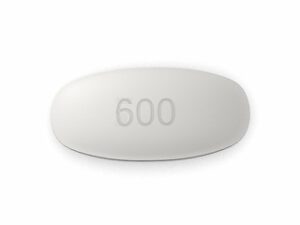
Zyloprim (Allopurinol) – Patient-Friendly Guide (Australia)
Zyloprim is a medicine containing allopurinol, commonly used to prevent and treat conditions related to high levels of uric acid in the body. It lowers uric acid production, helping to reduce gout attacks, dissolve certain types of uric acid crystals, and prevent kidney problems associated with uric acid.
This guide explains how Zyloprim works, how it’s taken, important interactions, and practical tips to help you use the medicine safely and effectively in Australia.
Basic product information
| Category | Details |
|---|---|
| Medicine | Zyloprim (allopurinol) |
| Common uses | Chronic gout and prevention of uric acid stones |
| How it works | Decreases uric acid formation |
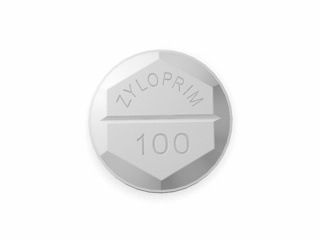
| Typical forms | Tablets (strengths vary by product) |
| How it’s taken | Usually once daily, after meals or with food (follow your instructions) |
Note: Exact tablet strengths and dosing schedules may vary. Always check the label and follow your prescriber’s directions.
How Zyloprim works (mechanism of action)
Allopurinol reduces uric acid levels by blocking an enzyme called xanthine oxidase. This enzyme normally helps convert substances (purines) into uric acid. When xanthine oxidase is inhibited, your body produces less uric acid.
- Lower production of uric acid
- Less uric acid in blood and urine
- Over time, this helps reduce gout flares and can help dissolve uric acid deposits
Pharmacokinetics (how the body handles allopurinol)
Understanding how the medicine behaves can help you know what to expect, including why dosing is usually once daily.
- Absorption: Allopurinol is absorbed after oral dosing.
- Metabolism: Allopurinol is converted in the body to oxypurinol, an active metabolite that also helps lower uric acid.
- Half-life: Oxypurinol has a relatively long half-life, which supports once-daily dosing for many people.
- Excretion: Primarily through the kidneys (urine). If you have kidney impairment, your dose may need adjustment.
- Onset: Uric acid levels can start to fall after starting treatment, but gout flare prevention benefits may take weeks to fully establish.
Typical use in everyday terms
Zyloprim is used to manage long-term conditions where uric acid is too high. It’s not a “pain-relief” medicine for an acute gout attack. Instead, it helps reduce the likelihood of future attacks and prevent complications.
- Gout: Prevent recurrent gout attacks and reduce urate crystals.
- Uric acid kidney stones: Help prevent formation and reduce uric acid levels that contribute to stones.
- Other high-uric-acid states: Sometimes used in situations with increased uric acid production (your clinician will guide this).
Indications (when Zyloprim is used)
Zyloprim is indicated for:
- Chronic gout (including prevention of recurrent flares).
- Hyperuricaemia associated with gout or uric acid-related problems.
- Prevention of uric acid stones and management of certain uric acid crystal-related conditions.
- Some medical conditions where uric acid overproduction occurs (for example, specific cancer-related or chemotherapy-related scenarios—your medical team will assess).
Important: The decision to start and continue treatment is based on your individual history, uric acid levels, kidney function, and overall risk profile.
Dosing: general principles and timing
Dosing varies widely depending on your uric acid level, gout history, and kidney function. Always follow the dose instructions on your medication label.
General dosing approach
- Starting dose may be low and then increased gradually to reduce the risk of flare-ups and to find the best uric acid target.
- Kidney impairment commonly requires dose adjustment.
- Regular monitoring of uric acid (and sometimes blood tests) helps guide dose changes.
Timing: when to take it
- Many people take Zyloprim once daily.
- Taking it after food or at the same time each day can improve comfort and adherence.
- If your clinician advises split dosing, follow that plan exactly.
How long until it works?
- Uric acid levels typically start to decrease after starting therapy.
- Gout prevention effects are usually clearer over weeks to months.
- Some people experience flares when starting urate-lowering therapy; this doesn’t mean it’s the wrong medicine—your prescriber may use an additional plan to reduce early flare risk.
Food interactions and dietary considerations
Allopurinol has no major “must avoid” food list for most people, but diet can influence uric acid levels and gout control.
Food interactions
- Typical meals: Taking Zyloprim with food may reduce stomach upset for some people.
- Hydration: Staying well hydrated supports kidney function and may reduce stone risk.
Dietary strategies that often help gout and uric acid
- Limit alcohol (especially beer and spirits) if you have gout.
- Reduce high-purine foods (commonly: red meat, organ meats, some types of seafood).
- Choose lower-fat dairy and balanced meals where possible.
- Be cautious with high-sugar drinks and fructose-rich foods, which can raise uric acid in some people.
Tip: If you’ve been advised on a gout-friendly diet, continue it alongside Zyloprim rather than relying on the medicine alone.
Alcohol interactions
While there isn’t a single universal “dangerous interaction” between allopurinol and alcohol for everyone, alcohol can raise uric acid and may trigger gout flares. Alcohol may also worsen dehydration risk.
- Best approach: Keep alcohol low or avoid it during gout flares and when aiming to prevent future attacks.
- Watch your pattern: If alcohol reliably precedes flares for you, reducing or stopping is often the most effective step.
- Safety note: If you have liver disease or other medical conditions, follow your clinician’s advice regarding safe alcohol limits.
Medicine interactions (important)
Tell your pharmacist or clinician about all medicines and supplements you use, including over-the-counter products and herbal preparations. Some medicines can increase side effects or change how well Zyloprim works.
Commonly relevant interactions
- Azathioprine and 6-mercaptopurine:
- Allopurinol can significantly increase levels of these medicines, which may require major dose adjustments to avoid toxicity.
- Warfarin:
- Some reports suggest allopurinol may affect warfarin response. INR monitoring may be needed.
- Other gout medicines:
- Your prescriber may use short-term flare prevention when starting allopurinol. Follow the plan exactly.
- Medicines that affect kidney function:
- If kidney function changes, allopurinol clearance may be affected and dose adjustments may be necessary.
- Diuretics (water tablets):
- Certain diuretics can affect uric acid levels, and the overall gout plan may need review.
“Safety first” checklist
- Do not start or stop medicines without advice.
- Keep a list of your medicines (including doses) and share it at appointments.
- If you develop unusual side effects, contact a healthcare professional promptly.
Safety profile: side effects and warning signs
Most people tolerate Zyloprim well. However, as with all medicines, side effects can occur—some are serious. Being aware of warning signs helps ensure quick action if needed.
Common or mild side effects
- Nausea or stomach upset
- Headache or general feeling of tiredness
- Skin rash (mild rashes can occur, but any rash should be assessed)
Serious allergic or skin reactions (seek urgent help)
Allopurinol can, rarely, cause severe hypersensitivity reactions, including life-threatening skin reactions. Stop taking the medicine and seek urgent medical attention if you develop:
- Widespread rash, blistering, peeling skin, or mouth sores
- Fever with rash or feeling very unwell
- Facial swelling, breathing difficulty, or swelling of the throat
- Unexplained bruising or severe weakness
Risk factors
- Higher doses, rapid dose escalation, and certain kidney conditions may increase risk.
- Some people have higher risk of hypersensitivity reactions. Your clinician may consider risk assessment before or during therapy.
When starting treatment
- Gout flares can occur when urate levels begin to change, especially early in treatment.
- Your prescriber may recommend flare prevention during initiation—do not stop the medicine because of a flare without medical advice.
Practical use tips for Zyloprim
- Take it daily: Consistency helps maintain stable uric acid levels.
- Don’t double up: If you miss a dose, take it when you remember unless it’s close to your next dose. Follow your label instructions or pharmacist advice.
- Stay hydrated: Good fluid intake supports kidney health and may reduce stone risk.
- Know your triggers: Alcohol, dehydration, and high-purine foods can contribute to gout flares in many people.
- Keep appointments: Uric acid blood tests and kidney function monitoring help ensure the dose is right for you.
- Use a reminder: A phone alarm or pill organiser can reduce missed doses.
- Report skin changes early: Any rash while on allopurinol should be reviewed promptly.
Recent guidance and monitoring (Australia)
In Australia, gout management commonly follows evidence-based approaches that include:
- Treating to a urate target (aiming for a blood uric acid level that reduces crystal formation and flares).
- Gradual dose escalation of urate-lowering therapy to improve tolerability.
- Monitoring of uric acid levels and kidney function, especially in people with chronic kidney disease.
- Preventing early flares when starting urate-lowering therapy, when appropriate.
Quality and safety: Australian guidelines and clinical practice emphasise careful prescribing, risk assessment for hypersensitivity reactions, and prompt attention to concerning symptoms.
Alternative options to consider
If Zyloprim isn’t suitable due to side effects, interactions, or inadequate uric acid control, clinicians may consider alternatives. Your best option depends on your medical history, kidney function, and uric acid targets.
Other urate-lowering therapies
- Febuxostat:
- Another xanthine oxidase inhibitor used for urate lowering in certain patients.
- Suitability depends on your cardiovascular risk profile and other factors.
- Uricosurics (increase uric acid excretion in urine):
- May be considered for selected patients.
- Specialist options (for specific cases):
- Examples include treatments used in severe or complex gout scenarios under specialist care.
Gout flare relief (different goal)
For acute flares, different medicines may be used (anti-inflammatory pain relief). These do not replace the long-term urate-lowering role of Zyloprim.
Market and legal context for Australia
In Australia, medicines are regulated under the Australian Therapeutic Goods Administration (TGA) and supplied under pharmacy frameworks. The availability of specific medicines online may depend on scheduling and pharmacy processes.
- TGA registration: Allopurinol products are regulated and must meet Australian quality standards.
- Pharmacy supply: Online pharmacy services generally supply medicines in line with Australian requirements, including patient safety checks and professional dispensing processes.
Important: If you have questions about eligibility or availability in your state, a licensed Australian pharmacy can help.
Delivery and availability (Australia)
Zyloprim (allopurinol) is generally widely available through Australian community pharmacies and authorised online pharmacies. Delivery availability can vary depending on stock levels, your location, and the pharmacy’s dispatch schedules.
- Dispatch times: Often processed within business days after verification.
- Shipping areas: Commonly available across most of Australia; remote areas may have different timelines.
- Packaging: Medicines are typically shipped in protective packaging suitable for postal delivery.
When ordering, check:
- Tablet strength and quantity
- Delivery timeframe estimates at checkout
- Return or replacement policy in case of damage
FAQ about Zyloprim (allopurinol)
1) Is Zyloprim used to treat an active gout attack?
Zyloprim is primarily used for long-term urate control to reduce future gout attacks and complications. It is not typically used as the immediate treatment for pain during an acute flare. If you have a flare, ask a clinician or pharmacist about flare relief options alongside urate-lowering therapy.
2) How quickly will my uric acid improve?
Uric acid levels often begin to fall after starting allopurinol, but noticeable improvements in gout flare frequency usually take weeks to months as urate deposits gradually dissolve and your urate level stabilises.
3) Can I stop Zyloprim once I feel better?
Gout and high uric acid are often chronic issues. Stopping Zyloprim may allow uric acid levels to rise again, increasing the risk of future flares. Do not stop without medical advice.
4) What should I do if I miss a dose?
Take the missed dose when you remember unless it is close to the time for your next dose. Do not take a double dose. If you’re unsure, ask your pharmacist for advice.
5) Is it safe to take Zyloprim with other medications?
Some medicines can interact with allopurinol. Provide your full medication list to a pharmacist before starting or changing therapies, particularly if you use medicines such as azathioprine or mercaptopurine, anticoagulants, or diuretics.
6) Are there dietary restrictions?
No strict universal food restrictions are required, but a gout-friendly diet and good hydration can improve results. Limiting alcohol and high-purine foods can reduce flare risk.
7) Can I drink alcohol?
Alcohol can trigger or worsen gout for many people. Keeping alcohol minimal or avoiding it is often recommended, especially if you’ve had gout attacks.
8) What side effects require urgent attention?
Seek urgent help for severe rash, blistering or peeling skin, mouth sores, fever with rash, breathing difficulty, or facial/throat swelling. These could indicate a serious reaction.
9) Does kidney disease affect dosing?
Yes. Because allopurinol and its active metabolite are cleared mainly through the kidneys, people with reduced kidney function may need lower doses and closer monitoring.
10) What monitoring will I need?
Clinicians commonly monitor blood uric acid and kidney function. Frequency depends on your starting dose, response, and health conditions.
Always read the product information provided with your medicine. If you have questions about suitability, side effects, or interactions, speak with a pharmacist or healthcare professional.