Amiodarone (Oral) — Patient-Friendly Medicine Information (Australia)
Amiodarone is a medicine used to treat certain abnormal heart rhythms (arrhythmias). It is well known for its ability to help stabilise the heart’s electrical activity, which can reduce symptoms such as palpitations, dizziness or shortness of breath.
This guide explains how amiodarone works, how it is used, what to expect, common interactions and practical tips to support safe use in Australia.
1) Basic product information
- Medicine name: Amiodarone
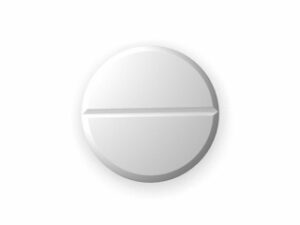
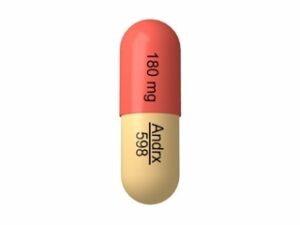
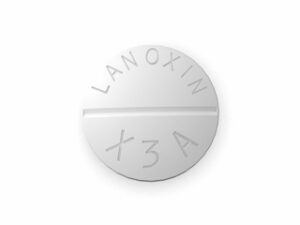
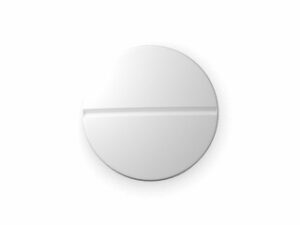
- Common form: Tablets (oral). Availability may vary by brand and strength.
- Medicine class: Antiarrhythmic (Class III, with additional effects)
- How it is taken: Swallowed whole with water (unless your prescriber/pharmacist advises otherwise)
- Typical onset: Often not immediate; benefits may build over days to weeks depending on the regimen
Note: Brand names, tablet strengths and pack sizes may vary. Always check the label and follow the directions on your medicine for your specific dose schedule.
2) How amiodarone works (mechanism of action)
Amiodarone helps correct abnormal heart rhythms by affecting the heart’s electrical signalling in several ways:
- Prolongs the heart’s electrical recovery time (lengthens repolarisation), which can reduce abnormal re-entrant circuits.
- Impacts multiple ion channels involved in cardiac conduction (including potassium channels, and effects on sodium and calcium channels).
- May slow conduction through parts of the heart involved in rhythm control.
Because of these combined effects, amiodarone can be effective for a range of rhythm problems, particularly those that are difficult to control with simpler options.
3) Pharmacokinetics (how your body handles it)
Amiodarone has distinctive “long-acting” pharmacokinetics:
- Absorption: Taken by mouth, absorption can be variable; taking it consistently as directed helps.
- Distribution: It is widely distributed into tissues, including the lungs and liver.
- Half-life: Amiodarone is slow to leave the body. Its half-life is very long (often measured in weeks), and it may take months to fully clear after stopping.
- Metabolism: It is metabolised mainly in the liver.
- Active breakdown products: One key metabolite is desethylamiodarone, which also contributes to effects.
What this means for you: The medicine may take time to reach steady effect, and side effects can persist even after dose changes—so monitoring is important.
4) Typical use in Australia
In clinical practice, amiodarone is commonly used to treat:
- Ventricular arrhythmias such as ventricular tachycardia (VT) and ventricular fibrillation (VF), particularly when other treatments are not suitable or have been unsuccessful.
- Supraventricular arrhythmias such as atrial fibrillation (AF) and atrial flutter in selected situations.
It is often chosen when rhythms are persistent, recurrent, severe, or high risk, because of its effectiveness and ability to stabilise rhythm—balanced against the need for careful safety monitoring.
5) Timing: when effects may start and what to expect
Start of action:
- Some benefit may occur sooner, but full rhythm stabilisation can take days to weeks, especially when starting treatment.
Consistency:
- Take doses at the same time(s) each day to maintain stable blood levels.
- If you miss a dose, do not double up unless your medication instructions explicitly say so. Check the patient information leaflet or contact your pharmacy for guidance.
Monitoring:
- Regular follow-up is important due to possible effects on the thyroid, lungs, liver, eyes, and heart conduction.
6) Food interactions and what to know
General guidance: Amiodarone can usually be taken with or without food; however, the product information may recommend taking it consistently with meals or after meals to improve tolerability and absorption.
Practical tips:
- Be consistent: If your instructions say “take after food,” follow that.
- Avoid sudden changes: Do not dramatically change meal timing or routine without discussing with a healthcare professional.
Absorption and lifestyle: If you have stomach issues (e.g., vomiting, diarrhoea) or you are taking medicines that strongly affect gut absorption, ask your pharmacist whether any adjustments are needed.
7) Alcohol and medicine interactions
Alcohol: There is not always a single rule that “no alcohol” applies to everyone on amiodarone, but alcohol can indirectly increase risk because it may:
- Worsen dehydration and stress on the heart
- Make symptoms harder to interpret (e.g., dizziness, palpitations)
- Increase the likelihood of missing doses
Safer approach: If you choose to drink alcohol, keep it moderate and consistent, and discuss with your clinician—especially if you have heart failure, liver problems or frequent arrhythmia episodes.
Important: medicine interactions are more significant than alcohol for amiodarone. Always tell your pharmacist about:
- All prescription medicines
- Pharmacy-only and herbal products
- Supplements (including “heart health,” weight loss, or sleep aids)
8) Medicine interactions (very important)
Amiodarone has a high potential for interactions because it affects liver enzymes and also can affect heart rhythm and heart rate. The risk increases when other medicines also influence heart rhythm (e.g., by prolonging QT interval) or reduce heart rate.
Examples of interaction categories to be aware of (not exhaustive):
- Other antiarrhythmics and medicines that can affect rhythm
- Medicines that slow the heart (may increase risk of slow heart rate or heart block)
- Warfarin (amiodarone can increase warfarin effect, raising bleeding risk)
- Some antibiotics and antifungals that influence metabolism or rhythm
- Antidepressants and antipsychotics that may affect QT interval
- Some seizure medicines (enzyme inducers may reduce amiodarone levels)
- Immunosuppressants and other specialist medicines
- Herbal products such as St John’s wort (may interact and reduce amiodarone levels)
Action step: Before starting or stopping any medicine (including antibiotics, antifungals, or herbal products), check with your pharmacist. Interaction checks are especially important if you’re also taking anticoagulants such as warfarin.
9) Indications (what amiodarone is used for)
Amiodarone is indicated for the treatment of certain abnormal heart rhythms. In practice it may be used for:
- Atrial fibrillation (for rate or rhythm control in selected patients)
- Atrial flutter
- Ventricular tachycardia and other significant ventricular arrhythmias
Selection matters: Clinicians consider factors such as type of rhythm, severity, underlying heart disease, prior treatments, and your risk profile—because amiodarone’s benefits may be balanced against its longer-term safety considerations.
10) Dosing: common patterns and how to follow your schedule
Dose depends on your individual condition and response. Your dosing schedule may start with a higher amount and then reduce, or it may be started at a steady dose—your clinician will determine the approach.
Common dosing patterns seen in clinical use (general guidance):
- Loading (starting) regimens: Sometimes used to achieve rhythm control more quickly, followed by a lower maintenance dose.
- Maintenance dosing: Once stabilised, the dose is typically reduced to the lowest effective amount.
How to take it safely:
- Follow the schedule on your prescription label.
- Do not change dose or stop suddenly without medical advice.
- If you vomit soon after taking a dose, seek advice from your pharmacist.
Important: Because amiodarone remains in the body for a long time, dose changes and stopping may not lead to immediate resolution of effects or side effects.
11) Safety profile: what to watch for
Amiodarone is effective, but it has a distinctive safety profile. Some side effects are uncommon but serious, particularly affecting the lungs and thyroid. Monitoring helps detect problems early.
Common or notable side effects
- Skin: Increased sensitivity to sunlight (photosensitivity) and a bluish skin discoloration in some cases
- Heart: Slow heart rate (bradycardia), dizziness, fainting, or worsening conduction issues
- GI: Nausea or appetite changes in some people
- Eye: Rare visual disturbances—report changes promptly
Serious side effects—seek urgent medical help
Contact emergency services or urgent medical care if you experience:
- Severe shortness of breath, persistent cough, chest pain, or fever (could suggest lung inflammation)
- Fainting, severe dizziness, or very slow pulse
- Signs of severe liver injury such as yellowing of skin/eyes, dark urine, severe fatigue or right upper abdominal pain
- Signs of an allergic reaction such as swelling of the face/lips, hives, or trouble breathing
Thyroid and other long-term monitoring
- Thyroid problems: Amiodarone can cause both underactive and overactive thyroid states. Symptoms may include fatigue, weight change, heat/cold intolerance, palpitations or tremor.
- Heart rhythm changes: Because it affects electrical conduction, monitoring (including ECG) may be required.
- Lung and liver effects: Regular clinical review may include blood tests and possibly imaging depending on your risk and symptoms.
Practical monitoring reminder: Ask your pharmacist or clinician what tests you should have and how often (e.g., ECG, liver function tests, thyroid function tests, and any eye checks when relevant).
12) Practical use tips for patients
- Sun protection: Use SPF 30+ sunscreen, wear protective clothing and avoid prolonged direct sunlight. Photosensitivity can occur even on routine days.
- Keep a medication list: Bring an up-to-date list to appointments and show it to every clinician.
- Do not start “new” medicines without checking: Antibiotics, antifungals, antidepressants, and herbal products can interact.
- Track symptoms: If palpitations return, note the time, triggers, and associated symptoms to help your clinician adjust treatment.
- Maintain heart-healthy habits: Take your other cardiovascular medicines as directed; follow advice on diet, fluid, and activity.
- Adherence matters: Use a daily reminder system (phone alarm, pill box) to reduce missed doses.
If you miss a dose: Check your specific instructions. In many cases you would take it when you remember unless it’s close to the next dose time—do not double. When in doubt, contact your pharmacy.
13) Alternative options
Depending on the type of rhythm problem, alternatives may include other antiarrhythmic medicines, rate-control strategies, or non-drug options. Your clinician may consider:
- Other antiarrhythmics (chosen based on rhythm type, heart function and interaction risk)
- Beta-blockers and calcium channel blockers for some forms of atrial arrhythmias
- Electrical cardioversion for selected patients
- Catheter ablation to reduce arrhythmia triggers and circuits
- Lifestyle and trigger management (e.g., reducing alcohol excess, managing sleep apnoea, correcting electrolyte issues like low potassium or magnesium when relevant)
If amiodarone is not suitable or you experience side effects, talk to your doctor or cardiologist about the most appropriate alternative strategy for your situation.
14) Market and legal context for Australia
In Australia, prescription medicines are regulated under the Poisons Standard and associated state and national medicine regulations. Amiodarone is a medicine that is subject to controlled prescribing and dispensing processes to support safe use.
What this means for you:
- Only take amiodarone if it has been prescribed for you by an appropriate clinician.
- Use only the intended product and strength.
- Follow monitoring schedules and advice from your healthcare team.
Ongoing safety updates: Like all medicines, amiodarone information can be updated in response to new safety data. Always rely on the current patient information leaflet provided with your medicine and the advice of your pharmacist.
15) Recent guidance and monitoring focus
Recent clinical practice emphasises early detection of amiodarone-related toxicities, especially:
- Lung symptoms (new or worsening shortness of breath, cough)
- Thyroid symptoms (unexplained fatigue, weight change, tremor, heat/cold intolerance)
- Regular laboratory and clinical monitoring as recommended by Australian clinicians and local protocols
- Medication interaction reviews before starting or stopping other drugs
Your care team may also consider updates to interaction knowledge, dosage adjustments, and follow-up frequency based on your risk profile and the latest information available to healthcare providers.
16) Delivery and availability (Australia)
Availability of amiodarone products can vary by brand and strength. Online pharmacies typically provide:
- Inventory checks: confirmation of stock for your selected strength and quantity
- Substitution policy: if a brand is unavailable, you may receive a suitable alternative only where permitted and clinically appropriate
- Safe packing: medicines are dispatched in protective packaging
Delivery timeframe: depends on your location and courier service. Some pharmacies offer standard and express options. To avoid delays, ensure your delivery details are correct.
Temperature and storage during delivery: Amiodarone tablets are generally stored at controlled room temperature; follow the storage instructions on the label. If your pharmacy notes special handling conditions, follow them closely.
17) Storage advice
- Store tablets at room temperature, away from heat and direct sunlight.
- Keep medicines in the original package to protect from light and for easy identification.
- Keep out of reach of children.
For your exact product, check the storage instructions on the label or patient information leaflet.
18) Amiodarone FAQ
How long does amiodarone take to work?
It varies by dosing regimen and your condition. Some improvement may occur within days, but full effect may take days to weeks. Because amiodarone stays in the body for a long time, effects can also persist after dose changes.
Can I stop amiodarone if I feel better?
Do not stop on your own. Stopping suddenly can lead to rhythm recurrence, and the medicine may remain active for weeks. Discuss any changes with your clinician.
Does amiodarone cause weight gain?
Weight changes can occur, but the cause may be related to thyroid effects (either too little or too much thyroid hormone) or other factors. If you notice rapid or unexplained weight change, report it promptly.
What are the most important warning signs?
Seek urgent care for severe shortness of breath or persistent cough, fainting or very slow heart rate, symptoms of liver injury (yellowing skin/eyes, dark urine), or signs of an allergic reaction.
Can I drive or operate machinery?
Amiodarone may cause dizziness or light-headedness in some people, especially if heart rate becomes too slow. If you feel unwell, avoid driving and seek medical advice.
Is it safe to take amiodarone with my other medicines?
Because amiodarone interacts with many medicines, it’s essential to review your full list with a pharmacist—particularly anticoagulants (like warfarin) and medicines that affect heart rhythm or slow the heart.
Can I drink alcohol while taking amiodarone?
Moderation may be acceptable for some people, but alcohol can worsen dizziness or trigger arrhythmias in certain individuals. Ask your clinician for guidance—especially if you have liver disease or heart failure.
Does sunlight make any difference?
Yes. Amiodarone can cause photosensitivity. Use sunscreen, wear protective clothing and avoid prolonged sun exposure.
What monitoring will I likely need?
Common monitoring includes ECG and blood tests for thyroid and liver function. Eye checks or lung assessment may be recommended depending on symptoms and your clinician’s protocol.
What should I do if I miss a dose?
Check the instructions on your product leaflet or consult your pharmacist. In many cases, don’t double the dose. If you’re unsure, contact your pharmacy for advice.
19) Summary: key points to remember
- Amiodarone helps stabilise abnormal heart rhythms by affecting cardiac electrical activity.
- It is long-acting, so effects and side effects can persist for weeks after dose changes.
- Food does not usually prevent use, but be consistent with your routine.
- Alcohol is best kept moderate and discussed with your healthcare team if you have heart or liver conditions.
- Interactions with other medicines are common and important—always check before starting new medicines or herbal supplements.
- Monitoring for thyroid, lungs, liver and heart conduction is essential.
- Seek urgent help for severe breathlessness, fainting, liver injury signs or allergic reactions.
Always refer to the patient information leaflet provided with your medicine and follow the instructions from your healthcare professional. If you have questions about your specific dose or any symptoms you notice, speak with your pharmacist or clinician promptly.