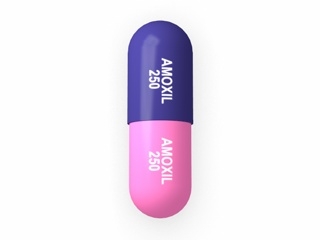


Amoxil (Amoxicillin) – Patient Guide (Australia)
Amoxil is a brand of amoxicillin, an antibiotic used to treat certain bacterial infections. This guide explains how it works, when it’s typically used, what to expect during treatment, and important safety information for people in Australia.
Always take medicines as directed by your healthcare professional and read the consumer medicine information (CMI) for your specific product pack.
Basic Product Information
| Item | Details |
|---|---|
| Medicine name | Amoxil (amoxicillin) |
| Medicine type | Antibiotic (penicillin-class; beta-lactam) |
| Common forms | Tablets/capsules and oral suspensions (form and strength vary by product) |
| Use | Treat selected bacterial infections |
| Active ingredient | Amoxicillin |
| Generic availability | Amoxicillin is also available as generics under different brand names |
How Amoxil Works (Mechanism of Action)
Amoxicillin belongs to the penicillin group of antibiotics. It works by hindering bacterial cell wall formation.
- Bacteria need a strong cell wall to survive and multiply.
- Amoxicillin binds to specific bacterial enzymes involved in building the cell wall.
- This leads to weakened cell walls and eventually kills or stops the growth of susceptible bacteria.
Importantly, amoxicillin only works against bacteria. It does not treat viruses such as the common cold or influenza.
Pharmacokinetics (Absorption, Distribution, Metabolism, Excretion)
Understanding how the medicine moves through the body can help you take it correctly.
- Absorption: Amoxicillin is absorbed in the gastrointestinal tract. It is generally well absorbed when taken by mouth.
- Food effects: Food may reduce stomach discomfort for some people. Amoxicillin can often be taken with or without food (see “Food interactions” below for details).
- Distribution: It distributes into body fluids and tissues to some extent, including areas involved in infections.
- Metabolism: Only a small amount is metabolised (broken down) by the body.
- Elimination: Amoxicillin is primarily cleared by the kidneys (urine). Kidney function can affect how quickly the medicine leaves your body.
If you have kidney impairment, your prescriber may recommend a different dose or dosing interval.
Typical Uses in Australia
Amoxil is used for susceptible bacterial infections as determined by clinical assessment. Common examples may include:
- Ear infections (otitis media) in certain cases
- Throat infections such as strep throat (where appropriate)
- Sinus infections (sinusitis) when bacterial infection is suspected or confirmed
- Chest infections in selected situations (e.g., certain bacterial pneumonias or exacerbations)
- Skin and soft tissue infections due to susceptible bacteria
- Dental infections in selected cases, often in combination with other management approaches
The most appropriate antibiotic depends on the infection, likely bacteria, local resistance patterns, and patient factors (such as allergies and kidney function).
Timing & How to Take Amoxil
Taking antibiotics at the right times helps maintain effective levels in your body and improves the chance of treatment success.
Common dosing schedules
- Many regimens are prescribed twice daily (every 12 hours) or three times daily (every 8 hours), depending on the specific infection and formulation.
Practical timing tips
- Try to take doses at consistent times each day.
- If you forget a dose, take it as soon as you remember unless it’s nearly time for the next dose.
- Do not double up to make up for a missed dose unless your healthcare provider advises it.
- Complete the full course even if you feel better. Stopping early can lead to incomplete eradication and possible relapse.
Food Interactions (With or Without Meals)
Amoxicillin can often be taken with or without food. Food may be helpful if you experience nausea or stomach upset.
- If you feel unwell when taking it on an empty stomach, consider taking it with meals.
- Keep a consistent routine so dosing intervals stay reliable.
If your specific product instructions differ, follow the directions on your pack or from your clinician.
Alcohol and Medicine Interactions
Alcohol
Moderate alcohol intake may not directly “cancel out” amoxicillin for most people, but it can:
- worsen stomach upset or nausea,
- reduce rest and recovery quality,
- interfere with hydration during illness.
For best results and comfort, it’s generally advisable to limit or avoid alcohol while you’re unwell and taking antibiotics.
Other medicines that may interact
Interactions depend on your personal medication list. Some key considerations include:
- Oral anticoagulants (blood thinners) – e.g., warfarin: Antibiotics may affect gut bacteria and can alter bleeding risk. Close monitoring may be required.
- Allopurinol: May increase the likelihood of rash in some people receiving amoxicillin.
- Oral contraceptives: Although most antibiotics don’t reliably reduce effectiveness, severe diarrhoea or vomiting can. If you have significant gastrointestinal upset, consider additional contraception advice from a clinician.
- Probenecid: May affect kidney clearance of penicillins, potentially increasing amoxicillin levels.
- Other antibiotics: Taking multiple antibiotics should be carefully chosen by a clinician to avoid reduced effectiveness or unnecessary side effects.
If you are unsure about a medicine interaction, speak with a pharmacist. Provide your full list of medicines, including supplements and herbal products.
Indications: When Amoxil Is Appropriate
Indications are the approved or commonly accepted reasons to use a medicine. Amoxil is intended for bacterial infections where amoxicillin is expected to be effective.
A clinician may base the decision on:
- symptoms and examination findings,
- likely bacterial causes,
- severity and complications,
- local antibiotic resistance patterns,
- previous antibiotic use,
- patient history (allergies, kidney health, age).
If infection is likely viral, antibiotics generally won’t help and may increase side effects and resistance risks.
Dosing Information (General Guidance)
Dosage depends on the specific infection, age, weight, kidney function, and the formulation (tablets/capsules versus suspension). Your pack instructions or clinician direction should be followed exactly.
Common dosing principles
- Doses for children are often calculated based on weight.
- Adults may use standard fixed doses depending on infection severity.
- Treatment duration varies (short courses to longer courses) depending on the infection type and response.
- Kidney impairment may require dose adjustment or changes to dosing frequency.
Important: formulation matters
Different strengths and forms (e.g., suspension concentrations) can look similar but are not interchangeable by “eyeballing” dose amounts. If you’re using a liquid, measure carefully using the device provided or a correct oral syringe.
If you need help interpreting the dose schedule on your product label, a pharmacist can explain it step-by-step.
Safety Profile: Side Effects and Warning Signs
Most people tolerate amoxicillin well, but like all medicines, it can cause side effects.
Common side effects
- Nausea
- Diarrhoea (mild and temporary is common)
- Stomach upset
- Skin rash (sometimes mild; still should be assessed)
- Headache (less commonly)
Serious side effects (seek urgent medical attention)
Stop taking the medicine and seek urgent help if you experience:
- Signs of an allergy, such as swelling of the face/lips, difficulty breathing, wheezing, or widespread hives
- Severe or persistent diarrhoea (especially with fever, blood, or mucus), which can indicate a more serious gut condition
- Severe skin reactions (blistering, peeling skin, painful sores, or rash with fever)
- Unusual bruising or bleeding (rare)
- Yellowing of the eyes/skin or dark urine (possible liver-related issues; rare)
Allergy considerations
- Do not use amoxicillin if you have a known penicillin allergy or a history of severe allergic reactions to beta-lactam antibiotics.
- If you’ve had a rash with prior antibiotics, clarify the type of reaction with a healthcare professional—some rashes are non-allergic while others may signal allergy.
If you are treating children, extra vigilance may be needed—contact a clinician promptly if the child appears unusually unwell or develops concerning symptoms.
Practical Use Tips (Get the Best Results)
- Start on schedule: Begin the course at the time advised so treatment starts promptly.
- Finish the course: Even if symptoms improve quickly, finish the regimen unless your clinician advises otherwise.
- Stay hydrated: Especially if you have diarrhoea or reduced appetite.
- Manage diarrhoea carefully: Many cases are mild, but severe diarrhoea requires medical advice. Avoid anti-diarrhoeal medicines unless your pharmacist advises.
- Use correct measuring tools: For suspensions, measure accurately.
- Store properly: Follow storage guidance on the pack (temperature, protection from moisture/light, and refrigeration requirements if relevant for liquid forms).
- Keep track of missed doses: If you miss a dose, follow the “What if I miss a dose?” advice on your pack or ask a pharmacist.
What to Expect During Treatment
Many bacterial infections begin to improve within 24–48 hours after starting appropriate antibiotic therapy, depending on the infection and severity.
- If symptoms are not improving or are worsening after this period, seek medical advice.
- If you develop fever, new pain, or worsening swelling, contact a clinician promptly.
- Complete the course unless told to stop due to side effects or allergy.
Alternative Options (Other Antibiotics and Supportive Care)
Antibiotic choice depends on the infection and suspected or confirmed bacteria. Alternatives may include:
- Cephalosporins (for some infections, where appropriate and safe)
- Macrolides (e.g., azithromycin) for specific situations
- Clindamycin or other agents for particular infections and bacterial susceptibility
- Amoxicillin-clavulanate in cases where beta-lactamase producing bacteria are likely (a common alternative when amoxicillin alone may not be sufficient)
- Supportive care (pain relief, fluids, rest) in parallel with antibiotics when appropriate
The “best” alternative is different for each patient. A pharmacist or clinician can advise based on your infection type, allergy history, and local guidelines.
Market and Legal Context for Australia (Overview)
In Australia, antibiotics are regulated medicines. Access to antibiotics is subject to Australian healthcare requirements and pharmacy supply rules. Requirements can vary depending on the product and its classification.
Pharmacies follow regulatory frameworks to ensure medicines are supplied safely, appropriately labelled, and used correctly. This helps support responsible antibiotic use and reduces the risk of antimicrobial resistance.
For the most accurate information about how antibiotics are supplied in your state and for your specific product, consult your local Australian pharmacy or refer to the Australian Government’s medication information resources.
Recent Guidance & Antimicrobial Stewardship (Australia)
Australia places strong emphasis on antimicrobial stewardship—using antibiotics only when needed and choosing the most appropriate option.
- Antibiotics are recommended for likely or confirmed bacterial infections.
- Clinicians may use local prescribing guidance and evidence to determine first-choice therapy.
- Patients are encouraged to avoid requesting antibiotics for viral illnesses.
- Completing the course as prescribed supports effectiveness and reduces the chance of resistant bacteria surviving.
If you have questions about whether your infection is bacterial or viral, discuss it with a healthcare professional—this can help ensure you receive the safest and most effective care.
Delivery, Availability & Packaging (Online Pharmacy Australia)
Amoxil availability may vary by strength and formulation (tablets, capsules, or suspension). Online pharmacies in Australia commonly supply stocked items or arrange prompt delivery when items are available through their distribution channels.
- Check product details: Confirm the strength (mg) and form (e.g., tablet vs suspension).
- Packaging and labelling: Delivered products are packaged to match Australian labelling requirements.
- Delivery times: Delivery estimates depend on your location and the pharmacy’s dispatch schedule.
- Storage after delivery: Store according to the pack instructions, particularly for liquid forms.
If a product is temporarily out of stock, a pharmacy may suggest an equivalent amoxicillin option or an alternative antibiotic if clinically appropriate.
FAQ – Frequently Asked Questions
1) What is Amoxil used for?
Amoxil (amoxicillin) is an antibiotic used for certain bacterial infections. The exact infection types and suitability depend on symptoms, examination, and suspected bacteria.
2) Does Amoxil treat the common cold or flu?
No. Colds and influenza are caused by viruses, and antibiotics like amoxicillin do not treat viruses.
3) How quickly should I feel better?
Many people notice improvement within 24–48 hours if the infection is bacterial and the dose is appropriate. If you don’t improve or you worsen, seek medical advice.
4) Can I take Amoxil with food?
In many cases, yes. Taking it with food can reduce stomach upset. Follow your pack instructions if they specify a particular method.
5) Can I drink alcohol while taking Amoxil?
It’s best to avoid or limit alcohol during illness and treatment to reduce the risk of stomach upset and to support recovery. Alcohol is unlikely to “neutralise” amoxicillin, but it can make side effects or dehydration worse.
6) What if I miss a dose?
Take it as soon as you remember unless it’s close to the next scheduled dose. Don’t double up unless a pharmacist or clinician advises it.
7) What side effects are most common?
Common effects include nausea, diarrhoea, stomach upset, and sometimes mild rash. Contact a clinician if side effects are severe, persistent, or worrying.
8) When should I stop and get urgent help?
Seek urgent medical attention for signs of severe allergy (breathing difficulty, facial swelling, widespread hives) or severe diarrhoea, especially with blood or fever.
9) Is Amoxil safe for children?
Amoxicillin is commonly used in paediatric care when appropriate, with dosing based on the child’s weight and the specific infection. Always use the correct measured dose and follow clinician guidance.
10) Can I take Amoxil if I’m pregnant or breastfeeding?
Many people need antibiotic treatment during pregnancy or breastfeeding, but safety can depend on the individual situation. Discuss with your clinician or pharmacist for personalised advice.
Key Takeaways
- Amoxil (amoxicillin) is an antibiotic for susceptible bacterial infections.
- It works by disrupting bacterial cell wall formation.
- Take doses at consistent times; food may help with stomach comfort.
- Avoid alcohol where possible while you’re unwell; check interactions with your medicines.
- Complete the course unless side effects or allergy require medical advice.
If you have questions about whether Amoxil is suitable for your situation, side effects, or interactions with other medicines, speak with an Australian pharmacist or healthcare professional.