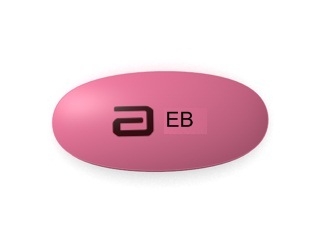

Erythromycin (Oral) – Patient Information (Australia)
Erythromycin is an antibiotic medicine used to treat certain bacterial infections. In Australia, erythromycin is supplied in different forms (commonly tablets, capsules, and granules/suspensions depending on the brand and strength). This page explains what erythromycin is, how it works, how it’s taken, what to expect, and important safety considerations for adults and children.
If you have questions about your specific condition or whether erythromycin is suitable for you, speak with a pharmacist or doctor. Antibiotics work only against bacteria—viral illnesses like colds and flu do not benefit.
Basic product information
| Item | Details |
|---|---|
| Medicine name | Erythromycin |
| Type | Macrolide antibiotic |
| Common uses | Selected respiratory, skin, and other bacterial infections; prevention/treatment in some specific scenarios |
| Typical forms | Tablets/capsules; oral suspension/granules (varies by product) |
| Key considerations | Possible stomach upset, potential drug interactions (especially with medicines affecting heart rhythm), and adherence to full course |
How erythromycin works (mechanism of action)
Erythromycin belongs to the macrolide class of antibiotics. It works by stopping bacteria from making essential proteins. Specifically, it binds to the bacterial ribosome (50S subunit), which interferes with protein synthesis. Without the proteins needed to grow and reproduce, susceptible bacteria are unable to multiply effectively.
Depending on the bacteria and concentration reached in the body, erythromycin may act in a bacteriostatic manner (slows or stops bacterial growth) rather than directly killing bacteria.
Pharmacokinetics (how the body handles it)
Pharmacokinetics describes how a medicine is absorbed, distributed, metabolised, and eliminated.
- Absorption: Erythromycin is absorbed from the gastrointestinal tract, but absorption can vary by formulation and in different individuals.
- Distribution: It can distribute into many body tissues. Some concentrations may be lower in certain body sites, which can influence whether it’s a good choice for a given infection.
- Metabolism: It is metabolised in the liver to some extent.
- Elimination: Erythromycin is primarily eliminated via the liver and biliary system, and to a lesser degree by the kidneys. The exact profile can vary by product and patient factors.
- Time to effect: Many people start to feel better within 24–72 hours of appropriate antibiotic treatment, but improvement can vary depending on the infection and severity.
Because erythromycin can interact with other medicines and may affect heart rhythm in some circumstances, it’s important to discuss your medication list with a pharmacist before starting.
Typical uses and indications
Erythromycin is used for bacterial infections caused by susceptible organisms. Doctors and pharmacists consider local resistance patterns, the likely bacteria involved, severity of infection, and patient-specific factors when choosing an antibiotic.
Indications can vary by country guidance, local antibiotic stewardship and product availability. Common categories where erythromycin may be considered include:
- Respiratory tract infections (selected cases such as certain bacterial throat or chest infections where macrolides are appropriate)
- Skin and soft tissue infections due to susceptible bacteria
- Some sexually transmitted or specific bacterial infections (based on susceptibility and clinical situation)
- Prevention or special clinical scenarios as advised by current clinical guidance
- Ear/sinus/throat infections in certain situations where macrolides are suitable
Erythromycin is not effective against viruses. If your symptoms are due to a viral infection, antibiotics will not help and can increase side effects and resistance.
How to take erythromycin: timing and routine
Follow the dosing instructions provided with your product or from your healthcare professional. If you’re unsure, check with a pharmacist. In general, the goal is to keep drug levels in the body steady enough for the antibiotic to work.
Typical timing (general guidance)
- Take at regular intervals (for example, morning and evening or three times daily depending on your dose schedule).
- Try not to miss doses. If you miss a dose, take it when you remember unless it’s close to the next dose. Do not take a double dose.
- Complete the full course even if you feel better. Stopping early can lead to relapse or resistance.
Consistency with formulation
Different erythromycin preparations may have different release characteristics. If you switch brands or formulations, confirm you’re using the correct strength and instructions.
Food interactions and whether to take with meals
Food can influence how much erythromycin is absorbed. In many cases, taking erythromycin with food may reduce stomach upset, but specific advice depends on the product formulation.
- Stomach discomfort: If you experience nausea or abdominal pain, taking the medicine with food may help.
- Follow label instructions: Some products may have specific directions regarding meals or timing.
- Grapefruit and similar interactions: While the most widely known grapefruit interaction concerns certain other medicines, it’s still sensible to ask a pharmacist if you regularly consume grapefruit or grapefruit juice—especially if you take multiple medicines.
If you’re switching between “with food” and “on an empty stomach” from one prescription to another, clarify this with your pharmacist.
Alcohol and medicine interactions
Alcohol is not always strictly contraindicated with erythromycin, but drinking can worsen side effects such as:
- nausea and vomiting
- dizziness
- heartburn/irritation
- tiredness and reduced ability to recover
More importantly, alcohol can interfere with your overall recovery from infection and may increase the likelihood of missing doses. For these reasons, it’s generally best to avoid heavy alcohol intake while taking antibiotics.
If you have liver disease, take medicines that affect heart rhythm, or are on multiple interacting therapies, ask a pharmacist for advice on safe alcohol use.
Alcohol and heart-rhythm considerations (important)
Erythromycin can, in some people and under certain conditions, contribute to changes in heart rhythm. Some situations that increase risk include:
- existing heart rhythm problems
- low potassium or magnesium levels
- concurrent use of medicines known to affect QT interval
- high doses or certain drug combinations
Alcohol can contribute indirectly by affecting hydration and electrolytes in some circumstances. If you notice palpitations, fainting, or severe dizziness, seek medical help promptly.
Medicine interactions (what to check before starting)
One of the key safety aspects of erythromycin is its potential for drug–drug interactions. Interactions can increase the risk of side effects or make either erythromycin or the other medicine less effective.
Always tell your pharmacist about:
- all prescription medicines
- over-the-counter products
- vitamins, herbal products, and supplements
Common interaction categories
- Medicines affecting heart rhythm (QT-prolonging medicines): Some antibiotics and other drug classes can affect cardiac electrical activity. Combining them with erythromycin may increase risk.
- Statins: Certain statins may have increased risk of side effects when combined with macrolides.
- Some antiarrhythmics: Medicines used for rhythm control may interact.
- Some anticoagulants: Monitoring may be required with certain blood thinners depending on the individual case.
- Antiepileptics and antifungals: Interactions can alter drug levels.
- Diabetes medicines: Rarely, blood glucose may be affected indirectly through interactions or illness changes.
- Antacids and acid-reducing medicines: These may affect absorption depending on the formulation.
This list is not complete. If you provide your medicine names (including the exact brand/strength), a pharmacist can help check for interaction risks.
Dosing: how much is usually taken
Dosing of erythromycin depends on the infection being treated, the patient’s age, weight, kidney/liver function, and the specific product strength and formulation. Always use the dosing instructions provided for your particular product.
Below are general dosing principles only. Exact regimens vary between indications and formulations.
General approach
- Adults: Often prescribed in divided doses per day.
- Children: Commonly dosed by weight and adjusted to the child’s situation.
- Duration: Treatment length depends on the infection type and clinical response.
Practical dosing tips
- Use measuring devices for liquid medicine (if applicable). Kitchen spoons can be inaccurate.
- Shake suspension if your product is labeled as needing shaking. Check the label.
- Keep to a schedule: set phone reminders if helpful.
- Do not change dose without medical advice.
If you’re unsure how to measure or take a particular strength, ask a pharmacist before you start.
Safety profile: common and serious side effects
Like all medicines, erythromycin can cause side effects. Many people experience mild effects that resolve after treatment begins or ends. Some adverse effects require urgent attention.
Common side effects
- Nausea
- Abdominal discomfort or cramps
- Diarrhoea
- Vomiting
- Headache
- Loss of appetite
Serious side effects (seek urgent medical advice)
- Signs of allergy: rash, swelling of face/lips, trouble breathing
- Severe or persistent diarrhoea (especially watery or bloody), fever, or severe abdominal pain
- Jaundice (yellow skin/eyes), dark urine, or significant fatigue (possible liver issues)
- Irregular heartbeat, palpitations, fainting, or severe dizziness
- Severe weakness or symptoms suggesting electrolyte imbalance
When to stop and get help
If you develop symptoms suggestive of a serious reaction, contact a healthcare professional urgently. Do not wait for symptoms to resolve if they are severe.
Practical use tips for better outcomes
- Start promptly: Take your first dose at the scheduled time so the antibiotic can begin working.
- Stay hydrated: This can help reduce the discomfort of diarrhoea or vomiting.
- Manage stomach upset: Taking with food may help. Avoid lying down immediately after dosing.
- Don’t share antibiotics: Only use erythromycin for the condition it was intended for.
- Finish the course: Even if symptoms improve early, complete treatment unless advised otherwise.
- Watch for lack of improvement: If symptoms do not improve within a few days or worsen, seek advice.
- Consider resistance: If you have used macrolides recently, inform your clinician so they can choose the best option.
- Keep a medication list: Include dose, timing, and all current medicines for safety checks.
What to expect during treatment
Many bacterial infections begin to improve within 24–72 hours after effective treatment. However, recovery can take longer depending on infection severity.
- Fever: should gradually reduce if the infection is responding.
- Pain and swelling: should start to settle though this can be slower in some conditions.
- Diarrhoea or stomach upset: may appear early. Mild symptoms can be managed, but severe diarrhoea needs medical attention.
If your condition worsens, you have high fever, cannot keep fluids down, or develop new concerning symptoms, seek medical help.
Alternative options to discuss with a clinician or pharmacist
The “best” antibiotic depends on the infection, likely bacteria, local resistance patterns, your allergies, and your personal risk factors. Alternatives may include different antibiotic classes.
Common alternative antibiotics (examples)
- Penicillins (or cephalosporins) for some respiratory/skin infections where appropriate
- Other macrolides in certain cases (if erythromycin is not suitable)
- Tetracyclines for some infections and situations
- Clindamycin for certain skin/soft tissue infections in selected patients
Availability, dosing schedules, and side effect profiles vary. If you’ve previously reacted to an antibiotic or had an interaction, let your pharmacist know so they can guide you to suitable alternatives.
Market and legal context for Australia
In Australia, antibiotics are medicines that are regulated to support safe and appropriate use. Quality assurance, supply chain standards, and pharmacist oversight are in place to help ensure correct identification of the medicine, strength, formulation, and suitability for the patient.
Antibiotic stewardship is strongly emphasised across Australian healthcare. Using the right antibiotic for the right infection helps reduce resistance and protect community health.
Online pharmacies in Australia typically provide medication information and safety checks. The availability of specific antibiotic products can depend on pharmacy supply arrangements and regulatory requirements.
Recent guidance and antibiotic stewardship (general overview)
Australian antimicrobial guidance commonly focuses on:
- Right indication: antibiotics only when bacterial infection is likely
- Right choice: use the narrowest effective antibiotic where possible
- Right duration: prescribe the shortest effective course
- Monitoring: reassess if there is no clinical improvement
In practice, local protocols may recommend erythromycin for certain conditions but prefer other agents for many common infections depending on resistance patterns and patient risk factors. If your symptoms are not improving, clinicians may adjust treatment rather than simply continue.
Delivery and availability
Many online pharmacies in Australia offer home delivery of medicines. Availability of erythromycin can vary by brand, form (tablets/capsules vs suspension), and strength.
- Check stock: Product pages usually indicate whether the item is currently available.
- Delivery times: Delivery speed can depend on your location and whether the item is held locally.
- Packaging: Medicines are typically dispatched in secure, tamper-evident packaging with relevant labelling.
- Cold chain: Erythromycin is generally not a cold-chain medicine, but always follow product storage directions.
If you need a specific formulation (e.g., child-friendly suspension), contact customer support or a pharmacist to confirm it can be supplied.
Storage
Store erythromycin according to the product label. General storage principles include:
- Keep out of reach of children.
- Store at the recommended temperature range on the packaging.
- Protect from moisture and excessive heat unless the label indicates otherwise.
- Liquid formulations often have additional instructions (such as refrigeration or discard dates after opening) depending on the brand.
FAQ: Erythromycin
1) What is erythromycin used for?
Erythromycin is an antibiotic used for infections caused by susceptible bacteria. It may be used for respiratory, skin, and other bacterial infections depending on local guidance and your individual situation.
2) When should I start feeling better?
Many people begin to feel better within 24–72 hours if the infection is responsive to treatment. If you feel worse or see no improvement after a few days, contact a healthcare professional.
3) Can I take erythromycin with food?
Taking erythromycin with food may help reduce stomach upset for many people, but follow the instructions on your product label. If your label specifies “on an empty stomach,” follow that guidance.
4) What if I miss a dose?
Take it as soon as you remember unless it’s close to the next dose. Skip the missed dose if it’s almost time for your next one—do not take a double dose.
5) Is it safe to drink alcohol while taking erythromycin?
Small amounts may be tolerated by some people, but alcohol can worsen nausea, dizziness, and dehydration risks. For best recovery, avoid heavy alcohol intake while you’re on treatment.
6) What medicines commonly interact with erythromycin?
Erythromycin can interact with medicines that affect heart rhythm, some statins, certain antiarrhythmics, blood thinners, antifungals, and some other drug classes. Always provide a full list of medicines and supplements to a pharmacist for checking.
7) Can erythromycin cause diarrhoea?
Yes. Mild diarrhoea can occur. However, seek medical advice urgently if diarrhoea becomes severe, watery, bloody, or is accompanied by fever or significant abdominal pain.
8) Are there any warning signs I should watch for?
Seek urgent help if you develop symptoms of allergy (rash, swelling, breathing difficulty), signs of liver problems (yellowing, dark urine), or heart rhythm symptoms (fainting, severe dizziness, palpitations).
9) Is erythromycin the same for children and adults?
Children’s dosing is typically based on weight and age, and the appropriate formulation may differ (e.g., suspension). Use the specific dosing and measuring instructions provided for the child’s medicine.
10) What are the alternatives if erythromycin isn’t suitable?
Alternatives depend on the infection and your medical history. Options may include other antibiotic classes or different macrolides. Discuss options with a pharmacist or clinician, especially if you have allergies or have experienced side effects before.
Important reminder
This information is designed to help you understand erythromycin and use it safely. It does not replace advice from a healthcare professional. If you have questions about side effects, interactions, or whether erythromycin is appropriate for your situation, ask a pharmacist.