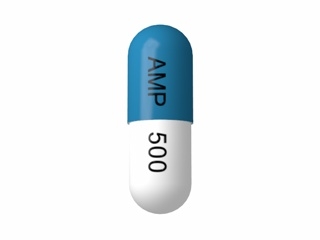
Ampicillin (Acillin) – Patient Guide (Australia)
Ampicillin (brand example: Acillin) is a penicillin-type antibiotic used to treat certain bacterial infections. This page explains how ampicillin works, how it is used, common practical tips, and important safety information to help you use it correctly and confidently.
Always follow the instructions provided with your medicine and any advice from a healthcare professional. If you are unsure about any part of your treatment, seek medical advice promptly.
Quick product information
| Feature | What to know |
|---|---|
| Medicine name | Ampicillin (e.g., Acillin) |
| Medicinal class | Beta-lactam antibiotic (penicillin group) |
| What it treats | Bacterial infections susceptible to ampicillin |
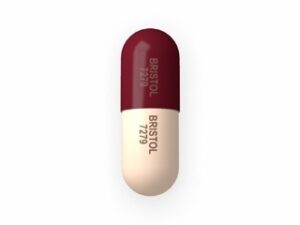
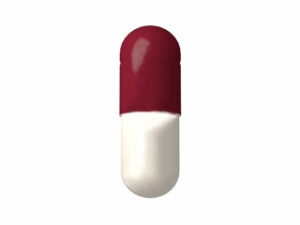
| Common forms | Capsules/tablets and oral preparations; varies by product |
| How it works | Stops bacteria building their cell walls |
| Key safety considerations | Allergy to penicillins, diarrhoea, possible drug interactions |
| Typical course | Varies by infection; complete the full prescribed course |
How ampicillin works (mechanism of action)
Ampicillin is a beta-lactam antibiotic. Bacteria rely on enzymes to build and cross-link their cell wall (which protects and supports the bacterial cell). Ampicillin interferes with these processes by binding to specific bacterial penicillin-binding proteins (PBPs).
The result is that the bacterial cell wall becomes weak and cannot maintain integrity, causing bacteria to die—especially during growth and division.
Pharmacokinetics: how the body handles ampicillin
Understanding pharmacokinetics can help explain why dosing schedules matter.
- Absorption: When taken by mouth, ampicillin is absorbed into the bloodstream. The degree of absorption can vary between people and can be affected by food.
- Distribution: It distributes throughout body tissues and fluids to reach sites of infection.
- Metabolism: Ampicillin is not extensively metabolised.
- Elimination: Most is cleared by the kidneys. This means dose adjustments may be needed in people with kidney impairment.
- Half-life: The exact half-life may vary with kidney function and individual factors; dosing intervals are designed to maintain effective levels.
Typical uses (indications)
Ampicillin may be used to treat infections caused by susceptible bacteria. The decision to use ampicillin depends on:
- the type and location of infection
- the likely bacteria involved
- local antibiotic resistance patterns
- any available culture and sensitivity results
- your individual medical history (including allergies)
While specific indications vary by clinical guidance and local practice, ampicillin may be considered for certain bacterial infections, such as:
- Respiratory tract infections (when caused by susceptible organisms)
- Urinary tract infections (depending on organism susceptibility)
- Ear, nose and throat infections where ampicillin-susceptible bacteria are suspected
- Gastrointestinal infections in selected situations when appropriate
- Other susceptible bacterial infections as assessed by a clinician
Note: Many common infections are caused by bacteria that may not be susceptible to ampicillin due to resistance. Your prescriber may choose an alternative antibiotic if susceptibility is unlikely or resistance is known in your area.
When to take ampicillin: timing and dosing principles
Dosing depends on the infection being treated, your age, body weight (especially in children), kidney function, and the specific formulation.
Important: The dosing information below provides general guidance for how ampicillin is typically taken. Always use the instructions on your medicine label and the advice you were given.
Typical dosing approach (general)
- Frequency: Ampicillin is commonly taken multiple times per day to keep blood levels in the effective range.
- Course length: Courses can range from several days to longer, depending on the infection.
- Renal impairment: If you have reduced kidney function, dosing intervals or the dose may need adjustment.
- Children: Doses are often weight-based and should be calculated carefully for children.
Practical timing tips
- Take doses at even intervals where possible.
- Use reminders (phone alarms) to avoid missed doses.
- If you miss a dose, take it as soon as you remember unless it is close to the next dose—then skip and resume your normal schedule.
- Do not double up to “catch up.”
How to take ampicillin: food interactions and absorption
Food can affect absorption for some antibiotics. Ampicillin may be taken with or without food depending on the product and how your stomach tolerates it.
General guidance:
- If ampicillin upsets your stomach, taking it with food may improve comfort for some people.
- If your product instructions specify “with food” or “on an empty stomach,” follow those directions.
Interaction with certain foods: Some antibiotics interact with meals that reduce absorption. If you notice reduced effect or significant gastrointestinal upset, discuss with a healthcare professional.
Alcohol and medicine interactions
Alcohol is not always directly contraindicated with ampicillin, but it can worsen side effects such as nausea and can also impair immune response and recovery while you are ill.
- Best approach: Avoid or minimise alcohol while you are taking antibiotics and are recovering from an infection.
- If you choose to drink, do so cautiously and only if you are feeling well enough.
Medicine interactions (other drugs and supplements)
Ampicillin can interact with other medicines. These interactions may change antibiotic effectiveness, increase side effects, or create new safety risks.
Common interaction examples to discuss
- Probenecid: May reduce renal clearance of ampicillin, increasing levels.
- Allopurinol: Co-use may increase the risk of rash in some people.
- Oral anticoagulants (e.g., warfarin): Antibiotics can affect gut bacteria involved in vitamin K production and may influence INR—monitoring may be needed.
- Oral contraceptives: The evidence is mixed, and the effect (if any) may depend on diarrhoea/vomiting. If you experience significant diarrhoea or vomiting, additional contraception may be advised.
- Methotrexate: Antibiotic co-use may increase toxicity risk in some circumstances.
This is not a complete list. Tell your pharmacist or doctor about all medicines, including:
- prescribed medicines
- over-the-counter products
- herbal supplements (e.g., St John’s wort)
- vitamins and minerals
Safety profile: key warnings and side effects
Most people tolerate ampicillin well, but like all medicines it can cause side effects. Some reactions can be serious and require immediate attention.
Common side effects
- Diarrhoea (mild to moderate in many cases)
- Nausea or stomach upset
- Rash (mild skin reactions can occur)
- Headache (less common)
Serious side effects: seek urgent medical help
-
Allergic reaction (possible penicillin allergy), such as:
- swelling of lips, face, or throat
- trouble breathing or wheezing
- hives or widespread rash
- fainting or severe dizziness
- Severe or persistent diarrhoea, especially if watery or bloody, or if accompanied by fever and abdominal cramps. This can be a sign of antibiotic-associated colitis (including C. difficile infection).
- Severe skin reactions (rare), such as blistering, peeling, or sores in the mouth/eyes.
- Signs of liver problems such as yellowing of the skin/eyes, dark urine, or severe fatigue.
Who should be extra cautious?
- People with a history of allergy to penicillins or other beta-lactam antibiotics.
- People with kidney impairment (dose adjustment may be required).
- People with a history of antibiotic-associated diarrhoea or bowel disease.
- People with glandular fever/mono (ampicillin may increase the likelihood of rash).
Practical use tips for better outcomes
- Complete the full course: Even if you feel better, finish the treatment as directed.
- Keep track of doses: Missed doses can reduce effectiveness and promote resistance.
- Hydration: Drink fluids to support recovery and reduce the risk of dehydration if you experience diarrhoea.
- Monitor symptoms: If symptoms worsen after 48–72 hours, contact a clinician—your infection may not be responding or may be caused by a resistant organism.
- Do not reuse leftover antibiotics: Using antibiotics for the wrong illness can be harmful and may mask serious conditions.
Alternative options (when ampicillin may not be suitable)
If ampicillin is not appropriate due to allergy, expected resistance, treatment failure, or specific infection characteristics, a healthcare professional may consider alternative antibiotics or different treatment strategies.
- Other penicillins or beta-lactams (depending on the bacteria and your allergy history)
- Cephalosporins (for some infections; cross-reactivity risk depends on allergy type)
- Macrolides (for certain respiratory infections or penicillin intolerance)
- Tetracyclines, trimethoprim-sulfamethoxazole, or other targeted agents (depending on susceptibility)
- Non-antibiotic measures for viral infections or supportive care when antibiotics are not needed
Your clinician will choose alternatives based on local guidelines, likely pathogens, and your individual situation. If you have had allergic reactions before, make sure to tell your healthcare team.
Market and legal context in Australia
In Australia, antibiotics are regulated under the national medicines framework. Antibiotics are generally subject to prescribing requirements to ensure appropriate use, safety, and monitoring.
Treatment decisions rely on clinical assessment, including whether antibiotics are necessary, which antibiotics are likely to be effective, and how to minimise antibiotic resistance.
Online pharmacies in Australia operate within legal and regulatory boundaries, including requirements for patient identity verification, medicine supply compliance, and pharmacist involvement where required.
Recent guidance and antibiotic stewardship (what this means for you)
Antibiotic stewardship aims to use antibiotics appropriately—right antibiotic, right dose, right duration—so they are effective and resistance is reduced.
- Don’t use antibiotics for viral illnesses (e.g., most colds and flu).
- Complete the course as advised.
- Seek reassessment if symptoms don’t improve or worsen.
- Use cultures when relevant to target therapy and avoid unnecessary broad-spectrum antibiotics.
If you were given ampicillin, it indicates that your healthcare team judged the likely bacteria to be susceptible and the benefits to outweigh risks.
Delivery and availability (Australia)
Availability can vary depending on product form (strength, formulation, pack size) and market supply. Delivery timeframes depend on the online pharmacy, your location, and courier services.
- Stock availability: Some strengths or formulations may sell out temporarily.
- Order dispatch: Many pharmacies dispatch orders quickly after payment verification.
- Delivery: Standard and express delivery options may be available.
- Cold-chain: Ampicillin products are generally not temperature-sensitive like vaccines, but follow the product packaging instructions.
If you need urgent treatment, choose the fastest delivery option available and ensure you check timelines before ordering.
Storage and handling
- Store at the temperature specified on the label (commonly below 25°C, unless stated otherwise).
- Keep medicines in their original packaging to protect from light and moisture.
- Keep out of sight and reach of children.
- If your product is a liquid suspension, follow reconstitution and storage instructions exactly (including refrigeration if required).
Frequently Asked Questions (FAQ)
1) What is ampicillin used for?
Ampicillin is used to treat certain bacterial infections caused by organisms that are susceptible to it. The exact infection type depends on clinical assessment and sometimes testing.
2) How quickly should I feel better after starting ampicillin?
Many people notice improvement within 48–72 hours. If there is no improvement or if symptoms worsen, contact a healthcare professional for review.
3) Can I take ampicillin with food?
In many cases ampicillin can be taken with or without food. If food affects how you tolerate the medicine (e.g., nausea), taking it with a meal may help. Always follow the specific instructions on your product label.
4) What if I miss a dose?
Take it as soon as you remember, unless it is almost time for the next dose. Skip the missed dose if you’re close to the next one, and continue your normal schedule. Do not take a double dose.
5) Can I drink alcohol while on ampicillin?
It’s best to avoid or minimise alcohol while you’re recovering. Alcohol can worsen side effects and delay recovery. If you choose to drink, do so only cautiously and ensure you are otherwise well.
6) Does ampicillin interact with birth control pills?
Antibiotics may affect oral contraceptives mainly if you have significant diarrhoea or vomiting. If you experience these, consider additional contraception and speak with a pharmacist for tailored advice.
7) What should I do if I develop diarrhoea?
Mild stomach upset can occur, but severe, watery, or bloody diarrhoea—especially with fever or abdominal cramps—can be serious. Contact a healthcare professional promptly or seek urgent care if severe.
8) Is ampicillin safe if I have kidney problems?
Ampicillin is cleared by the kidneys, so dose adjustment may be needed in kidney impairment. Tell your clinician or pharmacist about your kidney function so the dose can be appropriate.
9) What if I have an allergy to penicillin?
If you’ve had a penicillin allergy, you may need an alternative antibiotic. Seek medical advice immediately if you have symptoms of an allergic reaction such as hives, facial swelling, or difficulty breathing.
10) Are there alternatives if ampicillin doesn’t work?
Yes. If symptoms don’t improve or the infection is not susceptible, your clinician may switch to a different antibiotic or consider further investigation (such as cultures or reassessment).
When to seek medical advice urgently
Contact urgent care or seek emergency help if you develop any signs of serious allergic reaction (e.g., swelling of face/throat, breathing difficulty) or severe diarrhoea with fever or blood.
If you are concerned about side effects, treatment progress, or possible interactions with your other medicines, speak to a pharmacist or healthcare professional as soon as possible.