

Trimox (Amoxicillin) — Patient-Friendly Guide (Australia)
Trimox is a brand of the antibiotic amoxicillin. It belongs to the penicillin family and is commonly used to treat certain bacterial infections. This guide explains what Trimox is, how it works, typical uses, how it’s taken, important food and medicine interactions, safety considerations, and practical tips for Australians using online pharmacy services.
Always read the consumer medicine information (CMI) provided with your medicine. If you have questions about whether this antibiotic is suitable for you, speak with a healthcare professional.
Basic product information
| Item | Details |
|---|---|
| Medicine name | Trimox |
| Active ingredient | Amoxicillin |
| Medicine class | Antibiotic (penicillin family) |
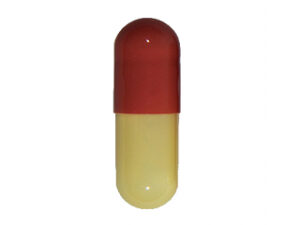
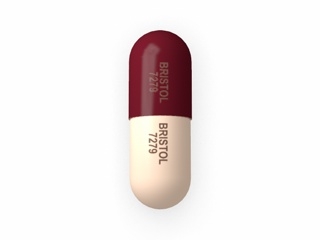
| Common forms | Tablets/capsules and oral liquid (strength varies by product) |
| Typical administration | By mouth |
| Why it’s used | Treats infections caused by susceptible bacteria |
Product strength and dosing schedules can vary by formulation (e.g., liquid vs tablet/capsule). Use the instructions supplied with your specific Trimox product.
How Trimox works (mechanism of action)
Amoxicillin works by stopping bacteria from building their cell walls. It targets bacterial enzymes involved in cell-wall formation (often described as penicillin-binding proteins). Without a properly formed cell wall, bacteria are unable to grow and multiply, and they die—either directly or as the immune system clears them.
Amoxicillin is designed to act on susceptible bacteria. It does not treat infections caused by viruses (for example, most colds and flu) because viruses do not have cell-wall structures targeted by penicillins.
Pharmacokinetics (how the body handles it)
“Pharmacokinetics” describes how the medicine is absorbed, distributed, metabolised and eliminated. In general:
- Absorption: Amoxicillin is absorbed after oral dosing. Food can reduce the speed of absorption for some people but typically does not significantly reduce the total amount absorbed.
- Distribution: It distributes into body tissues and fluids and can reach areas involved in many bacterial infections. Levels depend on infection site and inflammation.
- Metabolism: A portion may be metabolised in the body.
- Elimination: Most is excreted via the kidneys. Dose adjustment may be required in kidney impairment.
If you have reduced kidney function, discuss this with your pharmacist or doctor, as your dose or dosing interval may need to be changed.
Typical uses in Australia
Trimox (amoxicillin) is used to treat infections where the likely or confirmed cause is a susceptible bacterium. Common indications may include:
- Ear infections (otitis media)
- Sinus and upper respiratory infections (e.g., acute bacterial sinusitis, when appropriate)
- Throat infections (e.g., streptococcal tonsillitis/pharyngitis, depending on local guidance and testing)
- Chest infections (e.g., some bacterial bronchitis or community-acquired pneumonia—when indicated)
- Dental infections
- Skin infections caused by susceptible bacteria
- Urinary tract infections (selected cases, based on susceptibility and clinical judgement)
Your clinician will consider symptoms, examination, potential bacterial cause, local resistance patterns, and your allergy history. Antibiotics should be used responsibly to reduce side effects and antibiotic resistance.
Indications and when antibiotics may be considered
Antibiotics are intended for suspected or confirmed bacterial infections. Amoxicillin is most useful when:
- Symptoms and signs suggest bacterial infection rather than a virus
- The expected bacteria are likely to be sensitive to amoxicillin
- There are no contraindications (especially penicillin allergy)
- Benefits are likely to outweigh risks
If your infection is viral, antibiotics will not help and can cause harm (e.g., diarrhoea and allergic reactions) and contribute to resistance.
Dosing and timing
Dosing depends on factors such as the type and severity of the infection, age, weight (especially in children), and kidney function. Always follow the dosing schedule on your medicine label or the instructions provided with your specific product.
General principles
- Take at the same times each day to maintain steady levels.
- Complete the full course as directed, even if you feel better.
- If you miss a dose, take it when you remember—unless it’s almost time for the next dose. Don’t double up.
Typical schedules (examples)
Many adults are prescribed amoxicillin on schedules such as twice daily (every 12 hours) or three times daily (every 8 hours). The exact dose and interval will vary by infection type and severity.
- Adults: common regimens can include twice- or three-times-daily dosing depending on indication.
- Children: dosing is commonly weight-based and formulation-dependent (tablets/capsules vs oral suspension).
- Kidney impairment: may require modified dosing.
If you are unsure about your schedule, ask your pharmacist to help you interpret the directions on your label.
How to take Trimox: practical timing tips
- With or without food: Amoxicillin can usually be taken with or without food.
- To reduce nausea: some people prefer taking it with food, especially if they experience stomach upset.
- Consistency matters: keep dosing evenly spaced across the day.
- Use measuring tools for liquid: if using suspension, measure accurately with an oral syringe or dosing cup.
- Shake suspension (if required): follow the instructions for your specific product.
- Finish the course: stopping early can increase the chance of incomplete treatment or recurrence.
Food interactions
Food interactions with amoxicillin are generally mild. In most people, taking amoxicillin with meals is acceptable and can improve tolerance.
- Absorption: food may delay absorption slightly, but typically does not reduce overall effect.
- Stomach upset: taking with food may help reduce nausea.
- High-fibre or major meal timing: usually not a major concern, but taking with a consistent routine can help.
If your stomach becomes upset, consider taking it with a light meal or snack (unless your label indicates otherwise).
Alcohol and medicine interactions
Alcohol
In most cases, there is no strict direct chemical interaction between amoxicillin and alcohol. However, alcohol can:
- Worsen side effects such as dizziness, nausea, and diarrhoea
- Dehydrate you, which may make recovery slower
- Interfere with sleep and overall recovery
For best recovery, consider limiting alcohol while you are unwell and while completing the antibiotic course. If you choose to drink, do so cautiously and avoid heavy drinking.
Other medicine interactions
Several medicines may interact with amoxicillin or change its effect:
- Probenecid: can reduce kidney excretion of amoxicillin, raising levels and increasing side-effect risk.
- Allopurinol: may increase the likelihood of rash in some people.
- Oral anticoagulants (e.g., warfarin): antibiotics can affect gut flora and metabolism, potentially increasing bleeding risk. Close monitoring (e.g., INR) may be needed.
- Oral contraceptives: most antibiotics including amoxicillin are not proven to reduce effectiveness of hormonal contraception. However, if you get vomiting or severe diarrhoea, absorption can be reduced—use additional contraception (e.g., condoms) while unwell and for a short period after.
- Other antibiotics: concurrent antibiotic use should be clinician-directed.
Tell your pharmacist or doctor about all medicines and supplements you take, including over-the-counter products.
Safety profile: common and important side effects
Like all medicines, Trimox can cause side effects. Most are mild and temporary, but some require urgent attention.
Common side effects
- Diarrhoea or loose stools
- Nausea
- Stomach discomfort
- Skin rash (may be mild, but could also indicate allergy)
- Yeast infections (e.g., oral thrush or vaginal thrush) due to changes in normal flora
Less common but serious reactions
Seek urgent medical advice if you experience symptoms of a serious allergic reaction:
- Swelling of face, lips, tongue or throat
- Breathing difficulty or wheezing
- Severe widespread rash, blistering, or peeling skin
- Fainting or feeling very unwell
Severe diarrhoea (important)
If you develop severe watery diarrhoea, diarrhoea with blood, or diarrhoea that persists/worsens during or after treatment, contact a healthcare professional. This may represent a rare antibiotic-associated colitis.
Kidney considerations
Because amoxicillin is cleared by the kidneys, kidney impairment may increase risk of side effects. Dose adjustment may be needed.
Who should take extra care?
- History of penicillin allergy or previous serious reactions to beta-lactam antibiotics
- Previous allergic rash after amoxicillin
- Kidney disease
- History of severe diarrhoea related to antibiotics
- Co-existing illnesses (e.g., some immune conditions) that may affect tolerance
- Children and older adults who may be more sensitive to dehydration from diarrhoea
Alternative options (when amoxicillin isn’t suitable)
Alternatives depend on the suspected bacteria, severity of infection, and your allergy history. Possible options clinicians may consider include:
- Amoxicillin-clavulanate (for certain bacteria with beta-lactamase resistance)
- Cephalosporins (only if appropriate—particularly in non-severe penicillin allergy, depending on clinician assessment)
- Macrolides (e.g., for some respiratory or throat infections where appropriate)
- Other antibiotics guided by local guidelines and test results
- Non-antibiotic treatment when infection is likely viral or mild (supportive care)
If you have a penicillin allergy, discuss alternatives rather than switching yourself.
Recent guidance and responsible antibiotic use (Australia)
In Australia, antibiotic prescribing follows stewardship principles:
- Use antibiotics only when they are likely to help (bacterial infection suspected/confirmed)
- Choose the narrowest effective antibiotic when possible
- Review quickly if symptoms do not improve
- Avoid stopping early unless advised
Recent public health emphasis continues on reducing antibiotic resistance, limiting unnecessary antibiotic use, and improving patient outcomes through adherence and follow-up.
If you don’t feel better after a reasonable period, contact your GP or pharmacist for advice—your infection may need reassessment.
What to expect during treatment
- Symptom improvement: many bacterial infections start improving within 48–72 hours, though this varies by condition.
- Continue as directed: don’t stop early just because you feel better.
- Seek help if worsening: high fever, severe pain, breathing difficulty, or rapidly spreading symptoms should be assessed promptly.
Practical use tips for a smoother experience
- Start promptly: begin your course as advised.
- Hydrate: especially if you experience diarrhoea.
- Consider a simple schedule: link doses to routines (e.g., breakfast and dinner) to reduce missed doses.
- For children: use the correct syringe and measure carefully. If a dose is missed, do not “catch up” with extra medicine without advice.
- Skin care: if a rash appears, contact your pharmacist or doctor to confirm whether it’s allergy or something else.
- Storage: keep tablets/capsules and liquid according to label instructions. For liquid, avoid using expired suspension and store as directed (often refrigerated unless the label states otherwise).
- Keep track: a dosing calendar or phone reminders can help adherence.
Delivery and availability in Australia
Trimox (amoxicillin) is widely available through pharmacies in Australia in different strengths and forms. Online pharmacy delivery options typically include:
- Home delivery to eligible areas (availability can vary by pharmacy and state)
- Standard and express shipping depending on location
- Tracking for shipped orders
- Storage guidance for liquid formulations where applicable
Availability and delivery timeframes depend on stock levels and your chosen shipping method. If you need the medicine urgently, check estimated delivery times at checkout and contact support if necessary.
Market and legal context in Australia (overview)
In Australia, antibiotics are regulated medicines. Availability through community pharmacies is managed according to the Therapeutic Goods Administration (TGA) framework and state/territory dispensing requirements. Your online pharmacy will follow applicable laws for supply, identity verification, and product integrity.
This information is intended to support understanding of Trimox and should not replace advice from a healthcare professional.
Frequently Asked Questions (FAQ)
1) Is Trimox effective for all infections?
No. Trimox treats infections caused by susceptible bacteria. It won’t treat viruses such as most colds and influenza. If symptoms don’t match a bacterial infection, antibiotics may not be helpful.
2) How long does it take to work?
Many people begin to feel better within 48–72 hours. If you’re not improving or you’re getting worse, contact your GP or pharmacist for review.
3) Can I take Trimox with food?
Usually, yes. Amoxicillin can generally be taken with or without food. Taking it with food may reduce stomach upset for some people.
4) What if I miss a dose?
Take it as soon as you remember, unless it’s close to the next dose. Don’t double the dose to make up for a missed one. If you’re unsure, ask your pharmacist.
5) Can I drink alcohol while taking Trimox?
There’s typically no direct interaction, but alcohol can worsen side effects and slow recovery. If you choose to drink, do so lightly and avoid heavy drinking, especially while you feel unwell.
6) Is it safe if I’m allergic to penicillin?
If you’ve had an allergic reaction to penicillin or amoxicillin before, you should seek medical advice before taking Trimox again. Allergic reactions can range from mild rash to severe anaphylaxis.
7) Will Trimox affect contraceptive pills?
Amoxicillin is not generally proven to reduce the effectiveness of oral contraceptives. However, if you have vomiting or severe diarrhoea, absorption may be affected. Use additional contraception while you’re unwell and for the period recommended by your pharmacist or healthcare provider.
8) What side effects should make me stop and get help?
Get urgent medical help for signs of serious allergy (swelling, breathing difficulty, severe widespread rash). Contact a healthcare professional urgently for severe diarrhoea, especially if it contains blood or persists.
9) Can Trimox be used in children?
Yes, but dosing must be correct for age and weight, and the liquid vs tablet form matters. Use the measuring device supplied and follow the dosing instructions carefully.
10) How should I store Trimox?
Store tablets/capsules as directed on the label (usually at room temperature). Store liquid suspension according to the product instructions (often includes shaking and may specify refrigeration depending on the formulation). Keep out of sight and reach of children.
Need advice?
If you have concerns about interactions, side effects, or whether Trimox is appropriate for your condition, speak with your pharmacist or GP. You can also seek urgent help if symptoms become severe or rapidly worsen.