

Anastrozole (Anastrozole Tablets) — Patient Information (Australia)
Anastrozole is a medicine commonly used to treat and reduce the risk of breast cancer that is hormone receptor–positive (often described as oestrogen-dependent or ER-positive). It works by lowering oestrogen levels in the body, which can help slow or stop the growth of certain breast cancers.
This page is written to be patient-friendly and covers what anastrozole is, how it works, typical uses, how to take it, side effects and safety, and practical tips for everyday life in Australia. Always follow the advice provided by your healthcare team.
Basic product information
| Category | Details |
|---|---|
| Generic name | Anastrozole |
| Common form | Oral tablets |
| Medicinal class | Aromatase inhibitor (non-steroidal) |
| Who it’s for (typical) | Adults, usually postmenopausal women; sometimes used in specific settings under specialist care |
| Availability | Widely supplied in Australia through pharmacies |
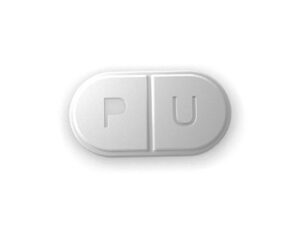
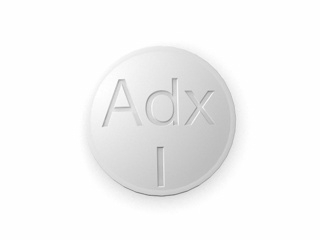
Brand names may vary. Your pharmacist can confirm the exact product you have and the tablet strength.
How anastrozole works (mechanism of action)
Anastrozole belongs to a group of medicines called aromatase inhibitors. Aromatase is an enzyme responsible for converting androgens (male-type hormones) into oestrogen in tissues such as fat and muscle.
By blocking aromatase, anastrozole lowers oestrogen production throughout the body. In oestrogen receptor–positive breast cancer, oestrogen can support tumour growth. Lowering oestrogen can therefore help:
- Reduce the risk of breast cancer coming back (recurrence)
- Slow the growth of hormone-responsive metastatic cancer
- Improve outcomes in eligible patients when used as part of a care plan
Pharmacokinetics (how the body handles anastrozole)
Understanding the basics of pharmacokinetics can help explain why dosing is usually straightforward:
- Absorption: Anastrozole is absorbed after oral dosing.
- Peak levels: Blood concentrations typically peak a few hours after taking a dose.
- Steady state: With daily dosing, drug levels build up and reach steady state after repeated use.
- Metabolism: It is primarily metabolised by the liver.
- Excretion: Metabolites are cleared mainly via urine.
- Half-life: The elimination half-life supports once-daily dosing for many patients.
Your individual situation may vary depending on age, liver function, other medicines, and overall health.
Typical use and indications (what anastrozole is used for)
In Australia, anastrozole is used for treatment and prevention strategies in hormone receptor–positive breast cancer, depending on your menopausal status and cancer stage.
Common indications include:
- Early breast cancer in postmenopausal women to reduce the risk of recurrence
- Adjuvant therapy following surgery (and/or other treatments) where oestrogen receptor status is positive
- Advanced or metastatic breast cancer in postmenopausal women with hormone-responsive disease
- Other specific clinical settings determined by oncology specialists
Your pathology report (for example, ER/PR status and HER2 status) and your treatment history guide whether anastrozole is suitable.
Who can benefit most?
Anastrozole is generally used for postmenopausal patients with oestrogen receptor–positive breast cancer. In premenopausal settings, oestrogen suppression strategies may be required and treatment decisions should be made by a specialist.
- Postmenopausal status is important for effectiveness and safety.
- People with liver impairment may require closer monitoring.
- Bone health is a key consideration because aromatase inhibitors can reduce bone mineral density.
Dosing (how much and how often)
The most common dose is:
- 1 tablet (typically 1 mg) once daily
Your healthcare professional may advise timing and duration based on the intent of treatment (adjuvant, extended adjuvant, or metastatic disease).
Do not change your dose or stop taking anastrozole without medical advice. If you miss a dose, see the FAQ below for general guidance.
Timing: when to take anastrozole
- Take it at the same time each day to help you remember.
- It can usually be taken with or without food.
- If it upsets your stomach, taking it with a meal may be more comfortable.
If you have other medicines, your pharmacist can help you plan a schedule so doses do not conflict.
Food interactions
In general, food does not significantly affect how anastrozole is absorbed. This means you can usually take it with or without meals.
However, healthy eating can still matter for overall wellbeing and side effect management—especially for maintaining bone health and muscle strength.
- Ensure adequate calcium and vitamin D as recommended by your clinician.
- Maintain hydration and consider balanced nutrition to support energy levels.
Alcohol interactions
There is no universally required “total avoidance” of alcohol with anastrozole, but alcohol can affect your health and may increase side effects for some people.
- Moderation is advisable.
- Alcohol may worsen fatigue, hot flushes, or sleep disruption in some individuals.
- Because anastrozole is metabolised by the liver, frequent heavy alcohol intake may not be suitable.
If you drink alcohol, discuss an appropriate limit with your doctor, particularly if you have liver disease or other risk factors.
Medicine interactions (including herbal products)
Drug interactions can occur. It’s important to provide your pharmacist and doctor with a full list of:
- All medicines you take (including non-prescription items)
- Vitamins and supplements
- Herbal products
- Any history of adverse reactions
Key interaction considerations may include:
- Hormonal products (including some hormone-containing therapies) because these may counteract the goal of lowering oestrogen.
- Liver-metabolised medicines because anastrozole is processed in the body through pathways that can be affected by other drugs.
- Herbal remedies marketed for “hormone balance” (for example, some products containing phytoestrogens) should be discussed first.
Always ask before starting supplements or herbal treatments, especially those that may have hormonal activity.
Safety profile: common and serious side effects
Like all medicines, anastrozole can cause side effects. Many are manageable, but some require prompt medical attention.
Common side effects
- Hot flushes
- Joint pain or stiffness (arthralgia)
- Headache
- Fatigue
- Nausea or mild gastrointestinal discomfort
- Skin dryness or rash
- Swelling (sometimes in hands/feet)
- Vaginal dryness or changes in sexual comfort
Bone health and osteoporosis risk
A major long-term consideration with aromatase inhibitors is bone density reduction. This can increase the risk of osteoporosis and fractures.
- Your clinician may arrange bone density scans (such as DEXA scans).
- Calcium, vitamin D, weight-bearing exercise, and—where appropriate—bone-protective medicines may be recommended.
- Report any new back pain, height loss, or signs of fracture promptly.
Serious side effects (seek medical help urgently)
- Allergic reaction (swelling of face/lips, difficulty breathing, severe rash)
- Severe chest pain, shortness of breath, or symptoms of stroke
- Unexplained severe weakness or significant worsening of general health
- Signs of severe liver problems (yellowing skin/eyes, dark urine, severe abdominal pain)
If you experience any severe or worrying symptoms, contact a healthcare professional or emergency services immediately.
Practical use tips for everyday life
- Stay consistent: Set a daily reminder on your phone to take your dose at the same time each day.
- Track side effects: If you develop joint pain or hot flushes, note timing and severity—this helps clinicians suggest supportive strategies.
- Support your joints: Gentle stretching, physiotherapy guidance, and low-impact exercise (walking, swimming) can help some people manage stiffness.
- Protect bone health: Include weight-bearing exercise (where safe), and discuss calcium/vitamin D intake with your clinician.
- Manage hot flushes: Dress in layers, use fans, keep your room cool, and avoid triggers such as alcohol excess or overheating.
- Vaginal comfort: If you experience dryness or discomfort, discuss moisturisers, lubricants, or other options with your healthcare team.
- Keep appointments: Monitoring may include blood tests and bone density assessments.
What to do if you miss a dose
If you miss a dose, take it as soon as you remember on the same day. If it is close to the time for your next dose, skip the missed dose—do not take a double dose.
If you’re unsure what to do, contact your pharmacist for advice based on your dosing schedule and how much time has passed.
Alternative options (other treatments your clinician may consider)
Depending on your cancer characteristics, previous therapy, and menopausal status, your specialist might consider alternatives. These may include:
- Other aromatase inhibitors (for example, letrozole, exemestane) in certain settings
- Oestrogen receptor modulators (such as tamoxifen) where appropriate
- Oestrogen suppression approaches (particularly in premenopausal settings, often involving ovarian suppression strategies)
- Additional systemic therapies for advanced disease (chosen case-by-case)
- Supportive care options to manage side effects, including bone-protective therapy
The “best” option depends on your individual diagnosis and history, so decisions should be made with your oncology team.
Market and legal context for Australia
In Australia, medicines are regulated through the Therapeutic Goods Administration (TGA) and supplied through licensed channels. Anastrozole is available through pharmacies and is subject to Australian medicine scheduling rules.
Online pharmacies and dispensaries must follow applicable Australian requirements for supply, including identity verification and appropriate safety processes. Availability and presentation may vary depending on the manufacturer, tablet strength, and stock levels.
If you have questions about whether you can access a particular product in your area, your pharmacist can confirm the correct pathway.
Recent guidance and monitoring considerations
Treatment standards for hormone receptor–positive breast cancer evolve over time as new clinical evidence becomes available. Current practice commonly includes:
- Regular follow-up with an oncology team
- Monitoring bone health for those taking aromatase inhibitors
- Assessment of cardiovascular risk factors where relevant
- Symptom review for side effects such as joint pain, hot flushes, and fatigue
Your clinician may also periodically re-evaluate treatment duration, especially in early breast cancer where anastrozole may be used for a set period as part of an overall plan.
Delivery and availability (online pharmacy notes)
Supply depends on local pharmacy stock, manufacturer availability, and tablet strength. When ordering online, delivery timelines may vary by:
- Your state/territory in Australia
- Stock availability at the dispensing pharmacy
- Whether your order is a standard item or requires sourcing
Reputable Australian online pharmacies typically provide:
- Clear product information (strength, pack size)
- Delivery estimate at checkout (where available)
- Discreet packaging
- Customer support for order questions
If you need the medicine urgently, contact customer support to confirm the fastest delivery option.
Safety checklist before you start (or continue)
It can be helpful to review the following with your healthcare team:
- Your menopausal status
- Your bone health history (osteoporosis/DEXA results, fractures)
- Any history of liver disease
- Any medicines/supplements you currently take
- Previous experience with aromatase inhibitors (if applicable)
Tell your healthcare team if you have new or worsening symptoms, especially those affecting mobility, breathing, or skin reactions.
FAQ — Anastrozole (Australia)
1) What is anastrozole used for?
Anastrozole is used to treat oestrogen receptor–positive breast cancer and to reduce the risk of recurrence in suitable patients, depending on disease stage and menopausal status.
2) How should I take anastrozole?
Most patients take one tablet once daily, at about the same time each day. It can usually be taken with or without food. If you miss a dose, follow the guidance in the “missed dose” section and do not double up.
3) Can I take anastrozole with food?
Yes. Food does not generally cause a clinically important interaction, so anastrozole can typically be taken with or without meals.
4) Are there interactions with alcohol?
Moderate alcohol may be acceptable for some people, but alcohol can worsen side effects such as fatigue, hot flushes, or sleep issues. Because anastrozole is processed by the liver, heavy or frequent drinking may not be advisable. Ask your clinician for personal guidance.
5) What are the most common side effects?
Common side effects include hot flushes, joint pain or stiffness, headache, fatigue, skin changes, and vaginal dryness. Many people manage symptoms with lifestyle changes and supportive treatment.
6) Does anastrozole affect bone density?
Yes. Anastrozole can reduce bone mineral density and may increase fracture risk over time. Bone monitoring (such as DEXA scans) and bone-protective measures may be recommended.
7) When should I contact a doctor urgently?
Seek urgent medical help for signs of a severe allergic reaction (swelling, difficulty breathing), severe chest pain, stroke-like symptoms, or signs of serious liver problems (yellow skin/eyes, dark urine, severe abdominal pain).
8) Can I stop anastrozole if I feel better?
Do not stop on your own. Anastrozole is often used for long-term risk reduction. Stopping without guidance can reduce the benefit of treatment.
9) What if my joint pain becomes severe?
Let your healthcare team know. Joint symptoms are common with aromatase inhibitors, and your clinician can suggest strategies such as exercise adjustments, pain management options, or sometimes switching treatment depending on your situation.
10) What alternative treatments exist?
Depending on your case, alternatives may include other aromatase inhibitors or other hormone therapies (and supportive bone treatments). Your oncology team can explain the options best suited to your diagnosis.
Important: This information is for general education and does not replace advice from your healthcare professional. If you have questions about your specific situation, your pharmacist or doctor can help.