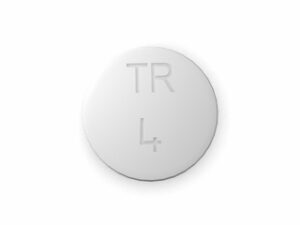



Dostinex (Cabergoline) – Patient-Friendly Information (Australia)
Dostinex is a brand of cabergoline, a medicine used to treat certain hormone-related conditions. This guide is designed to help you understand how Dostinex works, how it is typically taken, what to expect, and important safety considerations for people in Australia.
Always follow your healthcare professional’s advice. Information on this page is general and cannot replace personalised medical care.
Basic Product Information
| Item | Details |
|---|---|
| Medicine name | Dostinex |
| Active ingredient | Cabergoline |
| Medicinal group | Dopamine receptor agonist (dopamine D2 receptor agonist) |
| Common form | Tablets |
| Typical dosing pattern | Often once or twice daily at the start, sometimes adjusted to longer intervals depending on indication |
| Therapeutic focus | Lowers elevated prolactin; used in specific prolactin-related conditions |
What Is Prolactin and Why Does Cabergoline Matter?
Prolactin is a hormone mainly produced by the pituitary gland in the brain. It plays roles in breast development and milk production. In many situations, prolactin levels are tightly regulated. However, some conditions can cause prolactin to become too high (hyperprolactinaemia). Persistently high prolactin can affect periods, fertility, and sexual function, and may cause breast changes or discharge.
Cabergoline helps to lower prolactin by acting on dopamine pathways that normally restrain prolactin secretion.
Mechanism of Action (How Dostinex Works)
Cabergoline is a dopamine receptor agonist, with strongest activity at D2 receptors found on pituitary cells. Dopamine signalling reduces prolactin release.
- Reduces prolactin production by stimulating dopamine receptors.
- Can shrink prolactin-secreting pituitary tumours in some cases (under specialist monitoring).
- Effects on dopamine receptors may also influence other hormone and nervous system signalling.
Pharmacokinetics (Absorption, Distribution, Metabolism, Elimination)
Understanding how the body handles cabergoline can help you predict timing and side effects.
- Absorption: After oral dosing, cabergoline is absorbed from the gastrointestinal tract. Taking it with food may influence how quickly absorption occurs, and some people experience fewer stomach effects when taken with meals.
- Distribution: It has a tendency to distribute into tissues and may bind to plasma proteins.
- Metabolism: Cabergoline is metabolised primarily by the liver (with involvement of cytochrome-related pathways).
- Elimination: Metabolites are cleared largely via the liver/bile pathway and to some extent through the kidneys.
- Half-life / duration: Cabergoline has a relatively long duration of action compared with many other medicines in this class, which is one reason it may be taken less frequently after stabilising.
What this means for you: You may not need to take it many times per day long-term. Your dose schedule can change based on your response and tolerance.
Typical Use in Australia
Dostinex (cabergoline) is used for conditions related to high prolactin and related endocrine issues. Common clinical uses include:
- Hyperprolactinaemia (raised prolactin levels)
- Prolactin-secreting pituitary tumours (prolactinomas)
- Other specialist-directed prolactin-related situations where lowering prolactin is beneficial
Appropriate dosing and monitoring depend on your diagnosis, blood test results (prolactin and other hormones), and sometimes imaging findings.
When and How to Take Dostinex
Because dosing can vary between individuals and indications, use your prescribed schedule as the primary guide. Below are general timing principles that many people find helpful.
Typical timing
- Start low, increase gradually: Many people begin with a lower dose to improve tolerability, then adjust based on prolactin levels and side effects.
- Take at a consistent time: If you take it once or twice daily, choose times that are easy to remember.
- Consider taking with food if advised: Food can reduce stomach upset for some people.
If you miss a dose
- Take it when you remember
- Skip
- Do not double up to make up for a missed dose.
If you’re unsure, ask your pharmacist or healthcare professional.
Food Interactions and Stomach Comfort
Food effects: Cabergoline absorption and tolerability can be influenced by meals. Some people experience nausea or dizziness, and taking cabergoline with food may help.
- Try taking with meals if you notice stomach upset when taking it on an empty stomach.
- Avoid sudden changes in your meal pattern when you’re starting treatment, since symptoms like nausea can make it hard to distinguish medication effects from diet effects.
Note: There are no “must avoid” food lists that apply to everyone. The biggest dietary concern is usually tolerability—nausea, reflux, or stomach upset—rather than a specific harmful food interaction.
Alcohol and Medicine Interactions
Cabergoline can affect the brain’s dopamine pathways, which may increase the risk of drowsiness or lightheadedness in some people. Alcohol can worsen these effects.
- Avoid or limit alcohol, especially when you first start Dostinex or after dose increases.
- Do not drive or operate machinery if you feel dizzy, unusually sleepy, or “not yourself.”
- If you drink alcohol regularly, discuss it with your healthcare professional to decide what is safest for you.
Important medicine interaction note: Alcohol isn’t the only issue—some other medications can also contribute to drowsiness or low blood pressure. See the “Medicine Interactions” section below for examples.
Medicine Interactions (Other Common Considerations)
Dostinex can interact with other medicines, sometimes by increasing side effects (like dizziness), changing blood pressure, or affecting dopamine-related signalling.
Tell your pharmacist or healthcare professional about all medicines you take, including:
- Other medicines that affect dopamine (for example, some antipsychotics)
- Some anti-nausea medicines (depending on their action)
- Medicines that lower blood pressure or cause dehydration
- Medicines that cause drowsiness (sedatives, some sleep medicines)
- Some antibiotics or antifungals that affect liver metabolism (your pharmacist can check specifics)
- Herbal products (for example, St John’s wort can affect drug metabolism)
Practical tip: Keep a list of your current medicines and show it to your pharmacist when you start Dostinex or when anything changes.
Indications (Why It’s Used)
In clinical practice, Dostinex/cabergoline is indicated for several prolactin-related conditions. The most common indications include:
- Hyperprolactinaemia where lowering prolactin helps symptoms or fertility-related concerns
- Prolactin-secreting pituitary tumours (prolactinomas), including cases where a reduction in tumour size is needed
- Management of conditions linked to excess prolactin as determined by your specialist
Some patients require long-term treatment, while others may stabilise and need less frequent dosing. Your follow-up tests guide the plan.
Dosing (General Guidance)
Dosing for Dostinex depends on your condition, your prolactin levels, response, and tolerance. Because people vary, dosing instructions should be taken from your healthcare professional.
General dosing principles
- Start low: Many regimens start with a low dose to reduce nausea, dizziness, or headache.
- Adjust based on response: Dose changes are often made gradually.
- Long-term schedule: Some people take it less frequently once stable.
Typical administration strategy
- Divide doses if needed: If your total daily dose is higher, your prescriber may split it to improve tolerability.
- Use a consistent routine: Taking it at similar times each day can help reduce missed doses and side effects.
Do not change your dose without medical advice, even if you feel better—your prolactin may not be stable yet.
Safety Profile (Side Effects and When to Seek Help)
Most people tolerate Dostinex, but side effects can occur—especially at the start or after dose increases. The most common side effects are related to dopamine effects and blood pressure changes.
Common side effects
- Nausea or upset stomach
- Dizziness or lightheadedness
- Headache
- Fatigue or weakness
- Low blood pressure sensations (more noticeable when standing)
Less common but important to watch for
- Mood changes or increased irritability
- Sleepiness or unusual drowsiness
- Impulse control problems (for example, compulsive behaviours). If you or family notice new urges that are hard to resist, contact your healthcare professional promptly.
- Abnormal behaviour changes (including new gambling-like behaviour or compulsive shopping/eating)
Seek urgent medical advice if
- Severe chest pain, shortness of breath, or fainting
- Severe or persistent vomiting, dehydration, or inability to keep fluids down
- Thoughts of harming yourself, severe confusion, or alarming behavioural changes
Long-term caution: Cabergoline has been associated (in some patients, particularly at higher doses used in other conditions) with changes affecting heart valves. For patients taking cabergoline for prolactin-related conditions, your clinician may monitor with tests depending on dose and duration.
Practical Use Tips (To Improve Tolerability and Outcomes)
- Start at a comfortable time: If nausea or dizziness occurs, taking it with food or at a time when you’re less likely to need to drive can help.
- Move slowly: If you feel lightheaded, rise slowly from sitting or lying positions.
- Track symptoms: Note any dizziness, nausea, headaches, or sleepiness, especially during the first few weeks.
- Keep appointments for blood tests: Prolactin levels (and related hormones) guide dose adjustments.
- Inform family or close contacts: Because behavioural or sleep-related changes can sometimes be subtle, trusted people may help monitor early signs.
- Stay hydrated: Dehydration can worsen dizziness and low blood pressure feelings.
- Avoid alcohol early on: This can reduce dizziness and drowsiness risk while you’re getting used to the medicine.
Recent Guidance and Monitoring Considerations (Australia)
Medical guidance can evolve as more safety information becomes available. In Australia, clinicians typically emphasise:
- Regular monitoring of prolactin to confirm effectiveness and guide dose
- Assessment of pituitary-related symptoms and, where relevant, tumour monitoring through imaging
- Monitoring cardiovascular safety when clinically indicated—particularly in long-term use or when higher cumulative exposure is expected
- Awareness of impulse control and sleepiness, especially at dose adjustments
Your prescriber may tailor monitoring intervals based on your individual risk factors and treatment plan.
Alternative Options
If Dostinex isn’t suitable—due to side effects, limited effectiveness, or other medical reasons—your healthcare professional may consider alternative treatments.
Possible alternatives (depending on indication)
- Other dopamine agonists (for example, medicines in the same class such as quinagolide or bromocriptine, where appropriate)
- Surgical management for selected pituitary conditions (specialist-driven)
- Radiation therapy in certain tumour scenarios
The best alternative depends on your diagnosis, hormone levels, tumour size (if present), other medications, and your risk profile.
Market and Legal Context for Australia
Dostinex (cabergoline) is supplied under Australian medicines and pharmacy regulations. Availability and the need for healthcare supervision can vary depending on product form, strength, and the condition being treated.
- Role of pharmacists: Australian pharmacists help check suitability, safety, and potential interactions.
- Medicines scheduling: Medicines are classified under the Therapeutic Goods Administration (TGA) and state/territory frameworks. Many hormone-related medicines and dopamine agonists are not intended for casual use without clinical oversight.
- Quality and supply: Reputable online pharmacies in Australia typically source products through lawful distribution channels and comply with Australian consumer protection requirements.
For the most accurate advice on ordering and eligibility, follow the information shown on the product page and ask a pharmacist if you have questions.
Delivery and Availability (Online Pharmacy)
Availability can vary by strength and supply schedules. When ordering online, common factors that affect delivery include:
- Stock status at the time of dispatch
- Postal service timeframes to your location
- Processing time (for example, pharmacist checking and verification steps where required)
Typical expectations include:
- Dispatch time: Orders are usually dispatched once processing is complete.
- Tracking: Many pharmacies provide tracking for online orders.
- Cold-chain requirements: Cabergoline tablets generally do not require refrigeration.
Tip: Allow extra time if you need the medicine urgently—especially around public holidays and weekends.
FAQ: Dostinex (Cabergoline)
1) How quickly does Dostinex start working?
Many people notice improvements in symptoms related to high prolactin over days to weeks, while blood prolactin levels may change sooner. The full effect can take longer, especially if your dose is being adjusted gradually.
2) Will Dostinex make me feel dizzy?
Dizziness or lightheadedness can occur, particularly at the start or after dose increases. Taking it with food, rising slowly, and avoiding alcohol in the first period can help. If dizziness is severe or persistent, contact your healthcare professional.
3) Can I take Dostinex with food?
Many people can take cabergoline with food to improve stomach comfort. Use the specific instructions provided by your healthcare professional or pharmacist, especially during dose changes.
4) What should I do if I feel very sleepy?
Unusual sleepiness can be a side effect. Do not drive or operate machinery. Contact a healthcare professional promptly for advice—especially if sleepiness is interfering with daily life.
5) Are there any foods or supplements I must avoid?
There are no universally banned foods for everyone, but maintaining consistent eating habits may help tolerability. If you take supplements or herbal products, check with your pharmacist for possible interactions.
6) Can I drink alcohol while taking Dostinex?
It’s generally advisable to limit or avoid alcohol, especially when starting or adjusting the dose, because alcohol may worsen dizziness, drowsiness, and safety risks.
7) Can I take other medicines with Dostinex?
Some medicines can interact or increase side effects. Inform your pharmacist about all medicines (including sleep tablets, sedatives, antipsychotics, and anti-nausea medicines). Your pharmacist can check compatibility.
8) What monitoring do I need?
Monitoring commonly includes prolactin blood tests and assessment of symptoms. In some cases, clinicians may also monitor heart valve function depending on dose and duration, and may use imaging for pituitary conditions.
9) How long will I need to take it?
Treatment length varies widely. Some people stabilise and stay on long-term therapy, while others may have doses adjusted over time. Decisions are based on prolactin levels, symptoms, and specialist assessments.
10) What should I do if I miss a dose?
Take it when you remember if it’s close to the next dose; otherwise skip and continue your regular schedule. Do not double up.
Summary
Dostinex (cabergoline) is a dopamine agonist used to treat prolactin-related conditions. By stimulating dopamine D2 receptors, it lowers prolactin and can help manage symptoms and, in selected cases, reduce pituitary tumour activity under medical supervision. Because side effects like nausea and dizziness can occur—especially early—starting gradually, taking with food if appropriate, and avoiding alcohol while you adjust are practical steps to improve tolerability. Ongoing blood test monitoring and safety awareness (including cardiovascular and behavioural/sleep-related symptoms) are important for safe, effective treatment.
If you have any questions about dosing timing, interactions, or side effects, speak with a pharmacist before making changes to your routine.