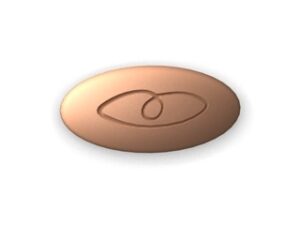
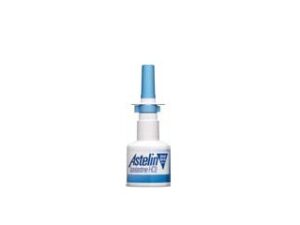
Astelin (Azelastine) Nasal Spray – Patient Guide (Australia)
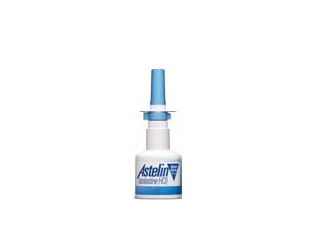
Astelin is a medicine used to relieve symptoms of nasal allergies. It contains azelastine, an antihistamine that works quickly to reduce sneezing, itching, and runny nose. This guide explains how Astelin works, when to use it, what to expect, and important safety information for people in Australia.
Key Product Information
| Feature | What you should know |
|---|---|
| Medicine name | Astelin (azelastine) |
| Active ingredient | Azelastine hydrochloride |
| Common form | Nasal spray (spray into each nostril) |
| Medicine type | Antihistamine (H1 receptor antagonist) |
| Typical benefits | Reduces sneezing, itching, runny nose, watery eyes (in some patients) |
| Onset | Often starts working within minutes; may take several days for best control |
| Common use | Allergic rhinitis (hay fever) symptoms |
| Australia availability | Availability may vary by brand/strength; check your specific product label and pharmacy listing |
How Astelin Works (Mechanism of Action)
Azelastine is a second-generation antihistamine. After you spray it into the nose, it helps block histamine (a chemical released during allergic reactions). Histamine contributes to:
- Sneezing
- Nasal itching
- Runny nose (watery secretions)
- Swelling and irritation in the nasal lining
By targeting histamine receptors, Astelin reduces the symptoms triggered by allergens such as pollen, dust mites, mould, and pet dander.
Pharmacokinetics: How the Body Handles Azelastine
Pharmacokinetics describes what happens to a medicine in the body—absorption, distribution, metabolism, and elimination.
- Absorption: After nasal use, azelastine is absorbed through the nasal mucosa into the bloodstream to a limited extent.
- Distribution: It distributes throughout the body; small amounts reach systemic circulation.
- Metabolism: Azelastine is metabolised mainly in the liver.
- Elimination: The medicine and its metabolites are removed from the body primarily via urine (and also through other clearance routes).
- Half-life: The duration of action reflects metabolism and elimination; effects can last sufficiently between doses when used as directed.
Note: Individual exposure can vary depending on technique (spray position, number of actuations), nasal inflammation, and other factors.
Typical Use: What Astelin Is Used For
Astelin is primarily used for allergic rhinitis, a condition where the inside of the nose becomes inflamed due to an allergen. It helps manage symptoms such as:
- Sneezing
- Runny nose
- Nasal itching
- Post-nasal drip-related discomfort
- Watery/irritated eyes in some patients (if overall allergic symptoms are present)
It may be used for both seasonal (e.g., pollen) and perennial (e.g., dust mites) allergies, depending on your symptom pattern and the advice of your healthcare professional.
Indications: When You Might Consider Using Astelin
Astelin is indicated for the treatment of allergic rhinitis symptoms. It is often considered when you need relief for allergic nasal symptoms, particularly when quick symptom control is helpful.
Astelin may be used when:
- Your symptoms flare with known allergens (pollen, dust, pets).
- You prefer an antihistamine nasal spray approach rather than oral medication.
- You need rapid relief of sneezing and runny nose.
Important: Astelin is not designed to treat sudden infections or conditions unrelated to allergy. If symptoms include fever, significant facial pain, thick discoloured nasal discharge for prolonged periods, or worsening breathing issues, seek medical advice.
How and When to Take Astelin (Timing & Correct Technique)
Typical dosing schedules (general guidance)
Dosing can vary by age and the specific product strength. Always follow the directions on your Astelin label and consult a healthcare professional if you are unsure.
- Adults and adolescents: Common regimens are typically once or twice daily depending on symptom severity and product instructions.
- Children: Use in children should follow the specific approved age range on the product label and local medical guidance.
Common approach: Many people start using Astelin at the first sign of allergy symptoms during the season or when exposure occurs. For best results, use consistently as directed.
Onset and timing
- Fast relief: Some people notice improvement within minutes after using the spray.
- Ongoing control: Symptom control may improve over a few days with regular use.
- Plan ahead: If you know you’ll be exposed to an allergen (e.g., mowing lawns, seasonal pollen increases), using the spray early can help reduce symptom onset.
Practical spray technique tips
- Gently blow your nose before first use (if appropriate) to clear mucus.
- Shake the bottle if your product label indicates.
- Prime the pump before first use or if not used for a while (follow the label instructions).
- Insert the nozzle into one nostril while keeping your head upright.
- Point the spray slightly towards the outer side of the nostril (not directly inwards toward the septum).
- Do not sniff hard immediately after spraying—breathe gently.
- Repeat for the other nostril if required.
- Clean the nozzle regularly as instructed to maintain good spray delivery.
Food Interactions
Food interactions with nasal azelastine are generally not expected to be clinically significant because the medicine is delivered locally in the nose and systemic absorption is limited.
- You can usually take Astelin with or without food.
- If you notice nausea or a bitter taste, it may help to avoid taking the spray immediately after heavy meals and to ensure you use the technique correctly.
Alcohol and Medicine Interactions
Azelastine can sometimes cause side effects such as drowsiness or fatigue in some individuals. Alcohol can increase the likelihood of feeling sleepy or less alert.
Alcohol
- Avoid or minimise alcohol while starting Astelin until you know how it affects you.
- Do not drive or operate machinery if you feel drowsy.
Other medicines
Interactions depend on what else you take. In general, caution is advised when combining with medicines that can cause sedation or affect the central nervous system.
- Sedating antihistamines (some people use multiple allergy products—avoid duplicate therapy unless advised).
- Sleeping tablets and sedatives
- Strong pain medicines (opioids) or other drugs that cause drowsiness
- Other allergy treatments: If using both nasal sprays and oral antihistamines, you may increase side effects. A clinician/pharmacist can help coordinate an appropriate plan.
Tell your pharmacist about all medicines you use, including over-the-counter products, vitamins, herbal supplements, and any past reactions.
Safety Profile: Side Effects and What to Watch For
Like all medicines, Astelin can cause side effects. Many people tolerate it well, but it’s important to know what’s normal versus what needs attention.
Common side effects
- Bitter taste (sometimes noticeable after spraying)
- Nasal discomfort or mild irritation
- Dryness or unusual sensation in the nose
- Headache
- Drowsiness or feeling tired (less common in some individuals)
- Nosebleeds (can occur with nasal sprays in general, usually mild)
Less common but important side effects
- Marked sleepiness, dizziness, or impaired coordination
- Significant nasal irritation or persistent nosebleeds
- Allergic reactions to the medicine (rare): swelling of face/lips, rash, breathing difficulty
When to seek urgent help
Get urgent medical attention if you have signs of a serious allergic reaction, such as:
- Difficulty breathing
- Swelling of the face, tongue, or throat
- Severe rash or widespread hives
Special populations
- Pregnancy and breastfeeding: Discuss with a healthcare professional before use.
- Older adults: Some may be more sensitive to drowsiness or dizziness.
- Liver impairment: Since azelastine is metabolised in the liver, medical advice may be needed.
- Children: Use only within the approved age range on the product label.
Practical Use Tips for Better Results
- Use correct technique to reduce taste problems and improve delivery to the nasal lining.
- Consistency matters: For ongoing allergic rhinitis, use as directed rather than only when symptoms become severe.
- Manage nasal dryness: Consider a saline rinse (separate from Astelin by timing if advised) if you experience dryness—ask your pharmacist about spacing and suitable products.
- Don’t double-dose: If a dose is missed, follow the product instructions. Avoid taking extra unless instructed.
- Track triggers: Note when symptoms occur to identify allergen exposure patterns.
- Combine with non-medicine strategies: Keeping indoor air cleaner, washing bedding, and limiting exposure during high pollen days can improve control.
Alternative Options (If Astelin Isn’t Suitable)
If Astelin doesn’t provide enough relief or causes unwanted side effects, there are other approaches to allergic rhinitis. Options may include:
- Other antihistamine nasal sprays: Similar “local” allergy relief but with different active ingredients.
- Intranasal corticosteroid sprays: Often used for longer-term control of nasal inflammation.
- Oral antihistamines: Helpful for whole-body allergy symptoms; may cause drowsiness in some people depending on the specific medicine.
- Saline nasal irrigation: Helps clear allergens and reduce irritation (not a replacement for allergy medicines, but may complement them).
- Allergen avoidance measures: Reduce exposure to dust mites, pollen, mould, and pets.
A pharmacist or doctor can help choose the best option based on your symptom pattern (e.g., intermittent vs persistent), severity, and personal preferences.
Market and Legal Context for Australia
In Australia, allergy medicines are regulated under the Therapeutic Goods Administration (TGA) framework. Availability and supply conditions can vary based on:
- Whether a product is listed or registered on the Australian Register of Therapeutic Goods (ARTG)
- Approved formulation strength and indications
- Age restrictions, storage requirements, and product labelling
For online purchasing, reputable pharmacies display relevant product details (including active ingredient, strength, directions of use, and expiry date). Always check the specific product listing you intend to buy, as brand availability may differ across markets.
Recent guidance note: Allergy management recommendations in Australia commonly emphasise tailoring treatment to symptom severity and timing (e.g., short-term rescue vs longer-term anti-inflammatory control), and reviewing persistent symptoms with a healthcare professional.
Delivery and Availability (Online Pharmacy Information)
Astelin availability may vary depending on supply, formulation, and local listing. When you order online, a pharmacy typically confirms:
- Stock status before dispatch
- Expiry date on the supplied product
- Shipping method appropriate for the product
- Delivery tracking (where offered)
Storage: Follow the storage instructions on the label (commonly protected from extreme temperatures). Keep out of reach of children.
If you need help: If you are unsure which strength or form to choose, contact our pharmacy team before ordering to confirm suitability.
FAQ – Astelin (Azelastine) Nasal Spray
1) How quickly does Astelin work?
Many people notice improvement within minutes. For best overall control, continue using it as directed during the period of exposure to allergens.
2) Will Astelin make me sleepy?
Some people experience drowsiness or tiredness. This varies. Avoid alcohol at first and do not drive if you feel sleepy.
3) Can I use Astelin every day?
It may be used regularly for allergic rhinitis depending on your symptoms and the dosing schedule on your specific product label. If symptoms are persistent, consider discussing a long-term plan with a healthcare professional.
4) What if I taste bitterness after spraying?
A bitter taste can occur if some medication drains to the throat. Using the correct nozzle direction (slightly outward), keeping your head upright, and breathing gently may help. Let the pharmacy team know if it’s persistent.
5) Can I use Astelin with other allergy medicines?
Often it can be combined, but the safest approach depends on what you’re using (nasal sprays vs oral antihistamines vs decongestants). Ask a pharmacist to avoid duplication and reduce the risk of side effects.
6) Is Astelin suitable for kids?
Use only if the specific product label indicates it’s appropriate for the child’s age. Dosing should match the label or clinician instructions.
7) How should I store Astelin?
Store according to the label instructions, typically at room temperature and away from excessive heat or cold. Keep the bottle upright and out of reach of children.
8) What should I do if I miss a dose?
Use it when you remember unless it’s close to the next scheduled dose. Don’t take extra doses to catch up.
9) Can I drink alcohol while using Astelin?
It’s best to limit alcohol, especially when you first start, as alcohol may increase drowsiness or dizziness.
10) When should I seek medical advice?
Seek advice if symptoms don’t improve, if you develop severe nosebleeds, persistent facial pain, fever, or signs of an allergic reaction, or if you have asthma or breathing difficulties that worsen with allergies.
Summary
Astelin (azelastine) is a nasal antihistamine designed to relieve allergic rhinitis symptoms such as sneezing, itching, and runny nose. It can begin working quickly, especially when used at the right time and with proper spray technique. While many people tolerate it well, be mindful of possible side effects like bitter taste or drowsiness, and consider interactions—particularly with alcohol and other sedating medicines.
If you’re unsure whether Astelin is right for your symptoms or you want help choosing between treatment options, a pharmacist can guide you based on your health needs and the product you plan to use.