Fluticasone (Fluticasone propionate) – Patient Guide (Australia)
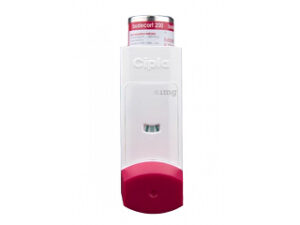
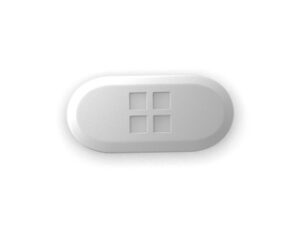
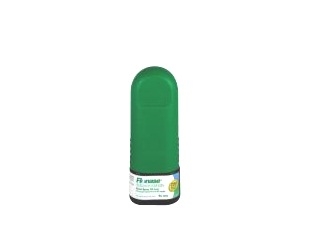
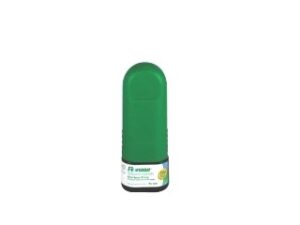
Fluticasone is a medicine used to reduce inflammation in the airways and nasal passages. In Australia, it is commonly available as:
- Inhaled fluticasone (for asthma and other inflammatory lung conditions)
- Intranasal fluticasone (for allergic rhinitis and hay fever)
This guide explains how fluticasone works, how it is used, what to expect, safety considerations, and practical tips. Always follow the instructions provided with your product and the advice of your healthcare professional.
Quick product information
| Feature | Details |
|---|---|
| Generic name | Fluticasone (commonly fluticasone propionate) |
| What it does | Reduces inflammation in the airways or nose |
| Common forms in Australia | Inhalers (inhaled), nasal sprays (intranasal) |
| Typical onset | Symptoms may improve within days; full effect may take 1–2 weeks (nasal) and varies (inhaled) |
| Does it replace relievers? | No. Many people also use a separate “reliever” medicine for sudden symptoms (depending on your plan) |
How fluticasone works (mechanism of action)
Fluticasone belongs to the group of medicines called corticosteroids (anti-inflammatory steroids).
- It reduces inflammation by decreasing the activity of inflammatory cells and mediators.
- It helps lower swelling and mucus in the airways or nasal passages.
- In asthma, this can help reduce airway hyper-responsiveness and improve long-term control.
- In allergic rhinitis (hay fever), it can relieve nasal congestion, sneezing, and runny nose.
Important: Because fluticasone is anti-inflammatory, it is usually not intended for rapid relief of acute symptoms. It works best when used consistently as directed.
Pharmacokinetics: what happens in the body
How the body handles fluticasone depends on the form used (inhaled vs intranasal). In general:
- Absorption: After inhalation or nasal use, some fluticasone is absorbed into the bloodstream, but systemic absorption is typically low.
- Distribution: It is distributed throughout tissues, with a focus on local effects in the lungs or nasal passages.
- Metabolism: Fluticasone is primarily metabolised by enzymes in the liver (CYP3A4).
- Elimination: Metabolites are eliminated mainly via the bile and kidneys.
Why this matters: Interactions that affect CYP3A4 can change fluticasone levels in the body. This is why certain medicines (especially some antivirals and antifungals) require extra caution.
Typical uses (indications)
In Australia, fluticasone is used for:
1) Asthma and related airway inflammation
- Asthma (maintenance/control therapy in many patients)
- Sometimes used in specific chronic inflammatory airway conditions as part of an asthma management plan
2) Allergic rhinitis (hay fever) and nasal inflammation
- Seasonal allergic rhinitis
- Perennial (year-round) allergic rhinitis
- Relief of nasal symptoms such as congestion, itching, sneezing, and runny nose
Note: Availability and exact indications can vary by product and strength.
Timing: when and how to take fluticasone
Inhaled fluticasone (for asthma)
- Use it regularly to maintain control, even when you feel well.
- Some people prefer morning, others evening—follow your specific instructions.
- If using more than one inhaler, follow your action plan for sequence and technique.
Intranasal fluticasone (for hay fever)
- It is often most effective when started before symptoms become severe (e.g., at the beginning of allergy season), if advised.
- Many patients notice improvement within 24–72 hours, but full benefit may take 1–2 weeks.
- Use consistently during symptomatic periods unless your product instructions suggest otherwise.
Don’t stop suddenly without medical advice if you’re using fluticasone for long-term control.
Food interactions
Fluticasone is not usually significantly affected by food because systemic absorption from inhaled and intranasal use is typically low. However:
- For inhaled fluticasone, rinsing your mouth after use helps reduce local throat or mouth side effects (rather than a food interaction).
- For nasal sprays, avoid eating or drinking immediately after spraying if this makes you swallow post-nasal drip discomfort; otherwise, food generally doesn’t directly affect effectiveness.
If your product instructions advise any specific behaviour around meals, follow those instructions.
Alcohol interactions
Alcohol is not commonly reported as a direct interaction with fluticasone. However, alcohol can worsen symptoms such as sleep disruption, reflux, or general airway irritation in some people.
- If you notice increased breathing symptoms after alcohol, consider reducing intake and discuss with your healthcare professional.
- If you use multiple medicines (e.g., for asthma and allergies), check each one for interactions.
Medicine interactions (including key CYP3A4 interactions)
Fluticasone is metabolised mainly by CYP3A4. Medicines that inhibit or induce CYP3A4 can affect fluticasone levels.
Potentially important interaction groups
- Strong CYP3A4 inhibitors (may increase fluticasone exposure), such as:
- Some antifungal medicines (e.g., ketoconazole, itraconazole)
- Some antiviral medicines used for HIV or hepatitis (e.g., ritonavir-containing regimens)
- Other corticosteroid-containing medicines (cumulative steroid exposure), including tablets or long-term steroid treatments.
- Medicines that increase infection risk indirectly, especially if you already have conditions like uncontrolled diabetes or frequent infections.
Practical advice
- Tell your pharmacist or healthcare professional about all medicines you use (including tablets, inhalers, nasal sprays, eye drops, supplements, and herbal products).
- If you have been advised to avoid certain medicines with fluticasone, follow that guidance closely.
Dosing: how much and how often
Because dosing depends on the exact product, strength, and condition, always use the dose stated on your label or the instructions you were given.
General dosing principles for inhaled fluticasone
- Your dose may be adjusted based on symptom control and lung function.
- Most people use fluticasone once or twice daily depending on the product and prescribed regimen.
- Higher doses may be used short-term in some situations, but adjustments should be clinician-guided.
General dosing principles for intranasal fluticasone
- Dose frequency can vary (commonly once daily, sometimes divided depending on product instructions).
- For children, the dose often depends on age and the product strength.
- Consistent technique is important for best effectiveness and fewer side effects.
Do not increase your dose on your own if symptoms aren’t improving—discuss with a healthcare professional. Sometimes poor technique, incorrect timing, or the need for additional therapy is the reason symptoms persist.
Safety profile: what to watch for
Fluticasone is generally well tolerated when used correctly at the prescribed dose. Because it is a steroid, side effects can occur—particularly if doses are too high, used incorrectly, or used alongside other steroid medicines.
Common side effects
Inhaled fluticasone
- Hoarseness or voice changes
- Throat irritation
- Oral thrush (fungal infection in the mouth)
- Cough or throat clearing
Intranasal fluticasone
- Nasal dryness
- Nosebleeds (epistaxis)
- Sore throat or post-nasal drip sensation
- Headache or mild irritation
Serious but less common risks
- Systemic corticosteroid effects are uncommon with low-dose inhaled or intranasal use, but risk can increase with high doses or prolonged use.
- Eye problems (e.g., glaucoma or cataracts) are possible with long-term steroid exposure—report changes in vision and attend regular check-ups.
- Infection risk: contact a healthcare professional if you develop signs of infection (e.g., persistent fever, worsening symptoms).
When to seek urgent care
- Severe breathing difficulty, chest tightness not relieved by your usual reliever, or lips/face turning blue
- Severe allergic reaction symptoms (swelling of face/lips, trouble breathing, widespread rash)
- Heavy or persistent nosebleeds not improving with first aid
Practical use tips (to improve results and reduce side effects)
Inhaled fluticasone technique tips
- Use the correct inhaler type (pressurised metered-dose inhaler vs dry powder device) and follow product-specific instructions.
- If your product uses a spacer, ask whether it’s recommended for you—spacers often improve delivery and reduce mouth deposition.
- Rinse and spit after using your inhaled steroid (or brush teeth if recommended). This helps reduce the risk of oral thrush.
- Check your technique regularly—many treatment failures are due to incorrect use.
Intranasal fluticasone technique tips
- Gently blow your nose before using the spray.
- Keep the nozzle aimed slightly outwards (toward the ear), not straight up the middle, to reduce irritation and nosebleeds.
- After spraying, avoid sniffing hard. A light inhale through the nose is usually enough.
- If nosebleeds occur, pause and review technique and moisturising approaches with a pharmacist or healthcare professional.
- Clean the nozzle as directed in the product instructions to prevent blockages.
Consistency matters
- Fluticasone works best with steady use.
- If you miss a dose, follow the product guidance—usually take it when you remember unless it’s close to the next dose.
- Avoid “double dosing” without advice.
Alternative options (what you can discuss with your healthcare professional)
If fluticasone isn’t suitable or isn’t controlling symptoms, options may include:
For asthma
- Other inhaled corticosteroids (different molecules may be better tolerated for some people)
- Combination inhalers that include an inhaled corticosteroid plus a long-acting bronchodilator (chosen based on control level)
- Other controller medicines (e.g., leukotriene receptor antagonists) in selected patients
- Biologic therapies for specific severe asthma phenotypes (specialist-led)
For allergic rhinitis
- Other intranasal corticosteroids (switching within the class)
- Oral antihistamines for sneezing and itch (sometimes combined with nasal steroids)
- Antihistamine nasal sprays for rapid symptom relief
- Saline irrigation as an adjunct for nasal comfort (not a replacement for steroid therapy)
Your best alternative depends on your symptoms, age, comorbidities, and the specific product form you’re using (spray/device type).
Australia market, legal and regulatory context
In Australia, medicines are regulated by the Therapeutic Goods Administration (TGA). Products containing fluticasone are marketed in various strengths and forms, and availability may differ between brands and generics.
- Supply status: The classification (e.g., pharmacist-only vs other categories) depends on the exact product and formulation.
- Labels and Consumer Medicine Information (CMI): Always review the product-specific CMI for dosing, device instructions, and safety warnings.
- Website advice: Online pharmacies should ensure consumers receive accurate product details and appropriate support, including guidance on safe use and when to seek medical help.
Recent guidance note: For asthma and allergic rhinitis, treatment approaches may evolve over time based on clinical guidelines. In Australia, clinicians commonly align with updated national and international evidence and may reassess control strategies (including inhaler technique) during follow-up.
Delivery and availability (online pharmacy)
Fluticasone is widely available in Australia through pharmacies and selected online services. Availability depends on:
- Your location and shipping options
- The exact brand/strength (and whether it’s inhaled vs intranasal)
- Stock status at the time of ordering
Delivery expectations:
- Delivery timeframes vary by service provider and region.
- Some items may be dispatched quickly if readily stocked.
Cold chain: Most fluticasone products do not require special temperature-controlled shipping; however, always store according to the label instructions upon receipt.
Storing and handling
- Store at room temperature unless the pack label states otherwise.
- Keep away from excess heat and direct sunlight.
- For nasal sprays, keep the bottle clean and avoid contamination of the nozzle.
- Check expiry dates and discard expired products appropriately.
FAQ: Fluticasone (Australia)
1) Is fluticasone the same as a “reliever” inhaler?
No. Fluticasone is an anti-inflammatory controller. It helps prevent symptoms and improve control over time. Many asthma plans also include a separate reliever medicine for sudden symptoms.
2) How long until fluticasone starts working?
Intranasal fluticasone often starts improving symptoms within a few days, but full benefit may take 1–2 weeks. Inhaled fluticasone can also take time to reach maximum benefit; some people notice improvements sooner, others over longer periods depending on asthma severity and adherence.
3) Should I rinse my mouth after using inhaled fluticasone?
Yes. Rinsing your mouth and spitting (or brushing teeth if advised) after inhaled fluticasone helps reduce the risk of thrush and throat irritation.
4) Can fluticasone cause nosebleeds?
Yes, nosebleeds can occur with intranasal fluticasone. They are often related to technique, dryness, or aggressive nose blowing. If nosebleeds are frequent, or heavy/persistent, speak with a pharmacist or healthcare professional.
5) What if I miss a dose?
Follow the product instructions. In general, take the missed dose as soon as you remember unless it’s close to the next dose. Avoid doubling doses unless advised.
6) Do I need to stop fluticasone when I feel better?
Often, you should continue fluticasone as part of your ongoing control plan. Stopping suddenly may allow symptoms to return. Discuss changes with a healthcare professional.
7) Are there foods I should avoid?
Fluticasone typically has no major food interactions. The main practical care for inhaled fluticasone is rinsing your mouth after use.
8) Can I drink alcohol while using fluticasone?
Alcohol isn’t usually a direct interaction with fluticasone. However, if alcohol worsens your breathing symptoms, consider reducing intake and seek advice if needed.
9) What medicines should I be cautious with?
Tell your pharmacist about all medicines, especially those that affect CYP3A4 metabolism (such as some antifungals and antivirals). Also inform them if you use other steroid medicines.
10) When should I seek urgent medical help?
Seek urgent help if you have severe breathing difficulty, signs of a serious allergic reaction, heavy/persistent nosebleeds, or symptoms that are rapidly worsening despite your usual asthma action plan.
Summary
Fluticasone is a corticosteroid medicine that reduces inflammation in the airways (inhaled) or nose (intranasal). With correct use and consistent timing, it can significantly improve control of asthma or allergic rhinitis and reduce day-to-day symptoms.
If you experience persistent side effects, symptoms that are not improving, or you’re unsure about inhaler/spray technique, speak with a pharmacist or healthcare professional to get the most benefit from your medicine.