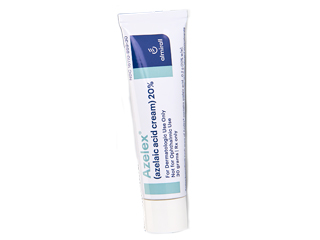
Azelex (Azelaic Acid) – Patient Guide (Australia)
Azelex is a brand of azelaic acid, a topical medicine used to treat common skin concerns such as acne and certain pigment-related conditions. It works locally in the skin to help reduce visible blemishes, calm inflammation, and improve the appearance of uneven skin tone.
This guide is designed to help you understand how Azelex works, how to use it safely and effectively, and what to expect during treatment.
Quick facts
- Active ingredient: Azelaic acid
- What it’s used for: Acne, rosacea, and some pigment changes (e.g., melasma and post-inflammatory hyperpigmentation in selected cases)
- How it’s applied: Applied to affected skin as a cream/gel (strength depends on product)
- Typical timeline: Some improvement can appear within weeks; clearer results often take several months
- Common side effects: Mild burning/stinging, dryness, redness, peeling
Basic product information
Azelex (azelaic acid) is a topical treatment available in Australia through pharmacy channels. It is used to target problem areas on the skin rather than acting throughout the body.
| Category | Details |
|---|---|
| Medicine type | Topical azelaic acid preparation |
| Active ingredient | Azelaic acid |
| How it works | Anti-inflammatory, antibacterial (against acne-related bacteria), and helps reduce abnormal pigmentation |
| Common application | Clean, dry skin; usually once or twice daily depending on the condition and product label |
| Skin care pairing | Broad-spectrum sunscreen daily; gentle moisturiser; avoid harsh exfoliants at first |
How azelaic acid works (mechanism of action)
Azelaic acid has multiple actions that make it useful for both inflammatory skin conditions and pigment problems:
- Reduces acne-related inflammation: It helps calm inflammatory pathways in the skin, which can lessen redness and tenderness.
- Targets acne-associated bacteria: Azelaic acid has antibacterial activity against bacteria linked to acne. It may also help reduce the formation of clogged pores.
- Normalises keratinisation: By helping regulate how skin cells shed and grow, it can reduce the buildup that contributes to comedones (blocked pores).
- Anti-keratin and anti-proliferative effects: It can slow the overgrowth of certain skin cells that contribute to both acne and pigment change.
- Improves uneven pigmentation: Azelaic acid interferes with steps involved in melanin formation, helping fade dark patches over time.
- Supports rosacea management: Its anti-inflammatory properties may help reduce flushing and visible redness associated with rosacea.
Pharmacokinetics (how the body handles it)
Azelaic acid is applied to skin, and only a small amount is absorbed through the surface compared with medicines taken by mouth.
- Absorption: After topical application, azelaic acid penetrates the skin where it acts locally. Systemic absorption is limited in most users.
- Distribution: A small fraction that enters the bloodstream is distributed in the body.
- Metabolism: Azelaic acid is metabolised into smaller compounds.
- Excretion: Metabolites are eliminated mainly via the kidneys (through urine).
Practical meaning: because absorption is limited, systemic side effects are usually uncommon when used as directed on intact skin.
Typical uses in Australia
Azelex is commonly used for:
- Acne vulgaris: Helps reduce inflammatory lesions (red pimples), non-inflammatory lesions (blocked pores), and may improve overall skin texture.
- Rosacea: Helps reduce redness, bumps, and inflammatory flares in suitable patients.
- Hyperpigmentation: May be used for melasma and other pigment issues such as post-inflammatory hyperpigmentation (dark marks after spots heal), depending on suitability.
If you are treating pigmentation, remember that results usually depend strongly on sun protection and consistent use.
When to use it and how to time your treatment
You can usually apply Azelex once or twice daily, depending on the condition and the product instructions. Many people find applying at different times of day helps maintain routine:
- Morning: Apply to clean, dry skin, then moisturise if needed. Finish with broad-spectrum sunscreen (SPF 30+).
- Evening: Apply after washing and completely drying your face. Moisturiser can be used after the product has absorbed (often a few minutes).
- Start slowly: If your skin is sensitive, begin with once daily (often at night) and increase as tolerated.
Be consistent: Topical acne and pigment treatments often require regular daily use for several weeks before meaningful improvement occurs.
Food interactions
Because azelaic acid is used on the skin, food interactions are generally not expected. There are no common dietary restrictions associated with topical azelaic acid.
If you also take oral medicines, consider checking overall medication interactions separately (see below).
Alcohol and medicine interactions
Alcohol
Topical azelaic acid has limited systemic absorption in most users, so direct alcohol interactions are not typically expected. However, alcohol can irritate skin or worsen rosacea flushing in some people.
- If you notice that alcohol triggers flushing, consider reducing intake and focusing on rosacea-friendly lifestyle changes.
- Avoid applying Azelex to skin that is actively burning or severely inflamed due to irritation.
Other medicines
There are limited specific interaction concerns for azelaic acid applied to skin. Still, mixing several strong topical products can increase irritation.
Be cautious or stagger use if you also use:
- Other acne actives (e.g., benzoyl peroxide, topical retinoids, strong exfoliants like salicylic/glycolic acid)
- Harsh cleansers or products containing alcohol/strong fragrances
- Other rosacea treatments that may be irritating
A common approach is “one active at a time” when starting Azelex, then adding other treatments gradually under guidance.
Indications (what conditions it can treat)
Azelex is indicated for conditions involving acne-related inflammation and certain pigment changes. It may also be used for rosacea in selected patients.
- Acne vulgaris (including inflammatory and non-inflammatory lesions)
- Rosacea
- Melasma and other hyperpigmentation conditions (where appropriate and as advised)
- Post-inflammatory hyperpigmentation (dark marks after spots heal)
Your pharmacist or treating clinician can advise which formulation and strength are appropriate for your skin concern.
Dosing and directions for use
Follow the instructions on your product label or advice from your healthcare professional. Typical dosing is described below.
Typical dose (common use patterns)
- Acne: Often applied once or twice daily to the affected area and a small surrounding margin.
- Rosacea: Often started at once daily, then increased if tolerated.
- Hyperpigmentation (e.g., melasma): Usually applied once or twice daily consistently for several months.
Step-by-step application
- Wash with a gentle cleanser.
- Pat dry completely. Azelaic acid can sting more on damp/irritated skin.
- Apply a thin layer to clean, dry skin—more is not better.
-
If you’re using moisturiser, you can apply:
- After Azelex absorbs (often within a few minutes), or
- In a “moisturiser sandwich” approach if sensitive skin (moisturiser → Azelex → moisturiser).
- Wash your hands after applying.
How much to use
A practical rule is a thin, even film over the affected area. If treating the whole face for acne/pigment, use enough to cover lightly rather than thickly.
If you miss a dose
- Apply when you remember if it’s close to the next scheduled time.
- If near the next dose, skip the missed one and continue your usual routine.
- Do not apply extra to “catch up”.
Safety profile and side effects
Most people tolerate topical azelaic acid well when they start gradually and apply it correctly. Side effects are usually mild and often improve as skin adapts.
Common side effects
- Burning, stinging or tingling (especially early on)
- Redness
- Dryness
- Peeling or flaking
- Itching
Less common / caution symptoms
- Severe or persistent irritation
- Swelling or significant worsening of redness
- Signs of allergy such as rash spreading beyond the treated area
When to stop and seek advice
Seek medical or pharmacy advice promptly if you develop severe irritation, blistering, facial swelling, or a widespread rash. Stop using the product until you have guidance.
Who should take extra care
- Sensitive skin or history of contact dermatitis
- Active eczema or broken skin in the treatment area
- After recent aggressive skin treatments (e.g., waxing, chemical peels, dermabrasion)
Avoid getting Azelex near the eyes, lips, corners of the nose, and any areas of broken skin.
Practical use tips for better results
Start with a “skin tolerance” routine
- Begin once daily for 1–2 weeks, then increase to twice daily if tolerated.
- Use a gentle cleanser and fragrance-free moisturiser.
- If stinging occurs, reduce frequency and apply to fully dry skin only.
Don’t over-apply
Thick layers increase irritation without necessarily improving results. A thin layer is typically more effective and better tolerated.
Use sunscreen every day
For acne marks and pigmentation (including melasma), sun protection is essential. Even with azelaic acid, unprotected UV exposure can slow fading or cause pigment to return.
- Use broad-spectrum sunscreen SPF 30+ (SPF 50+ is often preferred).
- Reapply according to sun exposure.
- Consider hats and shade for stronger sun periods.
Be realistic about timelines
- Acne: Some improvement may show in 4–8 weeks; clearer results often take longer.
- Rosacea: Redness and bumps may improve gradually over weeks to months.
- Hyperpigmentation: Fading can take several months and may require ongoing maintenance.
Consider “spacing” other actives
If you’re using exfoliating acids, retinoids, or benzoyl peroxide, consider spacing them on alternate days or starting them slowly to reduce irritation.
Alternative options
If Azelex isn’t suitable or you need additional control, there are other treatments depending on your skin condition:
For acne
- Benzoyl peroxide (often for inflammatory acne)
- Topical retinoids (helps prevent clogged pores)
- Salicylic acid (chemical exfoliant for comedones)
- Antibiotics may be used in some cases as part of a combined approach
- Oral treatments may be considered for severe or persistent acne
For rosacea
- Topical anti-inflammatory options (depending on availability and suitability)
- Laser/light therapies for persistent redness or visible vessels (clinician-led)
- Lifestyle triggers management (heat, alcohol, spicy foods, sun)
For pigment (melasma / marks)
- Sunscreen (the most important foundation for treatment)
- Other topical lightening agents (choice varies by skin type and tolerance)
- Professional pigment management options (clinician-led)
Choosing alternatives depends on your diagnosis, skin sensitivity, and your current skincare routine.
Australia market and legal context
In Australia, topical medicines like azelaic acid are supplied under regulatory frameworks for safe use, quality, and appropriate labelling. Availability may vary by formulation strength and brand packaging, and may be accessed through pharmacy.
- Product labelling: Always check the box and patient information leaflet for the exact directions for your specific product.
- Pharmacy advice: Pharmacists can help confirm suitability for your condition and advise on compatible skin-care routines.
- Sun safety awareness: For pigment conditions, sunscreen guidance is particularly important in Australian conditions.
If you are unsure which azelaic acid strength is appropriate, or if you are treating a specific pigmentation condition (e.g., melasma), it can help to discuss your treatment plan with a pharmacist or clinician.
Recent guidance and practical expectations (Australia)
While individual recommendations vary, recent clinical and public health emphasis has continued around:
- Gentle, consistent topical therapy (start slowly to reduce irritation).
- Strict photoprotection for pigment-related concerns, including daily broad-spectrum sunscreen.
- Managing irritation with moisturisers, reduced frequency, and avoiding incompatible skincare products at the start.
If your skin becomes more irritated than expected, adjusting frequency and simplifying your routine often improves tolerance. Persistent worsening should be reviewed by a healthcare professional.
Delivery and availability (online pharmacy)
Availability of Azelex (azelaic acid) products can vary by strength and packaging. Our online pharmacy listings may include different formulations depending on current supply.
- Ordering: Choose the correct product strength and type as listed.
- Dispatch: Orders are typically processed and dispatched during business hours.
- Delivery: Delivery timeframes depend on your location and the shipping method selected at checkout.
- Storage: Store according to the product label (typically at room temperature, away from moisture and heat).
If you need help choosing the correct Azelex product, contact our pharmacy support team.
Frequently Asked Questions (FAQ)
1) How long does Azelex take to work?
Many people notice early changes within 4–8 weeks, especially for acne. Pigment and rosacea changes usually take longer, often 2–4 months or more for visible improvement. Consistency and sun protection are key.
2) Will Azelex make my skin peel or feel dry?
Mild dryness, peeling, or stinging can happen—particularly in the first 1–2 weeks. Starting once daily, using a moisturiser, and applying to fully dry skin can improve tolerance.
3) Can I use Azelex with other acne products?
Yes, sometimes. However, combining multiple strong actives at the same time can increase irritation. Many users do best by introducing one active at a time or alternating days, especially early in treatment.
4) Can I use Azelex for dark spots after acne?
It may help fade post-inflammatory hyperpigmentation. Results are often gradual and depend heavily on consistent daily sunscreen.
5) Should I use it on my whole face or only spots?
For acne and rosacea, it’s often applied to the affected area, which may include the whole face depending on your pattern. For pigment patches, apply to the areas with discolouration. Avoid eyes and mucous membranes.
6) Is it safe to use every day?
Many people can use it daily as directed. If irritation occurs, reducing frequency (e.g., once daily) and using moisturiser can help. If symptoms are severe, stop and seek advice.
7) What if it stings when I apply it?
Stinging can happen early on. Try applying to fully dry skin, use a thin layer, and consider moisturiser “sandwich” application. If burning is intense or persistent, pause treatment and speak with a pharmacist.
8) Can I wear makeup while using Azelex?
Usually yes. Apply Azelex first, let it absorb, and then apply makeup. Choose non-comedogenic products and avoid makeup that irritates your skin.
9) Does Azelex interact with my oral medicines?
Specific interactions are not commonly expected due to limited skin absorption. Still, some people may be using multiple topical products, which can increase irritation. If you’re concerned, ask your pharmacist to review your current medicines and skincare.
10) When should I stop using Azelex?
Stop and seek advice if you develop severe irritation, swelling, blistering, or a rash spreading beyond the treated area. Mild dryness is usually manageable, but severe symptoms should not be ignored.
Key takeaways
- Azelex (azelaic acid) is a topical option for acne, rosacea, and certain pigment concerns.
- It works through anti-inflammatory effects, antibacterial action, and pigment-regulating activity.
- Use a thin layer on clean, dry skin and start slowly if you have sensitive skin.
- Sunscreen is essential, especially for pigmentation and acne marks.
- Most side effects are mild and improve with time and correct application.
If your symptoms do not improve, worsen, or you’re unsure which product strength and regimen suits your skin, consult a pharmacist for tailored guidance.