Cleocin (Clindamycin) — Patient Guide (Australia)
Cleocin is a brand of clindamycin, an antibiotic medicine used to treat certain bacterial infections. This guide explains what Cleocin is, how it works, how it behaves in the body, what it’s commonly used for, and important safety information to help you use it more confidently.
Note: Antibiotics work against bacteria, not viruses. Using an antibiotic when it’s not needed can reduce effectiveness for future infections.
Basic product information
| Feature | Details |
|---|---|
| Medicinal ingredient | Clindamycin |
| Brand name | Cleocin |
| Medicine class | Lincosamide antibiotic |
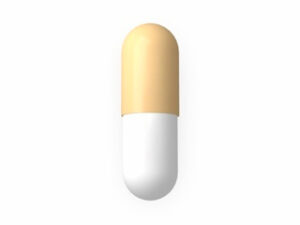
| Typical forms | Capsules, oral solution/mixture (depending on product availability), and other formulations may be available for skin/gynecologic use |
| Common conditions | Dental/ENT infections, skin and soft tissue infections, and certain anaerobic bacterial infections |
| How it is taken | Oral dosing schedules vary by condition and severity |
How Cleocin works (mechanism of action)
Clindamycin works by stopping bacteria from making proteins they need to grow and multiply.
- It binds to the 50S ribosomal subunit in susceptible bacteria.
- This binding blocks protein synthesis, leading to bacterial death or growth inhibition (depending on concentration and organism).
Clindamycin is especially active against many anaerobic bacteria (bacteria that grow in low-oxygen environments) and many Gram-positive organisms.
Pharmacokinetics (how the body processes it)
Pharmacokinetics describes what the body does to a medicine—absorption, distribution, metabolism, and elimination.
- Absorption: Clindamycin is absorbed after oral administration. Taking it as directed helps maintain appropriate drug levels.
- Distribution: It can distribute into many tissues, including bone and some infection sites, which is one reason it’s used for certain deep or difficult-to-treat infections.
- Metabolism: The medicine is metabolised mainly in the liver.
- Excretion: Metabolites and some drug-related compounds are eliminated primarily via bile and urine.
Why this matters: People with liver problems may need extra monitoring. If you have kidney impairment, your clinician may still consider clindamycin dosing based on overall clinical situation.
Typical uses and indications
Cleocin (clindamycin) may be prescribed to treat infections caused by bacteria susceptible to clindamycin. Common indications can include:
- Skin and soft tissue infections (for example, certain infected wounds, abscess-related infections where anaerobes are suspected)
- Dental infections and some jaw/ENT infections when an anaerobic component is likely
- Respiratory tract infections in specific situations, especially where anaerobic bacteria are involved
- Infections caused by anaerobic organisms in appropriate clinical settings
- Sometimes alternatives for specific Gram-positive infections when other options are unsuitable due to sensitivity or patient factors
Important: The best choice of antibiotic depends on the suspected organism, local resistance patterns, the site and severity of infection, and your medical history (including allergies).
Timing: when to take Cleocin and how long for
Follow the dosing schedule written for your specific product and condition. In general, clindamycin is taken in multiple daily doses to keep drug levels effective over the dosing interval.
- Try to take doses at evenly spaced times (e.g., morning/afternoon/evening) if your regimen requires several doses daily.
- Complete the full course even if you feel better—stopping early can allow bacteria to regrow.
- If you miss a dose, take it when you remember unless it’s close to the next dose—do not double up.
How quickly should you feel better? Many people notice improvement within 48–72 hours, but this varies by infection type, severity, and bacteria involved. If symptoms worsen or don’t improve, seek medical advice promptly.
Food interactions and taking Cleocin with meals
For most people, clindamycin can be taken with or without food. Food may help reduce stomach discomfort for some individuals.
- If you experience nausea, stomach upset, or heartburn, consider taking clindamycin with a meal.
- Maintain consistency: take it the same way each day unless your clinician advises otherwise.
Practical tip: If your product is a capsule or liquid, ensure you use the correct measuring method for liquid formulations.
Alcohol and medicine interactions
Alcohol: There is no universal “always unsafe” rule for clindamycin and alcohol, but alcohol can:
- worsen stomach upset and dehydration
- make side effects like nausea and dizziness more noticeable
- reduce your ability to recover while you are fighting an infection
Recommendation: It’s best to avoid alcohol while you’re unwell and taking antibiotics, especially if you have gastrointestinal symptoms.
Medication interactions: Tell your pharmacist or doctor about all medicines and supplements you use, including non-prescription products. Important interaction considerations may include:
- Antidiarrhoeal medicines: If you develop diarrhoea, avoid “anti-diarrhoea” treatments without advice, as diarrhoea can signal a serious antibiotic-associated condition.
- Neuromuscular blocking agents (used in hospital/anaesthesia): antibiotics in the same general class can sometimes affect neuromuscular transmission, so clinicians monitor closely in those settings.
- Liver-metabolised medicines: clindamycin is metabolised in the liver, so clinicians may consider potential additive effects on liver function when multiple medicines are used.
If you’re unsure whether a particular medicine is compatible with clindamycin, ask your pharmacist.
Dosing information (general guidance)
Dosing varies based on infection type, severity, the suspected bacteria, age, body weight, kidney/liver status, and formulation.
- Adults: Common adult regimens typically involve dosing several times per day, but the exact dose and frequency must match the prescribed plan for your specific condition.
- Children: Paediatric dosing is commonly weight-based and depends on the child’s age, weight, and formulation availability.
- Special populations: If you have liver disease, your clinician may monitor liver function more closely or adjust the dose.
To support safe use: Use the product strength you were given, and do not switch between different formulations (capsules vs liquid) without guidance.
Never take more than directed to “speed up” recovery. Overdosing increases the risk of side effects.
Safety profile and important warnings
Most people tolerate clindamycin well, but it can cause side effects. The most significant safety concern is Clostridioides difficile–associated diarrhoea.
Common side effects
- Nausea
- Stomach pain or cramps
- Diarrhoea (mild diarrhoea can occur with antibiotics, but needs monitoring)
- Headache
- Rash or mild skin reactions
Serious side effects — seek urgent help
- Severe or persistent diarrhoea, especially if watery or bloody, or if it occurs during treatment or after finishing the course (this can indicate C. difficile).
- Signs of allergy such as swelling of the face/lips, wheezing, severe rash, or difficulty breathing.
- Severe skin reactions (for example, blistering or skin peeling) or severe rash with fever.
- Yellowing of the skin/eyes, dark urine, or unusual fatigue (possible liver issues).
What to do if you get severe diarrhoea: Stop and seek urgent medical advice. Do not try to “treat it away” with anti-diarrhoea medicines unless a clinician advises it.
Who should be extra cautious?
- People with a history of antibiotic-associated diarrhoea or C. difficile
- People with bowel diseases (e.g., ulcerative colitis or Crohn’s disease) should be monitored carefully
- People with known liver problems may require additional monitoring
- Anyone with a prior allergic reaction to clindamycin or lincomycin should avoid use unless advised
Practical use tips for better outcomes
- Set reminders for dose times, especially if the schedule is multiple times daily.
- Keep taking the course even after you feel better.
- Hydrate—especially if you experience mild stomach upset or diarrhoea.
- Monitor stool changes. Mild changes can happen with antibiotics, but severe/persistent diarrhoea needs medical review.
- Store correctly according to the product label (keep out of reach of children).
- Take note of other symptoms (fever, worsening pain, spreading redness, or shortness of breath). Antibiotics should improve symptoms, not cause new severe symptoms.
If you’re using oral clindamycin: swallow capsules whole with water unless your formulation indicates otherwise. For liquid, measure accurately with a dosing syringe or cup.
Alternative options (depending on infection and organism)
“Alternatives” depend strongly on the infection type and the bacteria involved. Clinicians may consider other antibiotics or treatment strategies such as:
- Penicillins or cephalosporins for certain infections (if appropriate and if susceptibility and allergy history allow)
- Macrolides (e.g., azithromycin/clarithromycin) in selected conditions
- Metronidazole as part of anaerobic coverage in some regimens (often in combination depending on diagnosis)
- Topical approaches for certain superficial infections when appropriate
- Supportive care (pain relief, wound care, drainage of abscess) as key parts of treatment
If you have a history of allergy to antibiotics, discuss options early so your treatment plan can account for safety.
Market and legal context in Australia (overview)
In Australia, antibiotic availability and supply are regulated to support safe use and antimicrobial stewardship. Medicines like clindamycin are tightly controlled due to the risk of misuse and resistance, and supply is typically managed through appropriate healthcare channels.
- Antibiotics are intended for use when they are clinically needed.
- Prescribing and dispensing practices aim to ensure the correct medicine, correct dose, and correct duration.
- Pharmacists and clinicians help assess allergies, interactions, infection severity, and whether antibiotic treatment is appropriate.
Recent emphasis: Australia continues to strengthen antimicrobial stewardship through guideline updates, monitoring of resistance, and public education aimed at reducing unnecessary antibiotic use.
Recent guidance and antimicrobial stewardship (what it means for you)
Healthcare guidance across Australia increasingly encourages:
- Right antibiotic, right dose, right duration
- Consideration of local resistance patterns
- Assessment for alternative causes of symptoms (e.g., viral illnesses) before starting antibiotics
- Close monitoring and reassessment if symptoms don’t improve within expected timeframes
For you: Take the medicine exactly as instructed and contact a healthcare professional if you’re not improving or you experience serious side effects.
Delivery and availability (online pharmacy considerations)
Availability can vary depending on stock levels and local distribution. Online pharmacies commonly offer:
- Home delivery within Australia (delivery times vary by location and courier)
- Clear product listing with strength and formulation details
- Pharmacist support if you have questions about how to use your medicine
Before dispatch: Reputable online pharmacies typically verify that the correct product, strength, and quantity are supplied. Keep your packaging and check that the medicine name and strength match what you ordered.
Storage during delivery: If your medicine requires special storage (often “room temperature” applies), ensure you can receive deliveries promptly.
FAQ: Cleocin (Clindamycin)
1) What infections is Cleocin used for?
Cleocin (clindamycin) is used for certain bacterial infections, particularly those involving susceptible organisms and, in many cases, anaerobic bacteria. Your clinician selects it based on the likely cause of the infection and your medical history.
2) How long does it take to start working?
Many people begin to feel improvement within 48–72 hours. If symptoms are getting worse, or you don’t see improvement within a few days (as advised for your condition), seek medical advice.
3) Can I take Cleocin with food?
Usually yes. If you experience stomach upset, taking it with a meal may help. Follow the instructions on your product label or directions given to you.
4) What should I do if I miss a dose?
Take it when you remember unless it’s close to your next dose. Don’t take a double dose to make up for a missed one.
5) Is it safe to drink alcohol while taking clindamycin?
It’s best to avoid alcohol while you are unwell and taking antibiotics. Alcohol may worsen stomach side effects and make recovery harder. If you choose to drink, do so cautiously and be mindful of any gastrointestinal symptoms.
6) What if I get diarrhoea?
Mild diarrhoea can occur with antibiotics. However, severe, watery, or bloody diarrhoea, or diarrhoea that persists or begins after you finish the course, may be serious. Seek medical advice promptly and do not self-treat without guidance.
7) Who should not use clindamycin?
Avoid clindamycin if you have a known allergy to clindamycin or lincomycin. Extra caution is needed for people with previous antibiotic-associated diarrhoea or significant bowel disease.
8) Are there drug interactions I should know about?
Tell your pharmacist about all medicines you take. Clinically important interactions may involve medicines that affect bowel function, liver metabolism, or neuromuscular activity in hospital settings.
9) Can I stop Cleocin when I feel better?
It’s important to complete the full course as directed. Stopping early can allow bacteria to recover and increase the risk of recurrence or resistance.
10) What should I do if I experience an allergic reaction?
Seek urgent help if you have trouble breathing, facial/lip swelling, widespread hives, or severe rash. Allergic reactions can be dangerous.
Summary
Cleocin (clindamycin) is an antibiotic used for specific bacterial infections. It works by blocking bacterial protein synthesis and is especially useful for many anaerobic infections. As with all antibiotics, it should be taken at the correct times, for the correct duration, and only when indicated. Watch for side effects—especially severe or persistent diarrhoea—and seek prompt medical advice if you experience worrying symptoms.
If you have questions about how to take your medicine, storage, expected side effects, or what to do if symptoms change, contact your pharmacist or healthcare professional.