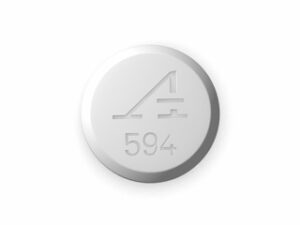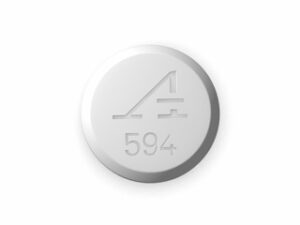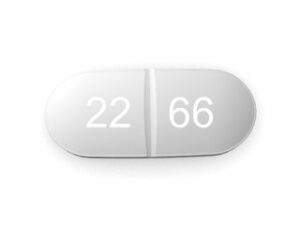

Colofac (Mebeverine Hydrochloride) – Patient Information (Australia)
Colofac is a medicine containing mebeverine hydrochloride, used to help relieve the symptoms of irritable bowel syndrome (IBS), particularly where bowel spasms and cramping are a major problem. Many people describe Colofac as helpful for abdominal pain, bowel spasm and cramping associated with IBS.
This page explains how Colofac works, how it’s used, key safety information, and practical tips to get the most from treatment. It’s written for a general audience and is not a substitute for advice from a qualified healthcare professional.
Quick Overview
- Active ingredient: Mebeverine hydrochloride
- Common use: Relief of IBS symptoms (cramps/spasm)
- Typical benefits: Reduces painful bowel contractions
- Form: Oral capsule (brand may vary by product packaging)
- Where it helps: Works in the gut (colon and small intestine)
What is Colofac?
Colofac is an antispasmodic medicine. Antispasmodics help ease painful muscle contractions in the bowel. In IBS, the bowel may become overly sensitive and spasms can contribute to discomfort, bloating, and irregular bowel habits.
Colofac is designed to target these spasm-related symptoms. It does not “cure” IBS, but it can help improve day-to-day comfort while you manage your condition with diet, stress management, and appropriate lifestyle measures.
How Colofac Works (Mechanism of Action)
Mebeverine helps reduce bowel spasm. Although the exact details can vary, its action is broadly associated with:
- Reducing abnormal intestinal muscle contractions (spasm) that may contribute to cramping pain in IBS.
- Supporting more normal bowel motility without broadly shutting down gut movement.
- Helping to relieve discomfort linked to functional gut disorders like IBS.
Many people notice improvement in abdominal pain and cramping rather than immediate changes in bowel frequency or stool consistency.
Pharmacokinetics (How the Body Handles It)
Pharmacokinetics describes how the medicine is absorbed, distributed, metabolised, and eliminated.
- Absorption: Mebeverine is absorbed after oral use.
- Metabolism: It is metabolised in the body to active and inactive metabolites (the exact metabolite profile can vary).
- Elimination: Metabolites are eliminated primarily via the kidneys.
- Onset of action: Symptom relief may occur within hours for some people, while others may need several days of consistent use to judge benefit.
If you’re unsure about how quickly Colofac should work for your symptoms, consider discussing expectations with a pharmacist or doctor.
Typical Use in IBS
Colofac is used for symptomatic relief of irritable bowel syndrome, particularly symptoms such as:
- Abdominal pain
- Cramping / bowel spasm
- Bowel discomfort related to IBS flare-ups
IBS is a functional disorder, meaning the bowel doesn’t have structural disease, but symptoms can still be very real and disruptive. Treatment often focuses on symptom control and triggers.
Important: Colofac is for IBS symptoms. If you have warning signs such as blood in the stool, unexplained weight loss, persistent fever, anaemia, or ongoing severe pain, seek medical advice promptly.
When to Take Colofac (Timing and Routine)
The exact dosing schedule depends on the strength and formulation you have. Follow the instructions on the pack or the directions provided by your healthcare professional. If you’re using Colofac regularly for IBS symptoms, consider these general timing tips:
- Be consistent: Taking your doses at roughly the same times each day can help maintain steady relief.
- For flare-ups: Many people continue their usual regimen during symptom flare-ups rather than taking irregular “extra” doses.
- Missed dose: If you miss a dose, take it when you remember unless it is close to your next dose. Do not double up.
If you are not sure of your schedule, check your product carton for the recommended frequency.
Dosing Information (Adults)
Note: Dosing may differ depending on the specific Colofac presentation and strength available in Australia. Always confirm the dose on your packaging.
As a general guideline for adults with IBS symptoms, mebeverine is commonly prescribed in divided daily dosing regimens.
| Population | Typical dosing approach | Key point |
|---|---|---|
| Adults | Commonly taken in multiple daily doses (follow pack directions) | Use the dose and timing on your product label for best effect |
| Children | Only use if specifically advised by a clinician | Not all IBS medicines are suitable for younger patients |
If you’re taking other bowel-related treatments (e.g., laxatives, anti-diarrhoeals, fibre supplements), ask a pharmacist to ensure the timing and combination are appropriate.
Food Interactions (Eating with Colofac)
Mebeverine can generally be taken without special restrictions around meals for many people. However, to support comfort and adherence:
- You may take Colofac with food if it helps reduce stomach discomfort.
- If your product label recommends taking it before meals or after meals, follow that instruction.
If you find that symptoms worsen after certain foods (e.g., high-fat meals, dairy, wheat for some individuals), adjusting diet may improve overall IBS control even if you continue medication.
Alcohol and Medicine Interactions
There are no widely established direct “dangerous” interactions between mebeverine and alcohol. However, alcohol can trigger or worsen IBS symptoms for some people by affecting gut motility and irritation.
- Consider limiting alcohol if you notice it worsens bloating, cramps, or bowel urgency.
- If you choose to drink, monitor your body’s response and avoid heavy drinking during symptom flare-ups.
As with any medicine, avoid excessive alcohol intake and consult a pharmacist for advice if you take multiple medicines or have liver/kidney conditions.
Medicine Interactions (Other Medications)
Many medicines can be taken with Colofac, but interactions may occur indirectly (for example, by affecting bowel function or causing overlapping side effects like dizziness).
Please tell your pharmacist or doctor if you use:
- Other IBS medicines (e.g., antidiarrhoeals, laxatives, bile acid binders)
- Antispasmodics or gut-motility medicines
- Medicines that can affect gut function or alertness
- Regular prescription medicines for chronic conditions
- Herbal products and supplements
Always check the product label and, when in doubt, ask a pharmacist to review your medication list.
Indications (What Colofac is Used For)
Colofac (mebeverine hydrochloride) is indicated for the symptomatic relief of irritable bowel syndrome, especially symptoms associated with bowel spasm and cramping.
- Used for IBS with pain/cramps
- Often chosen when bowel spasms are a prominent feature of your symptoms
Colofac is not intended as a treatment for infectious diarrhoea or acute stomach infections.
Safety Profile (Common Side Effects and When to Seek Help)
Most people tolerate mebeverine well. Like all medicines, it may cause side effects. Below is a patient-friendly overview of potential issues.
Common side effects
- Usually mild and may include headache or light dizziness in some people
- Some people may experience nausea or stomach discomfort
Less common side effects
- Allergic-type reactions (rare)
Seek urgent medical help if you develop
- Swelling of the face, lips, tongue, or throat
- Breathing difficulty, wheezing, or severe allergic rash
- Severe or persistent vomiting, fainting, or symptoms that feel serious or unusual
If you experience bothersome side effects, stop and seek advice from a pharmacist or doctor before continuing.
Practical Use Tips (How to Get the Best Results)
- Track your symptoms: IBS symptoms can fluctuate. Note timing, severity, and triggers (foods, stress, sleep) to understand what helps.
- Use alongside IBS lifestyle steps: Fibre (as tolerated), hydration, regular meals, gentle exercise, and stress reduction may improve overall outcomes.
- Give it time: If you don’t feel benefit immediately, continue as directed and reassess over several days.
- Avoid doubling up: If you miss a dose, follow pack instructions rather than taking extra.
- Review your ongoing symptoms: If you’re not improving, your doctor/pharmacist may consider alternative treatments or check for other causes.
When Colofac May Not Be Suitable
Colofac may not be appropriate for everyone. Extra caution or assessment may be needed if you have:
- Known allergies to mebeverine or other ingredients in the product
- Other significant bowel conditions (e.g., inflammatory bowel disease) where IBS medications may not address the underlying problem
- Severe or persistent symptoms that need further investigation
If you’re pregnant, breastfeeding, or have significant medical conditions, consult a clinician before starting or continuing treatment.
Alternative Options for IBS Symptom Relief
IBS management is individual. Depending on whether your main symptoms are constipation, diarrhoea, pain/cramps, bloating, or urgency, alternative options may include:
- Diet approaches: Low FODMAP diet (often with professional guidance), elimination of trigger foods
- Fibre supplements: e.g., psyllium (may help some people)
- Osmotic laxatives for constipation-predominant IBS
- Anti-diarrhoeal medicines for diarrhoea-predominant IBS (short-term or as advised)
- Probiotics (evidence varies; may help selected patients)
- Other antispasmodics or gut-targeting medicines
- Neuromodulators in more persistent IBS cases where appropriate (specialist-led)
Your pharmacist can help you understand what symptom pattern you have and what options are available in Australia.
Market and Legal Context for Australia
In Australia, the availability of medicines depends on their classification under the Australian regulatory framework (including whether they are listed, pharmacy-only, or prescription medicines). Product requirements also include packaging and labelling that support safe use.
Colofac containing mebeverine is generally supplied as an IBS antispasmodic for symptom relief and is available through approved supply channels in Australia.
Always check the product details (including the Australian label and directions) for your specific item, and follow the advice given by your pharmacist or other healthcare professional.
Recent Guidance and Ongoing Care
Clinical guidance for IBS typically emphasises:
- Confirming the diagnosis and excluding “red flag” conditions
- Individualised treatment based on symptom subtype (pain/cramps, constipation, diarrhoea, mixed)
- Dietary and lifestyle management alongside medication when appropriate
- Reviewing response and adjusting therapy if symptoms persist
If you’ve recently started Colofac and symptoms are not improving or are worsening, it’s important to seek advice promptly rather than continuing indefinitely without review.
Delivery and Availability (Online Pharmacy)
Online pharmacies in Australia generally provide delivery to eligible addresses within Australia. Delivery timelines can vary based on stock availability and location.
When ordering Colofac online, consider:
- Product confirmation: Ensure the strength and form match what you need.
- Expiry date: Check that the expiry date is acceptable before use.
- Cold/heat considerations: Store medicines as directed (usually at room temperature away from excess moisture and heat).
If you’re unsure whether Colofac is suitable for your situation, select the option to ask a pharmacist (where available on the site) or consult your healthcare professional.
How to Store Colofac
- Store at room temperature, away from heat and direct sunlight
- Keep out of reach of children
- Keep in the original packaging to protect from moisture
- Do not use after the expiry date on the pack
Frequently Asked Questions (FAQ)
1) What is Colofac used for?
Colofac (mebeverine hydrochloride) is used to relieve symptoms of irritable bowel syndrome, especially abdominal pain, cramping, and bowel spasm.
2) How long does it take to work?
Some people notice improvement within hours, but for others it may take a few days of regular use to judge effectiveness. If you don’t see any benefit after a reasonable trial as directed on the label, seek advice.
3) Can I take Colofac with food?
In many cases it can be taken with or without food. Follow the instructions on your specific product label. If taking it with food suits you better, that’s often fine.
4) Is Colofac safe for long-term use?
Some people use IBS medicines for longer periods to manage symptoms. However, if you’re using Colofac for an extended time, it’s wise to have regular check-ins with a pharmacist or clinician to ensure it remains appropriate for your symptoms and to review any changes.
5) What if I miss a dose?
Take it when you remember unless it’s close to your next dose. Do not take two doses at once.
6) Can I drink alcohol while taking Colofac?
There are no commonly known direct dangerous interactions, but alcohol can worsen IBS symptoms for some people. If alcohol triggers your IBS, consider limiting or avoiding it.
7) What side effects should I watch for?
Most side effects, if they occur, are mild. Seek urgent medical help for signs of an allergic reaction such as facial/lip/tongue swelling, breathing difficulty, or severe rash.
8) Can Colofac treat diarrhoea or constipation directly?
Colofac mainly targets spasm-related pain and cramping. It may help overall discomfort, but diarrhoea/constipation symptoms can have multiple drivers. Your treatment plan may include other options depending on your IBS subtype.
9) Who should not use Colofac?
Do not use if you have a known allergy to mebeverine or any ingredient in the product. If you have significant medical conditions or are pregnant/breastfeeding, seek professional advice before use.
10) When should I see a doctor instead of self-treating?
Seek medical advice if you have blood in stool, unexplained weight loss, persistent fever, anaemia, severe worsening pain, symptoms that suggest a condition other than IBS, or if your symptoms do not improve with appropriate treatment.
Disclaimer: This information is intended for general education. Individual suitability depends on your health history, other medicines, and symptom pattern. Always read the consumer medicine information (CMI) provided with your product and consult a healthcare professional if you have questions.