
Robaxin (Methocarbamol) – Patient Information
Robaxin is a brand of methocarbamol, a medicine commonly used to help relieve pain and discomfort caused by muscle spasm. It is often prescribed when the main problem is “tight” or spasming muscles—such as those associated with back, neck, or other musculoskeletal conditions.
This page provides clear, patient-friendly information about how Robaxin works, how it is used, what to expect, and important safety considerations. Always follow the instructions on your label or those provided by your healthcare professional.
At a Glance
- Active ingredient: Methocarbamol
- Common use: Relief of muscle spasms and related discomfort
- How it helps: Reduces abnormal muscle activity and supports muscle relaxation
- Typical timing: Often taken multiple times per day as directed
- Common side effects: Drowsiness, dizziness, headache, nausea
- Key cautions: Avoid alcohol and be careful with driving or machinery
Basic Product Information
| Feature | Details |
|---|---|
| Medicine | Robaxin (methocarbamol) |
| Medicine type | Muscle relaxant / skeletal muscle relaxant |
| Available forms | Oral tablets (and/or other forms depending on brand/availability) |
| General use | For pain and muscle spasm related to musculoskeletal conditions |
| Who it suits | Adults and older children in appropriate situations (age-specific instructions vary) |
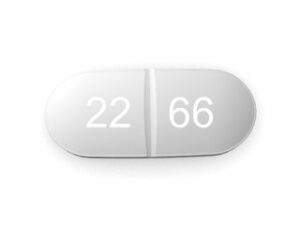
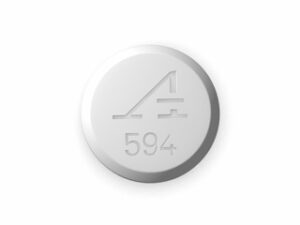
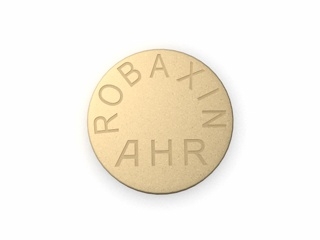
Product appearance, strengths, and instructions can vary by country and formulation. If you’re unsure, check the packaging or the product label.
How Robaxin Works (Mechanism of Action)
Methocarbamol works as a centrally acting muscle relaxant. While the exact mechanism is not fully understood, it is believed to help relieve muscle spasm by influencing signals within the central nervous system. The end result is typically:
- Reduced muscle “spasm” activity
- Improved comfort
- Support for physical recovery (by allowing movement and reducing protective muscle tightening)
Robaxin is often used together with other approaches such as rest (short-term), gentle stretching, and physiotherapy advice—because muscle spasm is frequently part of a bigger musculoskeletal problem.
Pharmacokinetics: How Your Body Handles Methocarbamol
Pharmacokinetics describes what the body does to the medicine—how it is absorbed, distributed, metabolised, and eliminated.
- Absorption: Methocarbamol is absorbed after oral dosing. The onset of relief varies among individuals, and depends on dose, your condition, and how you respond to centrally acting medicines.
- Distribution: It reaches the central nervous system to produce muscle-relaxing effects.
- Metabolism: Methocarbamol is metabolised primarily in the liver.
- Elimination: The medicine and its metabolites are eliminated mostly through the kidneys (urine).
Because metabolism and clearance may differ in people with liver or kidney impairment, dosing may need adjustment by a healthcare professional.
Typical Uses and Indications
Robaxin (methocarbamol) is used to treat muscle spasm and associated pain, particularly when spasms are causing stiffness, discomfort, or reduced range of movement.
It may be used for conditions such as:
- Acute low back pain with muscle spasm
- Neck pain with muscle tightness/spasm
- Musculoskeletal strain (e.g., sprains and strains)
- Spasm related to injury or overuse
- Adjunctive relief alongside physiotherapy or rehabilitation measures
Robaxin does not treat the underlying cause by itself. It helps manage symptoms while you recover and address contributing factors (posture, ergonomics, activity modification, and physical therapy).
When to Take It: Timing and How to Use Day-to-Day
Follow your label instructions exactly. As a general guide, muscle relaxants are frequently taken in divided doses. Your prescriber may advise a specific schedule based on the severity of your symptoms and your response.
- Start time: Many people take a first dose in the morning or early in the day, depending on their symptoms and drowsiness risk.
- Repeat dosing: Often spaced through the day (and sometimes evening) to maintain symptom relief.
- Duration: Robaxin is commonly used for short-term symptom control. If symptoms persist or worsen, seek medical advice rather than continuing indefinitely.
Practical tip: If you are prone to drowsiness, consider taking evening doses closer to bedtime—only if it matches your prescribed schedule.
Dosing: What Is Typical?
Dosing varies based on age, symptom severity, and individual factors such as other medicines and medical conditions. The information below is general and may not match your exact product label.
- Adults: Doses are usually taken multiple times per day, with adjustments if needed based on response and side effects.
- Children and older adolescents: Dose selection and frequency should be based on age/weight and specific product instructions.
- Renal or hepatic impairment: Speak with a healthcare professional for advice; dose adjustments may be required.
Important: Do not increase your dose to “make it work faster.” Higher doses raise the risk of drowsiness, dizziness, and other adverse effects.
Food Interactions and Taking With Meals
Methocarbamol may be taken with or without food depending on what suits your stomach. However, food can influence how comfortable dosing feels—especially if you experience nausea.
- If you get nausea: Try taking it with a meal or snack.
- Consistency helps: Take it the same way each day unless your pharmacist or doctor advises otherwise.
- Hydration: Drink water with tablets to help swallowing and reduce irritation.
There are no widely recognised “specific” food restrictions for methocarbamol in most patients, but individual responses vary.
Alcohol and Medicine Interactions
Alcohol
Avoid alcohol. Alcohol can increase the likelihood and intensity of side effects such as:
- Drowsiness and impaired coordination
- Dizziness
- Slowed reaction time (safety concern for driving and machinery)
- Potential worsening of sedation from other medicines
Other medicines that may interact
Robaxin can interact with medicines that affect the brain or nervous system. Extra caution is needed when combining with:
- Other sedating medications (e.g., some sleep medicines, strong antihistamines)
- Opioid pain medicines (increased sedation and breathing-related risks)
- Some antidepressants and anxiety medicines that cause drowsiness
- Antipsychotic medications and other central nervous system depressants
- Other muscle relaxants
If you’re taking any regular medicines—including over-the-counter products, supplements, or “as needed” sedating medications—review them with your pharmacist.
Safety Profile: Side Effects and What to Watch For
Most people tolerate methocarbamol well, but side effects can occur—especially early in treatment or after dose changes. If side effects are severe, persistent, or worsening, stop and seek advice from a healthcare professional.
Common side effects
- Drowsiness
- Dizziness
- Headache
- Nausea or stomach discomfort
- Blurred vision or feeling “foggy” (in some people)
Less common but serious warnings
Seek urgent medical help if you experience signs of a severe allergic reaction or other serious effects such as:
- Swelling of the face, lips, tongue, or throat
- Difficulty breathing or swallowing
- Severe rash, blistering, or widespread skin reactions
- Fainting, severe confusion, or profound drowsiness
- Uncontrolled shaking or unusual movements
Driving and operating machinery
Because methocarbamol can cause drowsiness and dizziness, avoid driving or using machines until you know how it affects you. The safest approach is:
- Start at the lowest effective dose as directed
- Test your response at home first
- Do not combine with alcohol or other sedatives
Practical Use Tips (Getting the Most Benefit)
- Use it to support movement, not to “immobilise”: Muscle spasm often improves with gentle, gradual movement. Pair Robaxin with safe activity as advised by your clinician or physiotherapist.
- Heat and gentle stretching: Many people benefit from heat packs and gentle stretches (if appropriate for their condition).
- Set reminders: A divided dosing schedule can be easier with phone alarms or a medication organiser.
- Monitor your response: If symptoms do not improve or you notice worsening pain, new numbness, weakness, fever, or loss of bowel/bladder control, seek urgent advice.
- Check your other medicines: Ask your pharmacist if any combination could increase sedation.
Missed Dose
If you miss a dose, take it when you remember unless it is close to the next dose. Do not take a double dose to make up for the missed one. If you’re unsure, ask your pharmacist for guidance.
Stopping Robaxin
For short-term use, many people can stop once symptoms have settled, but the best plan depends on your diagnosis and overall treatment. If you’ve been taking it for longer periods, confirm with a healthcare professional before stopping.
Alternative Options
Depending on the cause of your muscle spasm and pain, options may include:
Non-medicine approaches
- Physiotherapy and exercise programs
- Heat therapy (or sometimes ice in the early stage of injury)
- Massage or manual therapy (where appropriate)
- Ergonomic adjustments (workstation setup, lifting technique)
Other medicine options
- Paracetamol for pain relief
- Anti-inflammatory medicines (when suitable), such as NSAIDs—depending on your medical history
- Other muscle relaxants (your pharmacist/doctor can compare options and risks)
The “best” alternative depends on your health conditions, other medicines, and the pattern of pain.
Market and Legal Context (Australia)
In Australia, medicines are regulated through the TGA (Therapeutic Goods Administration). Availability and supply requirements vary depending on:
- Whether a medicine is prescription-only or available through other channels
- The formulation and strength
- Local pharmacy policies and supplier access
Online pharmacies may provide products only within the rules that apply to that particular medicine and the approved conditions for supply. Always ensure you are buying from a reputable Australian pharmacy or supplier.
If you have questions about whether your specific Robaxin product can be supplied via an online pharmacy, contact the pharmacy directly.
Recent Guidance and Ongoing Precautions
Safety guidance for muscle relaxants commonly emphasises:
- Use for the shortest appropriate duration to manage symptoms
- Awareness of sedation risk, especially when combined with alcohol or other sedating medicines
- Review of long-term benefit if symptoms persist, as ongoing pain may require assessment for underlying causes
- Attention to red-flag symptoms in back/neck pain (e.g., neurological deficits or severe progressive symptoms)
Product-specific advice can change as new information becomes available. Your pharmacist can provide the most current guidance for the product you purchase.
Delivery and Availability (Online Pharmacy)
Availability of Robaxin can vary by supply and formulation. Many Australian online pharmacies can assist with:
- Checking current stock
- Providing appropriate product strength options where available
- Delivery updates and estimated dispatch times
- Packaging and temperature considerations (if applicable for your product)
Delivery times depend on your location and courier service. When you place an order, the pharmacy typically provides: an estimated shipping window, tracking information (where offered), and delivery instructions.
If your order is delayed or unavailable, you can usually ask the pharmacy about alternatives or expected restock timing.
FAQ
1. What is Robaxin used for?
Robaxin (methocarbamol) is used to relieve muscle spasm and associated pain, commonly for musculoskeletal conditions such as back or neck discomfort where muscle tightness is part of the problem.
2. How quickly does Robaxin work?
Some people notice symptom relief within the first day, but timing varies. Factors include dose, the severity of spasm, and how your body responds. If you notice no improvement after an appropriate period for your situation, seek advice.
3. Can I take Robaxin with food?
Yes. Many people find it easier on the stomach when taken with food or a snack—especially if they experience nausea. Use a consistent routine unless your pharmacist advises otherwise.
4. Is Robaxin safe with alcohol?
It is strongly recommended to avoid alcohol while taking Robaxin because the combination can increase drowsiness, dizziness, impaired coordination, and safety risks.
5. Will Robaxin make me sleepy?
Drowsiness is a common effect. Until you know how you respond, avoid driving, operating machinery, or doing tasks requiring alertness—especially when starting treatment or after a dose change.
6. What should I do if I miss a dose?
Take it when you remember unless it is close to the next dose. Do not take a double dose. If unsure, ask your pharmacist.
7. What side effects are most common?
Common side effects include drowsiness, dizziness, headache, and nausea. If side effects are severe, contact a healthcare professional.
8. Are there any red flags with back or neck pain?
Yes. Seek urgent medical attention if you have symptoms such as severe or worsening pain with weakness, numbness, problems with bowel or bladder control, fever, or unexplained weight loss.
9. Can I take Robaxin with other painkillers?
Often Robaxin is used alongside other pain-relief strategies. However, combining medicines should be done safely. Tell your pharmacist what you take (including over-the-counter products) to check for interactions and reduce risk.
10. What are some alternatives to Robaxin?
Alternatives may include other pain-relief medicines (like paracetamol and certain anti-inflammatories where appropriate), different muscle relaxants, and non-medicine options such as physiotherapy, stretching, and heat therapy.
When to Seek Help
If your symptoms worsen, you develop new neurological symptoms (such as numbness or weakness), or you experience severe dizziness, fainting, breathing problems, or signs of an allergic reaction, seek urgent medical advice.
For tailored guidance on dosing, interactions, and suitability for your circumstances, speak with a pharmacist or healthcare professional.