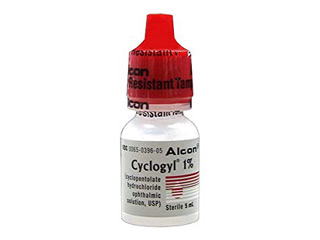
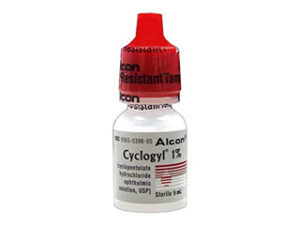
Cyclogyl (Cyclopentolate) Ophthalmic Solution
Cyclogyl (cyclopentolate) is an eye medicine used to dilate (widen) the pupil and temporarily paralyse focusing in the eye. It helps eye care professionals examine the eye by making the pupil larger and reducing the eye’s ability to focus for near objects.
This guide is written for patients and carers in Australia to explain what Cyclogyl is used for, how it works, what to expect, and important safety information. Always follow the instructions provided with your product and by your eye health professional.
Quick product information
- Medicine name: Cyclogyl
- Active ingredient: Cyclopentolate
- Form: Ophthalmic solution (eye drops)
- Common effects: Pupil dilation, temporary blurred near vision
- Typical setting: Eye examinations (optometry/ophthalmology)
- Key caution: Light sensitivity and blurred vision—take care with driving and small children
How Cyclogyl works (mechanism of action)
Cyclopentolate belongs to a group of medicines called antimuscarinics (anticholinergics). In the eye, it blocks muscarinic receptors that normally control:
- Pupil size: Cyclogyl relaxes the pupil muscle, causing the pupil to dilate.
- Accommodation (focusing): Cyclogyl temporarily reduces the ability to focus on near objects.
These effects allow the clinician to see the inside of the eye more clearly and to measure the eye’s focusing power accurately, particularly during refraction tests.
Pharmacokinetics (what the body does with it)
Because Cyclogyl is used as an eye drop, absorption occurs mainly through ocular tissues and the nasal/tear drainage pathway (nasolacrimal absorption). Key points:
- Onset: Pupil dilation and loss of accommodation usually begin within a short time after instillation.
- Duration: Effects are temporary. In many cases, dilation and blurred near vision last several hours.
- Metabolism and elimination: Cyclopentolate is absorbed systemically to a limited extent and is processed by the body and eliminated through normal pathways.
Important note: Individual response varies, especially in children. If your symptoms last longer than expected or are severe (for example, intense pain or persistent worsening), seek medical advice promptly.
Typical uses and indications
Cyclogyl is primarily used to:
- Dilate pupils for comprehensive eye examinations
- Paralyse accommodation to assist accurate measurement of refractive error (refraction)
- Help assess the retina and optic nerve by improving visibility
It is commonly used by eye care professionals for diagnostic purposes, including assessing children’s prescriptions and examining adults in settings where dilation is required.
How and when to use it (timing)
Instructions can differ depending on the strength of the product, age of the patient, and the reason for use. Follow the dosing plan provided with your Cyclogyl product or by your clinician.
In general, when used for eye examination:
- Before the appointment: Cyclogyl is often instilled shortly before the clinician needs maximal dilation.
- After drops: Expect light sensitivity and blurred near vision.
- For best comfort: Bring sunglasses and plan not to drive until your vision returns to normal.
If you miss the timing: Tell the clinic. They may adjust the exam timing or repeat testing, rather than asking you to use extra doses.
Dosing guidance
Eye examination protocols vary. A clinician may prescribe or recommend a dose based on age, cooperation, and the desired level of cycloplegia (loss of focusing).
Typical dosing patterns may include:
- Children: Lower doses or careful titration may be used to reduce side effects.
- Adults: Standard exam dosing is commonly used.
Do not use extra drops beyond what has been recommended. Over-dosing can increase the risk of unwanted effects such as systemic anticholinergic symptoms.
If you have the product label, check the concentration and the number of drops and timing it specifies. If you are unsure, consult your pharmacist or eye care provider.
Food interactions
Cyclogyl is administered to the eyes, and food interactions are not typically expected to be clinically significant. However, general care is sensible:
- There are no specific dietary restrictions routinely required for cyclopentolate eye drops.
- If you or your child experiences nausea or dizziness after use, sit quietly and seek advice if symptoms are concerning.
Tip: If Cyclogyl is given before an eye examination, bringing water and having regular meals may help comfort—especially for children who can become restless when vision is blurred.
Alcohol interactions
Because Cyclogyl’s primary effects are local (dilated pupils and blurred focusing), alcohol interactions are not usually a direct concern. However, alcohol can affect alertness and balance, which may compound the visual effects of dilation.
- It is generally best to avoid alcohol for the hours after using Cyclogyl, especially if you will be driving or managing children.
- Do not drive until your vision clearly returns.
Medicine interactions (including eye medicines)
Cyclopentolate may interact with other medications that have anticholinergic effects, potentially increasing side effects (such as dryness, drowsiness, or fast heart rate).
Tell your eye care professional or pharmacist about all medicines you use, including:
- Other anticholinergic medicines (some allergy, nausea, bladder, Parkinson’s, and motion sickness treatments)
- Other eye drops (especially those used for glaucoma or pupil/dilation purposes)
- Medicines for sleep or anxiety (to reduce confusion about symptom origins)
Practical approach: If multiple eye drops are used, spacing between drops may be required. Ask your pharmacist for a simple schedule.
Safety profile and side effects
Most people tolerate Cyclogyl well when used for eye examinations. Side effects usually reflect the intended pharmacological effect (pupil dilation and blurred near vision) or anticholinergic effects (from limited systemic absorption).
Common effects
- Blurred vision and difficulty focusing on near objects
- Light sensitivity due to dilated pupils
- Temporary stinging or burning in the eyes
- Redness or mild irritation
Less common but important effects
- Dry mouth
- Fast heart rate
- Dizziness or headache
- Agitation or unusual behaviour (more noticeable in children)
- Rash or allergic reactions (seek advice if swelling or breathing issues occur)
When to seek urgent help
Contact an emergency service or seek urgent medical attention if there are signs of a serious reaction, such as:
- Severe eye pain or rapidly worsening symptoms
- Persistent vomiting or significant confusion
- Breathing difficulty, facial swelling, or widespread rash
While most reactions are mild and temporary, it’s important not to ignore severe or worsening symptoms.
Practical use tips for patients and carers
These tips can help improve comfort and reduce the chance of drops entering the nose (which can increase systemic effects):
- Use correct technique: Wash hands, tilt the head back, gently pull down the lower eyelid, and instil the prescribed number of drops.
- Reduce tear drainage: After each drop, gently press the inner corner of the eye (near the nose) for about 1 minute if you have been instructed to do so. This can reduce systemic absorption.
- Keep eyes closed gently: Avoid rubbing the eyes after instillation.
- Sunglasses help: Light sensitivity is expected. Sunglasses or a hat can improve comfort.
- Plan activities: Avoid reading, phone use, or close-up work until vision settles.
- Child safety: Use drops carefully and supervise closely to prevent rubbing or accidental ingestion. Store out of reach.
Do not share Cyclogyl with others. Cyclogyl use should match the individual’s exam needs and age-related dosing guidance.
Special considerations
Glaucoma and narrow-angle risk
Anticholinergic medicines can, in rare cases, raise the risk of an eye pressure issue in susceptible individuals (for example, narrow-angle glaucoma). Your clinician should consider your eye history before using cyclopentolate.
- If you have known glaucoma or a history of angle-closure problems, inform your eye care provider.
- If you develop severe pain, marked redness, halos around lights, or nausea, seek urgent advice.
Children
Children may have a stronger or more variable response to cycloplegic drops. Extra caution is important:
- Use only the dose and concentration directed by a clinician.
- Observe for unusual behaviour, agitation, dry mouth, or fast heartbeat.
- Keep the child in a safe environment where blurred vision won’t cause falls or injury.
Alternative options
For pupil dilation and cycloplegia, eye care providers may consider alternative medicines depending on age, exam needs, and local availability. Alternatives may include:
- Atropine (slower onset and longer duration in many protocols)
- Homatropine
- Other cycloplegic agents used for refraction
Your clinician can choose the option that best balances image quality, duration, and tolerability for you or your child.
Market and legal context for Australia
In Australia, eye medicines are regulated under national medicines and therapeutic goods frameworks. Availability can vary by brand, strength, and the way the medicine is supplied.
- Some cycloplegic eye drops may be restricted or require professional direction depending on formulation and intended use.
- Clinics often supply Cyclogyl directly for scheduled examinations.
- Online pharmacies may provide product information and supply according to Australian regulatory requirements.
Product availability: Always check the current listing for stock status and delivery options. Supply can vary across brands and concentrations.
Recent guidance and clinician considerations
Eye care recommendations evolve as new evidence and safety information becomes available. In practice, clinicians often emphasise:
- Using the lowest effective dose for the intended examination outcome
- Considering patient-specific risks (e.g., narrow-angle glaucoma risk)
- Reducing systemic absorption through correct instillation technique (including punctal pressure)
- Allowing adequate time for vision to recover before activities requiring clear sight
If you have concerns about your exam preparation or side effects after dilation, discuss them with your eye care professional before the appointment.
Delivery and availability (online pharmacy)
Online pharmacy ordering aims to provide convenient, timely supply. Availability may depend on region and current stock.
- Dispatch times: Typically shown at checkout or in product listings.
- Packaging: Eye drops are usually shipped in protective packaging to prevent leakage and breakage.
- Storage: Keep the bottle as directed on the label (commonly at room temperature, away from heat and direct sunlight). Check expiry date after arrival.
- Cold-chain: Cyclogyl eye drops generally do not require cold storage unless the manufacturer’s instructions state otherwise.
Tip: If Cyclogyl is required for an upcoming appointment, allow enough time for delivery and read the label on arrival to confirm concentration and dosing instructions.
Dilated pupil aftercare
After Cyclogyl use, you may experience blurred vision and light sensitivity. This usually improves as the drug wears off.
- Driving: Avoid driving until your vision is clear enough to do so safely. If in doubt, don’t drive.
- Sunglasses: Use sunglasses outdoors and consider indoor light reduction if glare bothers you.
- Close-up tasks: Avoid reading or detailed screen work until focusing returns.
Storage and handling
- Store the bottle according to label instructions.
- Keep the cap tightly closed when not in use.
- Do not touch the dropper tip to the eye to reduce contamination risk.
- Check expiry and discard if the product is expired or appears damaged.
Comparison table: what to expect
| Feature | Cyclogyl (Cyclopentolate) |
|---|---|
| Primary effect | Pupil dilation and temporary cycloplegia (loss of focusing) |
| Common experience | Blurred near vision and light sensitivity |
| Typical duration | Temporary; often several hours (varies by individual and age) |
| Most helpful for | Eye examinations and accurate refraction |
| Key safety focus | Avoid extra dosing; watch for severe symptoms, especially in children |
FAQ
1. Why was Cyclogyl recommended for my eye test?
Cyclogyl dilates your pupil and temporarily stops the eye from focusing. This helps your clinician view the inside of the eye more clearly and perform accurate measurements of your prescription.
2. How long do the side effects last?
Effects typically last for several hours. Light sensitivity and blurred near vision are common. People vary, especially children. If symptoms are more severe than expected or last well beyond the usual period, contact your eye care provider.
3. Will Cyclogyl affect both eyes?
It depends on how it’s used during the examination. Many routines involve one or both eyes; follow the dosing instructions provided for your situation.
4. Can I drive after using Cyclogyl?
Usually you should not drive while pupils are dilated and near vision is blurred. Wait until your vision returns to normal and you can safely focus and judge distances.
5. What should I do if drops go down my throat?
Small amounts are possible when eye drops drain through the tear ducts and nose, but swallowing more than expected can increase systemic side effects. If a significant amount is swallowed, seek advice from your pharmacist or a healthcare professional, particularly for children.
6. Are there any food restrictions?
No specific food restrictions are usually required for cyclopentolate eye drops. However, if you feel unwell, rest and seek advice if symptoms persist.
7. Can I take other medicines with Cyclogyl?
Many medicines can be used safely, but caution is advised with drugs that have anticholinergic effects. Tell your pharmacist and eye care professional about all medicines you take, including other eye drops.
8. What if my child becomes unusually agitated after the drops?
Unusual behaviour can occur, particularly in children, due to systemic absorption. Stop further dosing unless instructed and contact your eye care provider or pharmacist for advice.
9. Can I wear contact lenses?
Contact lens use around cycloplegic drops may vary. Ask your clinician, but in many cases contacts may be removed before testing and replaced later when vision and comfort are back to normal.
10. When should I seek urgent care?
Seek urgent medical attention if you experience severe eye pain, rapidly worsening redness or vision changes, persistent vomiting, breathing difficulty, or signs of a serious allergic reaction.
Summary
Cyclogyl (cyclopentolate) eye drops are used to dilate pupils and temporarily reduce focusing ability, making eye examinations more accurate and comfortable for viewing the eye’s internal structures. The main expected effects include light sensitivity and blurred near vision for a temporary period. By using correct instillation technique, following recommended dosing, and allowing time for vision recovery, most people tolerate Cyclogyl well.