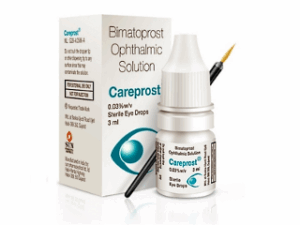
Careprost (Bimatoprost) – Patient Information (Australia)
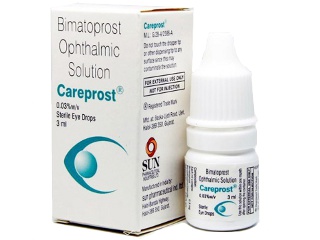
Careprost is a brand of bimatoprost, a medicine used to lower increased eye pressure and to improve the appearance of eyelashes. This page explains how Careprost works, how to use it safely, and what to expect. It is written for patients in Australia and covers practical use, interactions, safety, and common questions.
Key Points at a Glance
- What it is: Bimatoprost eye drops (usually a clear, colourless solution).
- Main uses: Management of glaucoma or ocular hypertension, and for eyelash growth in eligible patients.
- How it works: Helps the eye drain fluid more effectively and may increase eyelash length/thickness.
- How to use: Typically once daily in the evening (at the same time each day).
- Common side effects: Redness, itching, dry eye, darkening of eyelids, and eyelash changes.
- Important: Avoid contaminating the dropper tip and use carefully to prevent spread to the other eye or skin.
Basic Product Information
| Category | Details |
|---|---|
| Active ingredient | Bimatoprost |
| Medicinal form | Eye drops (ophthalmic solution) |
| Strength | Often 0.03% (confirm your specific product strength on the label/pack) |
| How it’s used | Usually applied to the affected eye(s) once daily |
| Typical timing | Evening dosing (commonly around bedtime) |
| Storage | Store at room temperature unless otherwise stated on the pack; keep tightly closed |
Note: Always check your pack for the exact strength, dosing schedule, expiry date, and storage instructions.
How Careprost Works (Mechanism of Action)
1) Lowering eye pressure
In glaucoma and ocular hypertension, the eye produces fluid (aqueous humour) and normally drains it through specific drainage pathways. When drainage is reduced, intraocular pressure (IOP) can rise, which may damage the optic nerve.
Bimatoprost is a prostaglandin-related medicine. It helps increase outflow of fluid from the eye, thereby reducing intraocular pressure. By lowering IOP, it helps reduce the risk of vision loss associated with glaucoma.
2) Improving eyelash appearance
In some patients, bimatoprost can lengthen, thicken, and darken eyelashes and increase the number of lashes in the growth phase. This effect is related to changes in eyelash follicles over time.
Pharmacokinetics (What the Body Does to the Medicine)
Pharmacokinetics describes how the body absorbs, distributes, metabolises, and eliminates a drug.
- Absorption: After eye drop application, bimatoprost is absorbed through the ocular tissues. Systemic absorption is generally low when used correctly.
- Distribution: The medicine can reach ocular tissues where it exerts its effects. Some drug may enter the bloodstream.
- Metabolism: Bimatoprost is processed in the body mainly by metabolic pathways that can include enzymatic conversion.
- Elimination: Metabolites are removed primarily via renal (kidney) and hepatic (liver) processes. The overall systemic exposure is typically limited for ophthalmic use.
Practical implication: Because most of the effect is local to the eye, many people experience eye-related side effects rather than whole-body effects. Nonetheless, it’s still important to follow dosing and precautions, especially if you have other medical conditions.
Typical Use and Indications
Glaucoma and ocular hypertension
Careprost is used to help lower increased intraocular pressure in:
- Open-angle glaucoma
- Ocular hypertension (increased eye pressure without diagnosed glaucoma)
Eyelash growth
Some formulations of bimatoprost are used to enhance the appearance of eyelashes in patients with specific eligibility criteria. Results are gradual and dependent on consistent use.
Important: Only use Careprost for the purpose described in your product information and under Australian medical guidance where applicable.
How and When to Use Careprost
General dosing pattern
For most patients, bimatoprost eye drops are used as:
- Once daily
- In the evening (commonly before going to bed)
Why evening timing matters
Bimatoprost often performs best with consistent daily dosing and is typically scheduled for the evening. This is due to the way the body and eye regulate aqueous humour and the drug’s time-dependent effect.
Tip: Choose an evening time that you can maintain daily (e.g., 9 pm) to keep drug exposure steady.
Step-by-step practical instructions
- Wash your hands before using the drops.
- If using for the eye affected by glaucoma/pressure or eyelash growth, tilt your head back and gently pull down the lower eyelid.
- Hold the bottle above the eye and apply one drop into the lower eyelid area.
- Avoid touching the eye or eyelids with the bottle tip.
- Close your eye and gently press a finger on the inner corner of the eye (near the nose) for about 1–2 minutes. This can help reduce drainage into the rest of the body.
- Wipe away excess liquid from the eyelid with a clean tissue.
- Replace the cap tightly and store as directed.
If you miss a dose
- If you remember later the same night, use the dose if it’s close to your usual timing.
- If it’s almost time for the next dose, skip the missed dose and continue your regular schedule.
- Do not use a double dose to make up for a missed one.
If you use other eye drops
Many glaucoma patients use multiple treatments. A common rule is to separate drops:
- Use bimatoprost as directed.
- If you must use other eye drops, separate them by at least 5–10 minutes to prevent washing away the previous drop.
- Use the sequence recommended by your eye care professional or pharmacy label (often medicated drops first, lubricating drops last, unless told otherwise).
Food Interactions
Because Careprost is applied to the eye, food interactions are not expected to be significant. The medicine is delivered locally to ocular tissues, and systemic absorption is generally limited when used correctly.
That said, if you experience side effects such as light-headedness or headache, note that other factors (including dehydration or missed meals) may contribute. If you have concerns, speak with your pharmacist or prescriber.
Alcohol and Medicine Interactions
Alcohol
There is no strong reason to expect a direct interaction between alcohol and bimatoprost eye drops. However:
- Alcohol may worsen dry eye symptoms in some people.
- Alcohol can increase irritation or worsen sensitivity for some patients.
- If you feel unwell after use, avoid alcohol and seek advice.
Interactions with other medicines
Ophthalmic medicines can interact indirectly (for example, by affecting eye irritation or by compounding dryness). Direct pharmacological interactions are less likely with eye drops than with tablets, but it’s still important to review your medication list.
Tell your healthcare provider if you use:
- Other glaucoma medicines (e.g., beta-blocker drops, carbonic anhydrase inhibitor drops, alpha agonists)
- Any drops containing preservatives if you have sensitivity
- Medicines that affect the body’s metabolism (always confirm with a clinician if you take complex regimens)
Practical caution: Do not start, stop, or change glaucoma medications without advice. If you experience new or worsening symptoms, review your full eye-care routine.
Safety Profile (Side Effects and When to Seek Help)
Common side effects
Many side effects are mild and improve as your eyes adapt. Possible effects include:
- Eye redness
- Itching or irritation
- Dry eye sensation
- Watery eyes
- Temporary blurred vision right after application (avoid driving until clear)
- Change in eyelash appearance (lengthening, darkening, increased thickness)
- Darkening of the eyelid skin or changes around the eye
Less common but important effects
- Eye discomfort that persists or worsens
- Swelling of eyelids
- Light sensitivity
- Changes in iris colour (more likely with long-term use and in some eye colours)
- Headache or dizziness (uncommon, but possible)
Serious symptoms: seek urgent advice
Contact an eye doctor or seek urgent medical care if you develop:
- Severe eye pain
- Marked redness with worsening symptoms
- Significant vision changes (persistent or rapidly worsening)
- Severe light sensitivity
- Signs of allergy (swelling of face/eyes, hives, difficulty breathing)
Safety tips to reduce risk
- Use only the prescribed/labelled number of drops.
- Keep your drop tip clean—never touch it to your eye.
- Wash hands before and after use.
- Remove contact lenses before instillation (see below).
Practical Use Tips (Often Overlooked)
Contact lenses
Many eye-drop instructions advise removing contact lenses before using bimatoprost and waiting before reinsertion. Follow your product label or ask your pharmacist. A common approach is:
- Remove lenses before drops.
- Wait a suitable interval (often around 15 minutes) before putting lenses back.
Reason: Some drops may contain ingredients that can interact with lens materials or increase irritation.
Preventing spread to skin
Bimatoprost can cause darkening of skin and changes around the application site. To reduce this:
- Apply carefully to the eye (not the skin beyond the lower eyelid).
- Wipe any overflow immediately.
- Wash hands after application.
Managing dryness and irritation
- Use lubricating eye drops if recommended and separate them from bimatoprost by 5–10 minutes.
- Avoid eye rubbing.
- If you wear makeup, consider pausing until symptoms settle.
Driving and operating machinery
Some people experience brief blur after instillation. Wait until vision is clear before driving or operating machinery.
Dosing Guidance (Patient-friendly)
Typical adult dosing (confirm your exact product instructions):
- Once daily in the evening.
- Apply one drop to the affected eye(s) unless your clinician instructs otherwise.
Do not increase frequency to try to speed results. Overuse can increase the risk of side effects and may not provide additional benefit.
Special considerations: Dosing and suitability may differ for children, people with specific eye conditions, or those using multiple eye medications—follow professional advice and your product label.
Alternative Options
For glaucoma and ocular hypertension
Alternative treatments your eye specialist may consider (depending on your condition) include:
- Other prostaglandin analogs (often similar effect profile)
- Beta-blocker eye drops
- Alpha-agonist eye drops
- Carbonic anhydrase inhibitor eye drops
- Combination drops (two medicines in one bottle)
For eyelash enhancement
Alternatives may include:
- Non-medicinal eyelash products (serums, conditioners, or cosmetic options)
- Other medically approved eyelash growth treatments if available and appropriate
Important: Discuss options with an eye care professional. The right choice depends on your eye health, previous treatments, and side-effect tolerance.
Delivery, Availability, and How Online Pharmacies Operate in Australia
In Australia, medicines are supplied through licensed pharmacies and may be subject to local regulatory requirements based on the product type and intended use.
- Availability: Careprost/bimatoprost may be available depending on brand and formulation. Availability can vary by supplier and period.
- Ordering online: Reputable Australian online pharmacies will show product details and provide safe dispensing processes in line with relevant regulations.
- Delivery: Delivery timing depends on the pharmacy’s dispatch workflow and your location. You should see estimated delivery times at checkout.
- Packaging and quality: Choose suppliers that maintain cold-chain policies where needed (usually not required for bimatoprost) and provide clear information on expiry dates.
Tip: Before placing an order, confirm the exact active ingredient (bimatoprost), the concentration, and expiry date shown for the specific product you will receive.
Market and Legal Context (Australia)
Medicine supply in Australia is governed by national health and medicines legislation and pharmacy standards. Online pharmacies must be compliant and provide appropriate information for safe use.
- Safety and correct use: Ophthalmic medicines must be used as directed, because incorrect use can affect eye health.
- Regulated supply: Depending on the product and indication, supply may be restricted and may require appropriate professional involvement.
- Patient information matters: Eye medicines can cause harm if used incorrectly or if the wrong product is used.
Recent guidance: As regulations and product listings can change, it’s important to follow updated advice from your eye care professional and the dispensing pharmacy for Australia.
Monitoring and Follow-up
If you are using Careprost for glaucoma or ocular hypertension, regular monitoring is important. Eye pressure and optic nerve status must be checked over time.
- Attend scheduled eye appointments.
- Report side effects early—sometimes adjustments or supportive treatments can help.
- If you notice sudden changes in vision, pain, or severe redness, seek prompt assessment.
Frequently Asked Questions (FAQ)
1) How long does it take to see results with Careprost?
For eye pressure control, you may notice no direct feeling, but clinicians measure IOP to confirm effect. Improvements can occur within days, though full effect may take longer. For eyelash appearance, changes typically develop gradually over weeks with consistent daily use.
2) Can I use Careprost if I have sensitive eyes or allergies?
If you have a history of eye allergies or sensitivities, discuss this with a healthcare professional. Some people experience irritation or redness. Using carefully, avoiding contamination, and separating other eye drops can help reduce symptoms.
3) Will my eyelashes stay changed after stopping?
Eyelash changes may gradually reverse after stopping. The exact timeline varies between individuals. If you are considering discontinuation, do so with professional advice, especially if you’re also treating eye pressure issues.
4) What if I accidentally put the drop on my skin?
Wipe away excess and wash hands. Skin darkening around the application area can occur in some people. If it persists or you notice irritation, seek advice.
5) Can Careprost be used in both eyes?
It depends on your condition and what your eye care professional has instructed. If both eyes need treatment, dosing instructions may differ from one-eye use. Follow your dispensing directions.
6) Is it safe with contact lenses?
Many labels advise removing contact lenses before instillation and waiting before reinsertion. Check your product instructions or ask your pharmacist for the correct interval for your specific drops.
7) Are there any long-term risks?
Long-term use can be safe when monitored properly, but some effects—such as eyelid skin darkening or iris colour change—may be related to duration. Regular eye reviews help ensure treatment remains appropriate.
8) What should I do if I get burning or significant discomfort after the drop?
Mild, brief discomfort may occur. If discomfort is strong, persistent, or accompanied by severe redness or vision changes, stop using and contact an eye professional promptly.
9) Can I use moisturising/lubricating eye drops with Careprost?
Often yes, but separate different eye drops by at least 5–10 minutes. Use lubricants that are compatible with your contact lenses if you wear them, and follow product label instructions.
10) How should I store Careprost?
Store according to the pack instructions—commonly at room temperature, with the cap closed tightly. Do not use past the expiry date and keep out of reach of children.
Summary
Careprost (bimatoprost) is an ophthalmic medicine used to lower elevated eye pressure in conditions such as open-angle glaucoma and ocular hypertension, and to enhance eyelash appearance in appropriate patients. It works by improving fluid outflow within the eye. Most systemic absorption is low, but eye-related side effects such as redness and irritation can occur. For best results and safety, use the drops once daily in the evening as directed, avoid contamination, separate other eye drops, and attend regular eye checks.
Always refer to your specific product label and seek professional advice if you have questions about suitability, side effects, or how to combine Careprost with your other treatments.