
Nitrofurantoin
Nitrofurantoin is an antibiotic used to treat certain bacterial infections of the urinary tract. It is a commonly prescribed medicine in Australia for uncomplicated bladder infections (cystitis) and, in some cases, to help prevent recurrent episodes. This page explains what nitrofurantoin does, how it works in the body, typical timing, food and alcohol considerations, safety information, and practical tips for getting the best results.
Quick overview
| Topic | What to know |
|---|---|
| Medicine | Nitrofurantoin |
| Common use | Uncomplicated urinary tract infections (UTIs), especially bladder infections |
| How it works | Damages bacterial DNA and other essential processes |
| How it’s taken | By mouth; dosing schedules vary by formulation and infection type |
| Key safety points | Avoid in certain kidney conditions and in late pregnancy; watch for lung/liver symptoms |
| Food effects | Taking with food can improve absorption for many formulations |
Basic product information
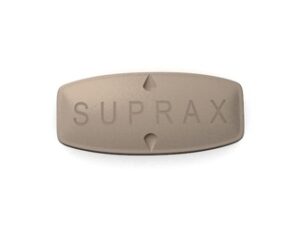
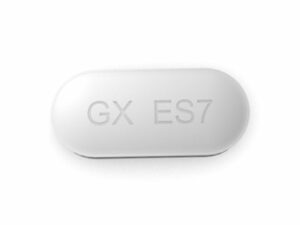
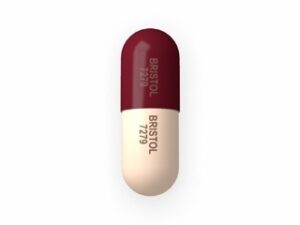
Nitrofurantoin belongs to the class of antibiotics known as nitrofurans. In Australia, you may see nitrofurantoin tablets or capsules under different brands and formulations. Products may differ in how they release the medicine (for example, immediate-release vs modified-release forms), which can affect dosing timing and how often doses are taken.
What it’s used for
Nitrofurantoin is mainly used for infections limited to the bladder and lower urinary tract. It is generally not chosen for infections that may involve the kidneys (such as pyelonephritis) or for complicated infections, unless a clinician specifically determines it is appropriate.
How nitrofurantoin works (mechanism of action)
Nitrofurantoin is converted inside certain bacteria into reactive compounds. These compounds interfere with bacterial processes vital for survival, including:
- Damaging bacterial DNA
- Disrupting proteins and other cellular functions
- Reducing the ability of bacteria to repair themselves
Because it acts through multiple mechanisms, nitrofurantoin can be effective against many common urinary bacteria.
Pharmacokinetics: what the body does with nitrofurantoin
Pharmacokinetics describes absorption, distribution, metabolism, and elimination. With nitrofurantoin, several features are especially relevant to its use in UTIs.
Absorption
Nitrofurantoin is absorbed from the gastrointestinal tract. Food can influence absorption and tolerability for many formulations. Taking nitrofurantoin with food often improves how much medicine reaches the bloodstream and helps reduce stomach upset.
Distribution
Nitrofurantoin achieves relatively high concentrations in urine compared with many other body tissues. This helps target infection in the bladder area.
Metabolism
The medicine is partially metabolised by the liver and other tissues. The exact extent varies between individuals.
Excretion
Nitrofurantoin is eliminated primarily through the kidneys. Kidney function therefore plays a key role in whether the medicine can work effectively and safely. If kidney function is reduced, drug levels in urine may be lower and the risk of side effects may increase.
Typical use and indications
Nitrofurantoin may be used for:
- Uncomplicated urinary tract infections (most often bladder infections—cystitis)
- Prevention of recurrent UTIs in selected individuals (for example, in strategies aimed at reducing repeated infections)
- Ongoing management plans when it is determined to be an appropriate choice based on local resistance patterns and individual factors
Your prescriber may also consider other factors such as urine culture results, allergy history, pregnancy status, kidney function, and the likelihood of other types of infection.
How to take nitrofurantoin: dosing and timing
Dosing depends on the specific formulation and the reason for taking it (treatment vs prevention). Follow the dosing instructions supplied with your product. If you are unsure, check with a pharmacist.
General timing guidance
- Take doses at evenly spaced times during the day when possible.
- Finish the full course even if symptoms improve quickly.
- Take with food (often recommended) — unless your product instructions say otherwise. This can improve absorption and reduce nausea.
- Swallow whole if your product is in tablet/capsule form designed to be swallowed.
Missed dose
If you miss a dose, take it as soon as you remember unless it’s close to the next dose. Do not take two doses together to make up for a missed one.
Example dosing patterns (for general understanding)
Because formulations differ, these are examples only and do not replace the dosing instructions for your exact product:
- Some regimens involve taking nitrofurantoin twice daily for a short treatment course.
- Other regimens may involve four times daily depending on the formulation and treatment plan.
- Prevention regimens may be lower-dose schedules at different intervals.
Taking nitrofurantoin with food
Food interactions with nitrofurantoin are mainly about improving absorption and reducing gastrointestinal side effects. Many people find taking nitrofurantoin with meals more comfortable.
- With food: often recommended to improve tolerability and absorption.
- With milk or yoghurt: usually acceptable, but avoid changing your diet substantially just to “test” tolerance.
- Alcohol-free comfort: if nausea occurs, meal timing can help. Speak to a pharmacist if side effects persist.
Alcohol and medicine interactions
Nitrofurantoin is not well-known for severe direct alcohol interactions. However, alcohol can worsen dehydration and irritation of the bladder, which may make UTI symptoms feel worse and can add to side effects such as nausea, dizziness, or fatigue.
Practical advice
- Limit or avoid alcohol while you’re treating a UTI if possible.
- Drink enough fluids (unless you have fluid restrictions due to other conditions).
- If you drink alcohol, do so moderately and monitor how you feel.
Other medicine interactions (common considerations)
Interactions can change how well nitrofurantoin works or increase the risk of side effects. It’s important to review your full list of medicines and supplements with a pharmacist.
Medicines and conditions that may be relevant
- Medicines that affect the kidneys: because nitrofurantoin relies on kidney function for safe elimination.
- Probenecid and similar medicines: may reduce kidney clearance of nitrofurantoin and increase adverse effects.
- Antacids or gastrointestinal remedies: generally not major problems for nitrofurantoin, but product-specific advice can vary; ask a pharmacist if you use them regularly.
- Other antibiotics: choice matters; switching or combining antibiotics may be considered based on the infection and culture results.
Herbal supplements and non-prescription products
Herbal and complementary products can also interact. If you use supplements (for example, urinary tract “support” products), check with a pharmacist so the interaction risk is assessed.
Safety profile: side effects and warnings
Most people tolerate nitrofurantoin well when used appropriately. However, it can cause side effects, and in rare situations it may cause serious reactions. The information below is a guide; seek medical help if symptoms are concerning.
Common side effects
- Nausea and stomach discomfort
- Diarrhoea (usually mild)
- Headache or dizziness
- Changes in urine colour (can appear darker)
Less common but important adverse effects
- Lung (respiratory) reactions including shortness of breath, persistent cough, or chest pain (more likely with prolonged use)
- Liver problems such as yellowing of the skin/eyes, dark urine, severe fatigue, or right-sided upper abdominal pain
- Blood-related effects (rare), which may cause unusual bruising, infections, or persistent sore throat
- Nerve-related symptoms such as numbness, tingling, or burning pain (uncommon)
- Allergic reactions including rash, hives, facial swelling, or breathing difficulties
Who should take extra care
Risk can increase in certain circumstances. Your clinician/pharmacist will consider factors such as kidney function, history of lung or liver problems, and overall health.
- Reduced kidney function: nitrofurantoin may not be suitable if kidneys cannot eliminate it effectively.
- History of serious nitrofurantoin reactions: avoid repeat exposure if you’ve had severe reactions.
- Prolonged use (for prevention): requires closer monitoring for rare lung or liver effects.
- Late pregnancy: nitrofurantoin is generally avoided around delivery due to specific risks to the newborn. Early pregnancy decisions require clinician assessment.
When to seek urgent medical help
Contact urgent medical services or seek emergency care if you experience:
- Difficulty breathing, wheezing, or swelling of the face/lips
- Severe skin reactions, blistering, or widespread rash with fever
- Yellowing of the skin/eyes (jaundice), severe abdominal pain, or dark urine
- Persistent cough, chest pain, or worsening shortness of breath
Practical use tips for best results
Nitrofurantoin is most effective when used correctly. These practical tips can help you recover comfortably and reduce the chance of persistent or recurrent symptoms.
Start early when appropriate
UTIs can worsen if bacteria continue to grow. If you have symptoms such as burning when urinating, frequent urges to urinate, or lower abdominal discomfort, getting timely advice helps select the most appropriate treatment.
Complete the course
Even if symptoms improve within 1–2 days, the bacteria may not be fully cleared. Finishing the prescribed regimen reduces the likelihood of relapse.
Hydration and bladder comfort
- Drink water regularly throughout the day (unless you’ve been told to restrict fluids).
- Avoid bladder irritants if they worsen symptoms (for some people this includes caffeine and very acidic drinks).
- Warm packs over the lower abdomen may help discomfort.
Watch for “not improving” signs
If symptoms do not start improving within a couple of days, or if they worsen, you may need re-assessment. Persistent symptoms can indicate an incorrect diagnosis, resistant bacteria, or an infection that has moved beyond the bladder.
Prevent recurrence (where applicable)
- Urinate soon after sex when UTIs are linked to sexual activity (as advised).
- Maintain good hydration.
- Discuss prevention strategies with a pharmacist or clinician if you have recurrent UTIs.
When nitrofurantoin may not be suitable
Nitrofurantoin is generally chosen for lower urinary tract infections. It may be less suitable when:
- You may have kidney involvement (for example, fever, flank/back pain, feeling very unwell).
- Your urine infection is complicated by factors such as structural urinary issues, catheter-related infections, or certain chronic conditions.
- You have significant renal impairment making urinary levels inadequate or increasing side effects.
- You have a history of severe reactions to nitrofurantoin.
If you develop fever, shaking chills, back/flank pain, or persistent vomiting, seek medical care promptly. These symptoms may suggest a more serious infection.
Alternative options for UTI treatment
The best alternative depends on the type of infection, local bacterial resistance patterns, your medical history, kidney function, pregnancy status, and any previous antibiotic exposure.
Common alternatives (examples)
- Trimethoprim (or trimethoprim-sulfamethoxazole in some settings), if appropriate to local resistance and individual factors
- Cephalosporins (such as cephalexin) for certain uncomplicated UTIs
- Fosfomycin may be an option in some regions/clinical situations
- Other antibiotics guided by urine culture results when needed
A pharmacist can explain why one antibiotic may be preferred over another for your situation and how to minimise treatment-related side effects.
Market and legal context for Australia
In Australia, nitrofurantoin-containing products are regulated under the national medicines framework. Antibiotics are supplied according to Australia’s scheduling and dispensing rules. Availability, brand names, and formulation strengths may vary between products and pharmacies.
Australia places strong emphasis on appropriate antibiotic use to reduce resistance. Local guidelines and antimicrobial stewardship initiatives support selecting the right antibiotic, correct dose, and adequate duration for the likely infection type.
Recent guidance and antimicrobial stewardship (general)
Recommendations for UTIs can evolve based on resistance trends and emerging safety information. In general, guidance emphasises:
- Using antibiotics only when they are likely to benefit (based on symptoms and clinical assessment)
- Choosing first-line options for uncomplicated lower UTIs when appropriate
- Re-assessing if symptoms don’t improve
- Taking the correct duration and dose to reduce relapse and resistance
- Reviewing suitability in special populations (for example, kidney impairment and pregnancy)
Your pharmacist may be able to advise on current local practice, including the importance of urine testing in recurrent or complicated cases.
Delivery and availability
Many online pharmacies in Australia can deliver nitrofurantoin products to eligible customers. Stock availability can vary by brand and formulation strength. Delivery times may differ depending on location (metropolitan vs regional areas) and the carrier used.
- Check product page details for estimated dispatch and delivery timeframes.
- Keep medicines in original packaging and store as directed on the label.
- Plan ahead if you need repeat doses (especially if delivery is not same-day).
If you need urgent treatment, it may be safer to contact a local pharmacy for immediate supply options.
Storage and handling
Follow the storage instructions on your specific pack. In general:
- Keep medicines in a cool, dry place, protected from excessive moisture and heat.
- Store out of reach of children.
- Do not use after the expiry date shown on the package.
FAQ about nitrofurantoin
1. How quickly should nitrofurantoin start working?
Many people notice improvement in urinary burning and frequency within 24–48 hours. If there’s no improvement after a couple of days, or if symptoms worsen, contact a pharmacist or clinician for advice.
2. Can I continue normal activities while taking it?
Yes, most people can continue daily activities. If you feel unwell, dizzy, or develop side effects, take rest and avoid activities that require full alertness until you feel better.
3. Should I drink extra water while on nitrofurantoin?
Drinking fluids can help support comfort and hydration. Unless you have a medical reason to restrict fluids, aim for regular water intake.
4. What if my symptoms come back after I finish the antibiotic?
Recurrence can happen for different reasons, including incomplete bacterial clearance, resistant bacteria, or a different diagnosis. Seek advice promptly, especially if symptoms return quickly or you have recurrent UTIs.
5. Is nitrofurantoin safe during pregnancy?
Pregnancy requires individual assessment. Nitrofurantoin is generally avoided near delivery due to specific newborn risks, while earlier pregnancy decisions depend on the overall situation and benefits vs risks. Discuss with your healthcare professional.
6. Can I take nitrofurantoin with other medications?
Many medicines can be taken together, but some interactions matter—particularly those affecting kidney function. It’s best to check with a pharmacist if you’re unsure, especially if you take medicines like probenecid or have kidney-related conditions.
7. Does alcohol make it less effective?
Alcohol is not known to reduce nitrofurantoin effectiveness directly, but it can worsen dehydration and may increase side effects. Limiting alcohol during treatment is generally sensible.
8. Are there foods I should avoid?
There are no specific foods that universally must be avoided. However, nitrofurantoin is often better tolerated when taken with food. If your stomach is sensitive, choose meals that suit you and take your dose with food as advised.
9. What should I do if I experience side effects?
Mild side effects like nausea may improve by taking doses with food. If side effects are persistent, severe, or you notice signs of allergy, liver problems, or breathing issues, seek medical help promptly.
10. Why does kidney function matter for nitrofurantoin?
Nitrofurantoin is eliminated through the kidneys and should reach the urinary tract in adequate amounts. Reduced kidney function can lower urinary concentrations and increase the likelihood of side effects—so suitability needs to be assessed.
Important reminder
This information is intended to help you understand nitrofurantoin. It does not replace advice from a pharmacist or clinician for your individual situation. If you have concerns about suitability, interactions, or symptoms that are not improving, contact a healthcare professional for guidance.