

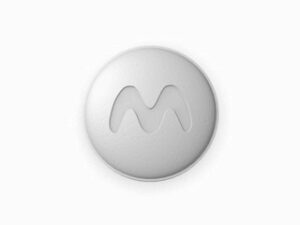
Glycomet (Metformin) — Patient Information (Australia)
Glycomet is a brand of metformin, a medicine widely used to help manage blood glucose (sugar) levels in people with type 2 diabetes. It works by improving how your body uses glucose and by reducing the amount of glucose your liver releases into the bloodstream. For many people in Australia, metformin is a first-choice medicine because it is effective, well studied, and generally causes weight neutrality or modest weight loss.
This guide is written in a patient-friendly way to help you understand how Glycomet works, how to take it safely, and what to watch for. If you have specific questions about your condition, other medicines, or side effects, speak with a healthcare professional.
Basic product information
- Medicine: Glycomet
- Active ingredient: Metformin (commonly metformin hydrochloride)
- Uses: Type 2 diabetes (and, in some situations, other glucose-related indications as advised by a clinician)
- Common strengths: Available in different strengths depending on the product form and market listing
- Important note: Different formulations exist (e.g., immediate-release and modified/extended-release). Always check your specific product label and follow the dosing instructions for that formulation.
How Glycomet works (mechanism of action)
Metformin lowers blood glucose through several coordinated actions:
- Reduces liver glucose production: It helps decrease the amount of glucose released by the liver, especially between meals and overnight.
- Improves insulin sensitivity: It makes body tissues (particularly muscle) respond better to insulin, so glucose is taken up and used more effectively.
- Decreases intestinal glucose absorption: It may reduce some glucose absorption from the gut.
- Supports healthier metabolic balance: Metformin is associated with improved metabolic markers and may help reduce appetite-related glucose spikes in some people.
What to expect: Glycomet helps control blood sugar over time. It is not usually a “quick fix” for short-term spikes; instead, it gradually improves fasting and overall glucose levels, contributing to better long-term outcomes (e.g., lowering risk of diabetes complications when combined with lifestyle measures).
Pharmacokinetics (how your body processes it)
Pharmacokinetics describes absorption, distribution, metabolism, and elimination.
- Absorption: Metformin is absorbed mainly in the gastrointestinal tract. Food can affect absorption speed and intensity, which is why timing with meals matters for tolerability.
- Distribution: It reaches tissues and is not extensively metabolised by the liver.
- Metabolism: Metformin is largely excreted unchanged.
- Excretion: It is cleared by the kidneys. This is an important reason why kidney function affects dosing and safety.
- Onset and duration: Blood sugar improvements typically develop over days to weeks. For long-term control, dosing must be consistent.
Kidney function is key: If kidney function declines, metformin can accumulate, increasing the risk of rare but serious side effects. Your clinician may request blood tests (e.g., eGFR/creatinine) before starting and periodically while taking it.
Typical use in Australia
Glycomet (metformin) is commonly used for type 2 diabetes. It may be used:
- As monotherapy (alone) when lifestyle changes and/or initial glucose control require medication
- In combination therapy with other glucose-lowering medicines if blood glucose targets are not met
- When weight management is important, since metformin is not typically associated with weight gain
Some patients may also be advised metformin for other metabolic conditions related to insulin resistance, depending on clinical assessment. Your treatment plan should always be tailored to you.
Indications (when it’s used)
In general, metformin is indicated for:
- Type 2 diabetes mellitus to improve glycaemic control, in adults (and in certain age groups depending on product approvals and local guidelines)
Specific indications and age approvals can vary by product formulation and Australian regulatory listings. Always rely on the label and your prescriber’s advice for your exact situation.
How to take Glycomet: timing and dosing
General timing principles
- Take with food to reduce stomach upset (gastrointestinal side effects).
- Follow your dosing schedule closely and keep doses spaced as directed.
- Do not change formulation (e.g., switch from one brand or release type to another) without confirming the same dosing instructions apply.
- Use consistent daily times to help maintain stable blood glucose control.
Starting and titrating the dose
To improve tolerance, metformin is often started at a lower dose and increased gradually. Your clinician may increase your dose based on your blood glucose results and side effects.
Typical dosing approach (general guidance)
Because metformin has different formulations and strengths, dosing schedules differ. The most accurate information is on your product label and the instructions provided by your healthcare professional.
| Stage | What’s commonly done | Why |
|---|---|---|
| Start | Lower dose once daily or divided doses, usually with meals | Helps reduce nausea, diarrhoea, and abdominal discomfort |
| Titrate | Gradual increase every 1–2 weeks or as advised | Balances better glucose control with tolerability |
| Maintenance | Ongoing dose that achieves your glucose targets | Supports long-term diabetes control |
If you miss a dose
- Take it when you remember unless it’s close to the time for your next dose.
- Do not double the dose to make up for a missed one.
- If you’re unsure, check your label or contact a pharmacist.
Practical tips for easier use
- Consider taking doses with the first bite of a meal.
- If you experience upset stomach, talk to your pharmacist about whether dose timing or formulation changes may help (never adjust without guidance).
- Keep track using a routine (pillbox, phone reminders) so doses aren’t missed.
Food interactions (what to know)
Food can affect metformin absorption and tolerability. Key points:
- Taking with meals reduces side effects for many people, especially during the first weeks.
- Consistent meal patterns may improve glucose stability.
- There are no special “forbidden foods” in typical metformin use, but a balanced diabetic meal plan remains essential.
Special caution: If you’re eating very little or are fasting (e.g., during illness), glucose-lowering medicines still need careful management. Seek guidance from your healthcare professional during periods of reduced intake.
Alcohol and medicine interactions
Alcohol can increase the risk of lactic acidosis, a rare but serious medical emergency associated with metformin accumulation and certain risk factors. For safety:
- Avoid binge drinking.
- Be cautious with heavy alcohol intake.
- If you have liver disease, frequent heavy drinking, or episodes of dehydration, discuss metformin safety with your doctor.
When to seek urgent help: If you take metformin and develop severe illness symptoms (e.g., vomiting, dehydration, deep/rapid breathing, unusual muscle pain, extreme tiredness), seek urgent medical assistance immediately.
Other medicine interactions (important)
Metformin can interact with other medicines through effects on kidney function or glucose levels. Always inform your pharmacist or healthcare provider about all medicines and supplements you use.
Medicines that can increase metformin levels (kidney-related)
- Some medicines that affect kidney blood flow or function (your clinician can advise based on your medication list)
- Contrast dye (iodinated contrast) used in certain scans may require temporary withholding in specific situations, especially if kidney function is reduced
Medicines that may alter blood glucose
- Medicines that also lower blood glucose (e.g., insulin or sulfonylureas) can increase the risk of hypoglycaemia when combined. Metformin alone is less likely to cause hypoglycaemia, but combination therapy may.
Common practical advice
- Review your medication list regularly, especially when starting new medicines.
- Ask your pharmacist whether any of your medicines require extra caution with metformin.
Do not stop metformin abruptly unless a clinician advises you to—stopping may worsen glucose control. However, you may be advised to temporarily pause during certain acute illnesses or before specific procedures; follow professional guidance.
Safety profile: side effects and warnings
Common side effects
Most people tolerate metformin well, but common effects—especially when starting—include:
- Gastrointestinal symptoms: nausea, diarrhoea, stomach discomfort, bloating
- Metallic taste in some patients
- Reduced appetite (often mild and temporary)
Tips to reduce GI effects: Take with meals, consider slow dose increases (as advised), and stay hydrated. If symptoms are persistent or severe, contact a pharmacist or clinician.
Less common but important risks
- Vitamin B12 deficiency: Long-term metformin use can lower B12 levels in some people. Your clinician may test levels if you have symptoms such as numbness/tingling, weakness, or unusual tiredness.
- Kidney function changes: Since metformin is cleared by the kidneys, kidney impairment requires monitoring and sometimes dose adjustment or stopping.
- Lactic acidosis (rare): A serious condition. Risk increases with severe kidney impairment, dehydration, severe infection, heavy alcohol use, or low oxygen states (e.g., certain heart/lung conditions). Seek urgent care if you suspect it.
Signs that need urgent medical attention
If you experience symptoms suggestive of lactic acidosis or severe illness—particularly if you are dehydrated, vomiting, or unable to eat—seek urgent medical help.
- Severe weakness or unusual tiredness
- Deep, rapid breathing
- Unusual muscle pain
- Severe abdominal pain or persistent vomiting
- Drowsiness or dizziness not typical for you
Special populations
- Kidney impairment: Dose may need adjustment based on eGFR. Your doctor will advise based on recent kidney blood tests.
- Elderly: Kidney function should be assessed regularly; dehydration risk is higher.
- Pregnancy and breastfeeding: Management of diabetes in pregnancy requires individual assessment. Discuss appropriate options with your healthcare team.
Practical use tips (getting the best results)
- Pair medicine with lifestyle changes: Metformin works best alongside healthy eating, physical activity, and weight management as advised.
- Monitor glucose as recommended: Use your home blood glucose meter or continuous glucose monitoring (if prescribed) according to your plan. Review results with your clinician.
- Know your targets: Ask what fasting and post-meal targets you should aim for.
- Stay hydrated: Dehydration can worsen kidney function and increase risk of complications.
- Keep appointments for blood tests: Kidney function and other monitoring are important.
- Watch for B12 symptoms: If you notice tingling, numbness, balance problems, or persistent fatigue, request evaluation.
What to do during illness (“sick day” approach)
When you’re unwell—especially with vomiting, diarrhoea, fever, or reduced intake—metformin decisions may be needed to reduce risk of dehydration and lactic acidosis. Many clinicians advise a temporary pause during certain acute illnesses. Because guidance varies by risk level, seek advice promptly.
- Contact your healthcare professional if you are unable to keep food or fluids down.
- Monitor glucose more frequently during illness (if you can).
- Restart only when you’re eating and drinking normally and your clinician advises it.
Alternative options
If Glycomet/metformin isn’t suitable due to intolerance, contraindications, or inadequate glucose control, there are other glucose-lowering options. Your clinician will tailor alternatives to your health profile, kidney function, cardiovascular risk, and preferences.
Common alternatives/add-ons (examples)
- Other oral medicines (e.g., different classes such as sulfonylureas, DPP-4 inhibitors, SGLT2 inhibitors, thiazolidinediones, depending on your situation)
- Injectable medicines (e.g., GLP-1 receptor agonists or insulin, depending on clinical needs)
- Lifestyle-focused programmes (nutrition therapy, physical activity, weight management)
Important: Options depend on your age, kidney function, heart health, weight goals, and side effect profile. Discuss benefits and risks with a healthcare professional.
Australia: market and legal context (overview)
In Australia, medicines are supplied under the Australian regulatory framework administered by the Therapeutic Goods Administration (TGA). Metformin products are widely available and are used as part of standard diabetes management.
Online pharmacy listings typically provide product information and support services in line with Australian regulations and pharmacy practice standards. Supply and counselling requirements may differ depending on product scheduling, patient eligibility, and the service model. Always follow instructions on product labels and any advice provided by a pharmacist.
Professional support: Pharmacists can help with dosing questions, side effect management, interaction checks, and planning for monitoring (e.g., kidney function and B12 testing). If you’re unsure whether Glycomet is appropriate for you, seek advice.
Recent guidance and updates (what matters for patients)
Diabetes care evolves as evidence develops. In recent years, Australian and international guidance has emphasised:
- Individualised treatment targets and risk-based selection of medicines
- Regular kidney function assessment for medicines affected by renal clearance
- Awareness of lactic acidosis risk factors in people with dehydration, severe illness, or significant renal impairment
- B12 monitoring for long-term metformin use, particularly if symptoms occur or risk is higher
- “Sick day” safety education to prevent complications
Your care team may update your dosing, monitoring frequency, or combination medicines based on your test results and overall health.
Delivery and availability (online pharmacy)
Glycomet/metformin may be available through accredited Australian pharmacies and online pharmacy services. Availability can vary by strength and formulation (e.g., immediate-release vs modified/extended-release).
- Ordering: Choose the correct strength and form matching your prescribed or recommended regimen.
- Stock levels: Online retailers may show real-time availability; backorders can occur for certain strengths.
- Delivery: Delivery timeframes depend on your location and courier service. Many pharmacies offer standard and express options.
- Packaging: Medicines are typically supplied in manufacturer packaging with clear product information.
Tip: Keep your original box or label so you can confirm strength, release type, and dosing instructions if questions arise later.
FAQ — Glycomet (metformin)
1) What is Glycomet used for?
Glycomet (metformin) is used to improve blood glucose control in type 2 diabetes. It may be used alone or with other diabetes medicines based on your glucose levels and risk factors.
2) When should I take Glycomet?
In general, metformin should be taken with food to reduce stomach side effects. Your exact timing depends on whether your product is immediate-release or modified/extended-release. Follow your label instructions.
3) How long does it take to work?
Some glucose improvement can occur within days, but meaningful changes are usually assessed over weeks (often using HbA1c and glucose monitoring). Continue taking it consistently.
4) Can I drink alcohol while taking metformin?
Alcohol can increase the risk of serious complications such as lactic acidosis, especially with heavy or binge drinking, dehydration, or certain health conditions. Keep intake low and avoid binge drinking. If you’re unsure, ask your pharmacist.
5) Does metformin cause hypos (low blood sugar)?
Metformin alone is less likely to cause hypoglycaemia. However, if taken with other glucose-lowering medicines (like insulin or sulfonylureas), the risk can be higher.
6) What side effects are most common?
The most common side effects are gastrointestinal (nausea, diarrhoea, abdominal discomfort), especially when starting or increasing the dose.
7) What if I miss a dose?
Take it when you remember unless it’s near your next dose. Do not double. If you’re uncertain, check your product label or ask a pharmacist.
8) Will metformin affect my kidneys?
Metformin is cleared by the kidneys. If kidney function is reduced, metformin levels can rise. This is why kidney blood tests (e.g., eGFR) are important and dosing may be adjusted.
9) Is it safe to take during an infection or when I’m dehydrated?
During significant illness—especially with vomiting, diarrhoea, fever, or dehydration—you may need medical advice about whether to pause metformin temporarily. Seek prompt guidance and focus on hydration.
10) Are there alternatives if I can’t tolerate metformin?
Yes. If metformin causes troublesome side effects or doesn’t control glucose adequately, your clinician may recommend other medicines or a modified formulation. Alternatives depend on your health and treatment goals.
Summary
Glycomet (metformin) is a cornerstone medicine for many people living with type 2 diabetes in Australia. It lowers blood glucose primarily by reducing liver glucose output and improving insulin sensitivity. For best results and comfort, take it with food, follow a gradual dose plan if you’re starting, and keep up with recommended monitoring—especially kidney function and, for long-term use, possible vitamin B12 checks.
If you have questions about your specific dosing, potential interactions, or what to do during illness, a pharmacist or healthcare professional can help you make a safe plan.