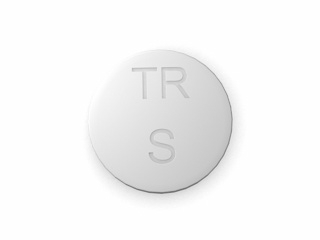
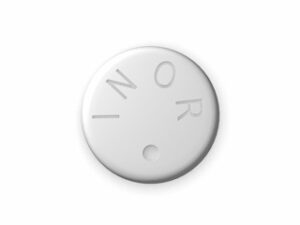

Desogen (Desogestrel / Ethinyl Estradiol) — Patient Information (Australia)
Desogen is a combined oral contraceptive (COC) containing two hormones: desogestrel and ethinyl estradiol. It is used to prevent pregnancy and, for some people, may also help regulate menstrual bleeding. This page explains how Desogen works, how to take it safely, what to expect, and how to recognise when to seek advice.
Always read the consumer medicine information (CMI) supplied with your product and consult a healthcare professional if you have questions—especially if you have other medical conditions or take other medicines.
Quick facts
- Medicine: Desogen (desogestrel / ethinyl estradiol)
- Type: Combined oral contraceptive (pill)
- Common uses: Pregnancy prevention (contraception); may help with cycle regularity
- How taken: Usually once daily at the same time
- Key safety note: Some people should not take combined pills due to increased risk of blood clots
Basic product information
Active ingredients: Desogestrel and Ethinyl estradiol
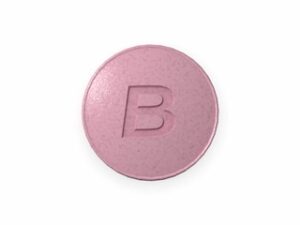
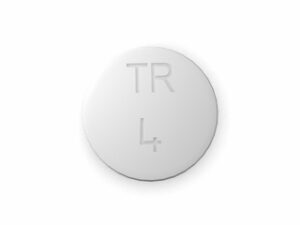
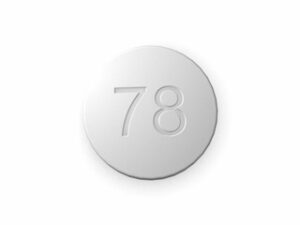
How it is usually supplied: Oral tablets in a programmed cycle (commonly 21 active tablets followed by 7 days with no tablets or placebo, depending on the specific pack).
Hormonal content: Ethinyl estradiol is the oestrogen component; desogestrel is the progestogen component.
Note: Exact tablet numbers and schedule can vary by presentation. Always follow your pack instructions and/or the directions given by your pharmacist or clinician.
How Desogen works (mechanism of action)
Desogen prevents pregnancy mainly by stopping ovulation. It also changes the cervical mucus and affects the endometrium, which makes it harder for sperm to reach an egg and for a fertilised egg to implant.
- Suppresses ovulation: Combined hormones help prevent the release of an egg.
- Thickens cervical mucus: This can reduce sperm passage through the cervix.
- Alters the uterine lining: Changes to the endometrium can reduce the likelihood of implantation.
Pharmacokinetics (how the body handles it)
While the exact values may vary between individuals, the general behaviour of combined oral contraceptives is well understood. The hormones are absorbed from the gut, metabolised primarily in the liver, and excreted as metabolites through urine and bile.
Absorption
Ethinyl estradiol and desogestrel are absorbed after oral administration. Peak blood levels occur within a few hours after taking a dose. Taking the tablet around the same time each day helps keep hormone levels relatively steady.
Distribution
The hormones circulate in the blood bound to proteins. Ethinyl estradiol is highly protein-bound, contributing to its stable circulating levels over the dosing interval.
Metabolism
Both components are metabolised in the liver. Some metabolites may be pharmacologically active. Liver enzyme activity can influence hormone levels, which is why certain interacting medicines (e.g., enzyme inducers) can reduce contraceptive effectiveness.
Elimination
The metabolites are eliminated mainly via the kidneys and through the gastrointestinal tract. The overall elimination contributes to the “steady state” achieved with daily dosing.
Typical uses and indications
Main indication
Contraception: Desogen is used to prevent pregnancy.
Additional benefits (for some people)
- More regular withdrawal bleeds (the bleed that occurs during the hormone-free or placebo days)
- Reduced menstrual discomfort for some users
- Less heavy or painful periods in some cases
These benefits vary. If you take Desogen to manage symptoms like heavy bleeding, persistent pain, or acne, speak with a clinician to confirm it is suitable for your situation.
How to take Desogen (dosing & timing)
General dosing guidance
Desogen is taken once daily. Choose a time you can reliably remember (e.g., after breakfast or at bedtime). Taking at the same time each day helps maintain contraceptive effectiveness.
Starting the first pack
Starting methods can differ depending on when you begin relative to your menstrual cycle. Follow the instructions in your pack or CMI. In general, healthcare professionals may advise:
- Start on the first day of bleeding: often provides immediate contraceptive protection.
- Start at other times: may require an additional period of condom use to ensure protection.
During the pack
- Take one active tablet daily.
- Continue the hormone-free (or placebo) days as scheduled, even if bleeding has not started.
Missed tablets (important)
Missing pills can increase the risk of pregnancy. The correct action depends on how many tablets are missed and where you are in the pack. Always refer to the CMI “missed dose” instructions provided with your product.
Practical tip: If you are unsure what to do after a missed dose, treat it as a higher risk situation and seek advice. A barrier method such as condoms may be needed until you resume reliable pill-taking and protection is re-established.
What to do if you vomit or have severe diarrhoea
If vomiting occurs soon after taking a tablet, your body may not fully absorb it. The CMI may advise treating the tablet as missed. Severe or prolonged diarrhoea can also affect absorption. If this happens, follow the CMI guidance and consider backup contraception.
Timing, when to expect bleeding, and what is normal
Withdrawal bleeding typically occurs during the hormone-free or placebo days. However, many people experience:
- Spotting or breakthrough bleeding, especially in the first few months
- Changes in bleeding pattern as your body adjusts
- Occasional missed withdrawal bleed, which can happen even when pills are taken correctly
If you have missed withdrawal bleeding and there is a possibility pills were missed, take a pregnancy test and seek advice. Persistent or heavy bleeding should also be assessed.
Food interactions
Food usually does not significantly affect how combined oral contraceptives work. You can take Desogen with or without food.
- If you experience vomiting after taking a tablet, it may reduce absorption—follow missed-pill guidance.
- If you have severe diarrhoea, contraceptive effectiveness may be reduced.
If you develop stomach illness that lasts more than a day, it is wise to use condoms until you are able to take pills reliably again, based on the CMI advice.
Alcohol and medicine interactions
Alcohol
Moderate alcohol intake does not typically reduce the contraceptive effectiveness of combined oral contraceptives directly. However, alcohol may indirectly affect effectiveness if it causes you to forget doses.
- Tip: Use a reminder system if you drink alcohol socially.
- Vomiting: If heavy drinking causes vomiting soon after taking your pill, follow missed-dose guidance.
Medicine interactions (very important)
Some medicines can reduce contraceptive effectiveness by affecting hormone metabolism, and some can increase side effects. Always tell your pharmacist or clinician about all medicines you take—including herbal products.
Examples of medicines that may interact (not exhaustive):
- Enzyme-inducing medicines used for epilepsy or certain infections (can reduce pill effectiveness)
- Some medicines for HIV or tuberculosis
- St John’s wort (herbal remedy) may reduce effectiveness
- Certain antibiotics can occasionally affect bleeding patterns; the key concern is whether they alter hormone levels
If you start, stop, or change any interacting medicine, ask specifically about: contraceptive protection, backup contraception, and how long to use condoms after.
Safety profile and who should avoid Desogen
Combined pills like Desogen contain an oestrogen component, which can increase the risk of blood clots (venous thromboembolism) and, less commonly, arterial clot events such as stroke or heart attack. The absolute risk is still relatively low for most healthy people, but it is higher for those with risk factors.
Seek medical advice urgently if you have symptoms of a blood clot
- Leg pain or swelling (often one-sided), warmth, or redness
- Sudden shortness of breath or coughing blood
- Chest pain or pressure
- Severe sudden headache, vision changes, difficulty speaking, or weakness/numbness
People who generally should not use combined oral contraceptives
Suitability depends on individual health. Combined pills may be inappropriate if you have (or have had) certain conditions, for example:
- A history of blood clots (DVT/PE) or known clotting disorder
- Migraine with aura (some clinicians advise against combined pills)
- Uncontrolled high blood pressure
- Ischaemic heart disease or previous stroke
- Severe liver disease
- Some cancers that are hormone-sensitive
- Postpartum early after childbirth (timing matters)
- Smoking combined with age over certain thresholds (risk increases)
Your pharmacist or clinician can help confirm whether Desogen is suitable for you based on your medical history.
Common side effects
- Nausea or mild stomach upset
- Breast tenderness
- Headache
- Changes in bleeding pattern (spotting, irregular bleeding)
- Mood changes or reduced/changed libido in some people
- Fluid retention
Many side effects improve after the first 2–3 months as your body adjusts. Persistent or bothersome symptoms should be reviewed.
Less common but serious risks
- Blood clots (DVT/PE) and related complications
- Stroke or heart attack (rare but serious)
- Some people may experience changes in blood pressure or worsening of certain conditions
Practical use tips to get the best results
- Pick a consistent time: Take your pill at the same time every day.
- Use reminders: Smartphone alarms or calendar reminders can reduce missed doses.
- Keep a spare pack: Helps avoid missed doses if you run out unexpectedly.
- Plan for travel: Time zone changes can affect timing—ask for advice if you travel often.
- Manage missed pills promptly: Follow the CMI guidance and use condoms if advised.
- Don’t skip placebo/hormone-free days: Keeping the schedule helps maintain routine and bleeding pattern.
- Monitor bleeding changes: Spotting is common early; heavy or persistent bleeding should be assessed.
- Pregnancy testing: If you missed pills or missed withdrawal bleeding, test for pregnancy.
Alternatives to Desogen
Desogen is one option among contraceptives. Alternative choices may be better depending on your health profile, preference, side effect tolerance, and lifestyle.
Other combined oral contraceptives
- Other pills with different progestogens or oestrogen doses
Progestogen-only options
- Progestogen-only pill (POP)
- Hormonal implant
- Injection (commonly every few months)
- Hormonal IUD
Non-hormonal options
- Copper IUD
- Barrier methods (e.g., condoms)
A clinician or pharmacist can help you choose based on personal health risks (including clot risk), menstrual goals, and interaction profile with your other medicines.
Market and legal context for Australia
In Australia, contraceptive medicines are regulated by the Therapeutic Goods Administration (TGA) and available through appropriate healthcare pathways. Supply and dispensing may involve processes consistent with Australian medicines legislation, including classification, prescriber requirements (where applicable), and dispensing protocols.
Availability can vary by brand, pack size, and formulation. Pharmacy websites may display information and patient resources to support safe use.
If you are switching brands or formulations, note that pill schedules may differ and you should follow the correct instructions for your specific pack.
Recent guidance & best-practice considerations
Guidance for combined oral contraceptive use continues to emphasise patient safety and interaction checks. Key best-practice themes include:
- Assess clot risk: Review personal and family history, smoking status, migraine type, and blood pressure.
- Check interactions: Confirm whether new or ongoing medicines (including herbal products) affect effectiveness.
- Support correct adherence: Encourage consistent daily timing and clear missed-dose plans.
- Review bleeding concerns: Persistent abnormal bleeding should be medically assessed.
Always follow the most current advice provided in the product’s CMI and consult healthcare professionals for personalised guidance.
Delivery and availability in Australia
Desogen may be available through Australian pharmacies and pharmacy delivery services depending on stock levels and scheduling. Delivery times can vary by location and courier provider.
- Availability: Subject to supply and regional demand.
- Delivery estimates: Provided at checkout or by the retailer.
- Packaging: Usually supplied in original manufacturer packaging.
- Expiry checks: Reputable retailers typically supply non-expired stock.
If you need urgent contraception advice due to missed pills or unprotected sex, contact a healthcare provider promptly (options may be time-sensitive).
Frequently Asked Questions (FAQ)
1) How quickly does Desogen work?
How quickly it works depends on when you start the first pack and your cycle timing. If you start on the recommended day in the pack instructions, protection may be immediate; if you start at another time, you may need backup contraception for a short period. Refer to your pack’s starting instructions or ask your pharmacist.
2) What should I do if I miss a dose?
Follow the missed-dose directions in the Desogen CMI, which depend on how many tablets you missed and where you are in the cycle. If you are unsure, use condoms and seek advice. Your pharmacist can provide the specific guidance for your pack.
3) Can I take Desogen with food?
Yes. Food generally does not significantly affect effectiveness. If you vomit soon after taking a pill, treat it as a missed dose and follow the CMI guidance.
4) Does alcohol affect Desogen?
Moderate alcohol does not usually affect effectiveness directly. The main concern is forgetting your dose or vomiting after heavy drinking. If vomiting occurs soon after taking your pill, follow missed-dose instructions.
5) Can I use Desogen if I have migraines?
Some migraine types (particularly migraine with aura) may make combined pills unsuitable due to stroke risk. Talk to a healthcare professional about your migraine history before using Desogen.
6) Are there medicines I should avoid while taking Desogen?
Yes—some medicines and herbal products can reduce pill effectiveness, especially enzyme-inducing medicines and St John’s wort. Always check with your pharmacist or clinician about interactions when you start or stop any medicine.
7) What side effects are common?
Common side effects include nausea, breast tenderness, headache, and breakthrough bleeding—often improving after a few months. Seek advice if side effects are severe, persistent, or you develop symptoms suggestive of a blood clot.
8) Is breakthrough bleeding normal?
Spotting or irregular bleeding can be common early in treatment, especially during the first few cycles. If bleeding is persistent, very heavy, or you have concerns, get medical advice to rule out other causes.
9) What if I miss my period during the hormone-free days?
A missed withdrawal bleed can happen even with correct use. However, if you missed pills or had vomiting/diarrhoea or other factors that could reduce absorption, take a pregnancy test and seek advice.
10) Can Desogen be used for purposes other than contraception?
It may help with menstrual regularity and other cycle-related symptoms for some people. Any additional use should be discussed with a healthcare professional to ensure the benefits outweigh risks for your circumstances.
Summary
Desogen is a combined oral contraceptive that works by preventing ovulation, thickening cervical mucus, and altering the uterine lining. It is typically taken once daily and offers reliable pregnancy prevention when used consistently. Because combined pills contain oestrogen, they may not be suitable for everyone—especially those with certain clotting risk factors or specific medical conditions. Check for medicine interactions, follow missed-dose instructions, and seek advice promptly if you experience concerning symptoms.
| Topic | Key takeaway |
|---|---|
| Use | Pregnancy prevention; may improve cycle regularity |
| How to take | One tablet daily at the same time; follow pack schedule |
| Food effects | Usually none; vomiting/diarrhoea may reduce absorption |
| Alcohol | Direct effect unlikely; vomiting or missed doses are the issue |
| Interactions | Some medicines/herbs can reduce effectiveness—check with a pharmacist |
| Safety | Higher clot risk than non-oestrogen options; urgent symptoms require prompt care |