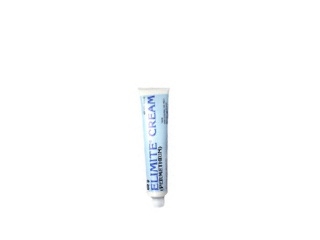

Elimite (Permethrin) — Patient Guide (Australia)
Elimite is a brand of permethrin, an insecticide medicine used to treat certain skin infestations. This patient-friendly guide explains what Elimite is, how it works, how to use it safely and effectively, and what to expect. It is written for people in Australia.
1) Basic product information
- Medicine name: Elimite
- Active ingredient: Permethrin
- Common formulation: Topical cream (used on the skin)
- Therapeutic use: Treatment of scabies and certain lice infestations (as directed for the specific condition)
- How it is applied: Applied directly to affected skin areas
Availability and pack sizes can vary. Your pharmacist can help confirm the specific product you are buying and the directions that apply to your condition.
2) What permethrin does (mechanism of action)
Permethrin belongs to a group of medicines called pyrethroids. It works by targeting the nervous system of parasites (such as scabies mites and lice).
- Disrupts nerve signalling: Permethrin affects how nerve cells pass signals, causing paralysis and death of the parasite.
- Broad topical activity: It acts on the infestation on the skin surface and within hair-bearing or affected skin areas (depending on use).
- Low absorption: When used correctly on the skin, only small amounts typically enter the bloodstream.
Importantly, the itch can persist for a short time even after the mites are killed. This is due to ongoing inflammation in the skin. The medicine still works, but symptoms can take time to settle.
3) Pharmacokinetics (how the body handles it)
Pharmacokinetics describes what happens to a medicine after it is applied. For topical permethrin, the key points are:
- Absorption through skin: Usually low, especially when used as directed.
- Metabolism: If absorbed, permethrin is metabolised in the body.
- Elimination: Metabolites are mainly eliminated through the kidneys.
In practical terms, systemic (whole-body) effects are uncommon when Elimite is used correctly for the indicated condition. However, avoid over-application and use the correct amount and timing recommended for your situation.
4) Indications (what Elimite is used for)
Elimite is used to treat certain common parasitic skin infestations, including:
- Scabies (mites that cause intense itching and a characteristic rash)
- Lice infestations (depending on product directions and local guidance for the specific lice type)
If you are unsure whether you have scabies or another condition, speak with a clinician or pharmacist. Some skin conditions can look similar but need different treatment.
5) Typical use and when to apply
How often it is applied (general principle)
Many permethrin regimens for scabies involve reapplying after a set interval to kill newly hatched mites. The exact timing depends on the condition and the product instructions.
Common timing pattern (scabies)
- First application: Apply to the skin, leave on for the recommended period, then wash off.
- Second application: Repeat after a specified interval (commonly about one week) to improve effectiveness.
Always follow the instructions provided with your specific Elimite product, as directions can vary by formulation and country guidance. If your symptoms persist, seek advice rather than repeatedly applying without confirmation.
6) Step-by-step: practical instructions (patient tips)
Use these steps as a general guide. Follow your product label instructions closely.
Before you start
- Check the skin: Apply only to recommended skin areas.
- Preparation: Have clean clothing and bedding ready for after treatment.
- Keep it simple: Avoid mixing with other creams or lotions unless instructed.
How to apply (typical scabies approach)
- Use enough to cover the target areas: Pay attention to common mite locations such as between fingers, wrists, elbows, armpits, around the waist, and genital area (as appropriate).
- Thorough coverage: Many failures occur due to inadequate coverage.
- Under nails and creases: Mites can hide in small skin folds; ensure coverage in these areas.
- Avoid eyes and mucous membranes: Do not apply to eyes, inside the mouth, or other sensitive mucosal areas.
Leave-on time and washing off
- Leave on for the recommended duration stated on the product label.
- Wash off afterwards with water and mild soap.
After treatment
- Change clothing and bedding: Use clean items after treatment and between repeat applications as advised.
- Manage itching safely: Skin irritation can continue. Use moisturisers and non-irritating options where appropriate; consider pharmacist advice for symptom relief.
Key effectiveness point: Scabies treatment is often successful only when close contacts are treated at the same time, even if they do not yet have symptoms—follow local advice and clinician guidance.
7) Food interactions
Because Elimite is applied to the skin, food interactions are not expected in the way they might be for medicines taken by mouth. There is no known meaningful interaction between topical permethrin and food.
That said, if you feel unwell or have significant skin irritation, stick to a normal, nutritious diet and stay hydrated. If you are advised to take additional medicines (for example, for itch), check with your pharmacist about any interactions those medicines may have.
8) Alcohol interactions and medicine interactions
Alcohol
With typical topical use, no specific alcohol interaction is expected. Elimite is unlikely to affect how your body handles alcohol because systemic absorption is generally low. Still, avoid any extra substances that could irritate skin (for example, strong fragranced products).
Other medicines (including topical products)
- Other topical creams/lotions: It’s usually best not to layer other topical products on the treated areas unless your pharmacist or doctor advises otherwise.
- Systemic medicines: No common clinically significant systemic interactions are expected from topical permethrin.
- Skin sensitivity products: If you use antiseptics or medicated washes, check with your pharmacist to avoid irritation or reduced effectiveness.
If you are taking other medicines or using other skin treatments, bring a list to your pharmacist for checking.
9) Dosing and how much to use
The correct dosing depends on the condition, age, and the product instructions for the specific formulation. For most permethrin regimens used for scabies, the dose is described in terms of covering the affected areas rather than measured in tablets/milligrams.
General dosing principles
- Use sufficient amount to cover: Under-application is a common reason for treatment failure.
- Follow label leave-on duration: Leaving on longer than recommended does not usually improve outcomes and can increase irritation.
- Repeat at the recommended interval: If a second application is advised, do it on schedule (commonly around one week for scabies).
Do not use more often or apply more product than instructed. If symptoms are not improving, consult a healthcare professional to confirm the diagnosis and reassess the plan.
10) Safety profile and possible side effects
Like all medicines, Elimite can cause side effects, although many people experience none or only mild effects. Most reactions are local (skin-related).
Common or mild side effects
- Skin irritation (temporary redness or burning)
- Itching (may continue after treatment due to inflammation)
- Dryness or mild rash
- Tingling/burning sensation during or shortly after application
Less common but important reactions
- Allergic reactions (e.g., swelling, severe rash, breathing difficulty)
- Severe skin reactions (widespread blistering, intense pain)
Seek urgent medical help if you develop signs of a severe allergic reaction (such as difficulty breathing, facial swelling, or widespread hives).
Who should take extra care
- Young children and infants: Use only if appropriate for age as per product directions and pharmacist/clinician advice.
- Pregnancy or breastfeeding: Discuss with a healthcare professional for personalised advice based on your situation.
- Broken or inflamed skin: Application may cause more irritation. Follow instructions carefully.
11) What to expect after treatment (itch and rash)
After scabies treatment, itch and redness may continue for several days to a few weeks. This is often called post-scabetic itch and can occur even when treatment has worked.
- Improvement trend: Symptoms should gradually lessen over time.
- When to recheck: If you have no improvement after repeating the treatment as directed, or symptoms worsen, seek medical advice to confirm the diagnosis and check for reinfestation.
12) Practical tips to improve success (and reduce reinfestation)
Most treatment failures for scabies involve reinfestation from contacts or incomplete coverage. The tips below can significantly improve outcomes.
- Treat close contacts at the same time: Follow public health or clinician advice.
- Pay attention to all recommended areas: Mites can live in less obvious places (skin folds and between fingers).
- Keep nails short: This can help reduce scratching and accidental spread.
- Clean bedding and clothing: Wash in hot water where possible and dry thoroughly; follow guidance for items that cannot be washed.
- Avoid skin-to-skin contact until treatment is effective: Consider limiting close contact until after the recommended initial wash-off and treatment schedule.
- Don’t overuse products: More is not better and can increase irritation.
13) Alternative options
Depending on the diagnosis and your circumstances, other treatments may be considered. Options can include:
- Other topical scabicides (for example, benzyl benzoate or other permethrin-based regimens where available)
- Oral medicines in selected cases (typically only under clinician guidance)
- Supportive care for itch and skin inflammation (moisturisers, symptom relief measures)
The best alternative depends on age, severity, tolerance, and whether reinfestation is occurring. Ask your pharmacist which options are suitable for your situation.
14) Elimite in Australia: market and legal context
In Australia, medicines are regulated by the Therapeutic Goods Administration (TGA). Availability, product listings, and permitted indications depend on the specific formulation and how it is registered.
- Registration and labelling: Always check the pack instructions for the exact directions relevant to your product.
- Pharmacy supply: Many skin infestation treatments are supplied through pharmacies; the exact supply conditions can vary by product and circumstance.
- Local public health advice: Scabies management often includes advice about treating household members and cleaning routines.
If you are dealing with outbreaks (for example in households, childcare settings, schools, or aged care), follow the advice provided by relevant local health authorities and your healthcare professional.
15) Recent guidance and evolving recommendations (what to keep in mind)
Recommendations for scabies management can evolve as clinicians and public health agencies refine strategies to reduce reinfestation. Common themes in modern guidance include:
- Confirm the diagnosis when symptoms persist
- Concurrent treatment of contacts to break the reinfestation cycle
- Correct application and repeat dosing when indicated
- Consider crusted scabies or severe cases as they may require more intensive regimens under clinician care
If you have had treatment before and symptoms return, ask for advice to determine whether it was reinfestation, incomplete coverage, or a different diagnosis.
16) Delivery and availability (online pharmacy)
Online pharmacies in Australia typically supply Elimite to eligible customers depending on stock availability and product listing. Delivery options may vary by location and order size.
- Packaging: Medicines are delivered in tamper-evident packaging where required.
- Stock availability: Availability can change. If an item is out of stock, you may be offered alternatives.
- Storage: Store according to the label instructions (avoid excessive heat and keep out of reach of children).
If you need help choosing the correct product size or confirm dosing instructions for your condition, contact your pharmacist.
17) Frequently Asked Questions (FAQ)
Is Elimite the same as permethrin?
Yes. Elimite is a brand name that contains permethrin, which is the active ingredient.
How long does permethrin take to work?
The medicine begins working after you apply it and leave it on for the recommended time. However, skin itch and rash can continue for days to weeks due to inflammation.
Why is the itching still there after treatment?
Post-treatment itch can occur even when mites are killed. Itching may improve gradually over time. If symptoms are worsening or not improving after the recommended repeat schedule, seek advice.
Should I treat everyone in the household?
For scabies, close contacts are often treated simultaneously even if they have no symptoms, because people can carry mites before itch starts. Follow the guidance provided by your healthcare professional or pharmacist.
Do I need to wash bedding and clothes?
Yes—cleaning routines are important to reduce reinfestation. Wash clothing and bedding used recently in hot water when possible, then dry thoroughly. For items that cannot be washed, follow advice on isolating them for a period as directed by guidance.
Can I use Elimite with other creams?
It’s generally best not to combine it with other topical products on the same areas unless your pharmacist advises it. If you need moisturiser for dryness, ask when to apply it relative to Elimite use.
Can I drink alcohol while using Elimite?
No specific alcohol interaction is expected with topical permethrin when used as directed. If you feel unwell or have skin irritation, use alcohol carefully as it may contribute to dehydration or worsen discomfort.
What if I accidentally get Elimite in my eyes or mouth?
Rinse thoroughly with water immediately. If irritation persists, seek medical advice. Avoid applying to eyes and mucous membranes.
When should I seek further medical advice?
Contact a healthcare professional if:
- Symptoms do not improve after using Elimite as directed (including the recommended repeat application if required)
- You suspect reinfestation from close contacts
- You develop severe skin reactions
- Your case is severe or involves crusted scabies (often needs clinician-led management)
18) Summary
Elimite (permethrin) is a topical medicine used to treat skin infestations such as scabies. It works by disrupting the parasite’s nervous system, and when used correctly, it has a low likelihood of whole-body effects. For the best results, apply to all recommended areas, follow the correct leave-on time, complete any recommended repeat application, and treat close contacts as advised to prevent reinfestation.
If you have questions about your symptoms or how to use Elimite safely, speak with a pharmacist for tailored guidance.