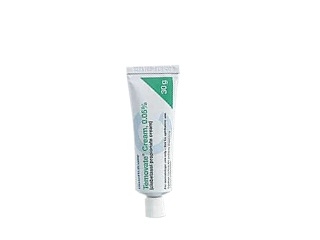
Clobetasol 0.05% Ointment/Cream (High-Potency Corticosteroid) — Patient Guide (Australia)
Clobetasol 0.05% is a very strong (high-potency) anti-inflammatory medicine that belongs to the corticosteroid family. It is used to treat certain inflammatory skin conditions where symptom control requires a powerful topical steroid. This guide is written to help you understand how clobetasol works, how to use it safely, what to expect, and when to seek medical advice.
In Australia, you may find clobetasol 0.05% products as cream or ointment depending on the brand and base formulation. Strength is commonly expressed as 0.05% w/w.
1) Basic Product Information
- Medicine name: Clobetasol 0.05%
- Type: Topical corticosteroid (anti-inflammatory)
- Strength: 0.05%
- Forms: Typically cream and/or ointment (base affects skin feel and penetration)
- Common uses: Short-term treatment of inflammatory, steroid-responsive skin conditions
- Strength category: Very potent/high-potency (follow instructions carefully)
Because clobetasol is high potency, it should generally be used sparingly and for short periods. Overuse increases the risk of skin thinning and other side effects.
2) How Clobetasol Works (Mechanism of Action)
Clobetasol is a corticosteroid. When applied to skin, it reduces inflammation by:
- Suppressing immune activity in the skin to reduce redness, swelling, and itch
- Reducing inflammatory chemical signals that contribute to irritation and flare-ups
- Decreasing abnormal skin cell turnover in conditions where this plays a role
The result is usually symptom improvement such as reduced itching and inflammation. However, it treats inflammation—if symptoms are caused by an infection or another non-steroid-responsive problem, clobetasol may not be appropriate.
3) Pharmacokinetics (Absorption and Body Handling)
Topical corticosteroids like clobetasol can be absorbed through the skin to varying degrees. The amount absorbed depends on:
- Skin condition: Damaged or inflamed skin absorbs more
- Area treated: Larger areas increase absorption
- Duration of use: Longer use increases cumulative exposure
- Use under occlusion: Covering the area (e.g., tight wraps) increases absorption
- Site of application: Thin skin areas absorb more
Once absorbed, corticosteroids are processed in the body similar to other steroids and are eliminated mainly through metabolism in the liver and excretion by the kidneys. With appropriate, short-term use, systemic effects are less likely, but they can occur with high potency products when used improperly.
4) Typical Uses and Indications (What It’s For)
Clobetasol 0.05% is used for inflammatory skin conditions that respond to strong corticosteroids. Depending on the product and local clinical guidance, it may be prescribed for conditions such as:
- Severe eczema or dermatitis that is steroid-responsive
- Psoriasis in selected cases (not for all types; careful medical oversight is important)
- Lichen planus
- Prurigo-related inflammatory rashes in selected cases
- Other inflammatory dermatoses where a high-potency topical steroid is considered appropriate
Important: Clobetasol is not intended for use on untreated skin infections. If your rash is caused by a bacterial, fungal, or viral infection, treatment must be targeted to that cause.
5) Timing and How Fast It Works
Many people notice improvement in itch and redness within a few days. Full benefit may take up to 1–2 weeks depending on the condition, severity, and the exact treatment plan.
Because clobetasol is very potent, it is commonly used as:
- Short courses during flare-ups
- Intermittent/reactivation strategies in certain chronic conditions, if advised by a clinician
If there is no improvement after about 7–14 days, or if symptoms worsen, stop and seek medical advice to confirm the diagnosis and adjust treatment.
6) Dosing and Practical Application
Dosing depends on the condition, the affected body area, and the product form (cream vs ointment). Always follow the directions provided with your clobetasol product or those given by your health professional.
General principles
- Use the smallest amount that controls symptoms.
- Apply a thin layer to the affected skin only.
- Avoid spreading to unaffected skin unless specifically directed.
- Wash your hands after application (unless treating your hands).
- Do not use more frequently than instructed.
How much is “enough”? (Finger-tip unit)
Many clinicians use the finger-tip unit (FTU) concept to estimate topical steroid amounts. An FTU is the amount of ointment/cream squeezed from the finger to the tip (about 0.5 g) and can cover an adult area roughly the size of two adult palms.
Your correct FTU dose may vary by site and condition; if unsure, ask a pharmacist for guidance.
Typical frequency
- Commonly applied once or twice daily for short periods, depending on severity and the prescriber’s plan.
- After improvement, many patients are advised to reduce frequency or transition to a less potent option if appropriate.
Avoid certain areas unless advised
- Face and skin folds (higher risk of irritation and absorption)
- Groin and genital areas unless specifically directed
- Under occlusion (covers like tight bandages/plastic wrap) unless a clinician tells you to
7) Safety Profile (What to Watch For)
Clobetasol is effective, but because it is a very potent topical steroid, it can cause side effects—especially with prolonged use, high amounts, or use on sensitive areas.
Common skin-related side effects
- Burning, stinging, or irritation at the application site
- Dryness or skin discomfort
- Folliculitis (small inflamed spots around hair follicles)
- Thinning of the skin (atrophy) with continued use
- Stretch marks (striae) if used for longer or over large areas
- Visible small blood vessels (telangiectasia) in some cases
Less common but important risks
- Rebound flare when stopping abruptly after long use
- Increased infection risk in the treated area (steroids can mask infection)
- Systemic effects (rare with correct use) such as suppression of the body’s stress steroid production, especially with:
- large treated areas
- long-term use
- use under occlusion
- use in children
Signs you should seek medical advice promptly
- Rash rapidly worsening or spreading
- New or increasing pain, pus, or fever
- Signs of infection (warmth, spreading redness, oozing)
- Sudden return of symptoms after stopping
- Any severe burning or swelling
Who should be extra careful?
- Children (higher absorption relative to body size)
- Older adults (thinner skin and higher risk of skin damage)
- People using on face, skin folds, or broken skin
- Anyone using large quantities or for long durations
8) Practical Use Tips (How to Use Safely)
Follow these tips to maximise benefit and reduce risk:
- Apply to clean, dry skin (unless your clinician advises otherwise).
- Use a thin layer; more is not always better with potent steroids.
- Do not cover with airtight dressings unless advised.
- Moisturise wisely: use emollients regularly on surrounding or non-affected skin unless told otherwise. If applying clobetasol and moisturiser together, apply clobetasol first and moisturiser later (often after some time).
- Avoid contact with eyes and mucous membranes unless specifically instructed.
- Keep a symptom diary (date, area, severity). This helps determine whether you need to continue, reduce, or stop.
- Don’t use on “mystery rashes” without a diagnosis—if it’s fungal or viral, steroids can worsen it.
When finishing a course: If you are treating a flare, you may be able to stop once control is achieved. If long-term control is needed, ask about step-down therapy (e.g., reduced frequency or lower-potency alternatives).
9) Food Interactions
Because clobetasol is topical, food interactions are not typically expected. The medicine is designed to act locally on the skin, and most systemic exposure is minimal when used correctly.
Still, if you are using other medicines and you notice unexpected symptoms after starting clobetasol, discuss them with a pharmacist or doctor.
10) Alcohol and Medicine Interactions
Alcohol
No direct alcohol interaction is generally expected with topical clobetasol. However, alcohol may indirectly worsen skin inflammation in some people or affect adherence to treatment. If you notice flares after alcohol, consider reducing intake and discussing with a clinician.
Other medicines
There are generally no common direct drug-drug interactions with topical clobetasol. That said, interactions can occur through:
- Concurrent topical products (e.g., other steroids, strong acids, retinoids, or irritant preparations). Combining products can increase irritation or absorption.
- Systemic corticosteroids (if you are also taking steroid tablets or injections, the overall steroid burden may increase).
Let your healthcare professional know about all medicines you use, including topical creams, antifungals, and skin treatments.
11) Indications vs “When Not to Use” (Important Safety Notes)
Clobetasol is intended for steroid-responsive inflammatory skin conditions. It should generally not be used without appropriate medical assessment if there is suspicion of:
- Fungal infection (e.g., ringworm/tinea)
- Viral infections (e.g., herpes simplex, chickenpox)
- Untreated bacterial infections of the skin
- Rosacea or perioral dermatitis (steroids can worsen these)
- Acne or steroid-sensitive acneiform eruptions
If you’re unsure whether your rash is inflammatory, infectious, or something else, it’s safer to get the diagnosis first.
12) Alternative Options (What You Can Consider)
Depending on your condition and severity, alternative treatments may include:
- Lower-potency topical corticosteroids (step-down strategy after control)
- Non-steroid anti-inflammatory options (e.g., topical calcineurin inhibitors in some conditions)
- Antifungal or antibacterial treatments if infection is present or suspected
- Emollients and moisturisers as a foundation treatment, especially for eczema
- Phototherapy or systemic medicines in more severe or widespread disease (handled by a clinician)
Your pharmacist or doctor can help choose alternatives based on: location (face vs body), severity, and duration needed.
13) Market and Legal/Regulatory Context in Australia
In Australia, topical corticosteroids may be supplied through different channels depending on strength, indication, and regulatory scheduling. Many high-potency corticosteroids are managed to ensure safe use and appropriate patient advice. Availability may vary between:
- Pharmacy supply versus general retail access
- Brand differences and whether the product is cream or ointment
- Whether specific usage instructions are provided with each product
When buying online, you should ensure the product listing includes accurate concentration, dosage form, and clear instructions for use. If you have questions about suitability for your skin problem, consult a pharmacist before starting.
Recent guidance and practice trends: In clinical practice, there is increasing emphasis on safe potency selection, limited duration, avoiding use on sensitive areas, and using step-down strategies to reduce long-term risk. It is also common to confirm diagnosis before prescribing very potent steroids.
14) Delivery and Availability (Online Pharmacy Considerations)
Availability of clobetasol 0.05% may vary by brand and formulation (cream vs ointment). When ordering from an Australian online pharmacy, you can generally expect:
- Packaging labelled with strength (0.05%) and form
- Clear usage instructions included with the product
- Delivery timeframes depending on your location and the pharmacy’s dispatch schedule
- Product availability can fluctuate—stock may change
Check the product page for current stock status, dispatch times, and shipping options across Australia.
15) Food, Alcohol, and Daily Routine—Quick Reminder
- Food: No typical interaction expected with topical use.
- Alcohol: No direct interaction expected; excessive alcohol may worsen skin for some people.
- Routine: Use consistently as directed for the shortest effective time.
- Moisturiser: Helps reduce the need for stronger steroid use over time.
FAQ (Frequently Asked Questions)
1. What is clobetasol 0.05% used for?
Clobetasol 0.05% is used to treat inflammatory, steroid-responsive skin conditions such as severe eczema/dermatitis and certain other inflammatory rashes, in selected cases. It is commonly intended for short-term flare control due to its high potency.
2. How quickly will I see results?
Many people notice reduced itching and redness within a few days. If there’s no improvement within about 7–14 days, seek advice to confirm diagnosis and treatment approach.
3. Can I use clobetasol on my face?
Because clobetasol is very potent and facial skin is sensitive, it should only be used on the face if a healthcare professional specifically advises it. Otherwise, it may increase the risk of thinning skin and other steroid-related side effects.
4. How much should I apply?
Apply a thin layer to the affected area only and use the smallest amount that controls symptoms. If you’re unsure about quantity, ask a pharmacist for help using a finger-tip unit estimate.
5. Can I cover the treated area with bandages or wrap?
Avoid occlusion unless instructed by your clinician. Covering can increase absorption and increase the risk of side effects.
6. What if my rash looks infected?
If you see signs such as pus, increasing redness, warmth, fever, or worsening pain, stop and seek medical advice. Steroids can mask infections and may worsen some types of infections.
7. Is clobetasol safe for long-term daily use?
Long-term daily use increases risk of skin thinning and other complications. Many regimens use short courses and then step down to lower potency or other maintenance strategies if needed.
8. Can I stop clobetasol suddenly once my skin improves?
Often, for flare treatment, you can stop once symptoms are controlled. However, if it has been used for a longer time, discuss a step-down plan with a healthcare professional to reduce rebound risk.
9. Are there any interactions with other medications?
Direct interactions are uncommon with topical clobetasol. Still, tell your pharmacist about all medicines you use, including other topical products and any oral steroid tablets.
10. Does clobetasol interact with food or alcohol?
No typical food interaction is expected. No direct alcohol interaction is generally expected, but alcohol may affect skin in some individuals. If you notice flares after drinking, consider reducing alcohol and discussing your situation.
11. What should I do if I accidentally apply too much?
If you’ve used more than intended on a small area, usually you should not panic—just follow the correct instructions going forward. If you used it on a large area, under occlusion, or for longer than recommended, contact a pharmacist or doctor for advice.
12. Can children use clobetasol 0.05%?
Extra caution is needed for children due to higher absorption and greater risk of systemic effects. Use in children should be guided by a healthcare professional and should follow specific dosing and duration recommendations.
Summary: Key Points to Remember
- Clobetasol 0.05% is a very potent topical steroid for inflammatory, steroid-responsive skin conditions.
- Use thin layers, on affected skin only, for the shortest effective time.
- Avoid sensitive areas and occlusion unless specifically directed.
- If there’s no improvement within 7–14 days, or if infection is suspected, seek medical advice.
- Food interactions are not expected; alcohol has no direct interaction but may affect skin for some people.
If you have questions about whether clobetasol 0.05% is appropriate for your specific rash, a pharmacist can help you choose safer options and use the medicine correctly.