

Etoricoxib (Australia) — Patient-Friendly Medicine Information
Etoricoxib is a medicine from the non-steroidal anti-inflammatory drug (NSAID) family. It is used to help reduce pain and inflammation, particularly in conditions affecting joints such as osteoarthritis and rheumatoid arthritis. This guide provides practical, patient-friendly information about how etoricoxib works, how it behaves in the body, how to take it safely, and what to consider before and during use.
Important: Medicines affect people differently. Always follow the directions provided by your prescriber and the information on the product packaging. If you have concerns (for example, about stomach, kidney, heart, or blood pressure risks), speak with a pharmacist or doctor.
Basic product information
- Generic name: Etoricoxib
- Drug class: NSAID (COX-2 selective)
- Common strengths (varies by brand): often 30 mg, 60 mg, 90 mg, and 120 mg
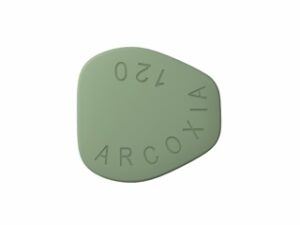
- How it’s supplied: oral tablets (strength depends on local product)
- Availability in Australia: available through appropriate pharmacy channels
Etoricoxib is designed to target the COX-2 enzyme, which plays a role in inflammation and pain. Compared with older NSAIDs that block COX-1 and COX-2, COX-2–selective medicines may have a lower risk of certain stomach complications, but they are not risk-free for the stomach, heart, kidneys, or blood pressure.
What etoricoxib does (mechanism of action)
Etoricoxib helps relieve pain and inflammation by selectively inhibiting an enzyme called cyclooxygenase-2 (COX-2).
COX-2 contributes to the production of prostaglandins—chemicals that can increase inflammation, pain sensitivity, and swelling. By reducing prostaglandin formation, etoricoxib can:
- reduce joint pain and stiffness
- lower inflammation and discomfort from flare-ups
- improve function in some arthritis conditions
Etoricoxib does not cure arthritis or other underlying diseases; it manages symptoms. The lowest effective dose for the shortest time that controls symptoms is generally preferred.
Pharmacokinetics (how it moves through the body)
Understanding pharmacokinetics can help you take the medicine at the right time and anticipate how quickly it may work. The following information is general—your individual response may differ.
Absorption
Etoricoxib is absorbed after oral dosing. It reaches peak blood levels relatively quickly after a dose. Importantly, food has minimal effects on overall absorption, so it can usually be taken with or without food (see “Food interactions” below for details).
Peak effect (onset of symptom relief)
Many people notice symptom relief within hours. The exact time can vary depending on the condition being treated.
Distribution
The medicine distributes through the body and binds to blood proteins. This helps determine how it stays in circulation.
Metabolism
Etoricoxib is metabolised mainly in the liver. People with significant liver impairment may require careful dose selection and monitoring.
Elimination
Etoricoxib is eliminated primarily through the kidneys and urine as metabolites. Kidney function therefore matters when choosing a dose and when deciding whether the medicine is appropriate for you.
Half-life (duration in the body)
Etoricoxib has a relatively long half-life, which supports once-daily dosing for many indications.
Typical uses (indications)
In Australia, etoricoxib may be used to treat pain and inflammation associated with the following conditions (exact availability and authorised indications can vary by product and local guidance):
- Osteoarthritis (degenerative joint disease)
- Rheumatoid arthritis
- Ankylosing spondylitis (inflammatory back pain)
- Acute gout flares (short-term management of pain and inflammation)
- Dental pain (short-term relief after dental procedures, where applicable)
- Other approved inflammatory pain conditions depending on the approved product information
Your healthcare professional will choose the most appropriate dose and duration based on your condition, symptom severity, and safety factors (such as cardiovascular risk, kidney function, history of ulcers, and concomitant medicines).
Dose and timing (how to take etoricoxib)
Dosing depends on the condition being treated and your personal risk profile. Below are common dosing ranges used in practice. Always rely on your product’s instructions and clinician guidance for your exact dose.
| Condition (typical) | Common dosing approach | Typical maximum duration (guideline) |
|---|---|---|
| Osteoarthritis | Often once daily; strength depends on symptoms (frequently 30 mg or 60 mg) | Use for symptom control; review regularly |
| Rheumatoid arthritis | Often once daily; may be 60 mg | Longer-term symptom control with review |
| Ankylosing spondylitis | Often once daily; may be 60 mg or 90 mg depending on severity | Longer-term symptom control with review |
| Acute gout flare | Once daily; strength often 120 mg for short term | Short course (commonly up to 8 days) |
| Dental pain (short-term) | Once daily; strength may vary by authorised indication | Short term only (commonly up to 3 days) |
Timing within the day
- Once daily dosing: take it at about the same time each day.
- For flare-ups: many people take it consistently for the recommended short course.
- Assess response: if symptoms do not improve or worsen, speak with a pharmacist or doctor.
Swallowing and missed doses
- Swallow whole with water; follow product directions.
- If you miss a dose, take it when you remember unless it’s close to the next dose—then skip the missed dose and continue as normal.
- Do not double up to make up for a missed dose.
Food interactions (including taking with meals)
Etoricoxib can generally be taken with or without food. Because food has minimal effect on the overall absorption, nausea or stomach discomfort may be improved by taking it after a meal for some people.
Practical advice
- If you have a sensitive stomach, consider taking it with food.
- Avoid exceeding recommended dose instructions even if symptoms continue—higher doses increase risk.
- Stay hydrated, especially if you have kidney risk factors.
Alcohol and medicine interactions
Alcohol
Alcohol can increase the risk of stomach irritation and may worsen side effects such as dizziness or stomach discomfort. Drinking alcohol while taking etoricoxib may increase risk of gastrointestinal bleeding, particularly if you also use other medicines that affect bleeding.
A safer approach is to limit alcohol and avoid heavy drinking. If you are unsure about what amount is safe for you, ask a pharmacist or doctor.
Medicines that may interact with etoricoxib
Interactions depend on your personal medicines and health conditions. Below are common categories that may be relevant:
- Other NSAIDs (e.g., ibuprofen, naproxen, diclofenac): avoid combining unless specifically advised, due to increased GI and kidney risk.
- Aspirin (at anti-platelet doses): can be used for some patients, but bleeding risk may increase—do not change aspirin use without medical advice.
- Blood thinners (anticoagulants) (e.g., warfarin): increased bleeding risk is possible; monitoring may be needed.
- Antiplatelet agents (e.g., clopidogrel): may increase bleeding risk.
- Selective serotonin reuptake inhibitors (SSRIs) or other antidepressants affecting bleeding: may increase risk of gastrointestinal bleeding when combined with NSAIDs.
- Diuretics (e.g., hydrochlorothiazide, furosemide): possible reduced kidney function; dehydration increases risk.
- ACE inhibitors/ARBs (blood pressure medicines such as enalapril, lisinopril, losartan, valsartan): combined use with NSAIDs can affect kidney function; monitoring may be required.
- Lithium: NSAIDs can increase lithium levels, leading to toxicity.
- Methotrexate: interaction may increase methotrexate toxicity (particularly at higher doses).
- Digoxin: NSAIDs can influence digoxin levels in some cases.
- Cyclosporine or tacrolimus: may increase kidney risk.
- Hormonal therapy or other medicines metabolised by the liver: etoricoxib is metabolised in the liver, and certain medicines may interact via metabolism pathways.
If you take medicines regularly, it’s wise to review them with a pharmacist before starting etoricoxib. Bring a list of your medications, including over-the-counter products and herbal supplements.
Safety profile (what to watch for)
Like other NSAIDs, etoricoxib can cause side effects. Some are common and manageable, while others are serious and require urgent attention. The risk profile depends on dose, duration, your health history, and concurrent medicines.
Common side effects
- headache
- indigestion, stomach discomfort
- nausea
- dizziness
- fluid retention (swelling in some people)
Serious warnings — seek urgent help if
- Signs of gastrointestinal bleeding: black/tarry stools, vomiting blood or material like “coffee grounds”, severe stomach pain.
- Allergic reaction: swelling of the face/lips, wheezing, rash, trouble breathing.
- Serious skin reactions: blistering, peeling skin, sores in the mouth or eyes.
- Heart or stroke symptoms: chest pain, sudden shortness of breath, weakness on one side, difficulty speaking.
- Kidney problems: decreased urination, swelling of legs/feet, unusual fatigue.
- Severe liver issues: yellow skin/eyes, dark urine, severe persistent nausea or abdominal pain.
If you experience any serious symptoms, contact emergency services or seek immediate medical care.
Who should be extra careful
Discuss suitability with your pharmacist or doctor if you have any of the following:
- history of stomach ulcers or gastrointestinal bleeding
- heart disease, history of stroke, or high cardiovascular risk
- high blood pressure or fluid retention/heart failure
- kidney disease or reduced kidney function
- liver impairment
- asthma triggered by NSAIDs
- advanced age or multiple medicines that increase risk
General risk-reduction tips
- Use the lowest effective dose.
- Use for the shortest duration needed to control symptoms.
- Do not combine with other NSAIDs.
- Review the need for continued treatment regularly.
Practical use tips for everyday life
1) Start with a symptom plan
If you have arthritis, consider keeping a brief symptom diary (pain score, swelling, morning stiffness, and function). This can help determine whether the medicine is working and whether it’s time to adjust the plan with your healthcare professional.
2) Avoid “stacking” NSAIDs
Some people take an NSAID plus another anti-inflammatory product. Avoid this unless your clinician has advised it. Pain relief alternatives should be discussed, especially if you’re already using etoricoxib.
3) Hydration matters
Staying well hydrated can help reduce the risk of kidney-related side effects. This is especially important if you’re older, have kidney risk factors, or take diuretics.
4) Check blood pressure if you’re at risk
NSAIDs can affect fluid balance and blood pressure. If you have hypertension or heart failure risk, it may be useful to monitor blood pressure and report changes.
5) Read labels on combination products
Some cold/flu products contain painkillers. Make sure you’re not unintentionally taking another NSAID alongside etoricoxib.
Alternative options
If etoricoxib isn’t suitable—or if you need additional symptom control—your clinician may recommend other options, depending on the condition and your risk factors.
Medication alternatives
- Other NSAIDs (non-selective or COX-2 selective), chosen based on risk profile.
- Paracetamol (acetaminophen) for mild pain, sometimes used alongside NSAIDs depending on your plan.
- Topical anti-inflammatory options (e.g., topical NSAIDs for certain joint pains) that can reduce systemic exposure.
- Gout-specific therapies (short-term anti-inflammatory strategies or urate-lowering approaches depending on long-term goals).
Non-medicine alternatives
- exercise programmes and physiotherapy
- heat/cold therapy for symptom relief
- weight management (if relevant)
- joint protection strategies and ergonomic changes
- assistive devices (braces, canes) where appropriate
The best choice depends on the cause of pain, your medical history, and your medication interactions. Ask a pharmacist or doctor for personalised advice.
Market and legal context for Australia
In Australia, medicines are regulated and supplied under the national medicines framework and state/territory pharmacy rules. Etoricoxib availability is determined by product registration status, authorised indications, and scheduling/classification requirements.
Pharmacies may require appropriate patient information to support safe use, including checking for contraindications and interactions. If you’re purchasing online, a reputable Australian online pharmacy will typically support safe dispensing practices and may request clinical details to ensure the medicine is appropriate for you.
The information below is general and does not replace official product information or clinical guidance.
Recent guidance and clinical considerations
Clinical guidance in Australia and internationally commonly emphasises:
- using NSAIDs cautiously, especially in people with cardiovascular or gastrointestinal risk
- prescribing the lowest effective dose and reviewing regularly
- considering stomach protection strategies for those at higher GI risk when NSAID therapy is necessary
- monitoring for kidney effects, particularly in those with existing kidney disease, dehydration, or interacting medicines
- avoiding multiple NSAIDs at the same time
If you’re uncertain whether etoricoxib is appropriate for you, ask a pharmacist to help review your risk factors and discuss safer alternatives when needed.
Delivery and availability (online pharmacy)
Many Australian online pharmacies offer home delivery of medicines and healthcare products. Availability depends on stock levels, product registration, and supply timelines.
- Packaging: tablets are typically supplied in manufacturer packaging.
- Delivery timeframes: vary by location and courier services.
- Tracking: many orders include tracking information.
- Cold-chain: etoricoxib tablets do not usually require refrigeration.
- Payment and verification: reputable services may require patient checks to ensure safe dispensing.
When placing an order, ensure your delivery address is correct and keep an eye on tracking updates. If you have urgent symptoms, contact a healthcare professional promptly rather than waiting for delivery.
How to store etoricoxib
- Store below 25°C (follow packaging instructions).
- Keep in the original package to protect from moisture.
- Keep out of reach of children.
- Do not use after the expiry date on the pack.
FAQ
1) How quickly does etoricoxib work?
Many people feel pain relief within hours. The speed and strength of effect vary by condition, dose, and individual response.
2) Can I take etoricoxib with food?
Yes. Etoricoxib can generally be taken with or without food. If you get indigestion, taking it after a meal may help.
3) Should I avoid other painkillers?
Avoid taking another NSAID at the same time (such as ibuprofen or naproxen) unless specifically advised. For other pain relief options, ask a pharmacist—especially if you take blood thinners or have stomach or kidney issues.
4) Is it safe to drink alcohol while taking etoricoxib?
Alcohol may increase stomach irritation and bleeding risk. It’s best to keep alcohol intake limited and discuss your situation with a pharmacist, particularly if you have a history of ulcers or take medicines that affect bleeding.
5) Can etoricoxib raise blood pressure?
It can. If you have hypertension, heart failure risk, or you’re on blood pressure medicines, monitor your readings and discuss changes promptly.
6) Who should not use etoricoxib?
Suitability depends on your medical history. Extra caution is needed for people with significant heart disease, prior stroke, stomach bleeding history, kidney impairment, liver impairment, or NSAID-sensitive asthma. A pharmacist or doctor can help determine appropriateness.
7) What should I do if I miss a dose?
Take it when you remember unless it’s nearly time for the next dose. Don’t double up.
8) What are warning signs that need urgent medical attention?
Seek urgent help for signs of allergic reaction, gastrointestinal bleeding (black stools, vomiting blood), stroke/heart symptoms (chest pain, weakness, difficulty speaking), severe skin reactions, or symptoms suggesting kidney or liver problems.
9) What alternative treatments might help osteoarthritis pain?
Alternatives may include topical therapies, paracetamol in some situations, different NSAIDs, physiotherapy, exercise, weight management, and other joint-focused strategies. The best plan depends on your overall health and risk factors.
10) Can etoricoxib be taken long-term?
Some people use it for chronic arthritis, but it should be regularly reviewed. Long-term NSAID use may increase risks. Your clinician should reassess dose, effectiveness, and safety at intervals.
Summary
Etoricoxib is a COX-2 selective NSAID used to relieve pain and inflammation in conditions such as osteoarthritis, rheumatoid arthritis, ankylosing spondylitis, acute gout flares, and short-term dental pain (where authorised). It works by reducing prostaglandins involved in inflammation. It is typically taken once daily in many scenarios due to its duration in the body.
For safe use, focus on:
- the lowest effective dose
- the shortest appropriate duration
- avoiding other NSAIDs
- being aware of heart, kidney, and stomach risks
- reviewing all medicines and alcohol habits with a pharmacist when needed