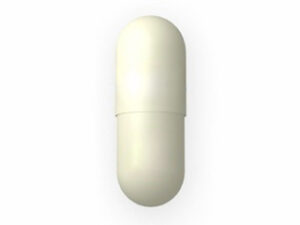
Flexeril (Cyclobenzaprine Hydrochloride) — Patient Information
Flexeril is a medicine containing cyclobenzaprine hydrochloride. It is commonly used to relieve pain and stiffness caused by muscle spasm. This page explains how Flexeril works, how it is usually taken, and important safety information to help you use it more confidently.
Quick facts
- Active ingredient: Cyclobenzaprine hydrochloride
- Type of medicine: Muscle relaxant (centrally acting)
- Common reason for use: Short-term relief of painful muscle spasms
- Typical duration: Often used for a limited time (e.g., up to a few weeks)
- Key side effects: Drowsiness, dry mouth, dizziness, constipation
- Important cautions: Alcohol and other sedating medicines can increase sleepiness and risk
Basic product information
Flexeril belongs to a group of medicines used to reduce muscle spasm. Cyclobenzaprine helps ease muscle tightness and discomfort by acting on the central nervous system.
| Category | Details |
|---|---|
| Generic name | Cyclobenzaprine hydrochloride |
| Brand name | Flexeril |
| How it is taken | By mouth (tablets/capsules depending on brand availability) |
| Typical timing | Usually 1–3 times daily depending on the prescribed regimen |
| How long it’s typically used | Short term, as advised |
How Flexeril works (mechanism of action)
Cyclobenzaprine is thought to reduce muscle spasm by altering nerve signalling in the brain and spinal cord. It helps decrease excessive muscle contraction and can improve discomfort related to strained or irritated muscles.
While Flexeril can help relieve the pain and stiffness of muscle spasm, it does not treat the underlying cause (for example, an injury, poor posture, or inflammation). For best results, it is usually combined with gentle movement, stretching, and other non-medication approaches recommended by a healthcare professional.
Pharmacokinetics (how the body handles it)
Pharmacokinetics describes how a medicine is absorbed, distributed, metabolised, and eliminated. The exact values can vary between individuals, but the following information reflects general behaviour of cyclobenzaprine.
- Absorption: Cyclobenzaprine is absorbed after oral dosing. Peak effects occur within a few hours, depending on the formulation and individual factors.
- Distribution: It distributes into body tissues including the central nervous system, which is why it can affect alertness and coordination.
- Metabolism: Cyclobenzaprine is primarily metabolised in the liver.
- Elimination: It is eliminated mainly via the kidneys after metabolism.
- Half-life: Cyclobenzaprine is associated with a relatively long elimination half-life, which may contribute to lingering drowsiness in some people.
Because metabolism involves the liver and elimination involves the kidneys, dose adjustments or extra caution may be required in people with liver or kidney problems.
What it’s used for (typical use and indications)
Flexeril is used to relieve muscle spasms associated with acute, painful musculoskeletal conditions. It is commonly recommended as part of a short-term treatment plan.
Typical indications include:
- Acute muscle spasm due to strains and sprains
- Back pain associated with muscle tightness/spasm
- Neck pain associated with muscle spasm
- Painful tightening of skeletal muscles that limits movement
If you have persistent or worsening pain, numbness, weakness, fever, or problems with bladder/bowel function, seek urgent medical advice. These symptoms can indicate conditions that require different assessment and treatment.
When and how to take Flexeril (timing and dosing principles)
Dosing can vary based on age, overall health, and the specific formulation. Always follow the dosing instructions provided with your medicine. Below is general guidance about typical dosing patterns.
Typical dosing (general guidance)
- Adults: Cyclobenzaprine is commonly taken 1–3 times daily, depending on the prescribed regimen.
- Short-term use: It is usually used for a limited period to relieve spasm and support recovery.
- Do not exceed recommended doses: Higher doses do not necessarily improve relief and increase side effects.
Timing tips
- First doses: Try a first dose when you can stay at home and monitor how it affects you.
- Night-time may help: Because drowsiness is common, some people prefer taking a larger portion of the dose in the evening (only if consistent with the prescribed schedule).
- Take consistently: If you take multiple doses daily, try to space doses evenly.
How to take it
- Swallow tablets/capsules whole with water.
- Do not double doses if you miss one—follow the instructions supplied with your medicine or contact a pharmacist for advice.
Food interactions
Cyclobenzaprine may be taken with or without food. However, certain practical points can improve comfort:
- Stomach upset: If you experience nausea, taking with a light meal may help.
- Absorption: Food generally does not dramatically change effectiveness, but individual responses vary.
- Follow product instructions: Always adhere to guidance provided for your specific brand/formulation.
Alcohol interactions and safety
Alcohol should be avoided or minimised while taking Flexeril. Alcohol and cyclobenzaprine both affect the brain, and combining them can significantly increase:
- drowsiness and sedation
- impaired coordination and reaction time
- risk of falls and accidents
If you are unsure how much alcohol (if any) is safe for you, ask a pharmacist for personalised advice based on your situation.
Medicine interactions (important)
Cyclobenzaprine can interact with other medicines, especially those that also slow the central nervous system, affect serotonin, or influence heart rhythm. These interactions may increase side effects or the risk of serious complications.
Tell your doctor or pharmacist if you use any of the following:
- Other sedatives: benzodiazepines (e.g., diazepam), sleeping tablets, opioids, antihistamines that cause drowsiness, and some anti-nausea medicines.
- Medicines affecting serotonin: antidepressants (particularly SSRIs/SNRIs), MAO inhibitors, linezolid, and triptans. Combining serotonergic medicines can raise the risk of serotonin-related side effects.
- Medicines that affect heart rhythm: some antiarrhythmics, certain antipsychotics, and other QT-prolonging medicines. Risk depends on individual factors and medicine combinations.
- Strong liver enzyme inhibitors/inducers: medicines that change liver metabolism may alter cyclobenzaprine levels.
- Other muscle relaxants: combining may increase sedation and other adverse effects.
If you start or stop any medicine during your course of Flexeril, check interaction considerations promptly with a pharmacist.
Safety profile: common, less common, and serious side effects
Most people tolerate cyclobenzaprine reasonably well, but side effects are possible. Many side effects are related to its effects on the central nervous system and other body systems.
Common side effects
- Drowsiness/sleepiness
- Dizziness
- Dry mouth
- Constipation
- Blurred vision
- Headache
Less common side effects
- Confusion (more likely in older adults)
- Nausea
- Fatigue
- Urinary retention or difficulty passing urine (more likely in people with urinary problems)
Serious side effects — seek urgent help
Contact urgent care or call emergency services if you develop symptoms that may indicate a serious reaction, for example:
- Signs of an allergic reaction: swelling of the face/lips, rash, severe itching, or difficulty breathing
- Fainting, severe dizziness, chest pain, or a very fast/irregular heartbeat
- Severe confusion, agitation, fever, sweating, tremor, or diarrhoea (may be consistent with serotonin-related problems)
- Uncontrolled muscle stiffness or severe worsening weakness
Practical use tips to improve comfort and reduce risk
- Plan for reduced alertness: Avoid driving, operating machinery, or risky activities until you know how Flexeril affects you.
- Be careful when getting up: Dizziness can occur—stand up slowly to reduce the risk of falls.
- Hydration and constipation prevention: Drinking water and using dietary fibre can help. If constipation occurs, discuss safe remedies with your pharmacist.
- Dry mouth relief: Sipping water, sugar-free chewing gum, or saliva substitutes may help.
- Gentle movement matters: Light stretching and movement (as appropriate to your condition) often improve recovery. Follow professional advice and stop if pain worsens.
- Use for the shortest effective time: Muscle spasm typically improves with time. A short course is often sufficient.
- Keep a routine: Taking at consistent times can reduce missed doses and fluctuations in effect.
Who should be extra cautious (special populations)
Your suitability for Flexeril depends on your medical history. Extra caution may be needed if you have:
- Older age: increased risk of confusion, falls, and anticholinergic effects (dry mouth, constipation, urinary issues)
- Liver disease: because cyclobenzaprine is metabolised in the liver
- Heart rhythm problems: due to potential effects on cardiac conduction in susceptible individuals
- Glaucoma or prostate/urinary issues: due to anticholinergic-like effects
- History of drug dependence or misuse: to reduce risk with sedating medicines
If you fall into any of these categories, ask a healthcare professional to confirm the safest plan.
Alternative options for muscle spasm pain
Treatment for muscle spasm often includes a combination of approaches. Alternatives may include:
- Non-medicine strategies: heat packs, gentle stretching, physiotherapy, posture adjustment, and activity modification.
- Analgesics: paracetamol or anti-inflammatory medicines may be considered depending on your health profile.
- Other muscle relaxants: there are different muscle relaxant options available, each with its own benefits and risks.
- Topical therapies: some people benefit from topical pain relief products for localized discomfort.
The best alternative depends on your symptoms, medical history, and other medicines you take. A pharmacist can help you compare options based on what’s available in Australia.
Flexeril and Australian market/legal context
In Australia, medicines are regulated under the Therapeutic Goods Administration (TGA) and dispensed according to their scheduling. Flexeril (cyclobenzaprine) may be subject to specific prescribing/dispensing requirements depending on current scheduling and formulation availability.
Availability can vary over time and between brands. Some products may be supplied as medicines imported by arrangement or as alternative equivalents. Always check the product’s listing and pack details on the pharmacy website before ordering.
Quality and authenticity: Choose a reputable Australian pharmacy that provides clear product details, batch/expiry information where required, and appropriate advice on safe use.
Recent guidance and best-practice considerations
Clinical practice continues to emphasise that muscle relaxants should generally be used for short-term relief of acute spasm, alongside movement-based recovery strategies. Ongoing safety messaging includes:
- Use caution with drowsiness and driving/work hazards.
- Avoid alcohol and limit other sedating medicines where possible.
- Review medication lists for drug interactions, especially serotonergic or QT-prolonging medicines.
- In older adults, weigh benefits against increased risk of confusion and falls.
- Seek assessment if symptoms are severe, persistent, or associated with neurological signs.
Recommendations can evolve as new evidence and monitoring data become available. Your pharmacist can also provide up-to-date local advice.
Delivery and availability (Australia)
Online pharmacies in Australia typically offer delivery to residential addresses and sometimes to parcel lockers, depending on the service. Delivery times vary by location and stock status.
- Availability: If Flexeril is not in-stock, some pharmacies may offer estimated restock dates or alternatives.
- Packaging: Medicines are usually dispatched in tamper-evident packaging.
- Tracking: Many services provide tracking updates once the parcel ships.
For the most accurate information on delivery timeframes, costs, and alternatives if stock is limited, check the product page and delivery policy of the pharmacy you are using.
FAQ — Flexeril (Cyclobenzaprine)
1) How quickly does Flexeril work?
Some people notice relief within hours of the first dose, but the full benefit may take a few days as muscle spasm settles. If your pain is not improving or is worsening after a short period, consult a healthcare professional.
2) Can I take Flexeril with food?
Yes, it can usually be taken with or without food. If it upsets your stomach, consider taking it with a meal or snack.
3) Will Flexeril make me sleepy?
Drowsiness is common. Until you know how it affects you, avoid driving, cycling on busy roads, or operating machinery. Alcohol and other sedating medicines can increase sleepiness.
4) Is Flexeril safe to take every day?
Cyclobenzaprine is generally used for short-term relief of muscle spasm. The safest duration is the one recommended in your treatment plan. If symptoms persist, you may need a reassessment rather than continuing indefinitely.
5) What should I do if I miss a dose?
If you miss a dose, take it when you remember unless it’s close to your next scheduled dose. Do not take extra to “catch up.” If you’re unsure, ask a pharmacist for advice based on your schedule.
6) Can I drink alcohol while taking Flexeril?
It is strongly advised to avoid alcohol because it can worsen drowsiness and impair safety.
7) Are there any medicines I should avoid combining with Flexeril?
Certain medicines can increase the risk of side effects or interactions—especially other sedatives, serotonergic antidepressants, and medicines that affect heart rhythm. Tell your pharmacist about all medicines you take, including over-the-counter products.
8) Who should be extra careful using cyclobenzaprine?
Extra caution may be needed in older adults, people with liver disease, heart rhythm conditions, glaucoma, prostate/urinary problems, or those taking interacting medicines.
9) What if I feel dizzy or very unwell?
Stop and sit or lie down safely. Avoid driving and call a healthcare professional for advice. If you have severe symptoms such as fainting, chest pain, severe confusion, or difficulty breathing, seek urgent medical assistance.
10) What are good non-medication options alongside Flexeril?
Many people benefit from gentle movement, stretching, physiotherapy, heat packs, and ergonomic adjustments. These strategies can help reduce spasm and improve recovery.
Important: This information is intended to help you understand Flexeril and use it more safely. If you have questions about whether Flexeril is suitable for you—especially based on your other medicines, medical conditions, or symptoms—speak to a pharmacist.