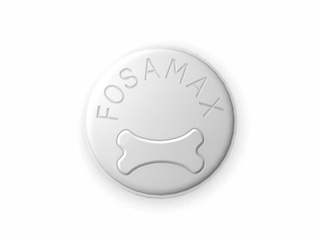

Fosamax (Alendronate) — Patient Information (Australia)
Fosamax contains alendronate, a bisphosphonate medicine used to treat and help prevent conditions where bones become weak or fracture more easily. This page explains how Fosamax works, how to take it, key food and medicine interactions, safety considerations, and practical tips for best results. It is written for patients and caregivers in Australia.
Basic product information
- Medicine name: Fosamax
- Active ingredient: Alendronate (a bisphosphonate)
- Available strengths (commonly): 70 mg (weekly) and sometimes lower daily strengths depending on local supply
- How it’s taken: By mouth
- Typical dosing frequency: Often once weekly for many osteoporosis regimens
- General role: Helps strengthen bones and reduce fracture risk
Note: Brand strength and schedule depend on your specific product pack and the dose your clinician advised. Always follow the instructions on your medicine label.
How Fosamax works (mechanism of action)
Bone is constantly being renewed through a balance between:
- Bone resorption (breakdown) by bone-resorbing cells called osteoclasts
- Bone formation by bone-building cells called osteoblasts
Alendronate reduces bone resorption. It binds to bone mineral, particularly at sites where osteoclasts are actively working. When osteoclasts attempt to break down bone, alendronate interferes with their activity and can trigger cell death, leading to a net increase in bone strength over time.
In simple terms: Fosamax slows down the “wearing down” of bone, allowing bone to become denser and less fragile.
Pharmacokinetics (how the body processes it)
Understanding absorption and distribution helps explain the strict taking instructions.
- Absorption: Alendronate has low oral bioavailability (only a small amount is absorbed). It decreases further if taken with food or beverages other than plain water.
- Time to absorption: Peak blood levels occur relatively quickly after swallowing, but absorption is highly dependent on an empty stomach.
- Binding to bone: A significant proportion binds to bone surfaces and becomes a long-term reservoir.
- Elimination: Unabsorbed medicine passes through the gut. Absorbed drug is removed slowly, mainly via kidney clearance.
- Half-life: Not like a short-acting tablet—because alendronate binds to bone, effects on bone turnover can persist for months to years.
Why this matters: The “empty stomach” and “plain water only” requirements are designed to maximise absorption and reduce the risk of stomach and throat irritation.
Typical uses in Australia
Fosamax is commonly used for:
- Osteoporosis in postmenopausal women to reduce the risk of hip and spine fractures
- Osteoporosis in men at increased risk of fracture
- Glucocorticoid (steroid)-induced osteoporosis in adults
- Paget’s disease of bone (in some alendronate regimens, depending on local product guidance and clinician assessment)
Your doctor will consider your fracture risk, bone density results, medical history, and kidney function before choosing a treatment plan.
Who should be especially careful?
Fosamax may not be suitable (or may require extra monitoring) if you have:
- Problems with swallowing (e.g., oesophageal narrowing or disorders that delay swallowing)
- Low calcium levels (hypocalcaemia) that are not corrected
- Significant kidney impairment (dose suitability depends on kidney function)
- A history of osteonecrosis of the jaw (ONJ) or atypical femoral fractures
- Dental problems requiring major invasive dental work soon
If any of these apply, discuss options with a healthcare professional before starting.
Indications and what the treatment may help with
While your clinician determines the exact indication, the medicine is generally used to:
- Decrease fracture risk by improving bone strength (bone mineral density and bone microstructure)
- Prevent further bone loss in osteoporosis and some secondary osteoporosis conditions
- Treat metabolic bone conditions such as Paget’s disease in selected regimens
Improvements often take time. Bone density gains and fracture risk reduction occur over months to years, not days.
Dosing: common schedules and timing
Important: Fosamax must be taken in a specific way to ensure safe and effective absorption.
Typical dosing patterns
- Osteoporosis (common): often 70 mg once weekly
- Other regimens: may include daily doses or alternative schedules depending on the indication and product strength
Always check your pack instructions and follow your healthcare professional’s advice.
How to take Fosamax (timing and administration)
Take Fosamax:
- First thing in the morning on an empty stomach (or, if your regimen requires, at least 30 minutes before food and drink
- With a full glass of plain water only (not tea, coffee, milk, juice, or mineral water)
- Swallow the tablet whole, not crushed or chewed
- Do not lie down for at least 30 minutes after taking it (to help prevent reflux and irritation)
- Do not eat or drink anything else until after the required waiting time
If you miss a dose: Follow the instructions on your medicine label or product consumer medicine information. In general, weekly dosing may be adjusted, but correct timing is important. If you’re unsure, ask a pharmacist for guidance.
Food and drink interactions (critical)
Food dramatically reduces the absorption of alendronate. For best results:
- Take on an empty stomach
- Avoid taking it with food, coffee, tea, milk, or juice
- After dosing, wait the recommended period (often at least 30 minutes) before having anything other than plain water
If you experience stomach discomfort, do not change the instructions yourself—speak with a pharmacist or clinician about timing and alternatives.
Alcohol and medicine interactions
Alcohol
Moderate alcohol intake may not directly affect absorption, but excessive alcohol can worsen bone health and increase fracture risk. If you drink alcohol regularly or heavily, discuss with your healthcare professional. Alcohol may also irritate the oesophagus and stomach, which matters because alendronate can also cause irritation in some people.
Common medicine interactions
Interactions are most often related to absorption and side effects:
- Calcium, iron, magnesium, aluminium (antacids) and supplements: can reduce absorption. Separate doses by the recommended interval (commonly at least 30 minutes after alendronate, often longer for supplements—follow product guidance or pharmacist advice).
- NSAIDs (e.g., ibuprofen, naproxen): may increase gastrointestinal irritation. Use NSAIDs carefully and report persistent symptoms.
- Other medicines that irritate the oesophagus (some tablets that can cause reflux or swallowing discomfort): combine only if clearly advised, and follow swallowing/timing instructions.
- Oral corticosteroids: may contribute to bone loss; alendronate may still be used in steroid-induced osteoporosis, but overall fracture-risk strategy is important.
- Certain cancer therapies or antiresorptives: may increase the risk of jaw problems when used with bisphosphonates. Your clinician should coordinate care if you are receiving other bone-active therapies.
Kidney function: Alendronate is eliminated via the kidneys. Use may be restricted if kidney function is significantly reduced. Your clinician should assess this before starting.
Practical use tips for the best outcome
- Choose a consistent day/time: If using weekly dosing, pick a day you can reliably remember.
- Use plain water only: This is essential for absorption and to reduce irritation.
- Stay upright: Sit or stand and avoid lying down immediately after taking the tablet.
- Swallow properly: If you struggle with swallowing, discuss with a pharmacist—there may be risks with bisphosphonates.
- Keep up with calcium and vitamin D: Many people need adequate calcium and vitamin D intake to support bone health. Discuss the right amount with your clinician or pharmacist.
- Dental hygiene matters: Maintain good oral care and have regular dental check-ups.
Safety profile and important warnings
Most people tolerate Fosamax well when taken correctly. However, like all medicines, it can cause side effects and rarely serious complications.
Common side effects
- Stomach upset, indigestion, abdominal pain
- Nausea
- Heartburn or reflux symptoms
- Headache
- Muscle or joint aches (may occur especially after starting)
Serious (but uncommon) risks
-
Oesophageal irritation or ulcers:
Taking Fosamax incorrectly (e.g., with food, without enough water, or lying down soon after) can increase risk. Seek urgent medical advice if you develop:
- New or worsening difficulty swallowing
- Pain when swallowing
- Chest pain or severe heartburn
-
Osteonecrosis of the jaw (ONJ):
Rarely, long-term bisphosphonate use has been associated with ONJ, particularly in people with cancer treatments or poor oral health. Contact a healthcare professional promptly if you have:
- Pain, swelling, or infection of the jaw
- Loose teeth
- Non-healing sores in the mouth
- Exposed bone
-
Atypical femoral fractures:
Rarely, stress fractures of the thigh bone have been reported with bisphosphonate therapy. Seek medical advice if you develop persistent pain in the thigh, hip, or groin.
-
Low calcium levels (hypocalcaemia):
Calcium and vitamin D status should be adequate before starting. Symptoms of low calcium may include tingling around the mouth, muscle cramps, or spasms.
When to seek urgent help
Get urgent medical attention if you experience:
- Severe chest pain
- Severe difficulty swallowing
- Vomiting blood or black/tarry stools
- Signs of significant allergic reaction (swelling of face/lips, wheezing, rash with breathing difficulty)
- Jaw symptoms consistent with ONJ, especially if worsening
How long to take Fosamax (ongoing review)
Bisphosphonate therapy is typically reviewed periodically. Duration depends on factors such as fracture risk, age, bone density, and side effects. For many people, clinicians use a strategy that may include “treatment periods” followed by review (sometimes called a drug holiday in selected patients) to balance benefits and rare long-term risks.
Do not stop or change your medicine without discussing your plan with a healthcare professional.
Alternative options to consider
If Fosamax is not suitable or not tolerated, alternatives may include:
Other bisphosphonates
- Risedronate (oral; schedules vary)
- Ibandronate (oral monthly or injectable options depending on local availability)
- Zoledronic acid (intravenous once yearly or per regimen; used in selected patients)
Other osteoporosis medicines
- Denosumab (injection; requires ongoing dosing schedule—stopping can lead to rebound bone loss)
- Teriparatide and abaloparatide (anabolic therapies in certain cases)
- Romosozumab (an anabolic/antiresorptive therapy in selected patients)
The best choice depends on your fracture risk, kidney function, preferences, ability to follow the dosing instructions, and any previous medication history.
Market and legal context in Australia
In Australia, medicines are regulated through the Therapeutic Goods Administration (TGA). Fosamax is supplied through appropriate pharmacy channels under Australian medicines governance. Pharmacists and healthcare professionals support safe use, including screening for suitability, checking kidney function when relevant, and discussing administration instructions.
Consumer medicine information and approved product details may be updated over time. Always check the latest information provided with your specific product pack.
Recent guidance and monitoring considerations
Ongoing clinical guidance for osteoporosis medicines commonly emphasises:
- Correct administration to reduce oesophageal side effects
- Baseline and periodic assessment (e.g., bone density, calcium/vitamin D status, kidney function where relevant)
- Dental risk awareness for bisphosphonates
- Review of treatment duration based on individual fracture risk and side effects
Your clinician may request blood tests or follow-up scans based on your risk profile.
Delivery, availability, and ordering
Fosamax availability can vary by supply and strength. Online pharmacies in Australia typically offer:
- Delivery options: standard or express (depending on location)
- Packaging: manufacturer or pharmacy packed to protect tablets
- Discreet delivery: commonly offered for privacy
How to plan ahead: Because osteoporosis medicines are taken long-term, consider ordering before you run out and keep track of your weekly dosing day.
Delivery timelines and costs depend on the supplier and your postcode.
FAQ — Frequently asked questions
1) What is Fosamax used for?
Fosamax (alendronate) is used to treat osteoporosis in people at increased fracture risk, including postmenopausal women and men, and to help prevent or treat steroid-induced osteoporosis. It may also be used in some regimens for metabolic bone conditions such as Paget’s disease.
2) How do I take Fosamax correctly?
Take it first thing in the morning (or as directed) on an empty stomach with a full glass of plain water. Remain upright (sit/stand) for at least 30 minutes and do not eat or drink anything else during the waiting period.
3) Can I take Fosamax with coffee, tea, milk, or juice?
No. Only plain water should be used at the time of taking Fosamax. Food and other drinks can significantly reduce absorption.
4) What happens if I miss a weekly dose?
Follow the guidance in your product instructions or medicine leaflet. If you are unsure, ask a pharmacist. Because weekly dosing depends on the exact schedule, it’s best to confirm rather than guess.
5) Can I drink alcohol while taking Fosamax?
Moderate alcohol may be acceptable for some people, but heavy alcohol use can weaken bones and may irritate the stomach/oesophagus. If you drink regularly or have concerns, speak with your pharmacist or clinician.
6) Do calcium and vitamin D affect Fosamax?
Calcium and vitamin D support bone health, and many people are advised to ensure adequate intake. However, calcium and some supplements can interfere with alendronate absorption if taken too close together. Separate them according to the timing recommendations on your medicine information and/or pharmacist advice.
7) What side effects should I watch for?
Common effects include indigestion, nausea, and reflux. Seek medical advice urgently for swallowing pain, severe heartburn/chest pain, or symptoms that may suggest jaw problems. Persistent thigh/hip/groin pain should also be assessed.
8) Is Fosamax safe for everyone?
Not necessarily. People with certain swallowing disorders, low calcium levels, significant kidney impairment, or specific past complications may need alternative treatment or additional monitoring. A pharmacist or doctor can help assess suitability.
9) How long does it take to work?
Fosamax helps reduce fracture risk over time. Bone changes can develop over months. You should not expect immediate symptom relief.
10) What if I have reflux or trouble with my stomach?
Proper administration (empty stomach, full glass of water, staying upright) reduces risk. If symptoms persist or worsen, discuss options with a pharmacist or clinician—alternatives may be available.
Quick reference: key do’s and don’ts
| Do | Don’t |
|---|---|
| Take on an empty stomach | Take with food or drinks other than plain water |
| Use a full glass of plain water | Use coffee, tea, milk, juice, or mineral water |
| Swallow tablet whole | Crush or chew the tablet |
| Stay upright for at least 30 minutes | Lie down right after taking it |
| Separate calcium/iron/antacid products by the recommended interval | Take calcium or antacids at the same time |
| Keep up oral hygiene and dental check-ups | Ignore jaw pain or mouth sores that don’t heal |
Disclaimer: This information is general and not a substitute for personalised medical advice. Always read the consumer medicine information that comes with your Fosamax pack and speak with a pharmacist or doctor if you have questions about your specific situation, kidney function, other medications, or symptoms.