Imiquimod (Imiquimod cream) — Patient-Friendly Guide (Australia)
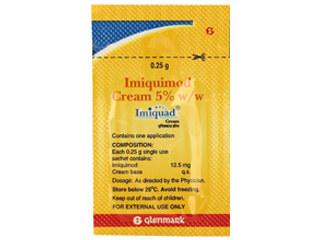
Imiquimod is a topical medicine used on the skin to help treat certain conditions caused by abnormal cell growth and/or viral activity. In Australia, imiquimod is available in specific strengths depending on the formulation and brand. This guide explains how imiquimod works, how it is used, what to expect, and key safety information to help you use it effectively.
Note: Always follow the instructions provided with your product and any guidance you’ve been given by a healthcare professional. If you’re unsure which imiquimod product you have (strength and brand), check the label before use.
Quick Product Information
| Topic | Details |
|---|---|
| Generic name | Imiquimod |
| Form | Cream (topical) |
| Where used | On affected skin areas (not for eyes or inside the body) |
| Main effects | Immune modulation on the skin; helps treat certain skin lesions and HPV-related disease |
| Typical schedule | Varies by indication (for example, several times per week). Follow your product directions |
How Imiquimod Works (Mechanism of Action)
Imiquimod works by stimulating the immune system locally in the skin. When applied to affected tissue, it activates immune responses that may help your body recognise and respond to abnormal cells or infection.
- Immune activation: Imiquimod encourages the release of signalling molecules (such as interferon-related pathways) that support antiviral and immune-control activity.
- Cell-level effects: It can increase immune recognition in the treated area, helping reduce or clear certain lesions.
- Local nature: Because it’s applied to the skin, effects are concentrated where it’s used.
What this means for you: Mild to moderate skin reactions are common and may be part of the treatment response. However, severe reactions require medical advice.
Pharmacokinetics (Absorption and Processing in the Body)
Imiquimod is generally designed to act locally. Only a small amount is absorbed through intact skin, and systemic exposure is typically low.
- Absorption: Lower through intact skin; absorption can increase when applied to broken, inflamed, or ulcerated areas.
- Distribution: Any absorbed fraction is distributed through the body at low levels.
- Metabolism: Processed mainly by the body’s metabolism pathways.
- Elimination: Metabolites are excreted primarily through normal body elimination processes (e.g., via urine).
Practical takeaway: Use the amount recommended and avoid excessive application, occlusion (covering unless instructed), and contact with sensitive mucosal areas.
Typical Uses and Indications (What It Treats)
In Australia, imiquimod is used for selected skin conditions where it can assist immune-mediated clearance. Indications may vary by product strength and formulation. Common clinical uses include:
- Actinic keratosis (sun-damaged skin lesions)
- Superficial basal cell carcinoma (selected cases, based on lesion type and size)
- External genital warts (HPV-related warts) in certain formulations and schedules
Important: Imiquimod is not a “general wart cream.” It should only be used for the condition it’s intended to treat, and only in the manner described for that indication.
Dosing and How to Use Imiquimod (General Guidance)
Dosing depends on the specific indication and the product strength. Always check your label or the instructions provided with your medicine.
General application steps (patient-friendly)
- Wash your hands before and after applying.
- Clean the affected area gently and allow it to dry.
- Apply a thin layer of cream to the affected skin only.
- Rub in gently until the cream is no longer visible.
- Allow it to remain on the skin for the prescribed time before washing (commonly overnight for certain regimens).
- Wash off with mild soap and water at the recommended time.
Timing and schedule (follow your indication)
Many imiquimod regimens are taken at night because the cream is applied and left on for a period before washing off. Typical schedules may include:
- Several nights per week for a defined treatment course
- Some conditions use a cycle of treatment followed by a rest period, depending on guidance
Do not change your schedule without advice, even if you feel better. Completing the full course is important.
How much to use
Use the amount directed for your condition. Avoid covering large areas beyond the instructions. Excessive use does not necessarily improve results and can increase irritation.
When to Expect Results (Timing)
Imiquimod often does not act immediately. Treatment response typically develops over days to weeks:
- Early changes: Some redness, swelling, or mild burning may start within the first week.
- Reaction may peak: Skin reactions may increase during treatment.
- Clearance assessment: Full evaluation of response may take additional weeks after completing treatment, depending on the condition.
Do not stop early because of expected local redness or mild discomfort—unless your symptoms become severe or you’ve been told to stop.
Food Interactions
No significant food interactions are expected with imiquimod because it is applied to the skin and systemic absorption is generally low.
However, if you are unwell, have dietary restrictions, or are taking other medicines, it’s still sensible to discuss concerns with your healthcare provider or pharmacist.
Alcohol and Medicine Interactions
Alcohol
There are no direct alcohol interactions expected from topical imiquimod. That said, alcohol may worsen dehydration or irritation in some people and can impact your overall comfort during treatment.
- If you experience dizziness, headache, or significant skin discomfort, consider limiting alcohol while your skin reacts.
- Stop and seek advice if you develop unusual reactions.
Other medicines
Because systemic absorption is low, clinically important drug–drug interactions are not commonly expected. Still, consider the following:
- Other topical products: Avoid applying other creams, gels, or medicated washes to the same area unless advised.
- Skin-damaging products: Avoid harsh exfoliants, alcohol-based toners, or products that burn.
- Immunosuppressive conditions or medicines: If you are on immunosuppressive therapy (or have an immune-related condition), discuss suitability with a clinician.
Practical tip: Keep a short list of all topical and oral medicines you use and show it to your pharmacist if you have concerns.
Safety Profile (Common and Serious Side Effects)
Like all medicines, imiquimod can cause side effects. Many are local skin reactions and may be part of the medicine’s effect. Still, it’s important to recognise when symptoms are excessive.
Common side effects (local skin reactions)
- Redness (erythema)
- Swelling
- Burning or itching
- Dryness and flaking
- Crusting or scaling
- Small sores or tenderness
Less common but important effects
- Blistering or ulceration
- Severe pain or marked swelling
- Infection of the treated area (if skin breaks)
- General symptoms such as fever, fatigue, or flu-like feelings (rare)
When to seek urgent advice
Contact urgent medical care if you experience:
- Severe or rapidly worsening skin reaction
- Spreading rash, swelling of face/eyes, difficulty breathing (possible allergy)
- Signs of infection: increasing warmth, pus, worsening pain, fever
Practical Use Tips for Best Results
Skin care during treatment
- Use gentle cleansing: Mild soap and lukewarm water are usually best.
- Moisturise carefully: Ask your pharmacist if/when to use a moisturiser around (but not over) the treated area.
- Avoid friction: Choose loose clothing for treated areas on arms/legs or comfortable underwear for genital treatment areas.
- Don’t pick or scratch: This increases irritation and risk of infection.
Hygiene and contact
- Wash hands after application to avoid accidentally transferring the medicine to eyes or other body areas.
- Avoid contact with eyes, lips, inside the nose, and other mucosal surfaces.
- Keep treated areas protected from excessive sun.
Sexual activity (if used for genital warts)
If you are using imiquimod for external genital warts, friction and irritation can be uncomfortable. Barrier methods may be recommended to reduce transmission risk and irritation, but you should follow specific guidance provided with your medicine. Imiquimod-related irritation can make sex more painful.
Tip: Ask your pharmacist or clinician about best timing for intercourse and use of barrier methods during treatment.
Alternative Treatment Options
Depending on the condition being treated, there are several alternatives. Your best option depends on lesion type, location, size, number, and your personal preferences.
For actinic keratosis
- Other topical field therapies
- Cryotherapy (freezing)
- Photodynamic therapy
- Procedural treatments for selected lesions
For superficial basal cell carcinoma (selected cases)
- Local procedures (surgical approaches where appropriate)
- Other topical treatments
- Radiation in selected circumstances
For genital warts
- Other wart treatments (topical or procedural)
- Procedural removal options
- HPV prevention strategies such as vaccination (where appropriate)
Why alternatives matter: Some people may find the inflammatory skin reaction of imiquimod difficult. Others may prefer a non-procedural option. Discuss the risks/benefits with a healthcare professional.
Market and Legal Context in Australia (High-Level)
In Australia, topical imiquimod products are regulated under the national medicines framework. Availability and product strength depend on what is currently listed and approved by Australian health authorities. Some strengths may be supplied through pharmacies under specific conditions.
Important: Australia’s medicines listing and access pathways can change over time. Always check current product labelling and pharmacy guidance for the version you are purchasing.
Recent guidance note: Clinical recommendations for imiquimod use may evolve as new evidence and updated product information become available. If you’re using imiquimod for skin cancer-type lesions or HPV-related disease, ongoing follow-up and assessment by a clinician are generally important.
Delivery and Availability (Online Pharmacy)
Imiquimod may be available from online pharmacies in Australia depending on stock and the specific formulation/strength. Delivery options may vary by provider and location (metro vs regional areas).
- Packaging: Products should be sealed and correctly labelled when delivered.
- Storage: Store according to the label (typically at controlled room temperature unless otherwise stated).
- Timing: If you plan treatment, consider delivery time so you can start your course on schedule.
If you need help identifying the correct product strength for your condition, contact the pharmacy support team before ordering.
Practical “What If…” Scenarios
If you forget an application
- Apply it when you remember only if it’s still close to the scheduled time.
- If it’s nearly time for the next dose, skip the missed dose and continue your regular schedule.
- Do not apply extra to make up for a missed amount.
If you accidentally apply to the wrong area
- Remove gently with mild soap and water.
- Avoid rubbing if the skin is already irritated.
- If it gets into eyes or causes severe discomfort, seek medical advice promptly.
If the skin reaction is too strong
- Stop application and contact a healthcare professional or pharmacist for advice.
- Severe pain, ulceration, or spreading redness may require an adjusted plan.
FAQ (Frequently Asked Questions)
1) What does imiquimod look/feel like when applied?
Imiquimod is a cream. After applying and rubbing in, it may not be visibly thick. Over time, the treated skin may become red, dry, or crusted depending on your response.
2) Should I cover the treated area after applying?
Follow your specific product instructions. Some regimens may allow or recommend covering only in certain circumstances. Avoid occlusion unless you’ve been advised, as covering can increase absorption and irritation.
3) Can I shower or wash normally?
Yes. You should wash the treated area at the recommended time after application. Use mild soap and lukewarm water. Avoid scrubbing, exfoliants, or harsh cleansers.
4) Is it normal to get redness and irritation?
Yes, mild to moderate local reactions are common. However, severe reactions—such as intense swelling, blistering, or painful ulceration—should be discussed with a healthcare professional.
5) How long does treatment take?
Treatment length varies by condition and product strength. Some courses last several weeks. Your clinician or product instructions will specify the duration.
6) When will the lesion or wart disappear?
Some improvement may be seen during treatment, but complete clearance is often assessed after finishing the course, allowing time for the skin to settle and for the final response to appear.
7) Can I use sunscreen or go outside during treatment?
If the treated area is exposed to sun, you should protect it (for example with clothing and sunscreen where appropriate). Avoid excessive sun exposure, which may worsen irritation.
8) Can I use moisturisers while on imiquimod?
Often you can, but timing matters. Ask your pharmacist when and where to apply moisturiser—commonly applied around (not over) the treated area unless otherwise instructed.
9) Does imiquimod interact with other creams?
To minimise irritation and reduce overlap, avoid applying other topical medicines to the same area unless directed. Keep your medication list handy for pharmacist advice.
10) Is there an alcohol interaction?
No direct interaction is expected. If alcohol worsens your comfort or affects your health during treatment, consider limiting intake.
11) What if I have an immune system condition?
Because imiquimod works through local immune pathways, it may be unsuitable or require extra care for some people. Discuss your medical history with a clinician.
12) Where should I not apply imiquimod?
Do not apply to eyes, inside the mouth, inside the nose, or on broken skin beyond the intended treatment area. Use only on the prescribed area.
Summary
Imiquimod is a topical medicine used to treat selected skin conditions by stimulating local immune responses. It is typically applied at night in a set schedule, and expected local skin reactions may occur during treatment. Because absorption is usually low, major systemic drug interactions are uncommon, but you should avoid additional irritant topicals and follow your product directions carefully.
If you experience severe reactions, signs of infection, or symptoms that worry you, seek medical advice promptly. For tailored guidance—especially for lesion type, treatment schedule, and follow-up—contact your healthcare professional or pharmacist.