

Imodium® (Loperamide) – Patient Information (Australia)
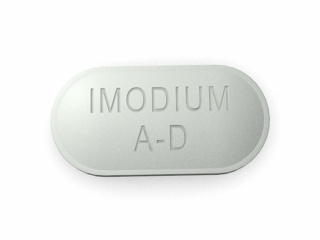
Imodium® contains loperamide, an anti-diarrhoeal medicine used to relieve the symptoms of diarrhoea. It works by slowing down gut movement, helping you to reduce the frequency and urgency of loose bowel motions.
This information is written to be patient-friendly and is designed for use by people in Australia. Always read the product label and follow the directions provided by your pharmacist or the written instructions in the pack.
Quick Product Facts
- Active ingredient: Loperamide
- Common use: Symptomatic treatment of acute diarrhoea
- Typical formulation: Capsules, tablets, or liquid (varies by brand/pack)
- How it helps: Reduces bowel movements and urgency
- Availability: Widely available via pharmacies and online pharmacies in Australia
What Is Imodium (Loperamide)?
Imodium is a medicine used to treat diarrhoea. It is useful when diarrhoea is causing discomfort, frequent bowel motions, or urgency and you need symptom relief. Loperamide is not an antibiotic. It does not directly “kill” germs that may be causing diarrhoea. Instead, it helps control bowel motion so you feel better.
Imodium is suitable for many adults and older children when used according to label directions.
How Does It Work? (Mechanism of Action)
Loperamide works in the intestines. It:
- Activates opioid (mu) receptors in the gut wall.
- Reduces intestinal motility (slows the movement of the digestive tract).
- Increases transit time, allowing more fluid to be absorbed back into the body.
- Helps reduce urgency and the number of bowel movements.
Because it primarily acts in the intestines (and is normally kept from entering the brain in typical doses), it helps manage diarrhoea symptoms without producing the strong pain-relieving or sedating effects associated with some other opioid medicines when taken correctly.
Pharmacokinetics (How the Body Handles Loperamide)
“Pharmacokinetics” describes what happens to the medicine after you take it.
| Stage | What to expect (generalised) |
|---|---|
| Absorption | Loperamide is absorbed from the gut after oral dosing. |
| Distribution | It acts mainly within the gastrointestinal tract; effects on the brain are limited at recommended doses. |
| Metabolism | Primarily metabolised in the liver. |
| Excretion | Excreted mainly via faeces, with some elimination through kidneys. |
| Onset | Often begins to work within hours; exact timing varies by person and diarrhoea cause. |
Important: Taking more than the recommended dose increases the risk of serious side effects, including heart rhythm problems.
What Is Imodium Used For?
Imodium is used to treat diarrhoea by reducing the number of loose stools and urgency.
Typical indications (where it may be appropriate)
- Acute diarrhoea in adults and older children when there is no suspicion of invasive bacterial infection.
- Symptomatic control of diarrhoea (for example, when diarrhoea needs relief while the underlying cause settles).
- Chronic diarrhoea in some conditions under appropriate medical guidance.
Not for every type of diarrhoea: Some diarrhoea needs medical review rather than symptom suppression. See “When to seek help” below.
When Should You Avoid Imodium? (Important Safety Warnings)
Do not use Imodium (loperamide) if any of the following apply unless a healthcare professional advises otherwise:
- Diarrhoea with blood or high fever (possible invasive infection).
- Severe abdominal pain, swelling, or suspected bowel obstruction.
- Antibiotic-associated diarrhoea (particularly if severe or persistent).
- Diarrhoea caused by colitis or conditions where slowing bowel movement could be harmful.
- In children: follow the age and dosing restrictions on the specific product label carefully.
If symptoms suggest a more serious cause, controlling symptoms may delay appropriate treatment. In such cases, seek advice promptly.
Typical Dosage and How to Take It
Always follow the dosing directions on the package or those provided by your pharmacist. Different Imodium formulations may have different strengths and dosing schedules.
Adults (general guidance)
For acute diarrhoea, adults commonly start with an initial dose and then take additional doses after each loose stool, up to a daily limit specified by the label.
Children
Children are not just “small adults.” Use only if the product label indicates it is suitable for the child’s age. Dosing for children must be measured carefully, and incorrect dosing increases risk.
Do not exceed the maximum daily dose
- Check the pack for the maximum dose in 24 hours.
- Do not take it for longer than the label recommends (commonly a few days for acute diarrhoea).
If diarrhoea does not improve after the recommended period, stop using it and seek medical advice.
Timing: When Does It Start Working?
Many people notice symptom improvement within 1–3 hours after taking loperamide (individual responses vary). It helps slow bowel movements and reduce urgency, but it does not “cure” the cause of diarrhoea.
Practical timing tips:
- Take doses according to the instructions on the label.
- If you continue to pass frequent watery stools, it may indicate an ongoing cause that should be assessed—particularly if symptoms persist beyond a short time.
- Hydration remains essential even if stools slow down.
Food and Drink Interactions
In most cases, loperamide can be taken with or without food. However, food can affect how quickly your body absorbs medicines.
- If your stomach is upset: taking it with a small amount of food or after a light snack may be more comfortable.
- Focus on fluids: diarrhoea often causes fluid and electrolyte loss. Use oral rehydration solutions if needed.
General advice: Avoid very large meals while you are actively having diarrhoea. Choose bland, gentle foods if you are able to eat.
Alcohol Interactions
Loperamide does not have a simple “must avoid” alcohol rule for all situations at recommended doses, but it is best to use alcohol cautiously or avoid it while you are unwell.
- Diarrhoea can dehydrate you; alcohol may worsen dehydration.
- Alcohol may affect your judgement and increase the risk of taking extra doses.
Safety point: Do not exceed recommended doses, especially if you have consumed alcohol or are taking other medicines that may interact.
Medicine Interactions (Including Important Medicines)
Loperamide may interact with other medicines that affect how it is processed in the body, particularly liver enzymes and transport proteins. Some combinations can raise loperamide levels and increase the risk of serious side effects, including heart rhythm changes.
Be extra careful if you are taking:
- Medicines that inhibit liver enzymes or drug transport (can increase loperamide concentration)
- Other opioid-type medicines or medicines that affect the nervous system
- Certain antibiotics or antifungals (check with your pharmacist)
- Certain heart rhythm medicines or medicines that can affect cardiac conduction
Do not guess: If you are unsure whether your current medicines might interact, speak with a pharmacist. Provide a list of your medicines and any recent antibiotics.
Practical Use Tips for Best Results
To get the most benefit from Imodium while staying safe:
- Start early when appropriate: If diarrhoea is clearly acute and uncomplicated, early symptom control may help you function normally.
- Use hydration as your priority: Oral rehydration solution (ORS) or electrolyte fluids are often more important than anti-diarrhoeal control.
- Choose simple foods: soups, rice, toast, bananas, yoghurt (if tolerated), and gentle meals may be easier than fatty foods.
- Avoid “stop and ignore”: If symptoms worsen or do not improve quickly, stop using symptom control and get advice.
- Hand hygiene: wash hands well to reduce spread, especially if diarrhoea is infectious.
When to stop: If you develop severe abdominal pain, bloating, blood in stool, fever, or symptoms persist beyond the label’s guidance, discontinue and seek advice.
Safety Profile and Side Effects
Most people tolerate loperamide well when taken at recommended doses. However, as with all medicines, side effects can occur.
Common side effects
- Constipation
- Nausea
- Headache
- Dizziness (uncommon)
Serious side effects (get urgent help)
Seek urgent medical attention if you experience:
- Fainting, severe dizziness, or a very fast/irregular heartbeat
- Severe allergic reactions (swelling of face/lips, difficulty breathing)
- Severe abdominal pain or marked distension
- Blood in the stool or persistent fever
Why dose matters
Taking more than the recommended dose can increase the risk of serious harm, including heart rhythm problems. Keep to the pack instructions and do not extend use beyond the recommended period without advice.
When to Seek Medical Advice (Red Flags)
Get medical advice promptly (or emergency care if severe) if diarrhoea is accompanied by any of the following:
- Blood in stools
- High fever or persistent fever
- Severe abdominal pain or bloating
- Signs of dehydration (very dry mouth, dizziness, minimal urine, extreme weakness)
- Diarrhoea lasting longer than a few days or not improving
- Pregnancy, significant medical conditions, or immunocompromised status
- Infants and young children (extra caution—follow child-specific guidance and seek advice)
Alternative Options for Diarrhoea Relief
If Imodium isn’t suitable or you prefer other approaches, options may include:
- Oral rehydration solutions (ORS): Helps replace lost water and salts. Often the most important first step.
- Diet and fluid support: Bland foods, avoid alcohol and very fatty foods.
- Probiotics: Some people find they reduce duration of certain diarrhoeas, though effects vary by product and cause.
- Other anti-diarrhoeal medicines: Availability differs; ask a pharmacist about suitable choices.
Note: For suspected infectious diarrhoea, hydration and appropriate evaluation matter more than simply stopping bowel movements.
Alcohol and Dehydration: Extra Considerations
During diarrhoea, your body is already losing fluids. Alcohol can increase dehydration and irritate the digestive tract in some people. For comfort and safety, it’s usually best to avoid alcohol until you are better and fully hydrated.
Market and Legal Context (Australia)
In Australia, loperamide products such as Imodium are commonly supplied through pharmacies. Depending on the formulation and local classification, some products may be behind-the-counter or available from a pharmacist with advice. Regulations ensure that people receive correct dosing information and appropriate safety screening.
Online pharmacies operating in Australia must follow applicable advertising and supply rules, including providing clear product details and safety information. You should only purchase from reputable Australian-registered suppliers.
Always check the product label: formulations and strengths vary, and dosing depends on what you are buying.
Recent Guidance and Ongoing Safety Focus
Ongoing global and national safety messaging has focused on:
- Staying within recommended dosing and not using beyond the label period for acute diarrhoea.
- Avoiding misuse, including taking excessive amounts or combining with interacting medicines.
- Recognising red flags (blood in stool, fever, severe pain, dehydration) that require medical assessment.
If you are unsure whether your diarrhoea is appropriate to treat with loperamide, ask a pharmacist. They can help you decide based on symptoms and your personal health history.
Delivery and Availability in Australia
Imodium (loperamide) is commonly available from Australian pharmacies and many online pharmacy services. When buying online, you may receive:
- Packaged product with consumer information
- Delivery to your address with standard or express options (varies by supplier)
- Customer support for product questions and suitable use
Storage: Keep the medicine in a cool, dry place as directed on the pack. Keep out of reach of children.
Check expiry dates before use.
FAQ – Frequently Asked Questions
1) How quickly does Imodium work?
Many people notice improvement within a few hours. Exact timing varies depending on the cause of diarrhoea and your metabolism. If you don’t see improvement within the label’s recommended timeframe, seek advice.
2) Can I take Imodium with food?
Yes, it is generally fine to take loperamide with or without food. If your stomach feels unsettled, taking it after a light snack may help.
3) Should I still drink fluids even if I take Imodium?
Yes. Imodium helps reduce bowel movements, but diarrhoea can still cause dehydration. Consider oral rehydration solution, especially if stools are frequent or watery.
4) Is Imodium safe for children?
Only use loperamide in children if the specific product label indicates it is appropriate for that age and you follow the dosing instructions exactly. If in doubt, ask a pharmacist.
5) What if my diarrhoea has blood or fever?
Do not use loperamide if diarrhoea includes blood or significant fever, or if you have severe abdominal pain. Seek medical advice promptly.
6) How long can I take Imodium?
For acute diarrhoea, follow the pack instructions. If diarrhoea persists beyond the recommended period, stop and get advice.
7) Can I drink alcohol while using Imodium?
It’s best to avoid alcohol while you’re unwell and dehydrated. If you choose to drink, do so cautiously and never exceed the recommended dose of loperamide.
8) Can Imodium interact with my other medicines?
Yes, interactions can occur—especially with medicines that affect liver processing or heart rhythm risk. Provide your medicine list to a pharmacist if you are unsure.
9) What should I do if I miss a dose?
Take it when you remember if it is still within the dosing schedule on the label. Do not double up. If you’re unsure, ask a pharmacist.
10) What is the difference between treating symptoms and treating the cause?
Imodium helps control symptoms (frequency and urgency). It does not treat the underlying cause such as infection. If diarrhoea is severe, prolonged, or associated with red flags, you may need further assessment.
Summary
Imodium (loperamide) is commonly used in Australia for symptomatic relief of diarrhoea. It works by slowing gut movement, which reduces urgency and the number of loose stools. While it can help you feel better quickly, it is important to:
- Follow the label dosing and do not exceed the maximum daily amount
- Maintain hydration, particularly with oral rehydration solutions
- Seek advice if diarrhoea includes blood, fever, severe pain, or lasts longer than expected
- Be cautious with drug interactions and alcohol during illness
If you have questions about whether Imodium is suitable for your situation, speak with a pharmacist or healthcare professional.