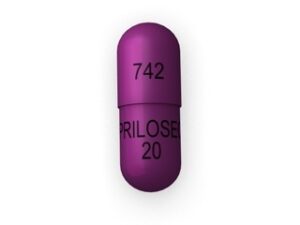
Pepcid (Famotidine) – Patient-Friendly Information (Australia)
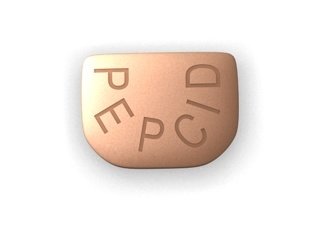
Pepcid is a well-known medicine containing famotidine, used to reduce stomach acid. It’s commonly used for conditions such as heartburn and indigestion, and for some stomach and gut conditions where acid plays an important role. This page explains how Pepcid works, when and how to take it, possible interactions, practical tips, and safety information—written in a patient-friendly way for people in Australia.
Always follow the instructions on the label or from your healthcare professional.
1. Basic Product Information
- Active ingredient: Famotidine
- Brand example: Pepcid
- Medicinal class: H2-receptor (histamine-2) blocker
- Common uses: Heartburn (reflux), acid indigestion, and other acid-related conditions
- Availability: Typically available through pharmacies in Australia; some packs may be available without a prescription depending on local regulations and product format.
Important note: Different countries and brands may have different strengths. Check the pack you have for the exact dose (for example, tablets often come in 10 mg or 20 mg strengths). If you’re unsure, ask a pharmacist.
2. How Pepcid Works (Mechanism of Action)
Famotidine reduces the amount of acid made by your stomach. It does this by blocking histamine-2 (H2) receptors on stomach cells (parietal cells). Normally, histamine helps “turn on” acid secretion. When these receptors are blocked, the stomach produces less acid.
This can help relieve:
- Heartburn (burning sensation in the chest)
- Acid indigestion (sour taste, discomfort after meals)
- Reflux-related irritation where stomach acid contributes to symptoms
3. Pharmacokinetics (How the Body Handles Pepcid)
Pharmacokinetics describes what the body does to a medicine—how it’s absorbed, distributed, metabolised, and eliminated.
- Absorption: Famotidine is absorbed after oral dosing. Food may affect the speed of absorption for some individuals, but overall symptom relief is typically still effective.
- Onset of action: Many people notice improvement within 1 hour (timing varies).
- Duration: Pepcid is often taken once or twice daily depending on the dose and the condition being treated. Its acid-suppressing effect may last for several hours.
- Elimination: Famotidine is cleared mostly via the kidneys. If you have kidney problems, your prescriber or pharmacist may recommend adjustments.
Kidney health matters: Because famotidine is primarily removed by the kidneys, people with reduced kidney function may need different dosing or extra monitoring.
4. Typical Uses and Indications
Pepcid is used for a range of acid-related problems. Common indications include:
- Heartburn (often associated with gastro-oesophageal reflux)
- Acid indigestion (including discomfort after meals)
- Gastro-oesophageal reflux disease (GORD) symptoms such as burning and irritation
- Protection or treatment of stomach and upper gut conditions where reducing acid helps (depending on product guidance and clinician advice)
When symptoms are persistent: If you regularly need acid reducers, symptoms last more than 2 weeks, or you have “alarm” symptoms (see Safety Profile section), consult a healthcare professional.
5. Dosing (General Guidance)
Always check your pack for the exact recommended dose for your product strength and form.
Below is general information commonly used for famotidine in adults. Your pharmacy label may differ depending on the condition, severity, and whether the product is intended for intermittent or regular use.
| Purpose / Situation | Typical adult timing | Typical dosing (check your pack) |
|---|---|---|
| Intermittent heartburn / acid indigestion | Often before meals or when symptoms start | Common strengths include 10 mg or 20 mg per dose |
| Persistent symptoms (doctor-guided) | May be used once or twice daily | May require different dose schedules based on kidney function and symptom pattern |
| Night-time reflux | Often before bedtime | Pack guidance may recommend a dose before sleep |
Kidney impairment: Dose adjustments may be needed if you have reduced kidney function. Ask your pharmacist if you’re not sure what applies to you.
Children: Famotidine dosing for children depends on weight and the specific product/indication. Check the pack or consult a healthcare professional for age-appropriate guidance.
6. When to Take Pepcid (Timing and How to Use)
Correct timing can improve effectiveness. In general:
- For symptoms related to meals: take Pepcid before eating (commonly about 15–60 minutes before meals, depending on your pack instructions and symptom pattern).
- For night-time heartburn: take it before bedtime as recommended by your pack or clinician.
- If you are using it “as needed”: take it when symptoms start, but if symptoms are frequent, regular dosing schedules may work better (discuss with a pharmacist).
How to swallow: Swallow tablets whole with water. If you have difficulty swallowing tablets, speak with a pharmacist about suitable options.
Missed dose: If you forget a dose, take it when you remember unless it is close to the next dose. Don’t double up.
7. Food Interactions (Eating and Drinking Effects)
Famotidine can be taken with or without food for many people, but food may influence how quickly it starts to work.
- Absorption and onset: Some people may find symptoms improve sooner when they take famotidine before meals.
- Heavy or fatty meals: These can worsen reflux for many individuals, regardless of medication.
- Large meals late at night: These are a common cause of night-time heartburn.
Practical tip: Keep a brief symptom diary (what you ate, when symptoms occurred, what dose you took). This can help you and your pharmacist fine-tune timing.
8. Alcohol and Medicine Interactions
Alcohol
Alcohol can worsen heartburn and reflux by relaxing the valve between the stomach and oesophagus and increasing irritation. While pepcid may reduce acid, it may not fully prevent alcohol-related symptoms.
- If you notice symptoms after alcohol, consider reducing or avoiding alcohol during treatment.
- Be especially cautious with alcohol when taking other medicines that affect the stomach or cause dizziness/sedation.
Medicine interactions
Famotidine can affect stomach acidity, which may change how some medicines absorb and work. The most important interactions depend on the medicines you take.
Examples of medicines that may interact (ask your pharmacist to check your list):
- Medicines requiring stomach acid for absorption (some antifungals and certain other medicines). Lower acid may reduce absorption for these drugs.
- Drugs that also affect the stomach (e.g., some non-steroidal anti-inflammatory drugs like ibuprofen or aspirin) may still cause irritation even if acid is reduced.
- Other acid-reducing medicines: Taking multiple acid medicines together may be unnecessary. Your pharmacist can advise whether combining is safe or effective.
Always tell your pharmacist about all medicines and supplements you use, including:
- Prescription medicines
- Over-the-counter products (including antacids and proton pump inhibitors)
- Herbal remedies
- Vitamins or supplements
9. Safety Profile and Precautions
Like all medicines, Pepcid can cause side effects. Most are mild, but serious reactions are rare. If you feel unwell or develop new symptoms, seek advice promptly.
Common side effects
- Headache
- Dizziness
- Constipation or diarrhoea (less common)
- Nausea
Less common or serious concerns (seek medical advice)
Contact a healthcare professional urgently if you experience:
- Allergic reaction (swelling of face/lips, rash, breathing difficulty)
- Chest pain that is severe, new, or unexplained (not all chest discomfort is heartburn)
- Unexplained weight loss
- Difficulty swallowing or pain when swallowing
- Vomiting blood or black/tarry stools
- Persistent vomiting or severe stomach pain
Special precautions
- Kidney disease: Because famotidine is mainly cleared by the kidneys, caution may be needed.
- Older adults: Monitor for side effects and consider kidney function.
- Pregnancy and breastfeeding: Many patients use acid-reducing medicines during these times, but always confirm suitability with a pharmacist or doctor.
- Long-term use: If you require acid reduction regularly for weeks or months, it’s important to discuss with a healthcare professional to ensure the underlying cause is properly managed.
When to see a clinician rather than self-treat
Seek advice if:
- Symptoms occur frequently (for example, most days)
- You need medicine continuously rather than occasional relief
- Symptoms persist despite correct use
- You have risk factors for more serious disease (for example, bleeding, anaemia, or a significant family history—your pharmacist can advise)
10. Practical Use Tips (Getting the Best Results)
Medication works best when paired with lifestyle strategies. Consider these practical steps:
- Take it at the right time: before meals or before bed, based on your symptom pattern.
- Avoid trigger foods: common triggers include spicy foods, citrus, tomato-based foods, peppermint, chocolate, and coffee for some people.
- Reduce late-night eating: avoid meals within 2–3 hours of bedtime.
- Smaller meals: large meals increase reflux risk.
- Stay upright after eating: sitting or walking for 30–60 minutes may help.
- Weight management: if relevant, reducing weight can significantly improve reflux in many people.
- Smoking: quitting can reduce reflux symptoms and improve overall digestive health.
- Review other medicines: some medicines can irritate the stomach or worsen reflux.
Track your response: note how quickly symptoms improve and whether you need ongoing dosing. Bring the information to your pharmacist if you’re not getting adequate relief.
11. Alternative Options (What else can help?)
Depending on your symptoms and medical history, your pharmacist may suggest alternative medicines or non-medicine options. Common options include:
- Antacids (short-acting relief): helpful for quick, occasional symptom relief. They neutralise existing stomach acid.
- Proton pump inhibitors (PPIs) (stronger acid suppression): usually used for more persistent reflux. Examples include omeprazole and esomeprazole (brand and availability vary).
- H2 blockers other than famotidine: some products may contain similar medicines, depending on availability.
- Lifestyle changes: diet adjustments, meal timing, and sleeping position can be as important as medicine for many people.
Which is best? If symptoms are mild and occasional, famotidine may be suitable. If symptoms are frequent or severe, your pharmacist may recommend a different approach after assessing your pattern.
12. Australia Market & Legal Context (Overview)
In Australia, the way Pepcid (famotidine) is supplied—pharmacist-only access or other category—depends on the specific product strength, formulation, and local scheduling rules. Many acid-reducing medicines are available through community pharmacies for short-term self-care, while other situations may require clinician assessment.
- Pharmacy dispensing: You can typically discuss symptoms and product suitability with a pharmacist.
- Safety-focused advice: Pharmacists may ask about symptoms and red flags to ensure appropriate use.
- Label guidance: Always use the dose and duration stated on your pack unless a healthcare professional advises otherwise.
Recent guidance (general trends): In Australia and globally, guidance increasingly emphasises:
- Appropriate use for the shortest time needed for symptom control
- Reviewing ongoing symptoms rather than relying on self-treatment indefinitely
- Checking for alarm features (e.g., swallowing difficulties, bleeding, unexplained weight loss)
- Considering lifestyle measures alongside medication
For the most current local advice, consult your pharmacist or healthcare provider.
13. Delivery and Availability (What to Expect)
Pepcid (famotidine) is commonly stocked by pharmacies and may also be available through online pharmacy services in Australia, depending on the current product category and supply rules.
- Availability: Many commonly used strengths (commonly 10 mg or 20 mg tablets) are frequently stocked.
- Delivery times: Delivery times vary by provider and location (metro vs regional). Check the estimated dispatch and delivery window at checkout.
- Packaging: Items are usually packed in protective outer packaging for safe transit.
- Cold chain: Famotidine tablets typically do not require refrigeration.
Tip: If you’re taking Pepcid regularly, consider ordering ahead of time to avoid running out.
14. FAQ (Frequently Asked Questions)
How quickly does Pepcid work?
Many people notice relief within about 1 hour. For best results with meal-related symptoms, taking it before eating may improve timing.
How long can I take Pepcid?
If you use Pepcid for occasional heartburn, short-term use is usually typical. If symptoms continue, recur frequently, or you need it most days, it’s best to discuss with a pharmacist or healthcare professional to confirm the cause and choose the most suitable longer-term plan.
Can I take Pepcid with other acid reducers?
Sometimes it may be possible, but it depends on the specific product. Avoid unnecessary duplication. A pharmacist can help check whether combining with antacids or PPIs makes sense for your situation and whether timing should be adjusted.
Is Pepcid safe for everyone?
Most people tolerate famotidine well. However, extra caution may be needed if you have kidney disease, if you’re pregnant or breastfeeding, or if you’re taking other medicines that may interact. Check with a pharmacist if you have any concerns.
Does food affect Pepcid?
Food may affect the speed of absorption. For symptoms linked to meals, taking Pepcid before eating is often more effective. Otherwise, many people can take it with or without food.
What should I avoid while taking Pepcid?
You can usually take Pepcid safely while continuing normal activities, but it may not prevent reflux triggers. Consider reducing alcohol and avoiding known food triggers, large late meals, and lying down right after eating.
What are the warning signs that I shouldn’t ignore?
Get prompt medical advice if you have any of the following: trouble swallowing, vomiting blood, black/tarry stools, persistent or worsening symptoms, unexplained weight loss, or severe chest pain that could be something other than heartburn.
Can Pepcid replace lifestyle changes?
Pepcid helps reduce acid, but lifestyle measures (meal timing, diet triggers, weight management, smoking cessation, and positioning during sleep) often provide additional and longer-lasting benefit—especially for reflux.
Should I be concerned about long-term use?
Long-term or frequent use should be reviewed with a healthcare professional. The goal is to treat symptoms while also assessing the underlying cause and ensuring the safest, most appropriate regimen.
Summary
Pepcid (famotidine) is an H2-receptor blocker that reduces stomach acid and can relieve heartburn and acid indigestion. It’s often taken before meals or before bedtime depending on your symptoms. Most people tolerate famotidine well, but it’s important to follow pack instructions, pay attention to timing, and be alert to “red flag” symptoms such as bleeding, difficulty swallowing, or persistent symptoms.
If you’re unsure about your dose, interactions, or whether your symptoms suggest a condition that needs further assessment, ask a pharmacist for tailored advice in Australia.