Ketoconazole: Patient-Friendly Guide (Australia)
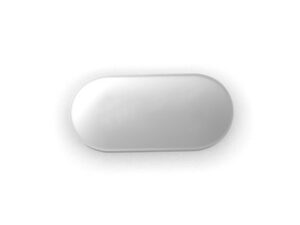
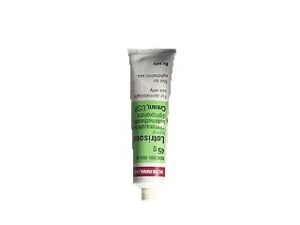
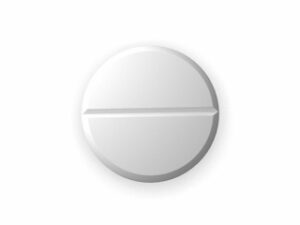
Ketoconazole is an antifungal medicine used to treat infections caused by yeast and certain fungi. It comes in different forms (for example, tablets and external preparations such as creams or shampoos, depending on the product brand and strength). This guide explains how ketoconazole works, how it’s used, what to expect, and important safety information for people in Australia.
Always follow the instructions supplied with your specific product. If you’re unsure which form is appropriate for your condition, speak with a pharmacist or a doctor.
Quick Product Information
- Generic name: Ketoconazole
- Medicinal use: Antifungal (treats fungal/yeast infections)
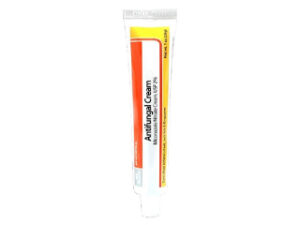
- Common forms (vary by brand): Tablets; external cream/gel; shampoo (often for seborrhoeic dermatitis)
- How it may be used: Short-term courses for certain infections; topical use for skin/scalp conditions
- Who it’s for: Adults and some children depending on product form and clinical guidance
Note: Product availability and exact presentation can vary. Your pharmacist can confirm the most suitable form for your symptoms.
How Ketoconazole Works (Mechanism of Action)
Ketoconazole works by interfering with the fungus’s ability to make essential cell membrane components. Specifically, it reduces the production of ergosterol, a key sterol found in fungal cell membranes.
Without enough ergosterol, fungal cells become weaker and may stop growing or die. Depending on the infection type and the concentration achieved, ketoconazole can act as a fungistatic (slows growth) or fungicidal (kills fungi).
Pharmacokinetics (Absorption, Distribution, Metabolism, Elimination)
How ketoconazole behaves in the body depends on the formulation.
Tablets (oral ketoconazole)
- Absorption: Absorption can be reduced when stomach acid is low. Food and acid-reducing medicines can affect uptake.
- Distribution: It spreads through body tissues, with the highest exposure often relating to where the medicine is needed for the specific infection.
- Metabolism: Ketoconazole is mainly metabolised in the liver.
- Elimination: It is eliminated primarily via the liver/bile pathways and through faeces; a smaller proportion may be excreted in urine.
Topical ketoconazole (cream/gel/shampoo)
- Absorption: Generally lower systemic absorption than tablets, but some absorption can occur especially over larger areas, under occlusion, or if the skin barrier is disrupted.
- Local action: Primarily targets the fungal source on the skin or scalp.
- Metabolism/elimination: Any absorbed fraction is processed by the body, largely through liver pathways.
Typical Uses in Australia
Ketoconazole is used to treat infections due to susceptible fungi. The most appropriate use depends on the ketoconazole form and the diagnosed condition.
Common indications (depending on product form)
- Seborrhoeic dermatitis of the scalp (often with ketoconazole shampoo)
- Fungal skin infections (such as ringworm/tinea and other yeast-associated skin conditions with topical formulations)
- Yeast infections in skin folds or areas where yeast commonly causes problems (topical products)
- Some more serious systemic fungal infections (for oral tablets, usage is typically restricted and guided by healthcare professionals due to safety considerations)
Because ketoconazole tablets can carry important risks, the balance of benefits vs harms is carefully considered. Topical products are often preferred for localised skin/scalp conditions.
Timing: When to Take or Apply Ketoconazole
Oral tablets
- Follow the product instructions and the specific directions provided with your medication.
- Take at the recommended time each day if you’re using a course.
- Use consistently: stopping early can allow infection to return.
Topical cream/gel
- Apply to clean, dry skin as directed.
- Use the correct amount (avoid under- or over-application).
- Continue for the full course even if symptoms improve.
Ketoconazole shampoo
- Apply to damp scalp, massage gently, then leave for the directed time (often several minutes) before rinsing.
- Use the frequency stated (for example, a few times per week for a set duration, depending on the product).
If you miss a dose or application, refer to the product instructions. In general, apply/use as soon as you remember unless it’s close to the next scheduled dose; do not double up.
Food Interactions (Oral Ketoconazole)
For oral ketoconazole, stomach acidity is important for absorption. Certain food patterns and drinks—especially those that significantly affect stomach acid—may change how much medicine is absorbed.
- Avoid taking with acid-suppressing conditions/medicines: See “Food and medicine interactions” below.
- Follow instructions about taking with or without food for your specific product. Some products may require taking with food to support absorption, while others may be taken as directed regardless of meals.
If you have reflux, take antacids, or are using acid-lowering therapies, ask your pharmacist for guidance on how to schedule ketoconazole with your other medicines.
Alcohol and Medicine Interactions
Alcohol
Alcohol should be used with caution during ketoconazole treatment, particularly with oral tablets. Ketoconazole can affect the liver. Drinking alcohol may increase the likelihood of liver strain.
- Best approach: Avoid alcohol or keep it minimal while taking oral ketoconazole.
- Seek advice urgently if you notice symptoms such as unusual fatigue, dark urine, yellowing of the skin/eyes, or persistent nausea.
Important medicine interactions (oral ketoconazole)
Ketoconazole has multiple potential interactions, mainly because it can affect how other drugs are metabolised and because other medicines can affect ketoconazole absorption.
Tell your pharmacist or doctor about all medicines and supplements you take, including:
- Acid-reducing medicines (e.g., proton pump inhibitors, H2 blockers, antacids) that may reduce absorption
- CYP3A4-related medicines that can increase or decrease ketoconazole levels
- Medicines that can affect the heart rhythm (some antifungals and other drugs may prolong the QT interval; combining may raise risk)
- Medicines that also affect the liver or raise liver enzyme levels
- Some anticoagulants and anti-epileptics (interaction potential varies—only professional review can confirm safety)
Topical ketoconazole interactions
Topical preparations generally have fewer systemic interactions. However, if you’re using ketoconazole across large areas, on broken skin, or under occlusion, or if you have liver disease, consult a healthcare professional.
Dosing: What “Typical Doses” Can Look Like
Dosing depends on the condition, the formulation, the strength, and individual factors such as liver health and other medications. The tables below provide general examples. Always check the exact dose on your product label.
| Form | Typical use | Common dosing pattern (example) | Duration (example) |
|---|---|---|---|
| Ketoconazole oral tablets | Selected fungal infections (systemic use is carefully considered) | One or more times daily as directed by the product/clinician | Often a limited course; may be longer for specific conditions |
| Ketoconazole cream/gel | Localized fungal/yeast skin infections | Applied to affected areas once or twice daily | Typically 2–4 weeks or as directed; continue for the full course |
| Ketoconazole shampoo | Seborrhoeic dermatitis (scalp) | Used several times weekly, then reduced to maintenance if recommended | Often several weeks for treatment phase |
Important: Dosing must be individualised. If you have kidney or liver problems, take interacting medicines, or have a history of abnormal liver tests, your pharmacist/doctor may advise an adjusted plan.
Safety Profile: Side Effects and Warnings
Like all medicines, ketoconazole can cause side effects. Most people tolerate topical forms well, while oral ketoconazole has a more significant safety profile and requires careful monitoring.
Common side effects
- Oral tablets: nausea, abdominal discomfort, headache, dizziness, or changes in taste (varies by person)
- Topical cream: mild skin irritation, redness, itching, dryness
- Shampoo: scalp irritation, dryness, or slight changes in hair feel
Serious risks (especially relevant to oral ketoconazole)
Oral ketoconazole has important warnings related to liver injury and heart rhythm in certain circumstances. Contact medical help promptly if you experience:
- Signs of liver problems: yellow skin/eyes (jaundice), dark urine, severe fatigue, loss of appetite, persistent nausea/vomiting
- Severe allergic reactions: swelling of the face/lips, difficulty breathing, widespread rash
- Heart rhythm symptoms: fainting, severe dizziness, palpitations
Who should be extra cautious
- People with existing liver disease or a history of abnormal liver function tests
- People taking medicines that may interact with ketoconazole or affect liver enzymes
- People with risk factors for heart rhythm problems
- Pregnant or breastfeeding individuals—discuss with a healthcare professional before use
Pregnancy and breastfeeding (general guidance)
Safety in pregnancy and breastfeeding depends on the condition, severity, and formulation. Because systemic exposure differs between oral and topical forms, the safest approach may vary. Ask your pharmacist or doctor for individual advice.
Practical Use Tips for Better Outcomes
- Don’t stop early: Symptoms can improve before the fungus is fully cleared. Complete the full course as directed.
- Keep the area clean and dry: For skin folds and fungal rashes, moisture control helps prevent recurrence.
- Wash hands after application: This reduces spread to other body areas and to other people.
- Check the diagnosis if not improving: If symptoms worsen or don’t improve within the expected time, reassessment is important—some rashes are not fungal.
- Avoid sharing towels, combs, and bedding if using a scalp or skin treatment.
- For shampoo: Massage gently and allow the contact time specified by the product.
- Moisturise if irritated: If you get dryness from topical products, a compatible moisturiser may help—ask your pharmacist if unsure.
Food and Medicine Interactions: A Checklist
Before starting ketoconazole, review the following with your pharmacist, particularly if using oral tablets:
- Acid-lowering medicines: antacids, H2 blockers, proton pump inhibitors
- Other antifungals or antibiotics: some combinations can change levels or increase risk
- Cardiac medications: any drug that affects heart rhythm
- Cholesterol-lowering, seizure, blood-thinning or transplant-related medicines (interaction potential varies)
- Herbal products and supplements: including products that affect liver enzymes
If you’re unsure whether a product interacts, your pharmacist can check your specific medicine list.
Alternative Options
Depending on the infection type, location, and severity, other antifungal treatments may be used. Common alternatives include:
- Topical azoles: such as clotrimazole or miconazole (often used for skin infections)
- Antifungal creams/lotions: e.g., terbinafine for certain dermatophyte infections (as clinically appropriate)
- Different scalp treatments: other anti-dandruff or antifungal shampoo preparations
- For systemic fungal disease: other oral antifungals may be considered, depending on susceptibility and safety
The “best” alternative depends on the organism involved, whether it’s localised or systemic, and your personal risk factors. Your pharmacist or doctor can help compare options.
Market and Legal Context in Australia
In Australia, antifungal medicines are supplied under different classifications depending on the formulation and strength. Availability can also depend on whether the product is indicated for general use (for example, some topical or shampoo products) versus more specialist use (for example, certain oral formulations). Regulations aim to support safe use and reduce the risk of serious adverse effects from systemic medicines.
Australia’s medicines regulatory environment is overseen by the Therapeutic Goods Administration (TGA). Medicines may have specific prescribing, supply, and safety requirements based on ongoing evidence and risk assessments.
If you’d like, you can ask your pharmacist to confirm the status of the exact ketoconazole product you’re considering (e.g., topical vs oral) and what safety advice applies to it.
Recent Guidance and Important Safety Updates (General)
Over recent years, safety communications have focused on systemic antifungals and their potential for serious liver injury and interactions with other medicines. Healthcare providers have increasingly preferred alternative options when possible, especially for conditions that can be treated effectively with topical agents or other systemic antifungals with a more favourable safety profile.
For patients, the key “action items” are:
- Do not self-adjust dose or duration.
- Report liver-related symptoms promptly.
- Check interactions with your pharmacist, especially before starting oral ketoconazole.
- Use the right formulation for the condition (topical for skin/scalp; systemic only when clinically appropriate).
Delivery and Availability
Online pharmacies in Australia may stock ketoconazole products depending on formulation and regulatory requirements. Availability can vary by brand, strength, and whether the product is supplied under general or restricted conditions.
- Dispatch: Products may be dispatched on business days after order confirmation.
- Delivery: Delivery times depend on your location and the pharmacy’s courier network.
- Packaging: Medicines are typically supplied in protective packaging with clear label instructions.
If you need ketoconazole urgently, contact customer support to confirm current stock and estimated delivery times.
FAQ: Common Questions About Ketoconazole
1) What is ketoconazole used for?
Ketoconazole is used to treat fungal and yeast infections. Topical ketoconazole products are commonly used for skin and scalp conditions such as seborrhoeic dermatitis. Oral ketoconazole may be used for selected fungal infections where appropriate.
2) How long does it take to work?
Many people notice improvement within a few days, especially for topical use. However, clearing the infection fully often takes longer. Continue using ketoconazole for the full course recommended on the product instructions.
3) Can I use ketoconazole for dandruff?
Yes—ketoconazole shampoo is commonly used for dandruff linked to seborrhoeic dermatitis. If your scalp condition doesn’t improve after the expected treatment period, it may not be fungal and should be reassessed.
4) Is ketoconazole safe for everyone?
Most topical users tolerate ketoconazole well. Oral ketoconazole requires extra caution due to potential liver and heart rhythm risks and interaction potential. People with liver disease, those taking interacting medicines, and pregnant/breastfeeding individuals should seek professional advice.
5) What should I do if I miss an application or dose?
If you miss a dose, apply/use it when you remember unless it’s close to your next scheduled time. Don’t apply double amounts to “catch up.” For exact advice, check the instructions on your specific product label.
6) Can I drink alcohol while taking ketoconazole?
Alcohol should be avoided or kept minimal during treatment with oral ketoconazole due to liver safety considerations. If you have concerns, ask your pharmacist.
7) What medicines commonly interact with oral ketoconazole?
Interactions can occur with acid-reducing medicines and with drugs affecting liver metabolism or heart rhythm. Because interaction risk depends on your exact medicine list, have your pharmacist check all medicines and supplements you’re taking.
8) Can I use ketoconazole if I have liver problems?
Extra caution is required, especially for oral ketoconazole. Discuss your medical history with a pharmacist or doctor before using systemic ketoconazole.
9) How should I apply ketoconazole cream?
Apply a thin layer to the affected area and surrounding skin as directed. Keep the area clean and dry. Wash hands after applying to avoid spreading infection.
10) When should I seek urgent medical help?
Seek urgent help if you develop signs of a severe allergic reaction (swelling of face/lips, trouble breathing), or symptoms that may suggest serious liver problems (yellowing eyes/skin, dark urine, severe persistent nausea/vomiting, unusual fatigue).
Summary
Ketoconazole is an antifungal medicine used to treat fungal and yeast-related conditions. Its mechanism involves blocking key steps in fungal cell membrane formation. How you take or apply ketoconazole, along with food and medicine interactions, can affect results—especially for oral tablets. While topical products are commonly used for skin and scalp conditions, oral ketoconazole requires careful safety consideration due to potential liver and heart rhythm risks.
If you’re unsure which form to choose or how to combine it safely with other medicines, your pharmacist can help you find the best plan for your situation.