Betamethasone / Clotrimazole (Topical) – Patient Information
Betamethasone / clotrimazole is a combination medicine used on the skin to treat certain inflammatory fungal skin conditions. It contains two active ingredients:
- Betamethasone (a corticosteroid) – helps reduce redness, itching, swelling and inflammation.
- Clotrimazole (an antifungal) – helps stop the growth of fungus.
This product is intended for topical use (on the skin only). The exact strength and formulation can vary by brand and packaging, but the combination works by tackling both inflammation and fungus at the same time.
Quick Product Summary
| Feature | What it means for you |
|---|---|
| Medicine type | Topical antifungal + topical corticosteroid combination |
| Active ingredients | Betamethasone + Clotrimazole |
| Main purpose | Relieves inflammation and treats fungal infection |
| Typical areas | Skin folds and other affected body areas (as directed) |
| How to use | Apply a thin layer to the affected skin, usually 1–2 times daily |
| How long | Often short-term. Follow your product label and healthcare advice |
| Common side effects | Skin irritation, burning, dryness, or worsening of symptoms if used incorrectly |
How It Works (Mechanism of Action)
Understanding how the two ingredients work can help you use the product safely and effectively.
Clotrimazole – antifungal action
Clotrimazole is an antifungal agent. It interferes with the fungal cell membrane, reducing the fungus’s ability to grow and spread. Over time, the antifungal effect helps clear the infection.
Betamethasone – anti-inflammatory action
Betamethasone is a corticosteroid that reduces inflammation. It helps relieve symptoms such as:
- Redness
- Itching
- Swelling
- Burning or discomfort caused by inflammatory skin responses
The combination is designed for situations where fungal infection and inflammation occur together, leading to intense itching or redness.
Pharmacokinetics (What the Body Does to the Ingredients)
When applied to the skin, absorption is generally limited to the outer layers. However, absorption can increase under certain conditions. This is especially important for corticosteroids (betamethasone), where deeper absorption may increase the risk of side effects.
Key points
- Skin absorption: Usually low with correct use on small areas.
- Increased absorption risk: Can occur if applied to large areas, under occlusion (covered skin), on broken skin, on the face, in skin folds, or for prolonged periods.
- Systemic exposure: Systemic (whole-body) effects are uncommon with short-term, correct topical use, but the possibility rises with higher absorption.
Because of these factors, it is important to apply exactly as directed and avoid using it longer than recommended.
What It’s Used For (Indications)
Betamethasone / clotrimazole is used for inflammatory fungal skin conditions where both:
- a fungal infection is present (treated by clotrimazole), and
- significant inflammation is also present (treated by betamethasone).
Common examples in clinical practice may include fungal infections of the skin with marked redness and itch, such as:
- Fungal infections in skin folds (e.g., intertrigo with a fungal component)
- Fungal dermatitis where inflammation is prominent
Important: This medicine is for the skin and is not intended for use in the eyes or on the inside of the body (for example, in the mouth or vagina), unless specifically directed by the product instructions.
When to Use It (Timing and Routine)
Follow the directions on your product label or those provided by a healthcare professional. As a general guide for topical combination products:
- Typical frequency: Often 1–2 times daily.
- When to apply: Apply at consistent times each day.
- How much: Use enough to cover the affected area and a small margin around it.
Practical routine example
- Morning: Wash and gently dry the area, then apply a thin layer.
- Evening: Repeat if your label or healthcare advice says twice daily.
If you miss a dose, apply it when you remember unless it is close to the next dose. Do not apply extra to “catch up.”
How to Use Correctly (Practical Use Tips)
Before you apply
- Wash your hands before and after applying.
- Clean the affected area gently and pat dry.
- If the area is weepy or very moist, follow the skin-care advice you were given for that condition.
Applying the medicine
- Apply a thin layer to the affected skin.
- Rub in lightly—do not scrub aggressively.
- Use clean fingers or a clean applicator if recommended.
After applying
- Avoid tight occlusive dressings unless directed.
- Do not apply to large areas for long periods.
- Wash your hands again after application.
Stop and review if
- The rash worsens or spreads.
- No improvement is seen within the timeframe stated on the product label.
- Symptoms recur quickly after stopping.
Food Interactions
Because betamethasone / clotrimazole is applied to the skin, it is not expected to have significant food interactions. Unlike oral medicines, food does not usually affect absorption from the skin.
Still, if you are using other medicines for related conditions (for example, tablets for infection), it is helpful to let your pharmacist know what else you take.
Alcohol and Medicine Interactions
Alcohol
No direct alcohol interaction is expected with topical betamethasone / clotrimazole under normal use. However, if you have irritation or skin sensitivity, alcohol may worsen overall irritation for some people.
Other medicines (interaction considerations)
Systemic interactions are unlikely because the medicine is topical. Nevertheless, be cautious if you are using other products on the same area:
- Avoid applying other creams/ointments at the same time on the treated skin unless instructed.
- If you use moisturisers, apply them at different times to avoid diluting or interfering with the medicine.
- Tell your pharmacist about any other topical products you use (including steroid creams, antiseptics, and moisturisers).
If you are using this medicine in combination with other therapies for fungal infection, follow the plan you were given.
Dose and Duration (Typical Dosing Guidance)
The right dose depends on the product strength, the type of skin area, and the severity of the condition. Always use the label instructions for your exact product.
General dosing principles
- Apply: A thin layer to the affected skin.
- Frequency: Usually 1–2 times daily.
- Duration: Typically short-term. Prolonged use can increase corticosteroid side effects.
If symptoms improve, you should not automatically extend the duration—continue to follow the recommended course. Stopping too late can increase the risk of skin thinning, while stopping too early can allow fungal infection to return.
Special considerations
- Facial use and delicate areas: Use only if the product instructions specifically allow it, and ideally under advice.
- Children: Use with extra caution and follow child-specific guidance on the label.
- Large body areas: Avoid if not recommended, as it can increase absorption of betamethasone.
Safety Profile and Side Effects
Most people tolerate betamethasone / clotrimazole well when used correctly and for the recommended duration. However, as it contains a potent anti-inflammatory corticosteroid, safety depends greatly on correct use.
Common side effects
- Mild burning or stinging at application
- Skin irritation or redness
- Dryness or scaling
- Itch may temporarily change during treatment
Less common but important risks
- Skin thinning (atrophy): More likely with prolonged use or on sensitive areas.
- Stretch marks or visible blood vessels with long-term steroid use.
- Perioral dermatitis or acne-like eruptions if used on face or around mouth.
- Rebound or worsening: Some fungal infections can worsen or recur if treatment is stopped too early or if the diagnosis is incorrect.
- Allergic reactions: Rare, but possible—watch for swelling, rash spread, or severe itching.
When to seek urgent medical help
Seek prompt medical attention if you experience signs of a serious allergic reaction (for example, facial swelling, difficulty breathing) or if there is severe skin deterioration.
Precautions and “Do Not Use” Situations
It’s important not to use this combination in the wrong situation. Because it contains a corticosteroid, using it when the condition is not fungal can delay proper healing and may worsen certain infections.
Avoid using on
- Eyes and around the eye area unless specifically advised.
- Mouth or inside body openings.
- Open wounds unless directed by the label or a clinician.
- Areas where the rash may be due to other causes (for example, eczema not related to fungus, or viral skin conditions) unless diagnosis supports it.
If you are unsure whether your rash is fungal, consider having it assessed—accurate diagnosis improves outcomes and reduces the need for repeated treatments.
Alternative Options
Depending on the cause of your skin condition, alternatives may include:
Antifungal-only options
- Clotrimazole alone (antifungal cream/solution where appropriate)
- Other topical antifungals such as terbinafine or azoles, depending on the infection type and location
Anti-inflammatory-only options
- Topical corticosteroids alone for inflammatory dermatitis not caused by fungus (only when a clinician confirms the cause)
Non-medicinal supportive skin care
- Keeping the area clean and dry (especially in skin folds)
- Wearing breathable clothing and avoiding friction
- Replacing or sanitising items that may contribute to reinfection (e.g., towels)
Your pharmacist can help you choose a product based on the location and appearance of the rash.
Market and Legal Context in Australia (Consumer Information)
In Australia, skin medicines are regulated under the Australian regulatory framework overseen by the Therapeutic Goods Administration (TGA). Availability depends on the product formulation and classification, including whether it is supplied over-the-counter or through other channels.
When you purchase a topical medicine online, reputable suppliers ensure:
- Correct product identification (brand, strength, pack size)
- Compliance with Australian labelling requirements
- Clear directions for use, safety warnings, and storage information
Always refer to the packaging and consumer medicine information (CMI) for the exact instructions for your product.
Recent Guidance and Treatment Principles
Guidance across Australia and internationally consistently emphasises a few key principles for topical antifungal and steroid combinations:
- Confirm the likely diagnosis: Combination steroid/antifungal products are best used when fungal infection is suspected or confirmed.
- Use short courses: Corticosteroids should generally be used for the minimum time needed to control inflammation.
- Avoid occlusion: Covered skin increases absorption and side effects.
- Prevent reinfection: Hygiene and keeping the area dry are important for recurrent conditions.
- Review if not improving: Lack of improvement may mean the diagnosis is wrong or resistant fungus is present.
If you have diabetes, immune suppression, extensive or persistent skin disease, or recurrent fungal infections, seek clinical advice for appropriate management.
Delivery, Availability, and What to Expect When Ordering
Online availability of betamethasone / clotrimazole depends on the specific brand and formulation. Delivery terms vary by retailer. When ordering, you can typically expect:
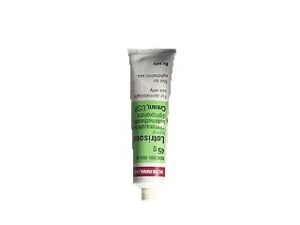
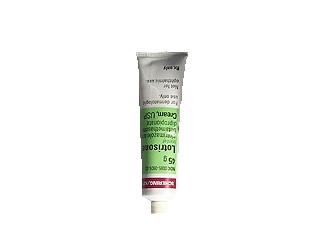
- Clear product images and strength details
- Estimated delivery times based on your location
- Secure packaging to protect the tube/cream container
- Support if you have product questions before ordering
Store the medicine as directed on the label (commonly at room temperature, away from heat and sunlight). Keep it out of reach of children.
FAQ – Frequently Asked Questions
1) What does betamethasone / clotrimazole treat?
It treats certain fungal skin infections that also cause significant inflammation (redness, itching and swelling). The clotrimazole targets the fungus, while betamethasone reduces inflammatory symptoms.
2) How quickly will I feel better?
Many people notice reduced itch and redness within a few days, because the steroid component can act quickly. Clearing the fungal infection may take longer. Continue for the recommended duration even if symptoms improve early—unless your label directs otherwise.
3) Can I use it on my face or in skin folds?
Some formulations may be restricted for sensitive areas. Check your product label carefully. If it is allowed, use sparingly and for the shortest effective time. Corticosteroids can cause side effects more easily on the face and in skin folds.
4) Can I cover the area with bandages or dressings?
Avoid occlusive coverings unless specifically instructed. Covering can increase absorption of the steroid and raise the risk of side effects.
5) Is it safe to use with moisturisers?
You can usually use moisturisers, but avoid applying them at the same time as the medicine unless your pharmacist advises you otherwise. A common approach is applying the antifungal/steroid first, then moisturiser at a different time.
6) What if my rash gets worse?
Stop using the product and seek advice promptly if the rash rapidly worsens, spreads, becomes very painful, or does not improve within the timeframe on the label. Worsening can indicate an incorrect diagnosis or an infection that requires a different treatment.
7) Can I drink alcohol while using it?
No direct interaction is expected with topical use. If alcohol makes you more prone to skin irritation, consider avoiding it and focus on gentle skin care.
8) Are there interactions with other medicines?
Systemic interactions are unlikely because it is applied to the skin. Still, let your pharmacist know about any other topical products you apply to the same area and any medicines you take, especially if you have other skin conditions.
9) How long should I use it?
Follow the duration on your product label. Because it contains a corticosteroid, it is generally intended for short-term use only. Prolonged use increases risk of side effects such as skin thinning.
10) What can I do to prevent recurrence?
Helpful steps include keeping the area dry, wearing breathable clothing, avoiding sharing towels, and replacing items that may retain moisture. If you keep getting the infection back, you may need a review of the cause (including whether it’s truly fungal).
Summary
Betamethasone / clotrimazole combines an antifungal (clotrimazole) with an anti-inflammatory steroid (betamethasone). It is used for inflammatory fungal skin conditions to relieve symptoms like redness and itching while treating the underlying fungus.
For best results: apply a thin layer to the affected skin, use it for the recommended time only, avoid occlusive coverings, and review your treatment if symptoms do not improve or worsen.